
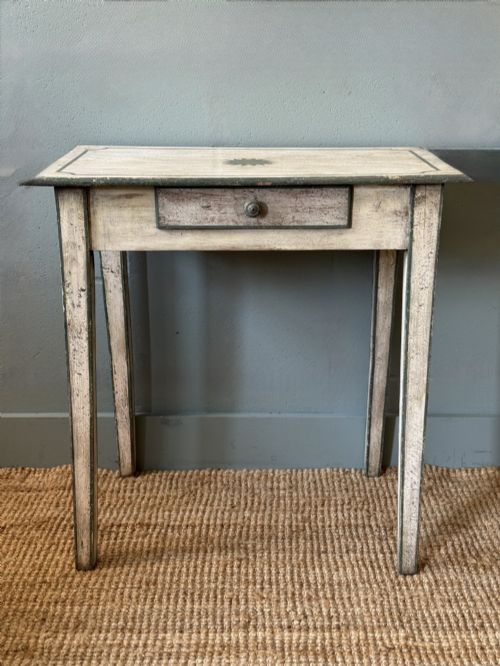
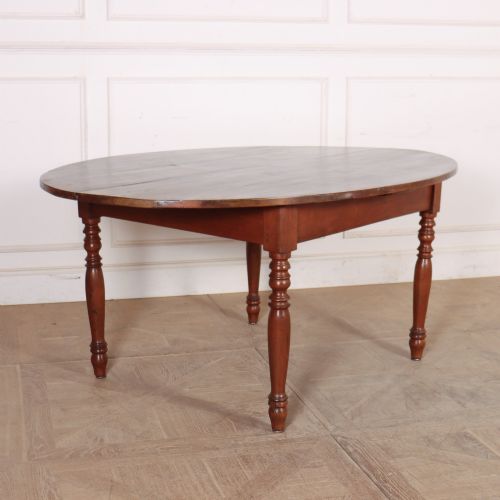
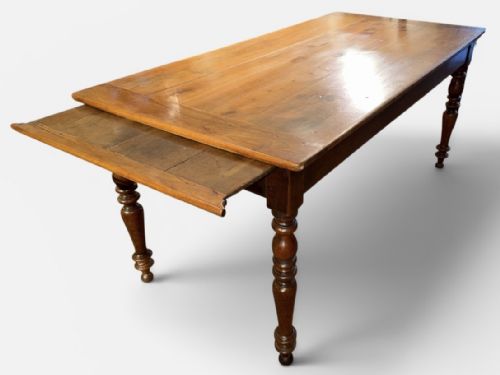
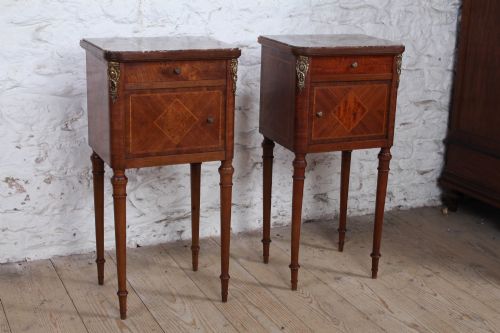
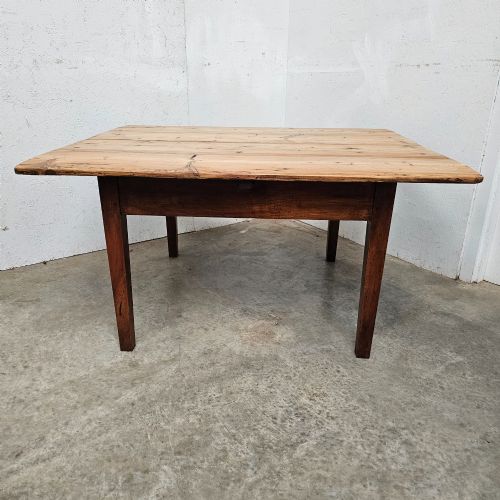


Vintage Fruitwood Table
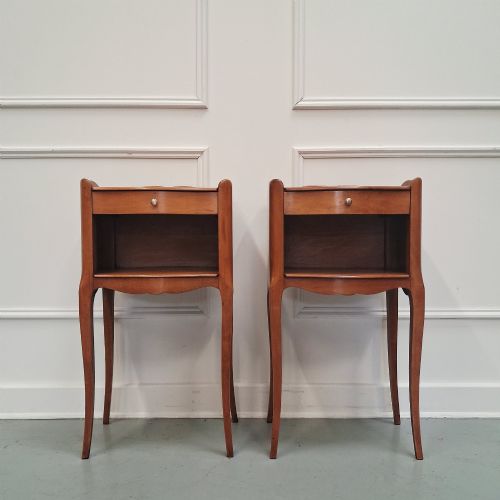
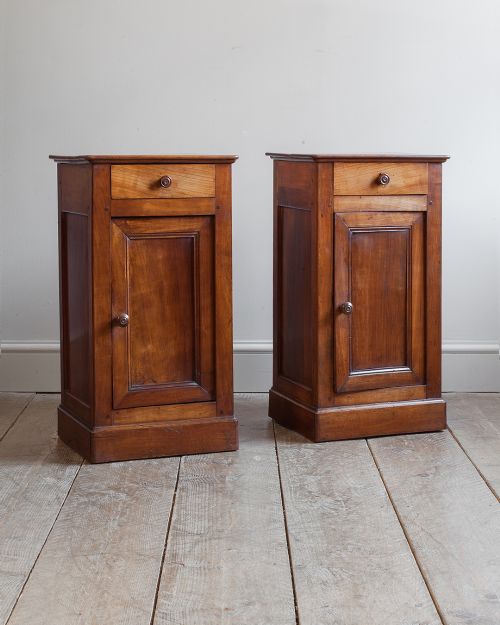
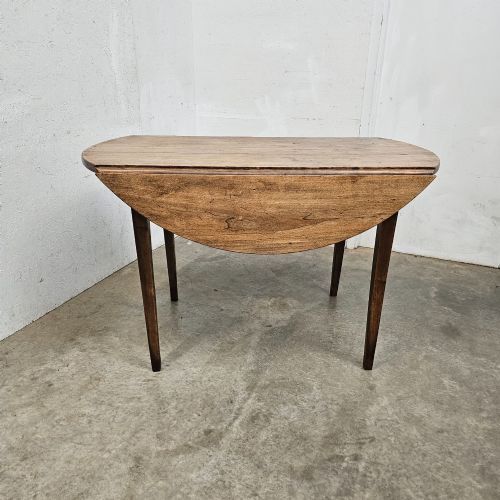
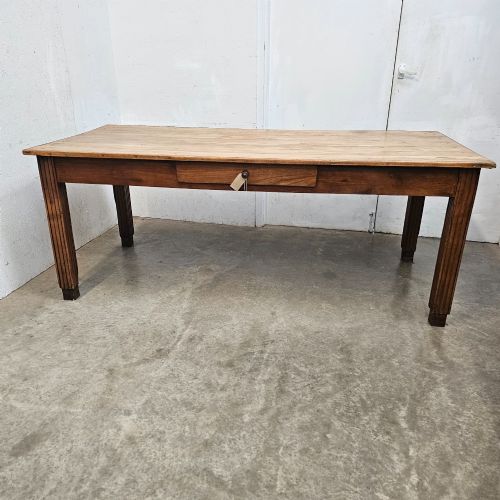
These vintage fruitwood table options offer rich, warm timber tones and practical charm for daily dining and bedside placement.
Vintage Fruitwood Table
A vintage fruitwood table brings warmth and character to domestic spaces through rich timber tones and honest construction. When searching for a vintage fruitwood table, buyers encounter a diverse range of forms spanning the nineteenth and early twentieth centuries.
Makers utilised dense timbers such as cherrywood and burr veneer alongside fruitwood to create robust furniture for everyday utility. These items suit contemporary interiors seeking organic texture and historical depth.
Materials and Construction Methods
Constructors relied on solid fruitwood, cherrywood, and pine alongside decorative burr veneers to build these surfaces. Timber selection prioritised both visual grain patterns and structural durability for domestic use.
Joinery techniques reflected traditional provincial methods, incorporating pegged joints, drawer linings, and drop-leaf mechanisms. Secondary woods like oak and pine frequently supported primary fruitwood exteriors on larger carcass pieces and dressers.
Surface treatments remained straightforward, often consisting of polished timber finishes or scrubbed top pine combinations. Brass hardware appeared on drawers and cupboards, adding subtle functional detail to the timber framework.
One industrious nineteenth-century workshop contribution even served as a watchmaker's station before finding its way to the dining room.
Evaluating Quality and Craftsmanship
Quality rests upon the selection of timber figures, particularly the richness of burr veneer and the uniformity of solid fruitwood planks. Superior examples display thoughtful grain matching across tabletops and drawer fronts.
Construction integrity separates standard utility pieces from finer provincial furniture, visible in the tightness of joints and the smooth operation of drawers. Original hardware and unaltered tabletops contribute significantly to a piece's integrity.
Proportion and scale dictate the visual success of smaller bedside cupboards and larger extending dining formats. Well-balanced proportions ensure the timber grain remains the primary focus without visual clutter.
The Vintage Fruitwood Table Glossary
- Fruitwood
- Timber sourced from fruit-bearing trees such as apple, pear, or cherry, prized for its warm tone and fine grain. It develops a deep patina through decades of use.
- Drop-Leaf Table
- A table with hinged flaps on the sides that fold down to save space or lift up to extend the surface area. This format adapts easily to smaller rooms.
- Dresser Base
- A low kitchen or dining storage unit featuring drawers and sometimes cupboards beneath a solid working top. These pieces originated in rural domestic settings.
- Burr Veneer
- A thin slice of wood cut from a tree growth or burl, showing intricate and swirling grain patterns. Craftsmen applied this to prominent surfaces for visual impact.
Vintage Fruitwood Table: Frequently Asked Questions
How do I clean a fruitwood table?
Dust regularly with a soft cloth and occasionally apply a quality beeswax to nourish the timber.
Avoid chemical polishes and keep the surface away from direct heat sources to prevent cracking.
Are these tables suitable for daily dining?
Many of these pieces were built for active kitchens and dining rooms, making them robust for daily use.
Use coasters and placemats to protect the historic surface from moisture and heat marks.
How do I identify fruitwood from other woods?
Fruitwood displays a smooth, fine texture with warm reddish-brown or golden hues that deepen over time.
It lacks the heavy open pores found in oak or the distinct growth rings typical of pine.
Can I place a fruitwood table near a window?
Direct sunlight can cause timber to fade and dry out unevenly over extended periods.
Position tables away from intense sun exposure or use window treatments to protect the antique finish.