
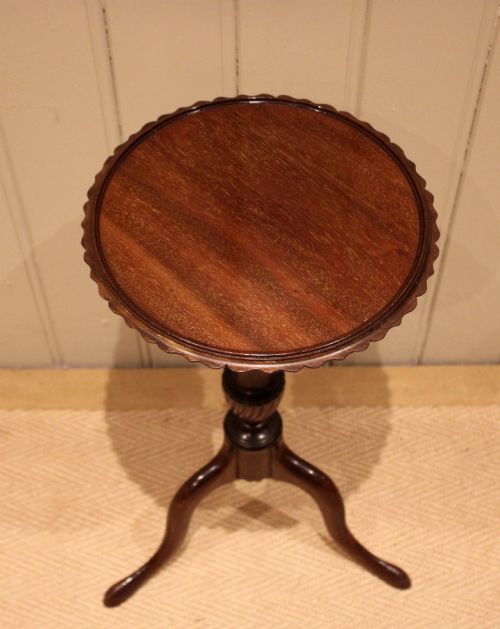
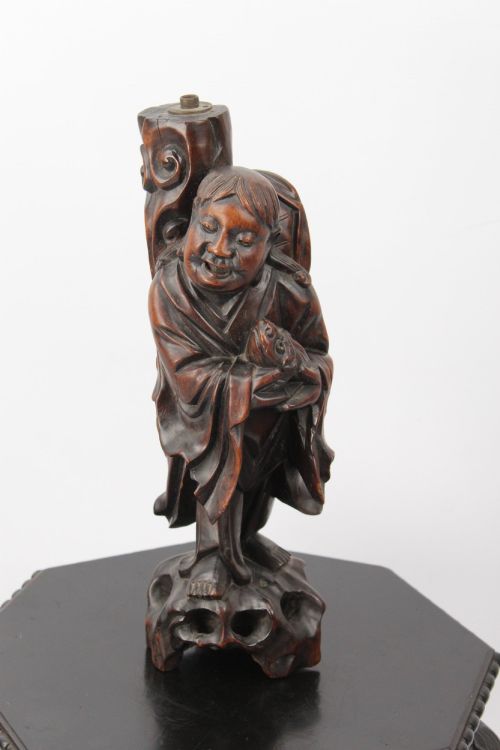
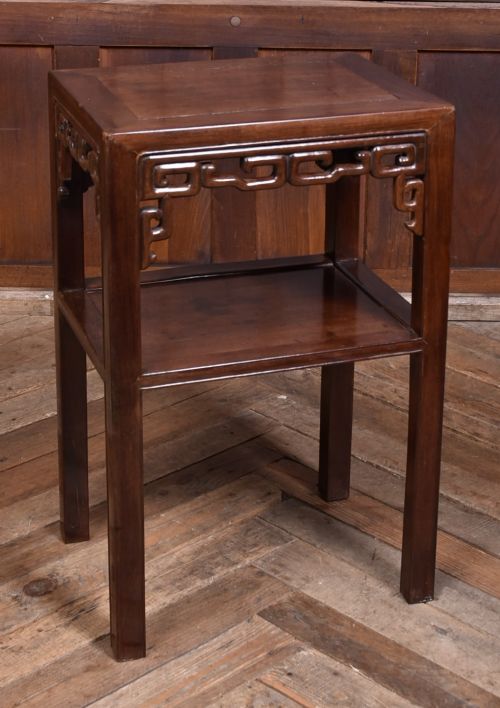
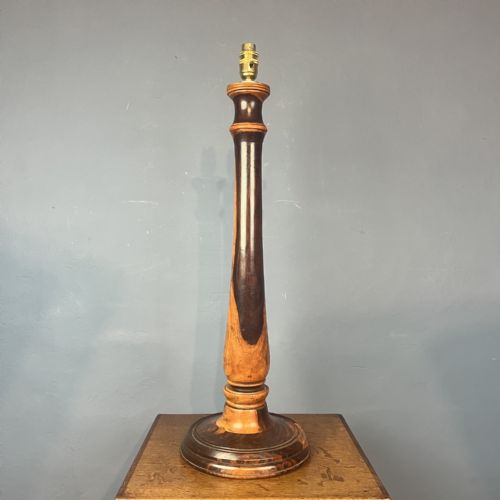



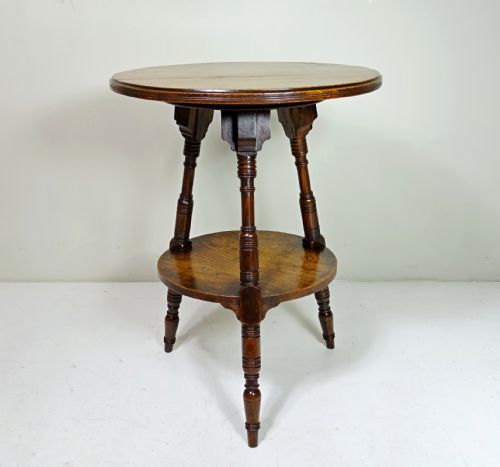
Traditional Timber Lamp Table
These traditional timber lamp table pieces offer solid surfaces and period character, bringing warmth and functional poise to any corner.
Traditional Timber Lamp Table
When you search for a traditional timber lamp table, you encounter practical occasional furniture and smaller side pieces built to hold lighting or display items. These forms span compact wine tables, cricket tables, and low occasional surfaces designed for domestic use.
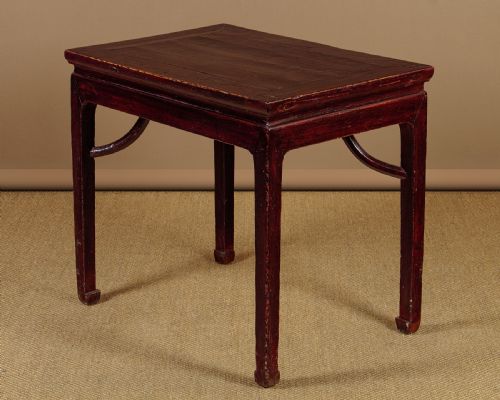
The selections here draw from 18th century, 19th century, and early 20th century periods, including Edwardian and Victorian eras. English country styles and Chinese traditional forms appear alongside provincial designs.
Buyers are most likely to meet elm, oak, mahogany, and walnut items configured as side tables, wine tables, or cricket tables. These practical forms anchor a room while providing a steady platform for lamps.
How they were made
Carpenters utilised timbers such as oak, elm, mahogany, walnut, and hardwood, often selecting boards with distinct grain patterns like burr elm or figured walnut. Construction relied on traditional joinery techniques suited to small occasional tables and side pieces.
Surfaces received various finishes including painted wood, limed treatments, or polished timber. Some examples incorporate brass details or fabric elements, depending on the period and regional workshop traditions.
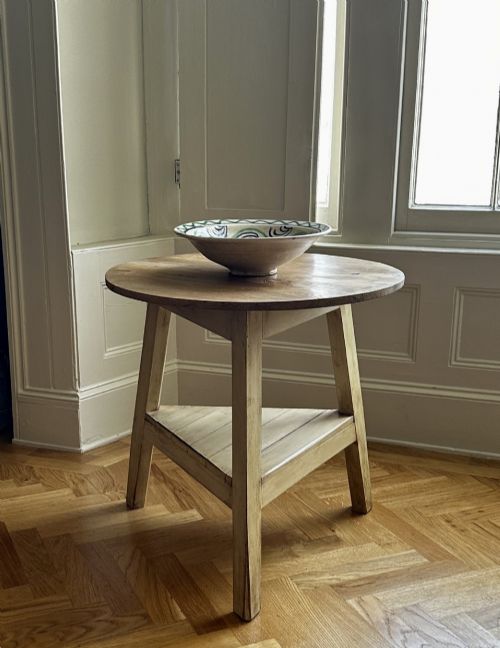
A sturdy elm cricket table remains ready to steady your evening tea just as it steadied a farmhouse lamp two centuries ago.
What varies in quality
The grade of timber and the crispness of turning or carving dictate the distinction between standard items and superior examples. Tables fashioned from well-figured burr elm or rich mahogany display greater visual depth than plain utility pieces.
Proportion and structural integrity separate fine examples from simpler utilitarian furniture. Well-balanced legs, tight joints, and careful retention of original painted or polished surfaces elevate the standing of a piece.
The Traditional Timber Lamp Table Glossary
- Cricket table
- A small, three-legged occasional table with a round wooden top, traditionally used in English country houses. The tripod design ensures stability on uneven floors.
- Wine table
- A compact occasional table featuring a raised or dished circular top supported on a pillar and tripod base. These were originally designed to hold glasses and wine bottles during evening gatherings.
- Cricket table
- A small, three-legged occasional table with a round wooden top, traditionally used in English country houses. The tripod design ensures stability on uneven floors.
- Burr elm
- Elm wood taken from a growth deformity on the tree, yielding highly swirled and mottled grain patterns. Cabinetmakers prize this material for decorative table tops.
- Bowfront
- A convex, outward-curving front profile found on the edges of table tops or cabinet frames. This curved geometry softens the rectangular lines of a room.
Traditional Timber Lamp Table: Frequently Asked Questions
What is a traditional timber lamp table used for?
These pieces provide a stable surface for table lamps, decorative objects, and evening essentials within living spaces. Their compact proportions allow them to fit easily beside seating or in hallways.
Historically, similar small tables served varied domestic functions from holding lighting to supporting books or cups. Today they retain that versatility while adding period character to a room.
How do I identify an 18th century table?
Eighteenth century examples often display deep timber patina, hand-cut joinery, and simpler structural lines shaped by regional joiners. Oak, walnut, and early mahogany dominate these utilitarian forms.
Examining the underside and joint construction reveals the hand-tool marks characteristic of earlier periods. Wood movement and natural wear patterns further confirm age.
Where should I place a cricket table?
Cricket tables suit corners, beside armchairs, or as standalone display surfaces for lamps and plants. Their three-legged tripod frame offers steady placement on carpets or wooden floors.
The rustic charm of elm cricket tables makes them ideal for country house aesthetics or contrasting modern interiors.
What is the difference between oak and mahogany tables?
Oak tables generally present a coarse, visible grain and a lighter or honeyed tone associated with English country and Arts and Crafts styles. Mahogany provides a denser, tighter grain with deep reddish-brown colouration suited to formal rooms.
Makers selected oak for sturdy provincial furniture and mahogany for refined urban designs, resulting in distinctly different visual weights.