



Traditional Tall Standard Lamp
A traditional tall standard lamp brings focused illumination and height to a room, offering both practical lighting and a commanding architectural presence.
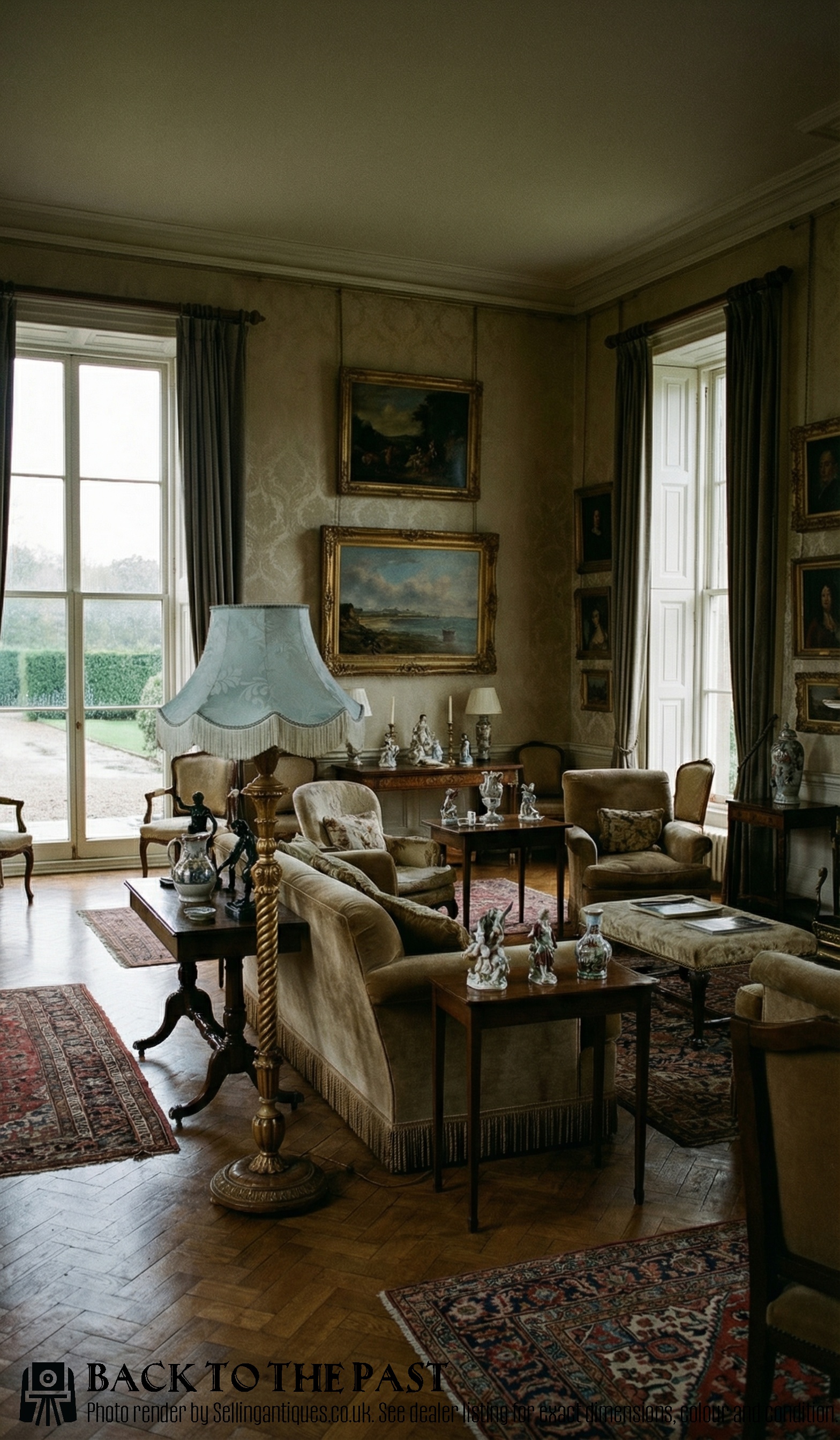
Traditional Tall Standard Lamp
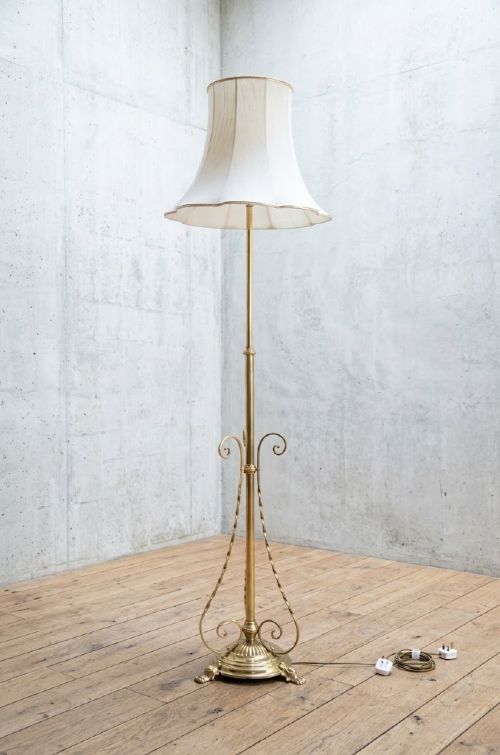
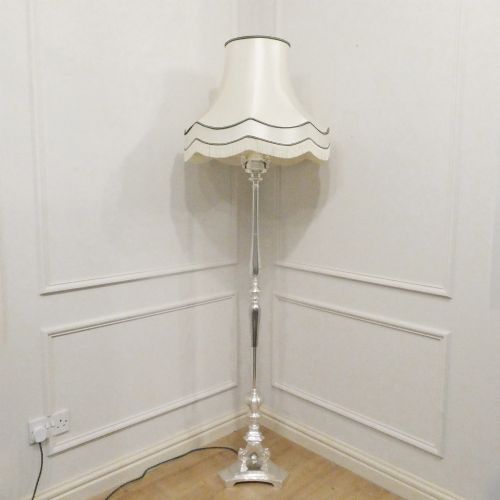
A traditional tall standard lamp provides upright floor illumination, designed to cast light from an elevated position above table height. When exploring a traditional tall standard lamp, buyers encounter pieces originating from the late nineteenth century through to the 1930s, encompassing Edwardian, Victorian, and Arts and Crafts eras.
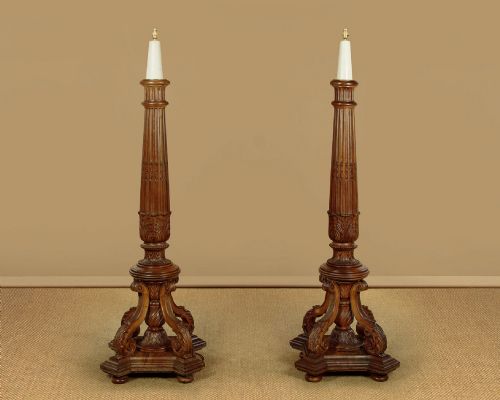
The selection includes floor-standing examples fashioned from turned timbers such as mahogany, oak, beech, and walnut, alongside highly polished metals. Many of these lighting stands incorporate adjustable stems or paired configurations suited for formal reception rooms and reading corners.
Materials and construction methods
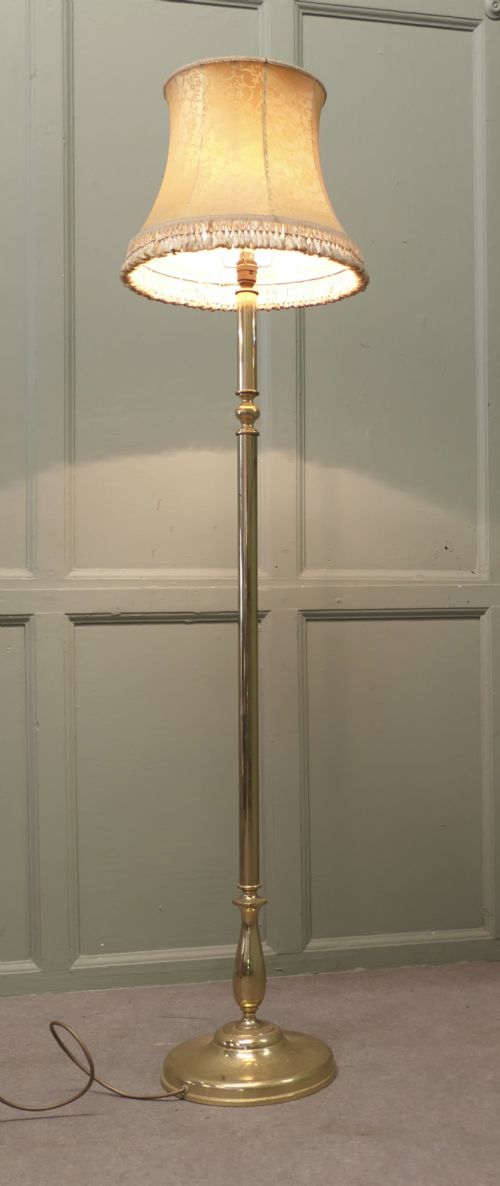
Makers utilised heavy brass, cast iron, and bronze alongside solid hardwoods like mahogany and walnut to ensure stability at height. Turned and carved timber shafts demonstrate traditional carpentry techniques, while heavy cast metal bases provide the necessary counterweight for tall upright columns.
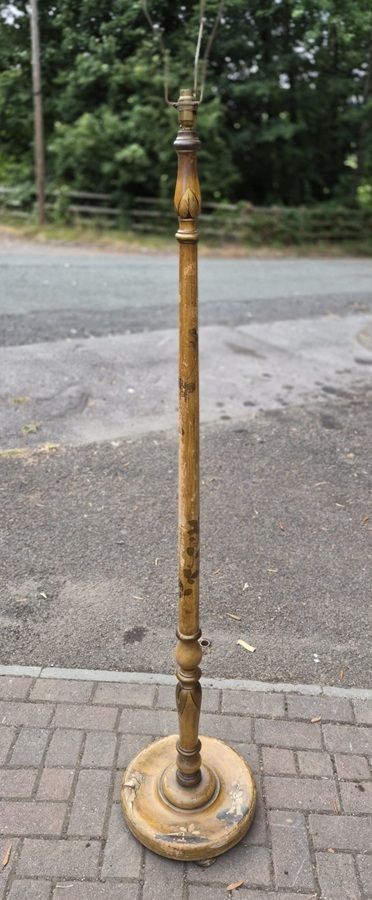
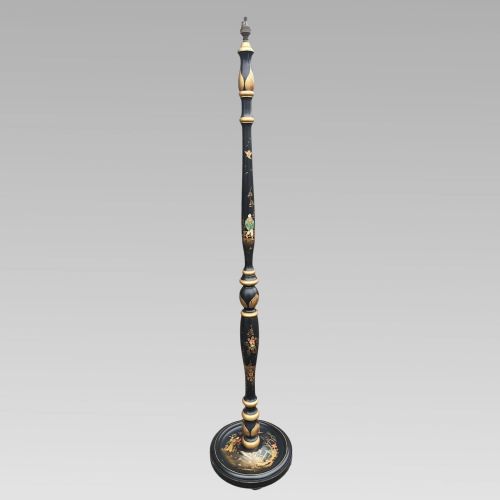
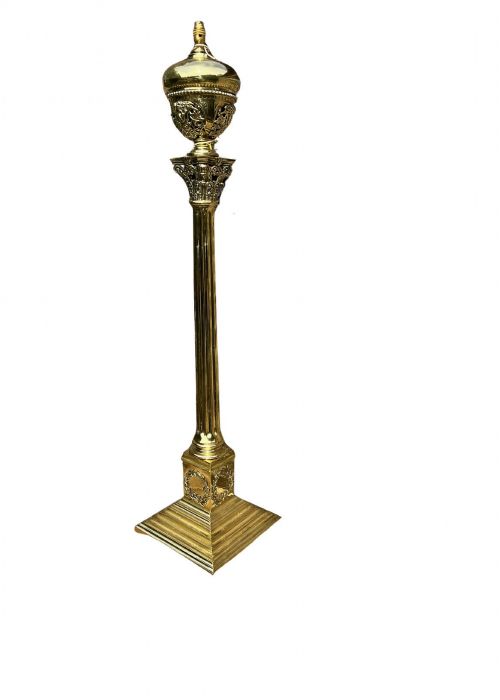
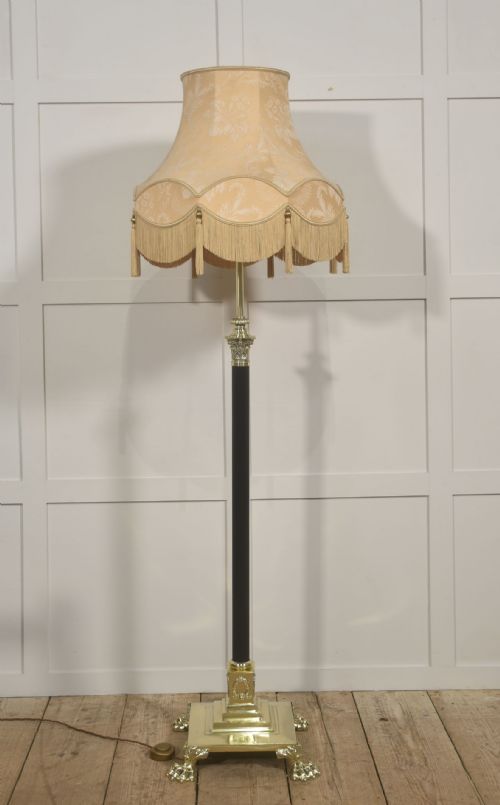
Surface decoration ranges from hand-painted Chinoiserie lacquer and parcel giltwood finishes to Corinthian column fluting in brass. Fabric shades complete many of these lighting pieces, often paired with adjustable brass mechanisms for height control.
Distinctions in craftsmanship
Superior examples distinguish themselves through the crispness of hand-carved wood detailing and the substantial weight of cast brass or bronze bases. Finer pieces maintain structural integrity in their height-adjustment mechanisms, ensuring the tall stem remains perfectly plumb without wobble.
The grade of materials defines the upper tier, seen in dense figured mahogany, genuine parcel gilding, or intricate decorative lacquer work rather than simple turned utility timber. Original metal patination and balanced proportions further separate standard production pieces from finer workshop commissions.
Heals and Sons·Whytock and Reid
The Traditional Tall Standard Lamp Glossary
- Standard lamp
- An upright floor-standing lamp designed to illuminate a room from a raised position. These fixtures typically stand over a metre in height.
- Corinthian column
- A classical architectural column style featuring an ornate capital decorated with acanthus leaves. This design is frequently cast in brass for Victorian lighting stands.
- Chinoiserie
- European decorative style reflecting Chinese artistic traditions, often characterised by hand-painted black lacquer and gilt motifs. It appears on early twentieth-century lamp bodies.
- Parcel gilt
- Wood or metal partially covered with gold leaf or gilt paint to highlight specific carved details. This technique adds contrast to mahogany or gesso surfaces.
- Arts and Crafts
- A design movement prioritising traditional craftsmanship and simple, honest materials over mass production. Pieces from this tradition often feature unadorned hammered brass.
Traditional Tall Standard Lamp: Frequently Asked Questions
How do I wire an old lamp safely?
Older lighting stands require modern electrical rewiring to meet contemporary safety standards. A qualified electrician can thread modern heat-resistant flex through the central channel without altering the exterior appearance.
Earth connections must be verified, particularly on antique metal columns, to ensure safe domestic use.
Are these lamps height adjustable?
Many period examples feature sliding brass telescopic stems secured by a thumbscrew mechanism. This allows the overall height of the light source to be raised or lowered depending on seating arrangements.
Non-adjustable turned timber versions remain fixed at their original manufactured height.
What shade fits a standard lamp?
Shades are typically supported by a wire harp or a shade carrier attached directly to the lampholder. Proportion is key when selecting a replacement, ensuring the diameter complements the heavy base.
Fabric shades with pleated silk or lined interiors match the period aesthetic of Edwardian and Victorian floor stands.
How do I date a wooden floor lamp?
Dating relies on timber choice, turning styles, and construction methods characteristic of specific decades. Mahogany and walnut point towards Edwardian or 1920s production, while heavy oak often aligns with Arts and Crafts influences.
Patina on the wood and the type of lampholder wiring also offer clues to the approximate age.