
Traditional Table Lights
Traditional table lights bring warm illumination and historic character to a room, spanning periods from the eighteenth century to the twentieth.
Traditional Table Lights
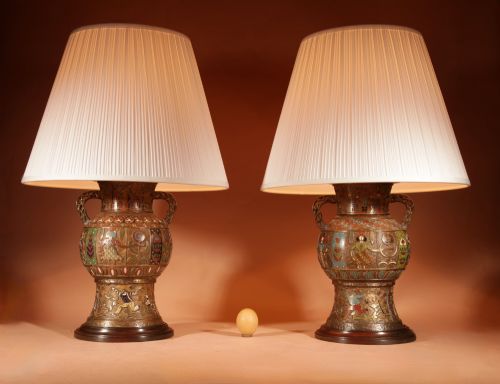
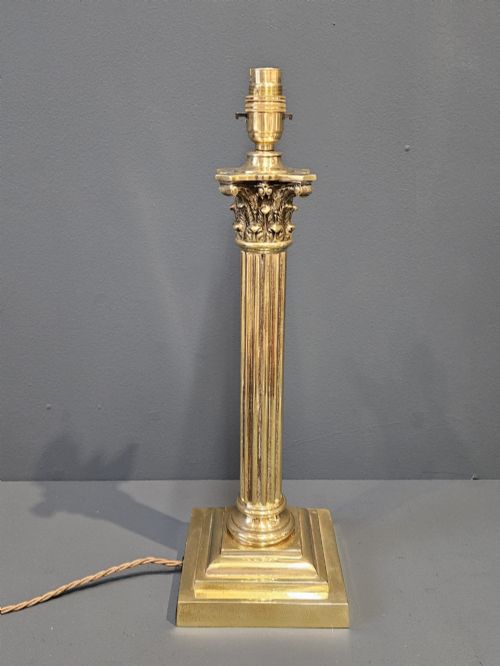
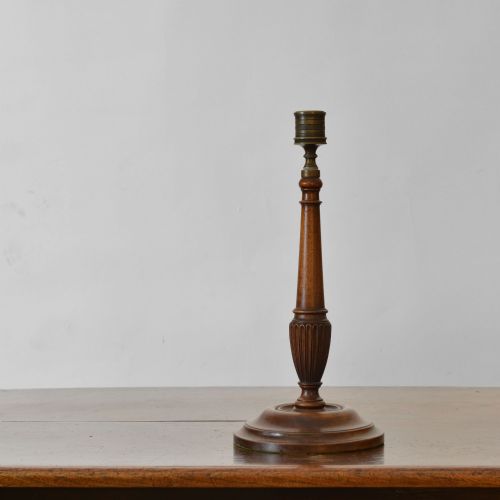
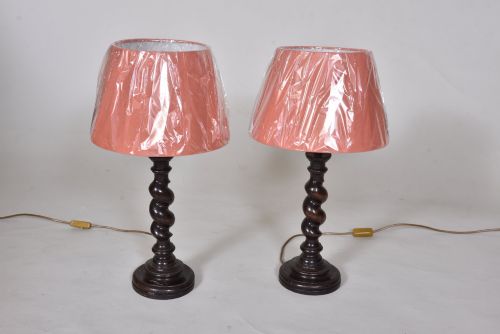
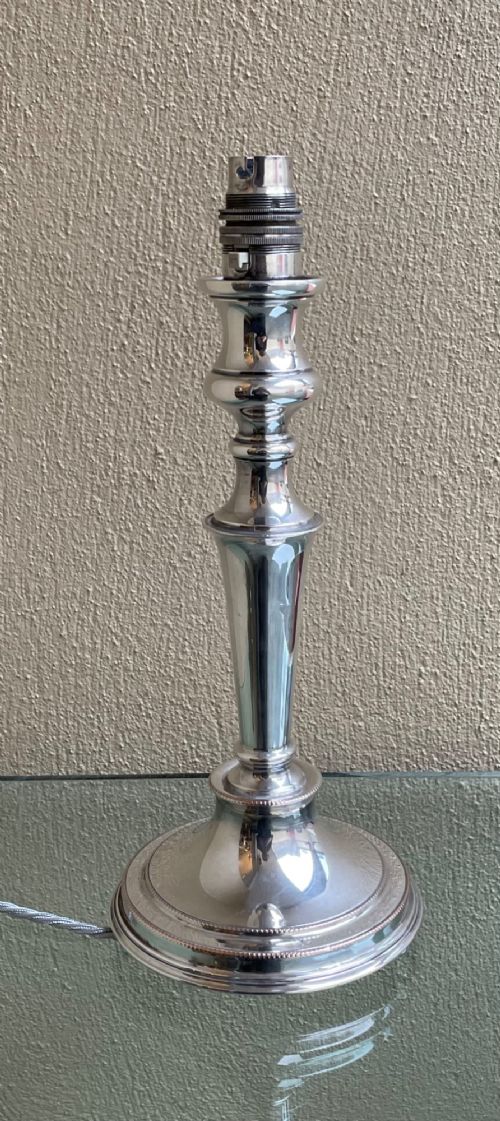
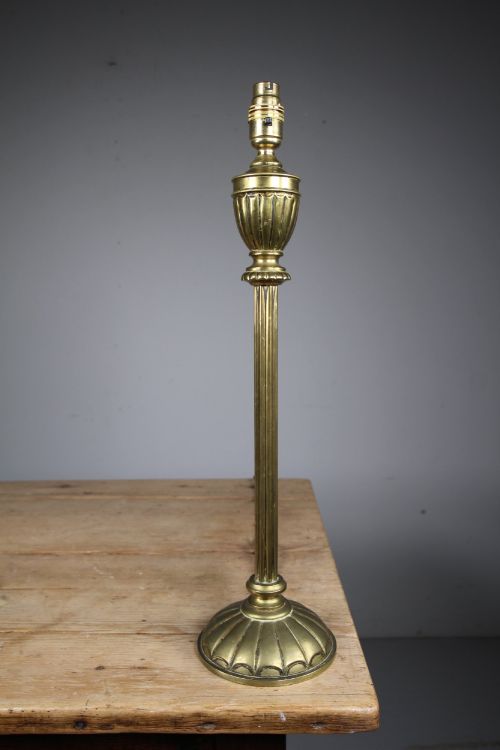
Traditional table lights encompass practical lighting fixtures and converted candle holders from periods including the Victorian, Edwardian, and Georgian eras. Buyers searching for traditional table lights encounter brass columns, oak bases, and silver plated designs intended for desks, sideboards, and reading spaces.
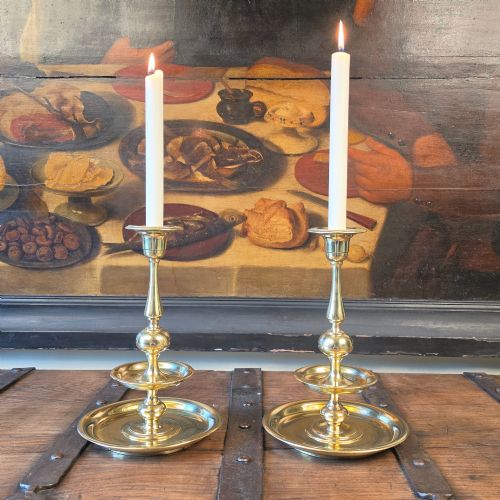
The selection on this page relies heavily on nineteenth century and early twentieth century examples, alongside earlier eighteenth century pieces. Many items take the form of table lamps, desk lamps, and candlesticks adapted for modern electrical use.
How they were made
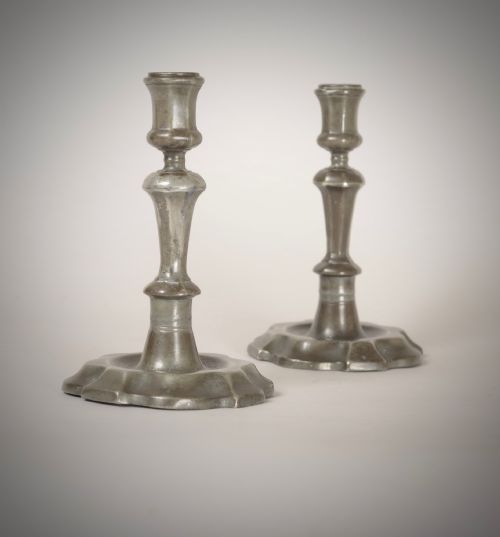
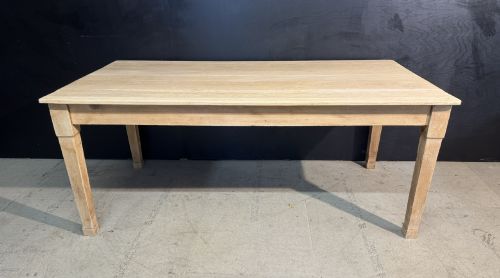
Makers utilised metals such as brass, cast brass, silver plate, and pewter, shaping them into columns, baluster forms, and bouillotte shapes. Wood and oak also appear frequently, forming solid timber bases and turned lamp bodies.
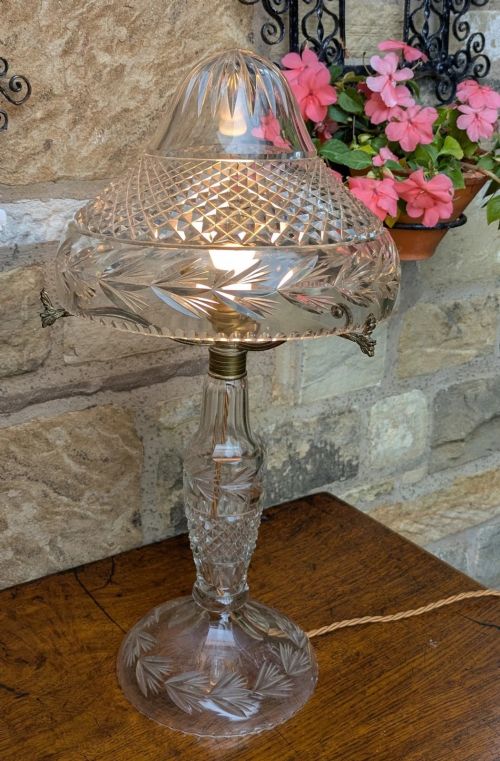
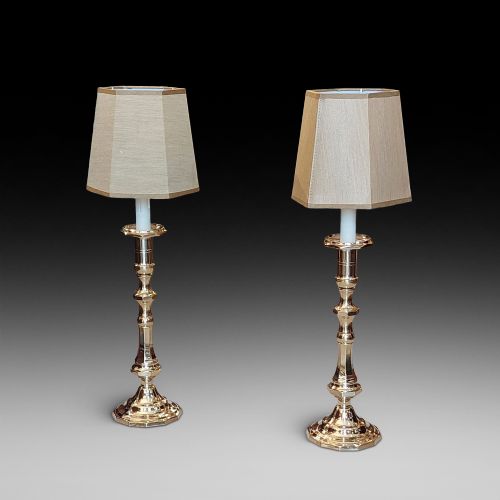
Lighting adaptations often involve converting older candlesticks and candelabras into table lamps, while fabric shades and cut crystal components provide additional texture and diffusion.
Listings feature materials such as brass, oak, silver plate, and cut crystal across styles from Georgian to Arts and Crafts.
What varies in quality
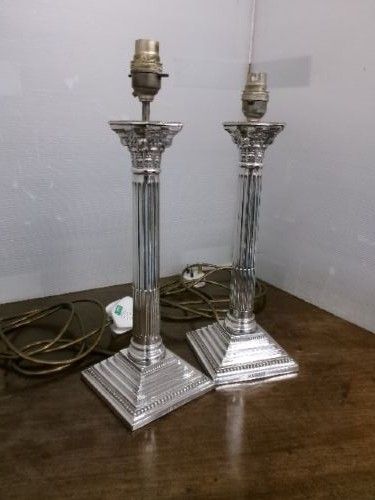
Quality rests in the weight of the metal casting, the crispness of architectural details such as Corinthian column fluting, and the integrity of the timber. Finishes like parcel gilt and patinated brass show distinct levels of preservation across different examples.
Provenance and original manufacture versus later conversion also divide the range, separating standard production items from finer pieces bearing maker attribution.
Mappin & Webb's
The Traditional Table Lights Glossary
- Corinthian column
- A classical architectural column form featuring ornate acanthus leaf capitals, frequently utilised in nineteenth century brass lamp bases.
- Bouillotte lamp
- A metal desk lamp equipped with a central shaft and an adjustable Toleware shade, originating in France for card games.
- Silver plate
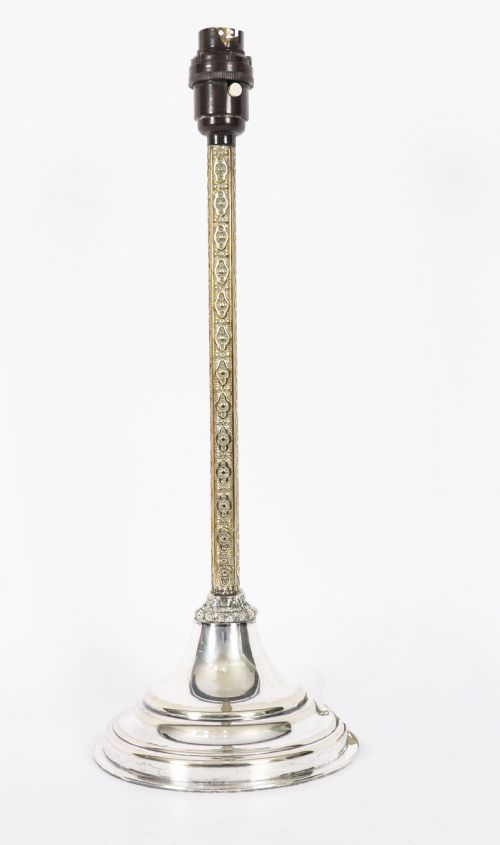
- A thin layer of silver fused to a base metal core, common in Edwardian and nineteenth century lighting and tableware.
- Toleware
- Painted or lacquered sheet metal, often coloured green, used traditionally for lamp shades and desk accessories.
- Ejector candlestick
- A brass candlestick fitted with an internal sliding mechanism to push out the remaining candle stub.
Traditional Table Lights: Frequently Asked Questions
What are traditional table lights?
Traditional table lights are lighting fixtures derived from historic periods, including converted brass candlesticks, desk lamps, and column lamps from the eighteenth, nineteenth, and early twentieth centuries.
They combine historical craftsmanship with functional illumination for desks, sideboards, and living spaces.
How do I date an antique table lamp?
Dating relies on stylistic clues, materials, and manufacturing techniques, such as the architectural proportions of a Corinthian column or the hallmarks on silver plated items.
Periods represented in these pieces span from Georgian and Victorian eras through to the Edwardian period and the early twentieth century.
Were these lamps originally electric?
Many traditional table lights started as oil lamps, gas lamps, or standard candlesticks before being converted to electricity at a later date.
Candlestick conversions retain the original metal or wooden stems while incorporating modern internal wiring and lamp holders.
How do I live with antique brass lighting?
Living with antique brass involves placing pieces where their patinated surfaces complement wooden furniture and historic interiors.
Maintenance requires gentle dusting and preserving the natural ageing of the metal rather than aggressive polishing.