





Traditional Suzani
When you handle a traditional suzani, you hold centuries of Central Asian needlework, rich with silk thread and tribal artistry.
Traditional Suzani
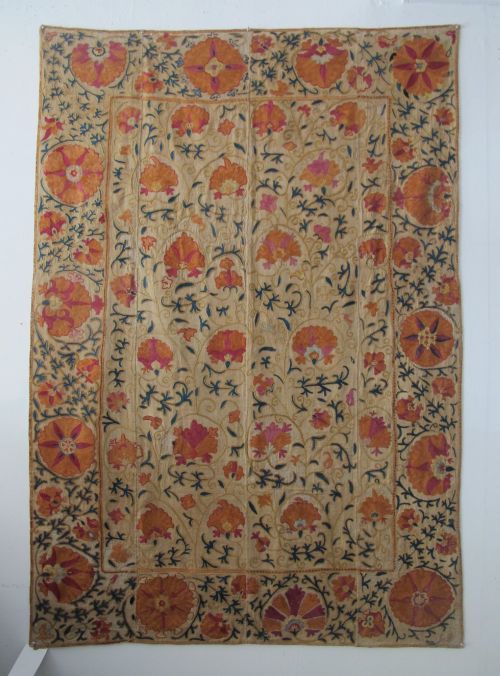
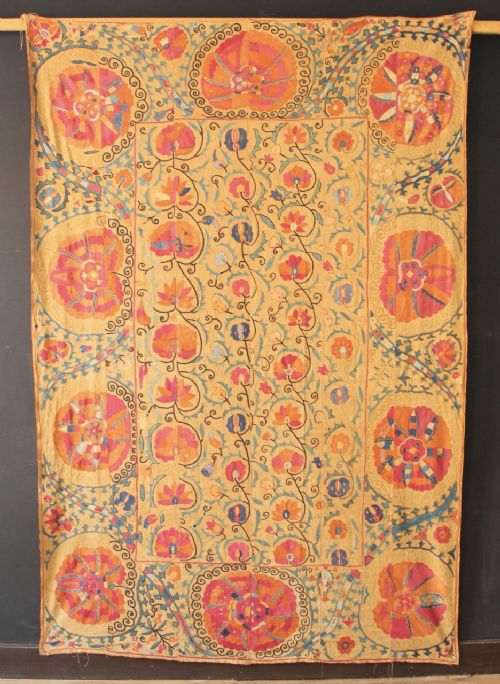
The most common examples encountered on this page date from the nineteenth and early twentieth centuries, featuring distinct regional formats like the large medallion variant, the palak fully embroidered design, and the nim suzani.
Makers utilised various grounds including cotton, red wool, yellow cotton, black cotton, and adras silk and cotton mixes to support elaborate needlework.
How they were made
Artisans executed these textiles primarily using silk thread to embroider dense botanical, architectural, and geometric motifs onto woven foundations of cotton, wool, or adras. Certain pieces integrate supplementary woven structures like kilim techniques assembled in multiple strips.
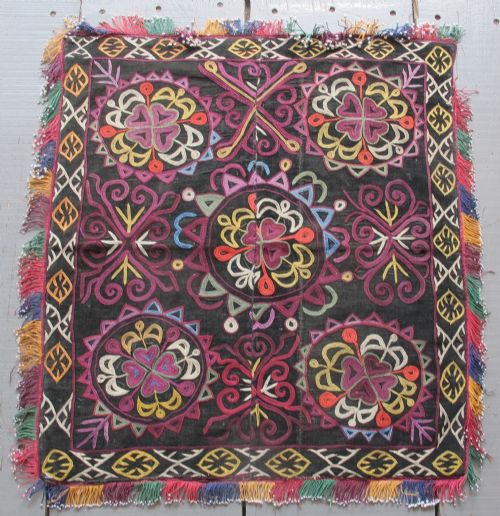
Regional workshops and nomadic groups applied specific stitches and colour palettes directly onto local cloth grounds, sometimes incorporating glass beads for added texture and visual depth.
Traditional Suzani Retail Price Guide 2026
Typical asking prices for traditional suzani among the pieces listed under this phrase on Sellingantiques today, from the lower quarter to the upper quarter. They describe what is for sale here now, not the wider market.
One kilim-woven example is constructed from nine separate strips stitched together, proving that practical resourcefulness guided even the most artistic hands.
What varies in quality
The density of the silk embroidery largely determines the visual weight and richness of a piece, distinguishing full work panels from lighter designs. Full embroidery layouts, particularly Tashkent palak examples, demand extensive time and material investment.
Colour saturation and the integrity of the ground fabric, whether cotton, wool, or adras, influence the overall presence of the textile. Distinct regional drawing styles and crisp architectural or floral motifs elevate the design execution.
The Traditional Suzani Glossary
- Suzani
- An embroidered tribal textile from Central Asia, traditionally worked in silk on a cotton or wool foundation. The name derives from the Persian word for needle.
- Adras
- A traditional Central Asian fabric woven with a silk warp and a cotton welt, frequently used as a ground for embroidery. It provides a distinct textural sheen.
- Palak
- A fully embroidered suzani design style, often associated with Tashkent workshops, where the ground fabric is densely covered in floral and medallion motifs. These represent the most intensive category of needlework.
- Nim
- A smaller fractional format of suzani, typically translated as half, used for compact domestic spaces or specific furnishings. They preserve the full scale of design elements in reduced dimensions.
- Lakai
- A Central Asian tribal group known for bold, geometric, and dynamic embroidery interpretations distinct from urban workshop output. Their work often employs heavy wool or cotton grounds with vibrant silk threads.
Traditional Suzani: Frequently Asked Questions
What is a suzani used for?
These embroidered textiles traditionally served as marriage dowry items, wall hangings, bed covers, and ceremonial furnishings within Central Asian households. They marked important domestic milestones and brought warmth and vibrant colour to nomadic and urban interiors.
Today, collectors primarily utilise them as statement wall hangings, decorative throws, or focal textile art pieces in modern living spaces.
How do I care for a textile?
Protect antique embroidery from direct, prolonged sunlight to prevent natural silk and cotton threads from fading and weakening over time. Gentle vacuuming through a mesh screen can remove dust without disturbing delicate stitches or ground fabrics.
Avoid hanging these textiles in humid environments and consult a professional textile conservator for any cleaning needs rather than attempting wet cleaning at home.
How do I identify regional styles?
Regional attribution relies on observing the specific drawing style, motif composition, and ground fabric choices unique to centres like Bokhara, Tashkent, and Shakrisabz. Urban workshops often produced balanced architectural or refined floral layouts, whereas tribal groups such as the Lakai favoured dynamic geometric interpretations.
Comparing the density of the silk embroidery and the colour palette helps differentiate between regional Uzbek and Tajik traditions.
What does full work mean?
Full work refers to suzani panels where the silk embroidery covers nearly the entire ground fabric, leaving very little of the underlying cotton or adras exposed. This labour-intensive approach results in a heavier, deeply saturated textile with exceptional visual presence.
Pieces described this way typically represent the highest tier of needlework complexity from urban workshops.