


Traditional Study Cabinet
These traditional study cabinet pieces are solid mahogany, oak and walnut writing furniture designed for private rooms, offering practical storage and writing surfaces for the home.
Traditional Study Cabinet
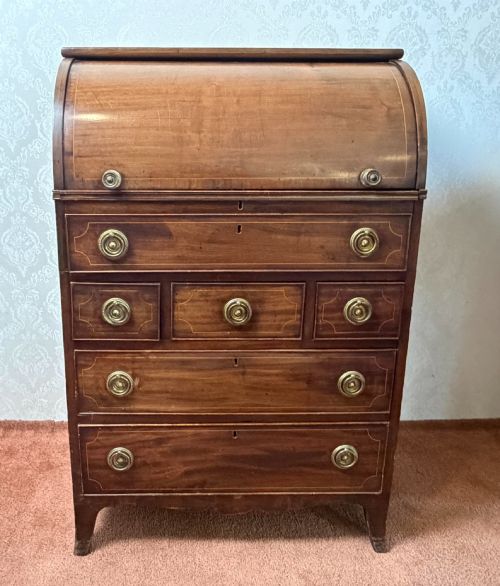
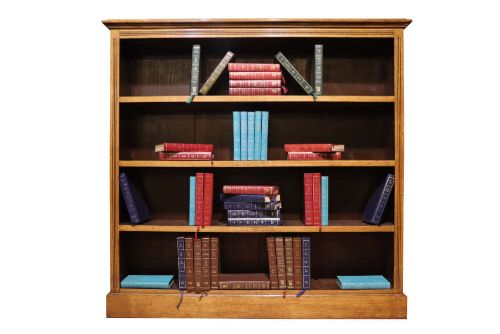
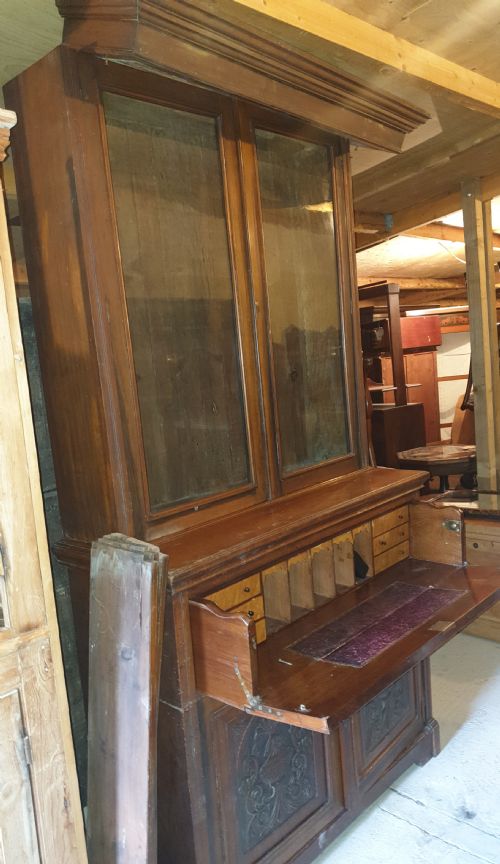
A traditional study cabinet search brings up writing desks, bureau bookcases, secretaires and open bookcases from the nineteenth and early twentieth centuries. These forms served for correspondence, record-keeping and book storage in domestic libraries and studies.
The most common examples encountered on this page are mahogany and oak bureaux, writing tables and Davenport desks dating from the Victorian and Edwardian eras. These pieces range from compact pine writing slopes to large mahogany and walnut secretaire bookcases.
Makers designed these items to combine lockable storage with dedicated writing spaces, utilising fall-front drawers, tambour shutters and leather-lined writing surfaces. Their origins span Georgian foundations through to revival styles of the early twentieth century.
How they were made
Cabinet makers constructed these pieces primarily in solid mahogany, oak and walnut, frequently employing burr veneers and marquetry inlay to enrich the visible surfaces. Pine served regularly for internal secondary framing and drawer linings.
Desks and bureaux incorporate hinged writing slopes, fall-front drawers and sliding sections, often lined with tooled leather. Brass handles, escutcheons and locks secure the fitted compartments and drawers within each piece.
Many nineteenth-century writing desks retain forgotten inkstains inside their pigeonholes, left behind by owners who forgot to blot their quill pens.
What varies in quality
Construction standards separate standard production items from workshop pieces bearing attribution, such as those by Gillows. Superior examples display precise timber selection, well-figured veneers and carefully fitted interior pigeonholes.
Hardware and secondary timbers reveal the underlying standard of manufacture. Solid brass fittings, dovetailed drawer construction and matching grain patterns across large surfaces distinguish finer cabinets from more utilitarian workshop output.
Gillows
The Traditional Study Cabinet Glossary
- Bureau
- A desk featuring a sloping hinged lid that drops down to form a writing surface above a chest of drawers. This form conceals small pigeonholes and letter drawers inside.
- Secretaire
- A cabinet or bookcase containing a disguised writing drawer or fall-front desk compartment. It combines the storage function of a bookcase with the utility of a desk.
- Davenport
- A compact small desk featuring a sloped writing top and drawers opening to the side. It gained popularity during the nineteenth century for use in smaller private rooms.
- Tambour
- A sliding door or shutter constructed from narrow vertical strips of wood glued to a canvas backing. This mechanism allows access to writing surfaces without requiring swinging door clearance.
- Marquetry
- The art of applying decorative patterns of wood veneers to a structural carcase. Makers used contrasting timbers such as walnut and fruitwoods to create pictorial or geometric designs.
Traditional Study Cabinet: Frequently Asked Questions
How do I identify a Davenport desk?
A Davenport desk is a compact writing cabinet with a sloping, often leather-lined top. The writing surface lifts to reveal storage space, while the pedestal base contains drawers opening to one side.
Cabinet makers produced these pieces from the early nineteenth century onwards in mahogany, walnut and rosewood for use in domestic studies and drawing rooms.
What is a tambour writing desk?
A tambour writing desk uses a flexible shutter made of narrow wooden slats running in a groove to cover the desk interior. Pulling the tambour upward reveals the pigeonholes and writing surface.
This mechanism allowed designers to conceal the working area of the desk compactly while utilising figured mahogany and inlaid timbers on the exterior case.
How do I care for leather desk tops?
Leather desk inserts benefit from gentle cleaning with a damp cloth and occasional application of appropriate leather balm or wax. Avoid using harsh chemical cleaners or excess moisture on the surface.
Keeping these surfaces conditioned preserves the gold tooling and prevents the leather from drying out within a heated study environment.