

Traditional Still Life
Traditional still life paintings capture arranged subjects like fruit, flowers and game in enduring oils and watercolours.
Traditional Still Life
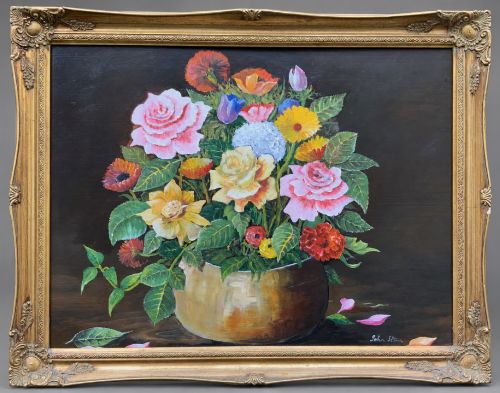
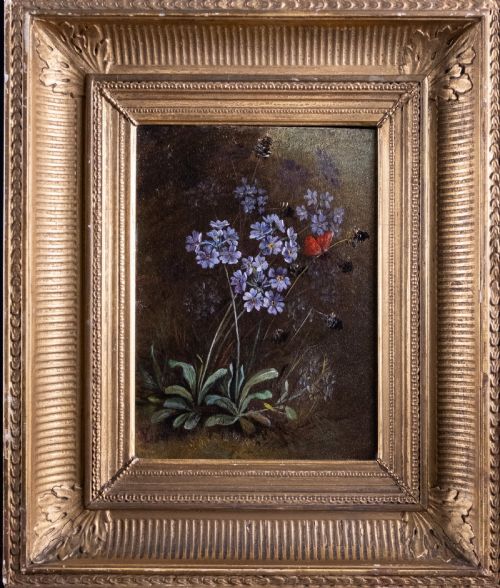
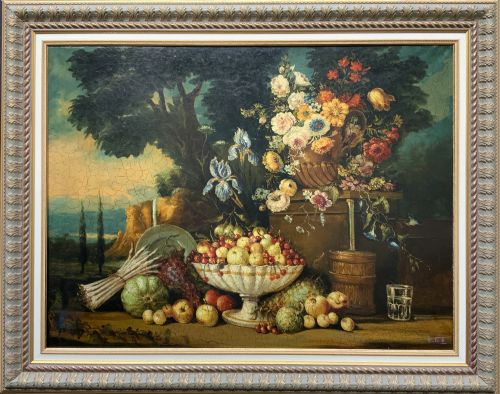
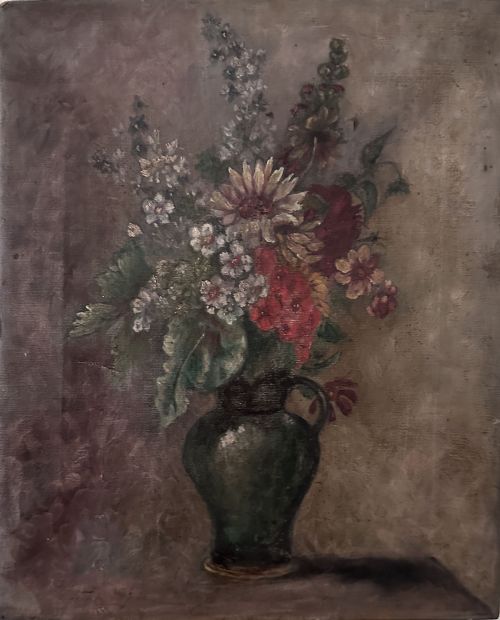
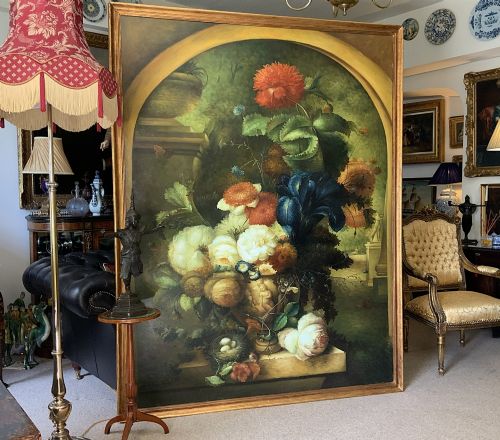
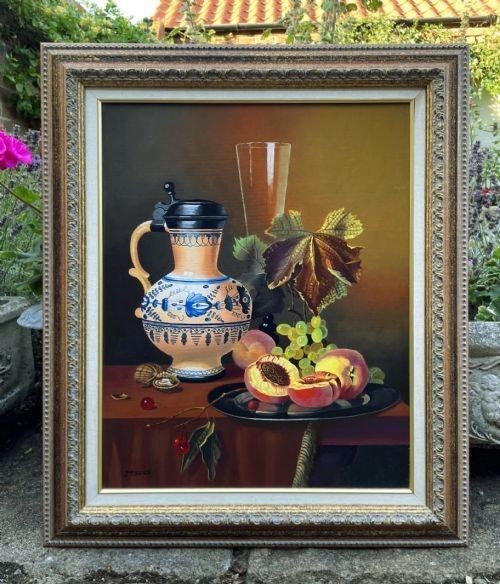
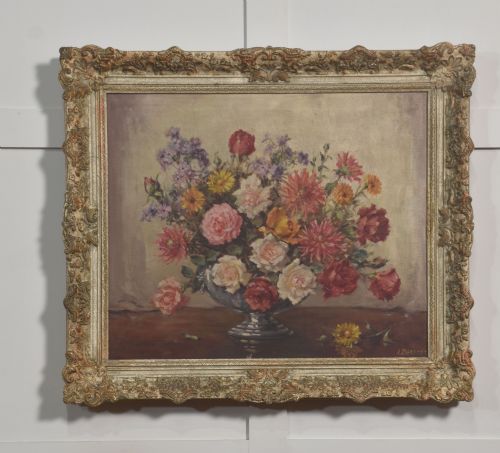
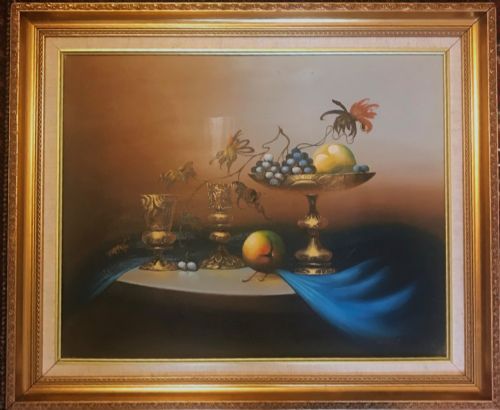
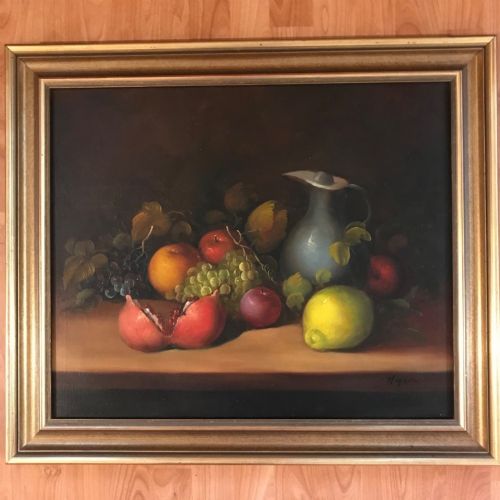
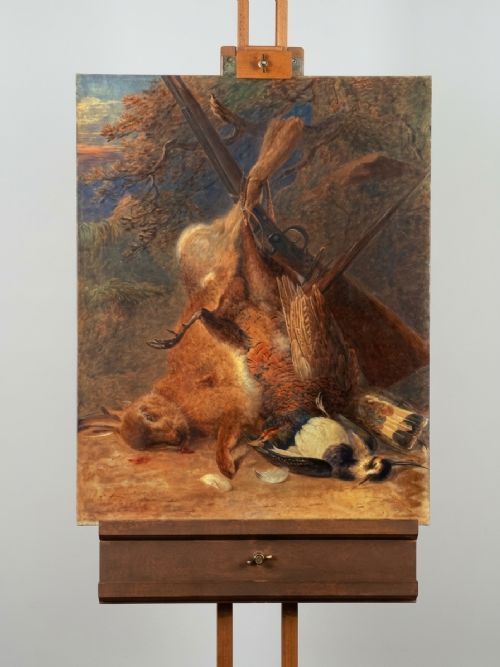
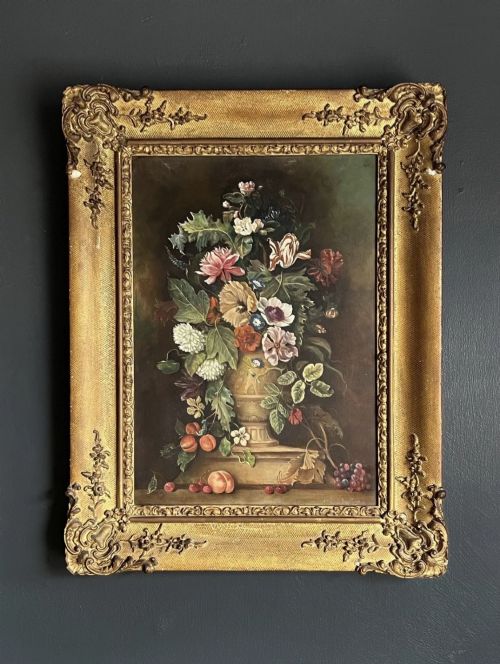
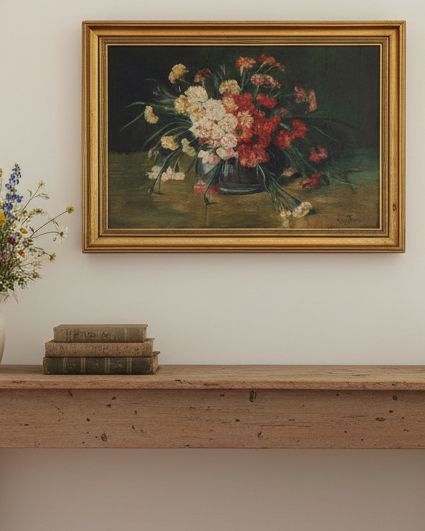
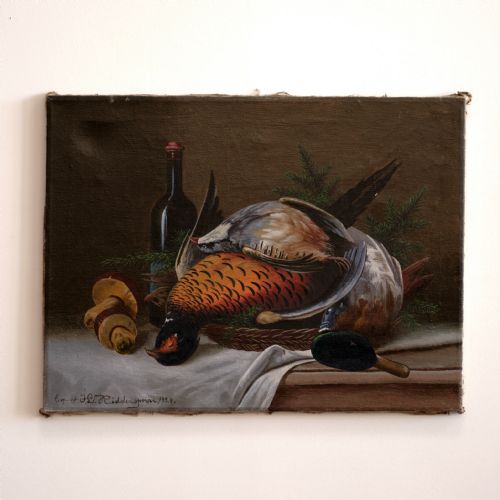
Traditional still life works focus on painted compositions of inanimate objects, domestic animals and botanical studies. Collectors search for these pieces to bring historical depth and rich visual arrangement into a room.
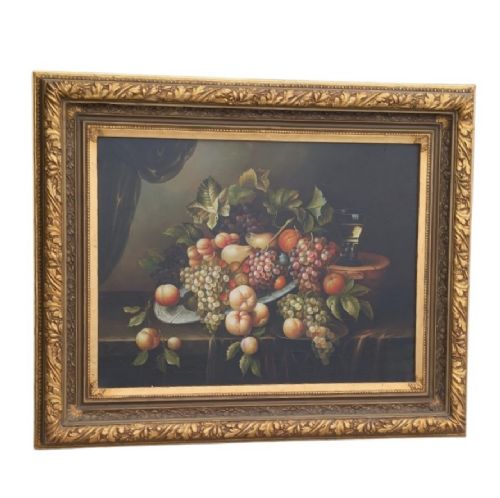
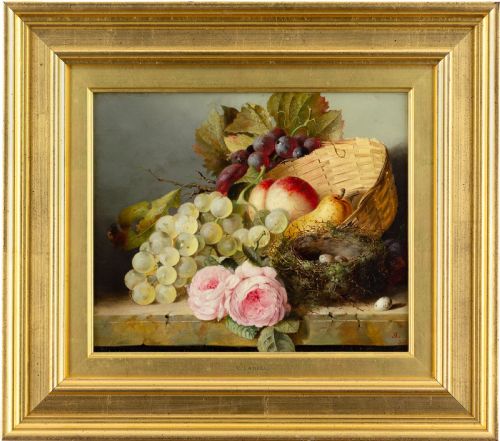
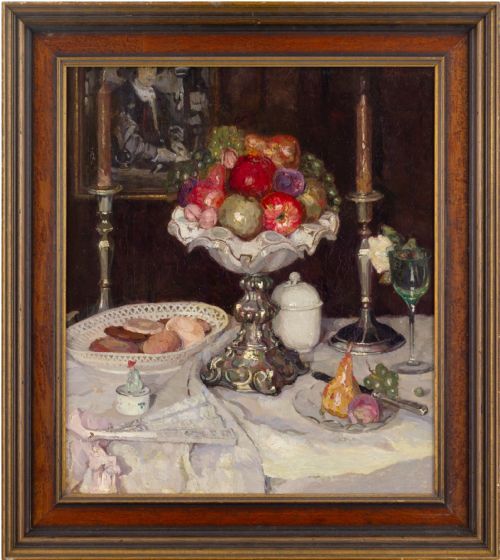
The selections available span from the nineteenth century into the mid-twentieth century, encompassing Victorian and Edwardian examples. Floral arrangements and fruit studies on canvas dominate the pieces encountered here.
Surviving examples range from intimate watercolours on paper to monumental canvases housed in period frames. Works reflect varied regional traditions, including British, Dutch and Flemish stylistic influences.
How they were made
Artists applied oil paint or watercolour onto woven canvas, wood panels or heavy paper supports. Many canvases use traditional stretchers and retain their original build.
Framing forms an integral part of the physical object, utilising gilded wood and moulded gesso frames to complement the painted imagery. Detail is achieved through fine brushwork capturing light on fruit, petals and glass.
Traditional Still Life Retail Price Guide 2026
Typical asking prices for traditional still life among the pieces listed under this phrase on Sellingantiques today, from the lower quarter to the upper quarter. They describe what is for sale here now, not the wider market.
Several canvases capture unexpected culinary intruders, including clever dogs and curious birds caught raiding the fruit basket.
What varies in quality
The strength of composition and the handling of light separate standard decorative paintings from masterworks. Skilled brushwork brings texture and depth to surfaces like woven baskets and ceramic jugs.
Preservation of the original paint layer and the condition of the supporting wood or canvas influence the integrity of the piece. Period frames finished in gold leaf add distinct character depending on their original craftsmanship.
Edward Ladell·William Henry Ward·Else Preußner·Harold Clayton·William Thomas Wood·Frans Snyders·Benjamin Blake·Gertrude Hayes·Owen Bowen·Edward Duffield
The Traditional Still Life Glossary
- Canvas
- A heavy woven fabric stretched across a wooden frame to serve as a painting surface. It provides the standard support for oil works.
- Gesso
- A plaster-like mixture applied to wood before gilding or painting to create a smooth surface. It forms the base for ornate frame decorations.
- Oleograph
- A mechanical colour print designed to imitate an oil painting through textured rollers. These reproductions appear from later nineteenth and twentieth-century production.
- Bodycolour
- Watercolour mixed with a white pigment to make it opaque. This technique adds solid highlights to works on paper.
Traditional Still Life: Frequently Asked Questions
What subjects appear in these paintings?
Compositions typically feature arrangements of cut flowers, seasonal fruit, glassware and game animals. Domestic items like wicker baskets and ceramic jugs also frequently populate the scenes.
These subjects reflect centuries of artistic interest in domestic abundance and botanical study. Artists used these inanimate groupings to explore light, shadow and texture.
How do I identify the period of a painting?
Dating relies on stylistic clues, the type of canvas or wood support, and framing methods. Nineteenth-century works often employ heavier dark varnishes and traditional stretchers.
Signatures, stamps on the reverse, and artist records help confirm the decade of creation. Edwardian and later twentieth-century pieces generally show brighter palettes and different framing profiles.
Are these works painted on canvas or wood?
Surviving works utilise both woven canvas and solid wood panels as primary supports. Canvas became increasingly common for larger oil paintings through the nineteenth century.
Wood panels appear frequently in smaller studies and earlier traditions. Each support material requires specific conservation approaches to maintain stability.
How should I care for a framed oil painting?
Keep paintings away from direct sunlight and rapid temperature fluctuations to protect the canvas and paint layers. Dust gently with a dry, soft brush without applying liquid cleaners.
Ensure the hanging environment remains stable to prevent wood movement in the frame or stretcher. Professional conservators should handle any structural repairs or surface cleaning.