
Traditional Still Life Canvas
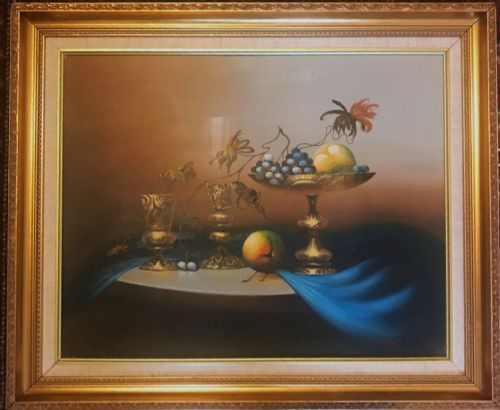
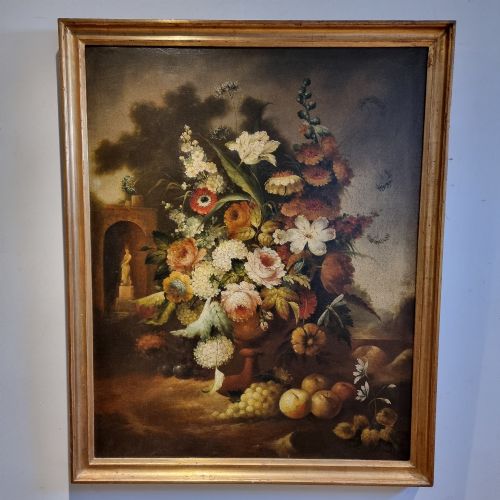
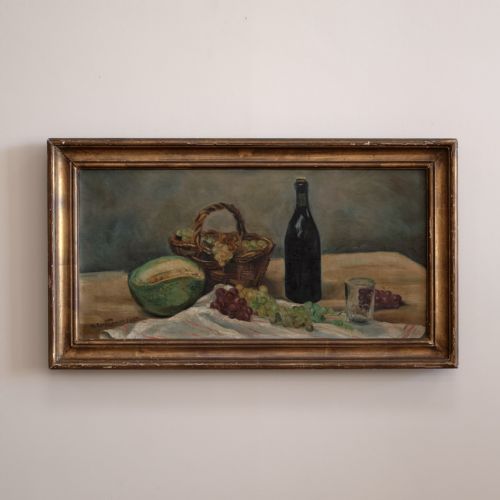
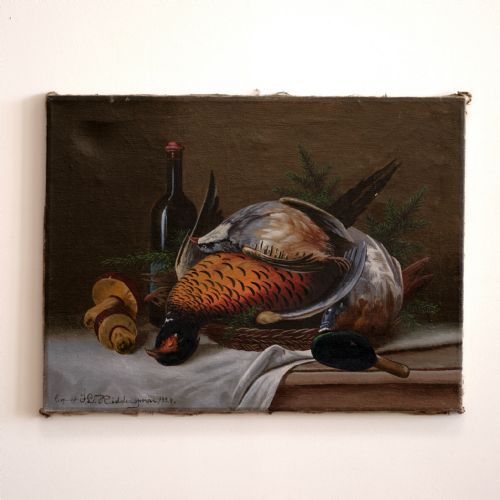
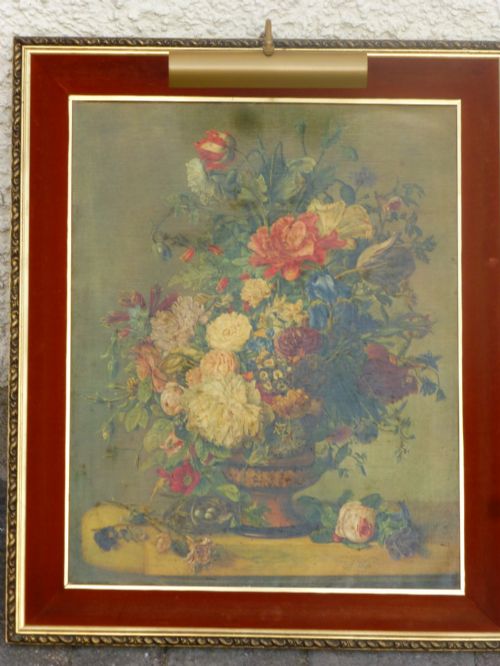
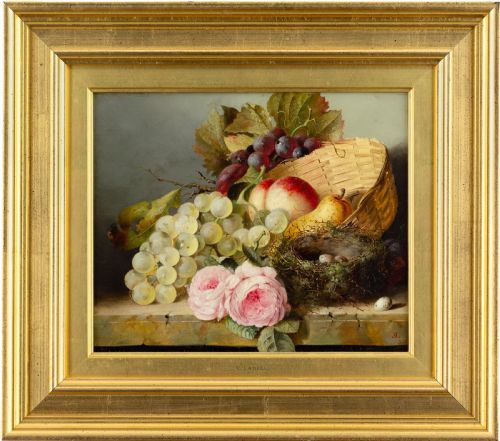
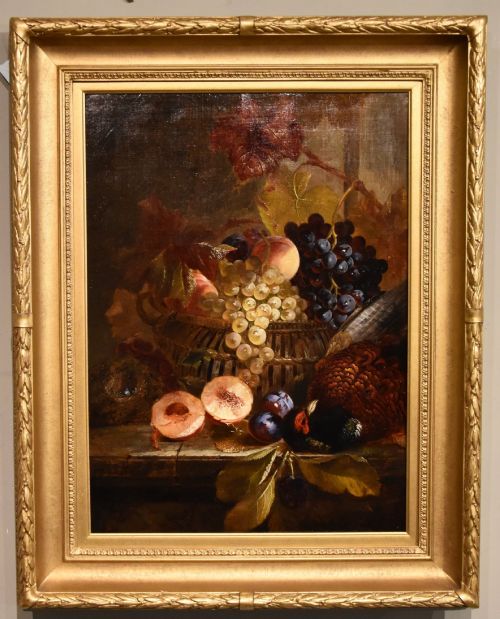
These traditional still life canvas works capture arranged flora, fruit and game in oil paint, offering timeless domestic interiors a focal point of quiet depth.
Traditional Still Life Canvas
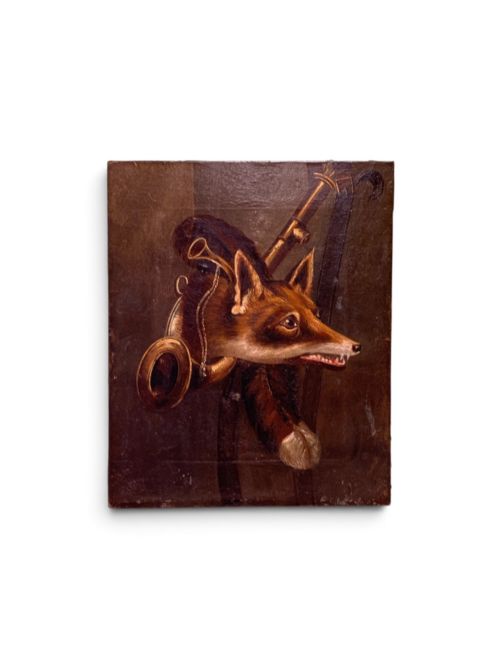
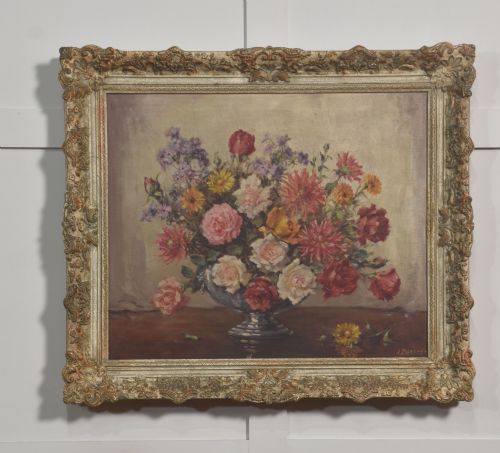
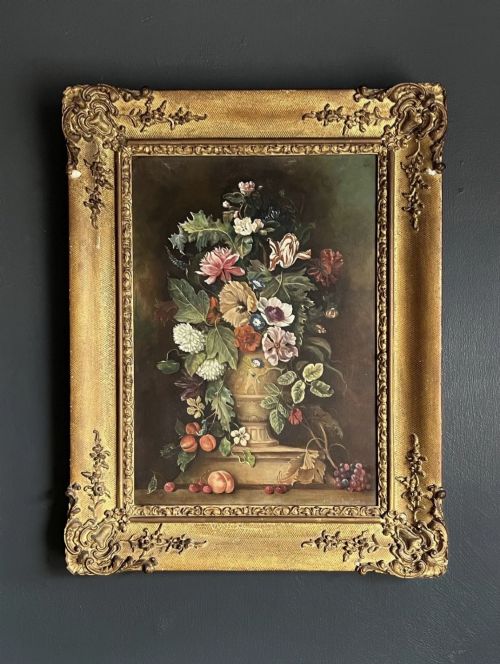
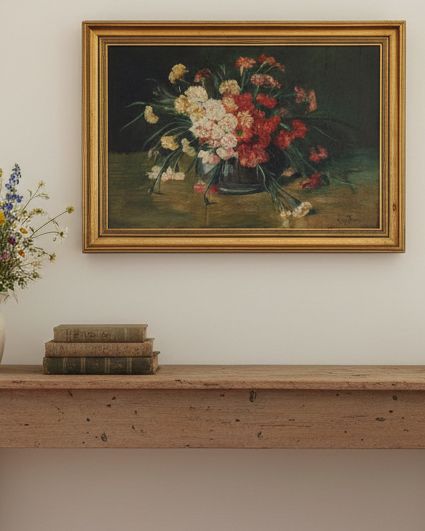
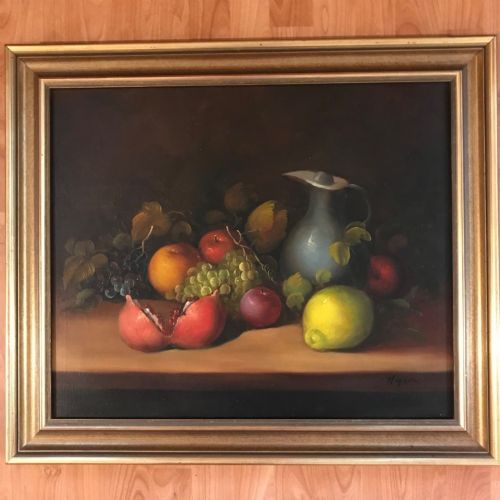
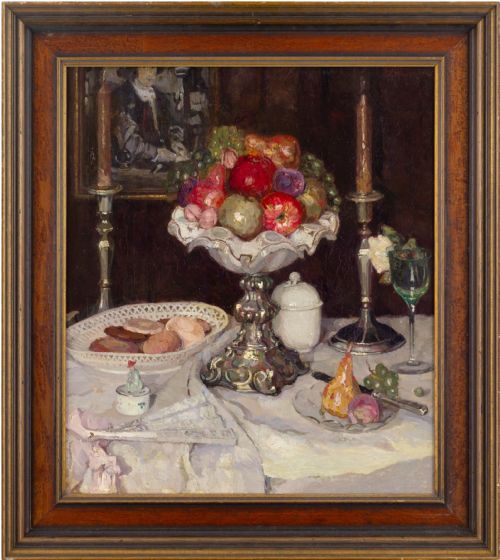
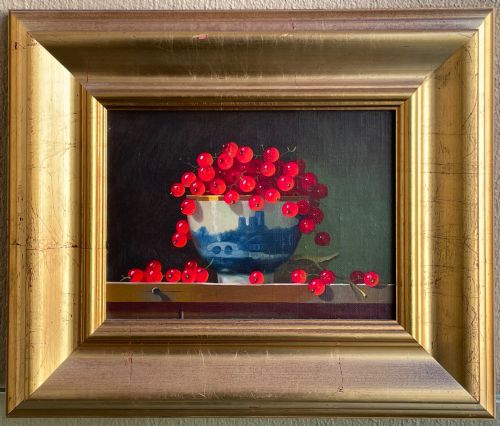
When searching for traditional still life canvas pieces, collectors encounter oil paintings depicting floral arrangements, fruit, and larder scenes across various periods. The selection on this page predominantly spans the nineteenth and twentieth centuries, featuring British, Dutch, and European schooling.
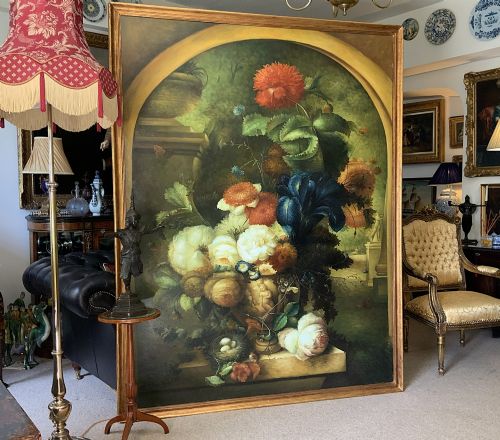
Subjects range from simple studies of roses and carnations to monumental floral compositions and game pieces styled after earlier centuries. These works appear mounted on canvas, sometimes housed within gilt gesso frames or incorporated into folding screens.
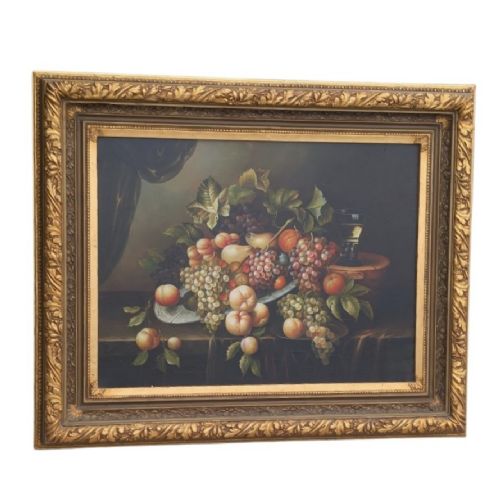
The aesthetic bridges classical realism and impressionistic handling, reflecting styles from Dutch Golden Age revivals to post-impressionism. Buyers frequently select these paintings to anchor period dining rooms or studies with established character.
Materials and construction
Artists built these compositions primarily using oil paint applied to woven canvas stretched over wooden frames, often supported by secondary wooden structures. The pigment layers were built up to create texture in flower petals, fruit skins, and foliage.
Many works are completed with gilt gesso frames, combining moulded plaster and gold leaf to accent the depth of the painted subject. Some pieces utilise oleograph techniques, employing mechanical print bases finished with painted details.
Support materials include panel and board alongside standard canvas, while larger formats employ robust timber stretchers to maintain stability across extensive surfaces.
Listings feature oil on canvas mediums alongside wood supports, gesso frames, and folding screens.
Variations in quality
Quality rests in the precision of brushwork and the naturalism achieved in rendering light across textures such as glass, fur, and petals. Masterly handling distinguishes subtle tonal gradations from mechanical stiffness.
The integrity of the canvas and the preservation of the original paint layer dictate the visual strength of the piece. Superior examples retain crisp detail without heavy overpainting or structural distortion.
Edward Ladell·William Henry Ward·Edwin Steele·William Duffield·Frans Snyders
The Traditional Still Life Canvas Glossary
- Canvas
- A heavy woven fabric used as a surface for oil painting. It is typically stretched tightly across a wooden frame before application.
- Gesso
- A plaster-like mixture applied to wooden frames as a base for gilding. It provides a smooth surface that accepts gold leaf.
- Oleograph
- A mechanical print textured to resemble an oil painting. These prints replicate brushstrokes across the surface.
- Dutch Golden Age Style
- An artistic approach emulating seventeenth-century Netherlands painting. It emphasises dramatic lighting and botanical precision.
Traditional Still Life Canvas: Frequently Asked Questions
What periods do these paintings date from?
The works span from the nineteenth century through the mid-twentieth century, with nineteenth-century examples and 1930s modernist pieces forming the core.
Later interpretations also adopt Dutch Golden Age aesthetics while employing twentieth-century framing and canvas preparation techniques.
How should I clean a canvas painting?
Surface dust can be removed gently using a very soft, dry brush without applying pressure to the pigment.
Chemical cleaners and moisture should be avoided entirely to prevent damage to the oil paint layers.
Are these works original or prints?
The majority of pieces listed are original hand-painted oil works on canvas, created directly by the artist.
A small number of entries comprise vintage oleograph prints that replicate traditional painted compositions.
How do I identify a gilt gesso frame?
Gilt gesso frames feature a moulded plaster layer applied over a wooden core, finished with thin metallic leaf.
This construction creates crisp decorative reliefs that frame traditional still life subjects.