






Mid Century Animal Painting
A mid century animal painting brings character to a room through varied depictions of domestic pets and wild beasts.
Mid Century Animal Painting
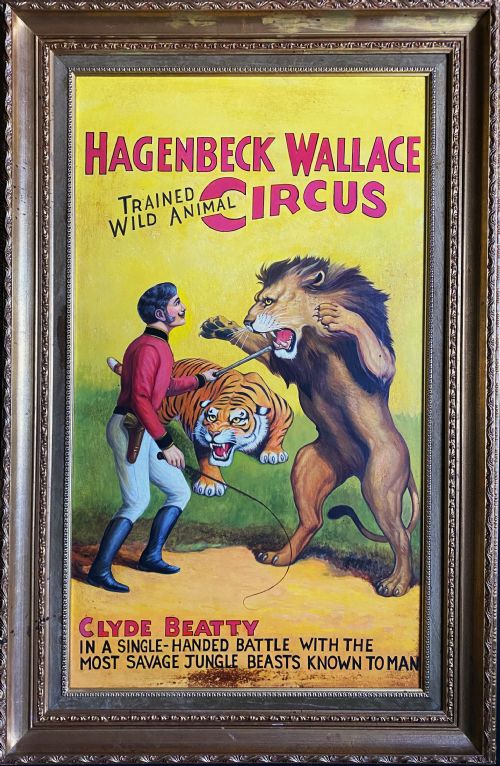
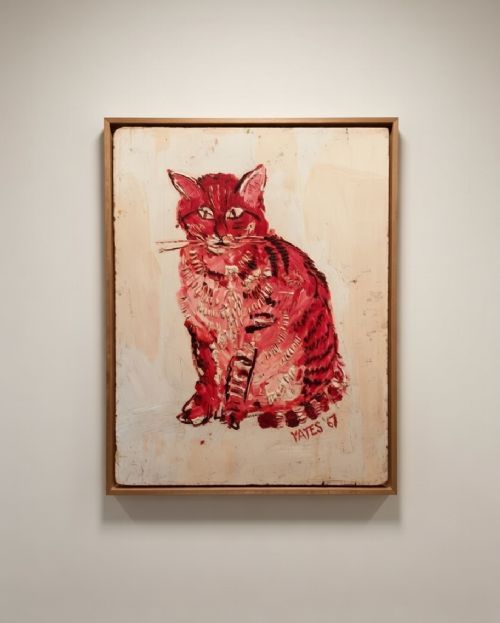
A mid century animal painting captures subjects ranging from domestic cats and dogs to circus lions and tigers. The selection spans domestic pets and wildlife depicted with distinct artistic intent.
The works originate across several decades, running from the nineteen thirties through to the nineteen sixties. Stylistic approaches cover traditional realism, expressionism, mid century modernism, and naive art.
Support mediums include canvas, wood panel, board, and paper. These foundations carry oil paint, watercolours, and mixed media compositions.
Materials and Methods
Artists employed oil paint on canvas, board, and wood panel to build texture and depth in their subjects. Watercolour and oil pastels appear on paper supports for lighter or more direct studies.
Execution styles vary from expressionist brushwork and modernist abstraction to detailed traditional realism and mid century illustration. Applied pigments capture the varied textures of fur, feathers, and form.
Circus lions and stylish cats share the canvas with boxing birds, proving mid century artists possessed wonderfully diverse imaginations.
Assessing Quality
The strength of the composition and the confidence of the brushwork separate standard decorative pieces from accomplished works of art. Expressive handling of the medium brings vitality to animal subjects.
Provenance and attribution to documented artists add distinction to individual pieces. The interplay between subject and background reveals the maker's mastery of tone and proportion.
Leon Kossoff·William McCance·Fred Yates·M.E.Hankinson·Irene Lagut
The Mid Century Animal Painting Glossary
- Oil Paint
- Pigment suspended in a drying oil, typically linseed oil, allowing for rich colour saturation and blended textures. It remains the predominant medium for these works.
- Wood Panel
- A rigid wooden support used by artists instead of canvas, offering a firm surface for detailed brushwork. Panels frequently appear in mid century works.
- Expressionism
- An artistic style where the artist seeks to express emotional experience rather than physical reality. Distorted forms and vigorous brushstrokes characterise this approach.
- Mid-Century Modernism
- A stylistic movement spanning the mid twentieth century that prioritises clean lines, abstraction, and simplified forms. It influences several paintings in this selection.
Mid Century Animal Painting: Frequently Asked Questions
What subjects appear most often?
Cats and dogs dominate the domestic animal subjects, alongside rabbits and birds. Wild animals such as lions and tigers also feature in larger compositions.
Folk scenes introduce other creatures, including mules and squirrels, alongside human figures in specific regional or narrative contexts.
Which materials were used?
Oil paint on canvas, board, and wood panel forms the majority of the surviving works. Paper supports carry watercolours, oil pastels, and mixed media drawings.
Framing varies considerably, with many pieces retaining original or period frames that complement the painting style.
How do I date these works?
Dates span from the nineteen thirties to the nineteen sixties, anchored by artist signatures, inscriptions, and distinct modernist or traditional styles. Mid-century modernist and expressionist markers help separate post war pieces from earlier decades.
Changes in palette and handling reflect the artistic shifts across the four decades represented in the evidence.
Where do these paintings fit at home?
Compact portraits on panel or board suit smaller wall spaces or tabletop display on shelves. Larger canvas works function well as focal points in living areas.
Diverse framing styles allow these artworks to integrate into both traditional interiors and modern minimalist settings.