


Traditional Stationery Desk
A traditional stationery desk keeps your papers in order with the quiet dignity of nineteenth-century craftsmanship.
Traditional Stationery Desk
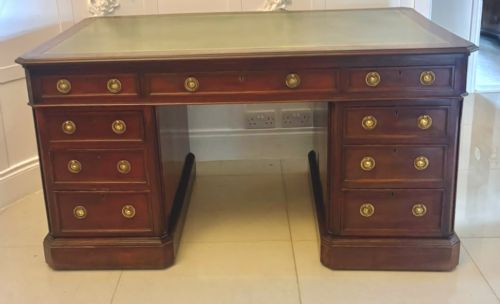
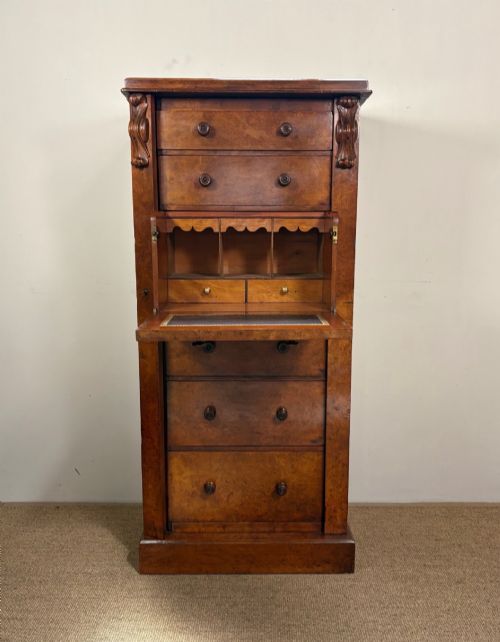
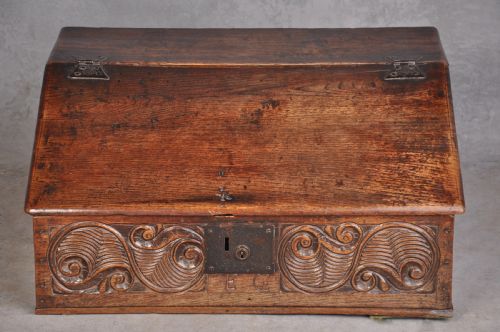
A traditional stationery desk encompasses everything from compact Davenport writing desks and slope boxes to oak stationery cabinets and pedestal kneeholes. These pieces emerge chiefly from nineteenth-century Victorian workshops, alongside Edwardian and seventeenth-century examples.
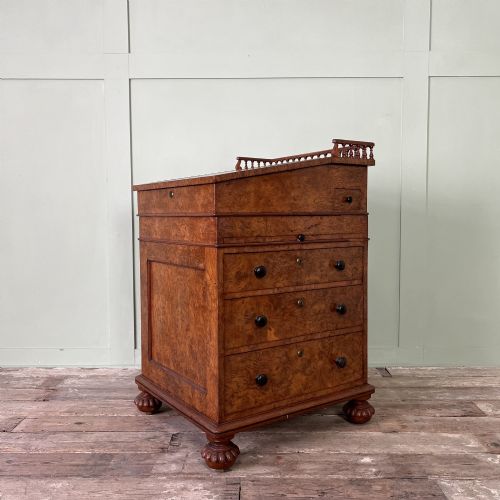
The version you are most likely to meet on this page is the Victorian Davenport, typically rendered in burr walnut, mahogany, or rosewood. These compact writing desks incorporate fitted stationery drawers, internal compartments, and sloping writing surfaces.
Beyond the standard Davenport, the selection extends to oak desk tidies, letter racks, campaign desks, and freestanding kneehole desks. Each form addresses the Victorian obsession with organised correspondence and correspondence storage.
Construction and Materials
Cabinet makers utilised dense hardwoods such as mahogany, oak, walnut, and rosewood, frequently enhancing surfaces with burr walnut veneers and marquetry inlay. These primary timbers provide both structural integrity and deep, figured grain patterns.
Working components incorporate secondary materials including brass hardware, leather writing inserts, and mother-of-pearl accents. Drawers feature traditional joinery, while fitted stationery compartments organise letters and documents within the desk superstructure.
The listings show nineteenth-century Victorian desks alongside earlier seventeenth-century oak pieces, demonstrating centuries of British cabinet making.
Distinctions in Quality
Quality rests upon the choice of timber and the precision of the veneer work, particularly in burr walnut and marquetry inlaid pieces. Superior examples display continuous grain matching and meticulous brass or mother-of-pearl detailing.
Internal configuration and mechanical cleverness separate standard items from finer works. A well-designed stationery interior with secret compartments, smooth-running drawers, and integrated pen holders reflects the maker's original ambition.
Gillow & Co
The Traditional Stationery Desk Glossary
- Davenport
- A small compact desk featuring a sloping writing surface above a pedestal of drawers. This form became immensely popular during the Victorian period for ladies' correspondence.
- Writing Slope
- A portable box with a hinged sloping lid that opens to reveal a velvet or leather-lined writing surface and compartments for ink and paper.
- Stationery Cabinet
- A tabletop or desk-mounted cabinet designed specifically to hold envelopes, writing paper, and letters in vertical slots or small drawers.
- Standish
- An inkstand or desk tidy holding inkwells, pen holders, and sanders for writing implements. These accessories sit upon the desk top for daily use.
- Campaign Desk
- A modular desk designed to be easily dismantled and transported for military use. They are characterised by flush brass handles and protective corner brackets.
Traditional Stationery Desk: Frequently Asked Questions
What is a Davenport desk?
A Davenport desk is a compact form combining a small writing slope with a pedestal of drawers underneath. It was designed in the nineteenth century to save space while providing dedicated storage for stationery.
The sloping top often lifts or slides to reveal an organised interior filled with small drawers and pigeonholes for letters and writing materials.
How do I use a stationery cabinet?
A stationery cabinet sits upon a desk or table to keep writing paper, envelopes, and documents neatly sorted in upright compartments. They bring traditional order to modern correspondence.
Opening the doors or drop-front reveals the internal shelving designed specifically for paper storage.
Are these desks suitable for daily laptop work?
Many traditional writing desks and slopes accommodate modern laptops quite well, provided the writing surface dimensions match your computer size. The internal compartments serve equally well for modern desk accessories.
Leather or velvet writing surfaces benefit from a protective blotter if used heavily with modern technology.
How do I date a Victorian desk?
Dating relies on identifying timber choices, construction methods, and stylistic markers such as Arts and Crafts influences or Victorian marquetry. The presence of secondary woods and brass hardware also provides chronological clues.
Cabinet construction evolved through the nineteenth century from hand-cut dovetails towards machine assistance, helping to narrow the decade of origin.
What maintenance do wood and leather require?
Wooden surfaces require occasional application of traditional wax to nourish the grain and preserve the polish. Avoid placing them in direct sunlight or near heat sources.
Leather writing inserts need gentle cleaning and occasional conditioning to prevent drying and cracking over time.