



Traditional Square Coffee Table
A traditional square coffee table anchors a room with balanced proportions, offering low surface utility built from timber, elm, mahogany, walnut, or pine.
Traditional Square Coffee Table
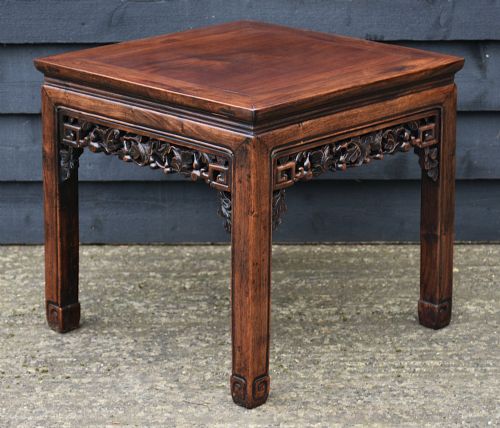
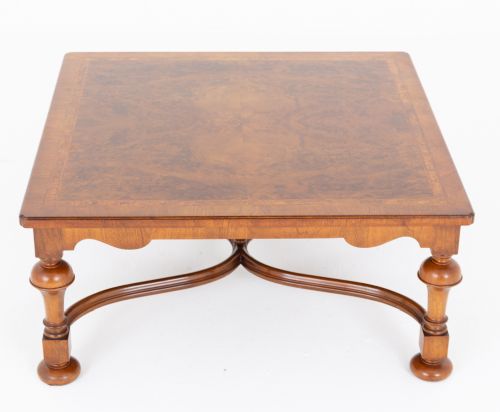
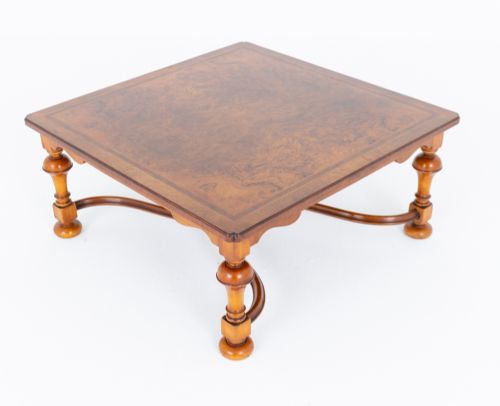
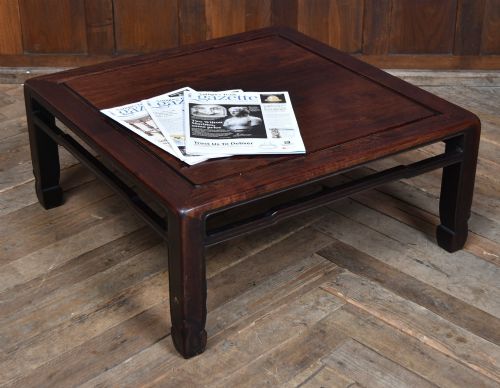
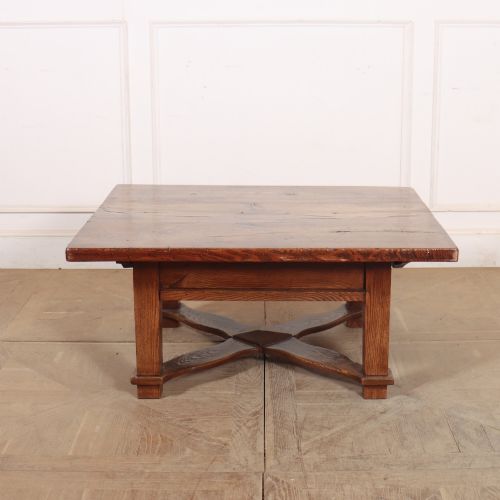
A traditional square coffee table brings balanced proportion to seating arrangements, often built from sturdy timbers like mahogany, walnut, elm, and pine. These low tables serve central living spaces with robust surfaces derived from historical forms, including country styles, revival pieces, and low tables adapted from other uses.
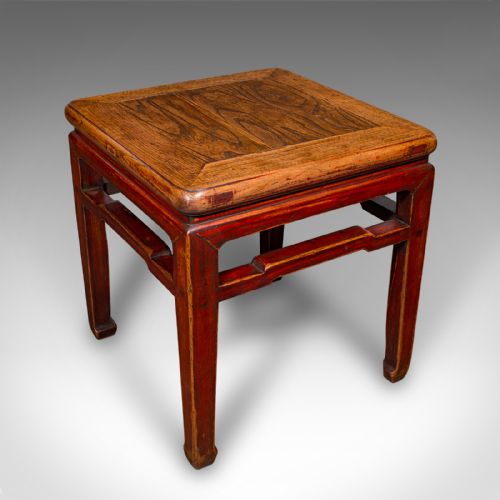
The selections available include low tables and occasional pieces spanning the eighteenth, nineteenth, and early twentieth centuries. Many originate from English, Austrian, and Chinese traditions, showing distinct regional woodworking methods and timber choices.
Materials and construction
Makers utilised dense hardwoods such as mahogany and walnut, alongside resilient domestic timbers like elm, fruitwood, and pine. Tables frequently feature brass hardware or leather upholstery inserts to complete the design.
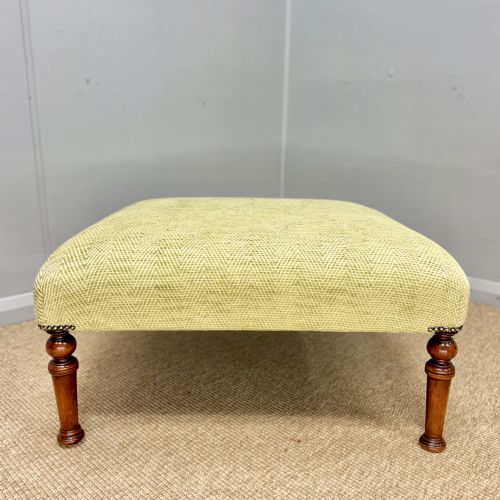
Joinery methods reflect the period of production, utilising solid wood panels, caned tops, and upholstered surfaces set upon sturdy frames. Surfaces are finished to highlight the natural grain of burr walnut, rosewood, and padouk.
Some tables began life close to the floor for serving tea rather than holding magazines.
Assessing quality
The division between standard pieces and superior examples lies in the selection of timber and the precision of the joinery. Figured veneers, such as burr walnut, and dense hardwoods like rosewood indicate greater workshop ambition.
Proportion and execution distinguish finer items, where structural stability meets refined carving or balanced upholstery. Original surfaces and retained secondary timbers elevate an example above later alterations.
Gillows of Lancaster
The Traditional Square Coffee Table Glossary
- Carolean style
- A revival design echoing the decorative arts of the reign of King Charles II, characterised by rich walnut framing and elaborate woodwork.
- Padouk
- A heavy, durable tropical timber with a reddish hue utilised in fine cabinet making.
- Burr walnut
- Timber taken from a walnut tree growth, prized for its swirling, highly figured grain patterns on tabletops.
- Chabudai
- A traditional low table used in Japanese homes for serving tea and dining while kneeling.
Traditional Square Coffee Table: Frequently Asked Questions
What is a traditional square coffee table?
A traditional square coffee table is a low piece of furniture designed for central placement in a reception room. These tables provide a stable surface for everyday items while establishing a symmetrical focal point.
They appear in various historic styles, ranging from rustic country elm to formal walnut revival designs.
How were these tables used historically?
Many tables served multiple functions in domestic interiors, operating as tea tables, low support surfaces, or adapted seating furniture. Upholstered variants often doubled as footstools or centre stools within large country houses.
Their low height accommodated traditional seating arrangements and specific domestic rituals across different cultures.
How do I tell periods apart?
Differentiating periods relies on observing timber selection, construction techniques, and stylistic revival markers. Eighteenth-century pieces often display simpler, robust country timbers, while nineteenth-century examples may incorporate exotic woods and revival motifs.
Detailed joinery and hardware styles further clarify the likely decade of manufacture.
How do I live with antique low tables?
Living with antique low tables involves balancing historical character with daily domestic use. Using coasters and protective pads preserves polished wood and leather surfaces from accidental marks.
Positioning these tables away from direct heat sources prevents timber movement and maintains the integrity of the finish.