

Traditional Sports Art
Traditional sports art captures the enduring spirit of equestrian life, field sports, and canine companionship through centuries of brushwork and printmaking.
Traditional Sports Art
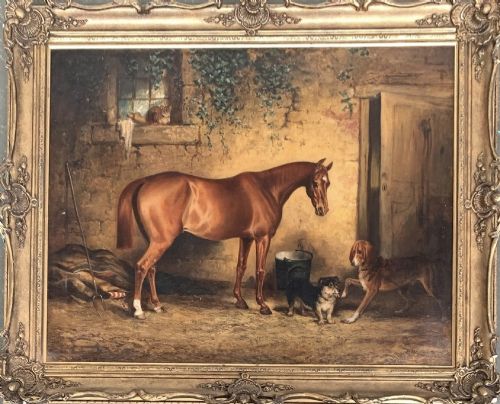
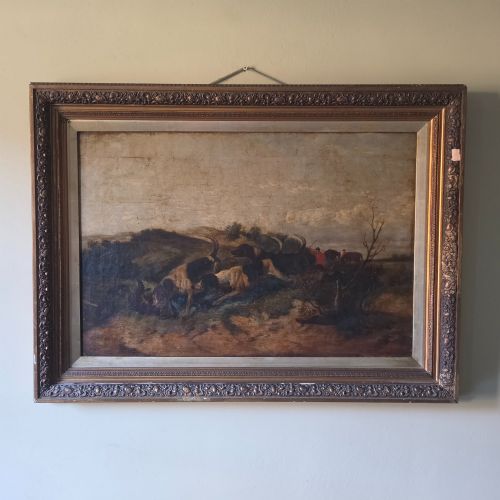
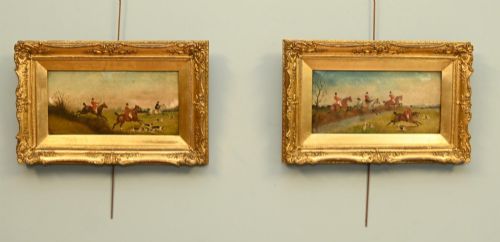
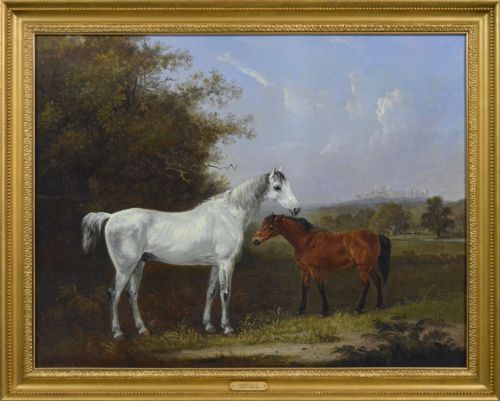
Traditional sports art encompasses oil paintings, lithographs, and engravings focusing on equestrian scenes, horse racing, fox hunting, and gun dogs. These pieces record the animals, riders, and rural pursuits that engaged collectors from the eighteenth century into the mid-twentieth century.
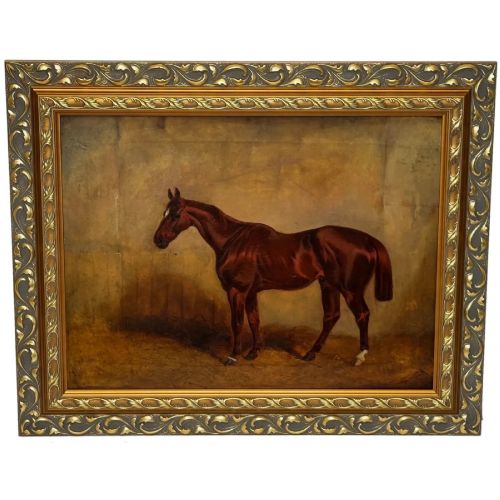
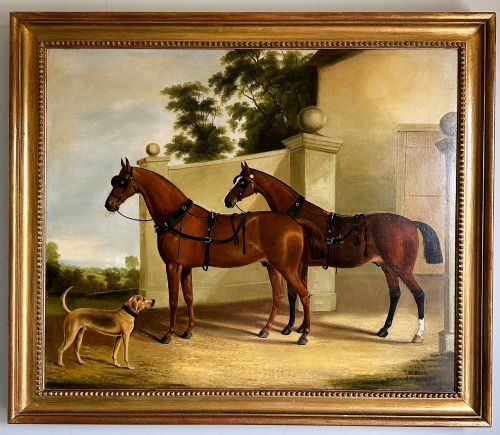
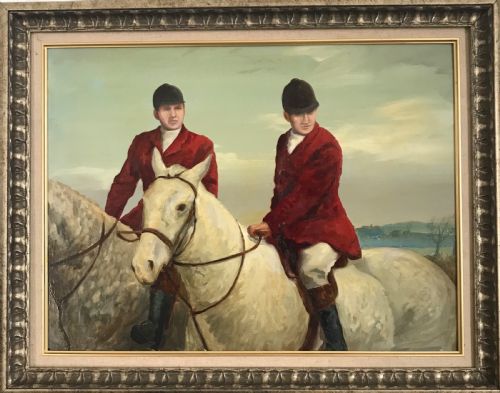
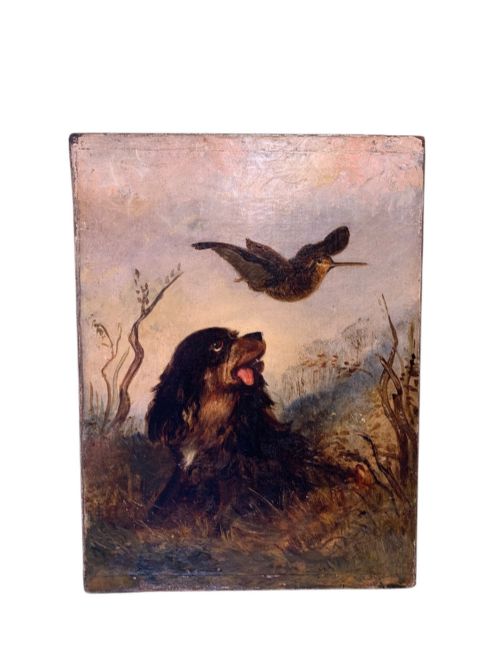
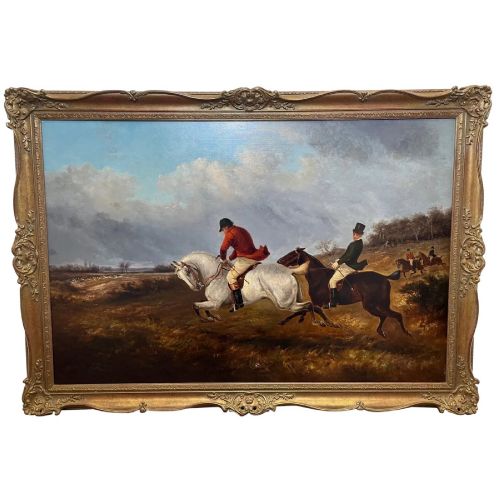
The most common examples on this page are nineteenth-century oil paintings on canvas and framed prints depicting horses, hounds, and shooting parties. Works range from intimate portraits of named racehorses and spaniels to expansive coaching scenes and hunting meet compositions.
Makers and subjects span Victorian sporting art and early twentieth-century depictions, often framed in gilt wood or simpler wooden mouldings. Buyers encounter both signed canvases by recognised animaliers and unsigned works reflecting the broader aesthetic of British field sports.
Materials and methods
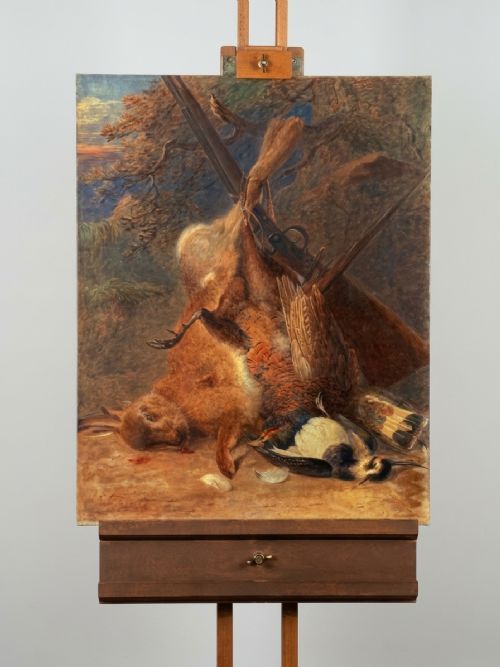
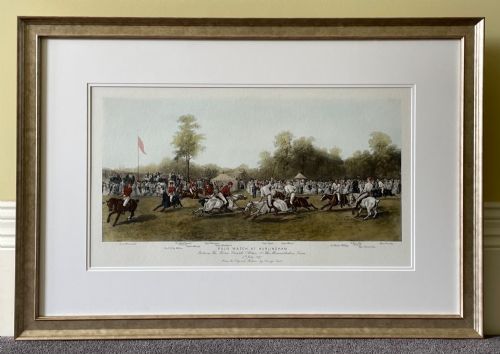
Painters utilised oil paint on canvas, paper, or pine panels to build rich coats on horses, feathered game, and rugged hounds. Artisans also employed lithography and hand-coloured engraving on paper to reproduce popular sporting compositions for broader distribution.
Gilt wood and giltwood frames protect and define many of these works, utilising traditional moulding techniques to complement the oil paintings and prints within. Glass is frequently fitted over paper prints and lithographs to prevent environmental degradation.
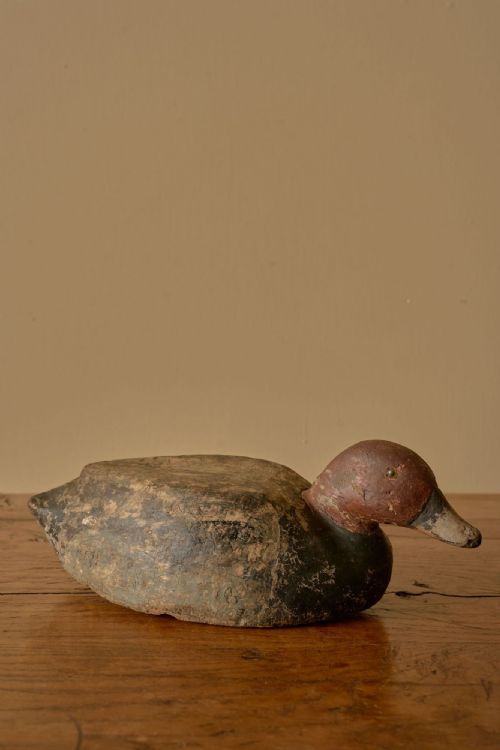
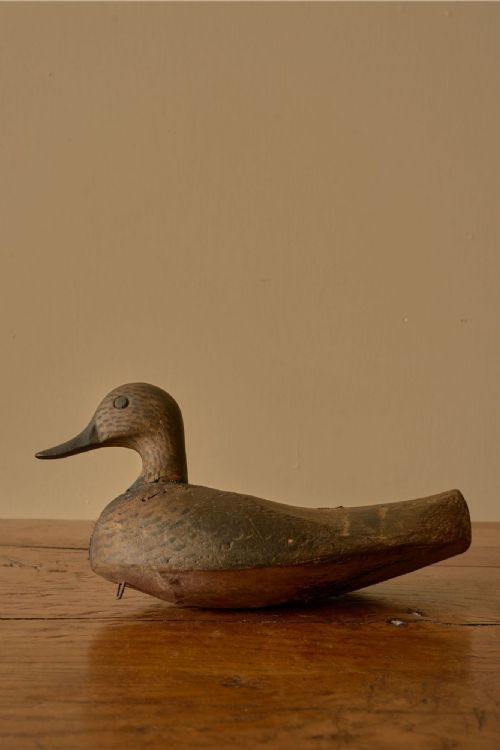
Object forms include oil paintings on panel or canvas, hand-coloured engravings, lithographs, and painted wooden duck decoys.
Distinctions in quality
Superior quality in traditional sports art rests upon anatomical accuracy, dynamic posture, and the artist's ability to render the distinct texture of horse hair, fur, and plumage. Weaker examples often rely on stiff, formulaic rendering of animals without individual character.
The sophistication of the background landscape and the handling of light contribute heavily to a work's standing, separating hurried commercial pieces from carefully observed portraits by skilled practitioners.
Thomas Smythe·John Sargent Noble·George Wright·William Albert Clarke·C. H. Weigall·Ernest Payne·Thomas Walker Bretland·John Frederick Herring Snr·John Arthur Lomax·Albert Clark·Benjamin Blake·Basil Nightingale·William Barraud·William Williams·Abraham Cooper·Philip Henry Rideout
The Traditional Sports Art Glossary
- Lithography
- A planographic printing process utilising a stone or metal plate to produce multiple impressions on paper. This technique allowed nineteenth-century publishers to widely distribute sporting prints after prominent painters.
- Eglomise
- A technique where a design is painted and gilded on the reverse side of glass. It appears in reproduction decorative pieces imitating earlier aesthetics.
- Aquatint
- A printmaking method that produces tonal areas resembling watercolour washes. It was frequently used for illustrated books and sporting plates.
- Giltwood
- Wood that has been carved and coated with gold leaf or a gold-coloured finish. Frames built this way were standard for presenting fine oil paintings in period interiors.
- Decoy
- A carved or painted wooden object shaped like a bird or waterfowl. These practical items double as folk art within sporting collections.
Traditional Sports Art: Frequently Asked Questions
What subjects appear in traditional sports art?
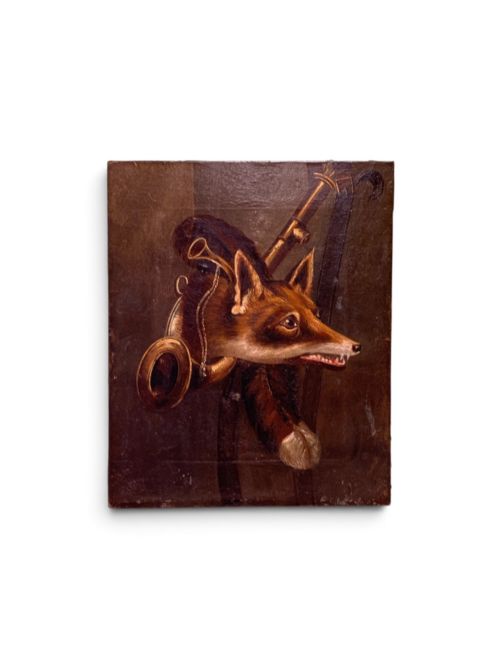
These works primarily feature racehorses, hunters, gun dogs such as spaniels and labradors, and game birds like woodcock and pheasants. Scenes often capture specific moments from fox hunting, horse racing, hare coursing, and coaching.
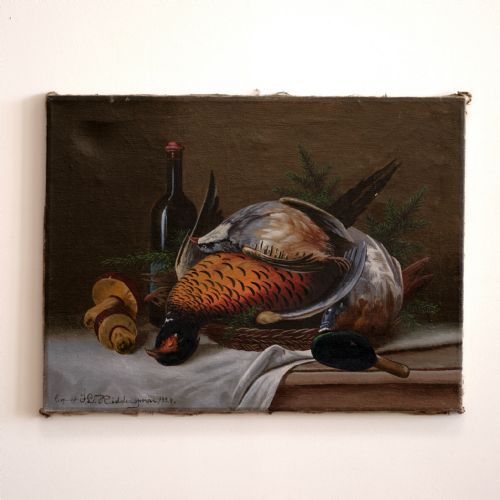
Artists also produced still life arrangements incorporating game animals and hunting gear alongside domestic interiors.
How do I date an oil painting of a horse?
Dating relies on examining the canvas preparation, stretcher construction, framing style, and the clothing or tack worn by the figures. Signature styles and biographical dates of the artist provide the most concrete chronological anchor.
Stylistic shifts in equine representation, from the more robust Georgian proportions to the refined Victorian and Edwardian builds, also offer clues.
Are these pieces original works or prints?
The selection includes both unique hand-painted oil canvases and printed works on paper. Lithographs, engravings, and hand-coloured prints were common ways to reproduce popular compositions by artists like John Frederick Herring Snr.
Examining the surface under magnification reveals whether pigment sits directly on canvas or wood, or if ink dots and paper textures indicate a printed medium.
How should I display framed sporting art at home?
These paintings and prints look best hung on walls with stable humidity and away from direct sunlight to protect oil paint and paper from fading. Traditional giltwood frames pair well with wood-panelled rooms or classic neutral wall colours.
Ensuring adequate spacing allows each equestrian portrait or hunting scene to be viewed individually without visual clutter.