

Traditional Sporting Paintings
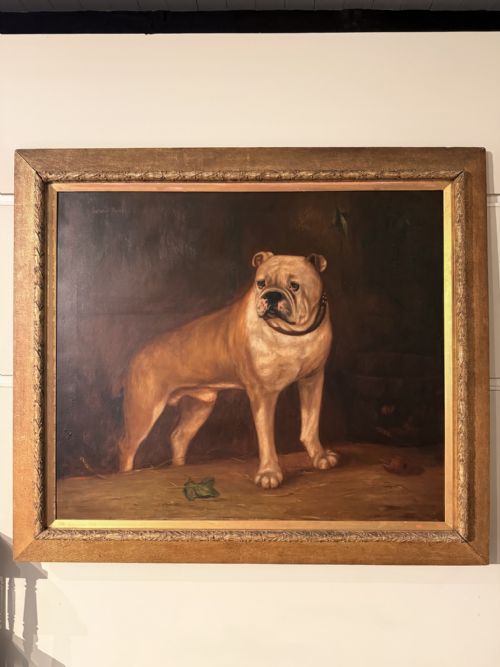
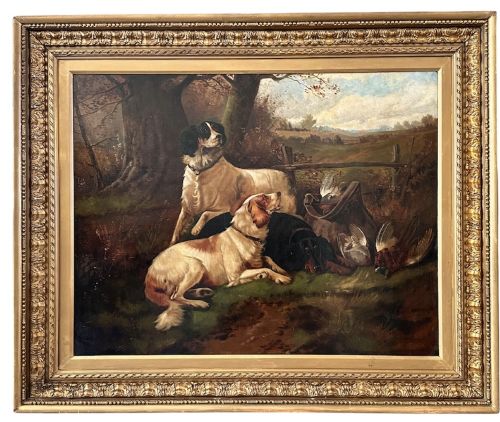
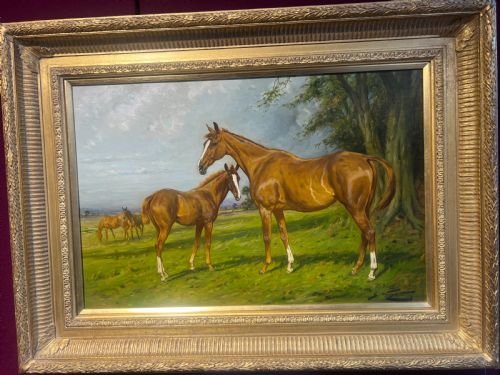
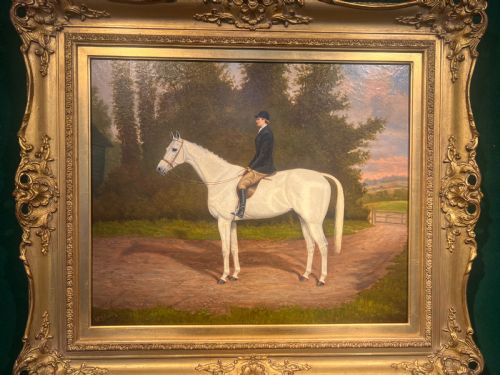
Traditional sporting paintings capture the horses, hounds and field sports central to rural British life across the nineteenth and early twentieth centuries.
Traditional Sporting Paintings
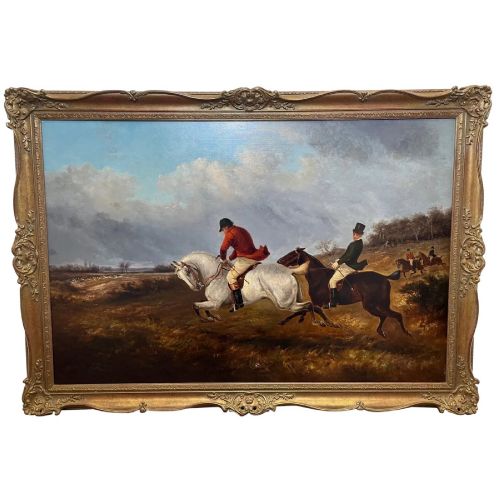
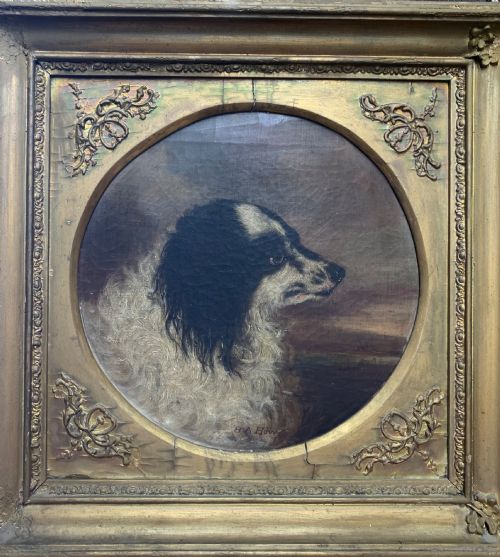
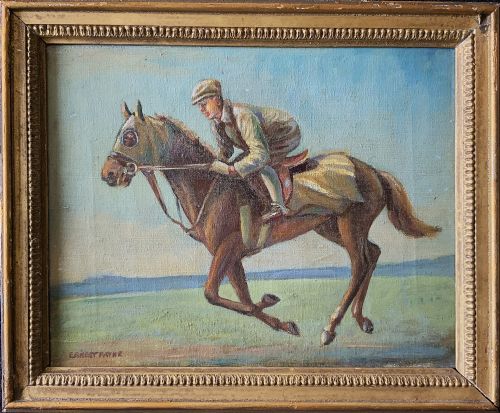
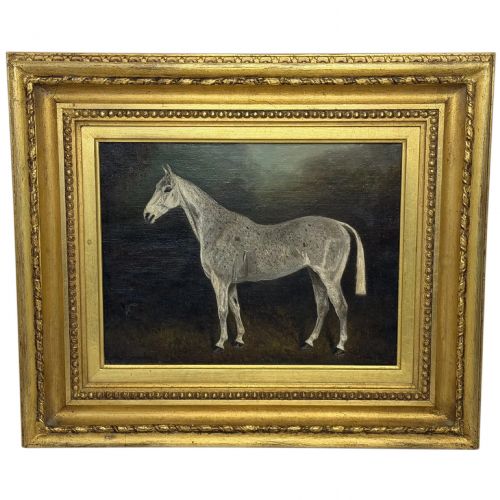
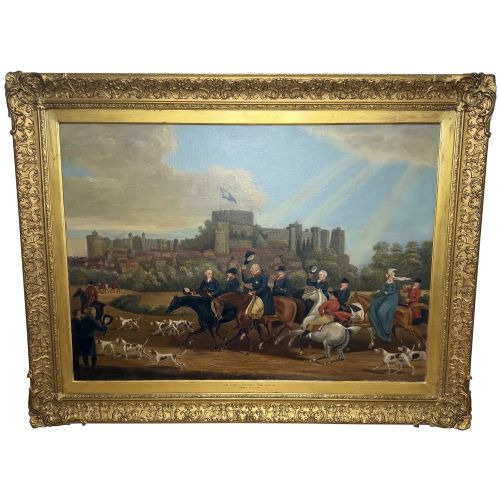
Traditional sporting paintings record prized horses, working gun dogs, and scenes of the hunt from the eighteenth to the mid-twentieth century. Buyers seek these canvases to anchor country house interiors with historical equestrian and field sports subjects.
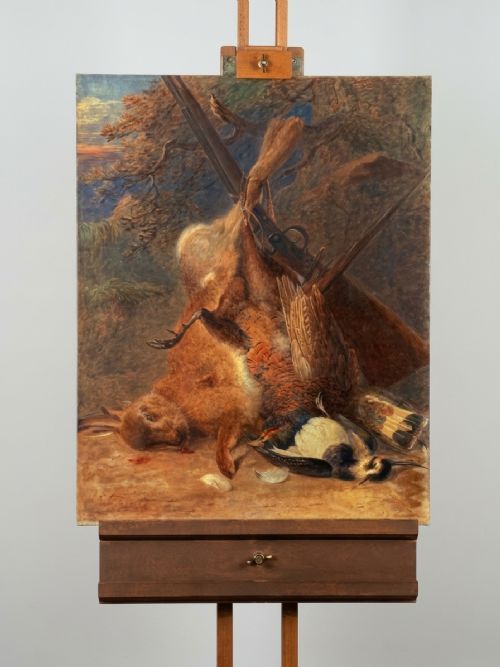
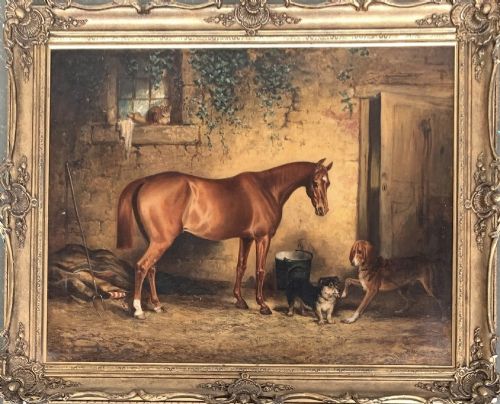
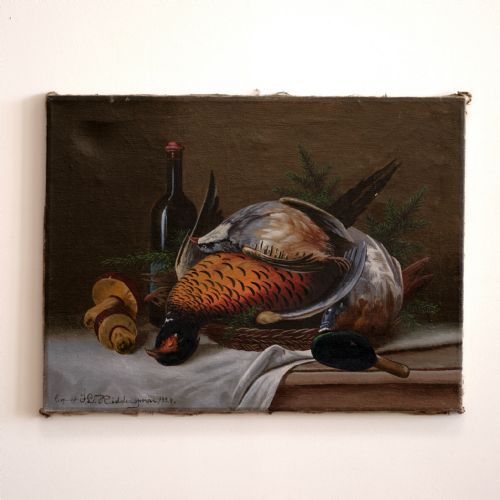
The works on this page lean heavily towards nineteenth-century Victorian pieces, alongside Edwardian and mid-century examples. Common subjects include solitary portraits of bay hunters, coaching scenes, and detailed studies of game and hounds in rural landscapes.
How They Were Made
Painters used oil paint on canvas or wood panels, building up rich coats of pigment to capture the gleam of a horse's coat and the textures of a hunting dog's fur. Some works employ watercolour and bodycolour on paper, while framing often relies on gilt wood or giltwood surrounds.
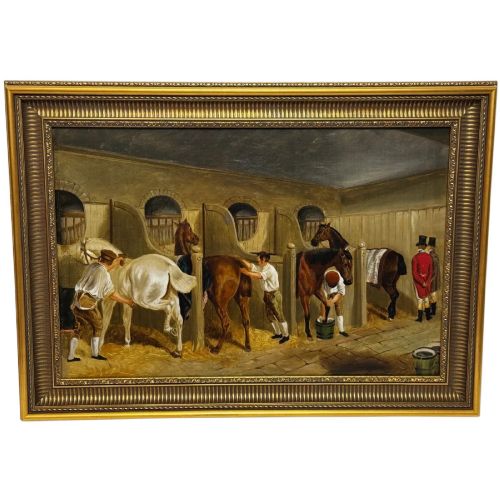
Artists worked from direct observation in stables and hunting fields, sometimes employing preparatory sketches before finishing the composition in the studio. Certain pieces utilise wood panels for smaller scale works, while larger exhibition canvases demand sturdy canvas stretched over wooden frames.
Listings feature oil on canvas, wood panels, and watercolours spanning the Georgian, Victorian, and Edwardian periods.
What Varies in Quality
Anatomy and movement separate standard equine depictions from masterworks by named painters who understood horse conformation and hound proportions. The rendering of light across a stable interior or open hunting field reveals the technical skill behind the brushwork.
The depth of provenance and the historical documentation linking a canvas to specific trainers, owners, or hunts elevate the significance of individual pieces. Original gilt framing that complements the period of the painting also influences the overall integrity of the work.
George Sydney Shepherd·Henry Barraud·Thomas Smythe·George Wright·Ernest Payne·Thomas Walker Bretland·John Frederick Herring Snr·Benjamin Blake·Albert Clark·John Sanderson Wells·Basil Nightingale·William Barraud·William Williams·Abraham Cooper·Philip Henry Rideout·George Armfield·Edward Lloyd of Ellesmere·George E Sharpe
The Traditional Sporting Paintings Glossary
- Bodycolour
- Watercolour mixed with white pigment to produce an opaque finish that gives depth to painted details like horse markings and clothing.
- Eglomise
- A technique where cold painting and gilding are applied to the rear face of glass to create a reflective, decorative border or panel.
- Giltwood
- Timber carved and coated with a thin layer of gold leaf, commonly used for traditional picture frames housing nineteenth-century canvases.
- Conformation
- The physical build and anatomical structure of a horse or dog, which skilled equine artists rendered with strict accuracy.
- Provenance
- The documented history of ownership that traces a painting from its creation to its current location on the art market.
Traditional Sporting Paintings: Frequently Asked Questions
What subjects appear in traditional sporting paintings?
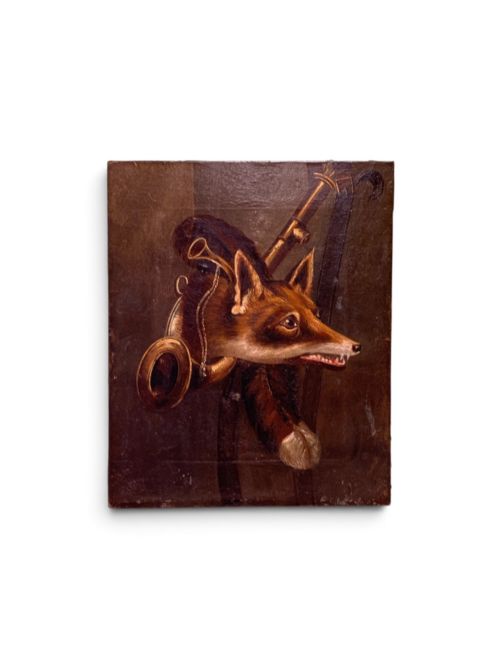
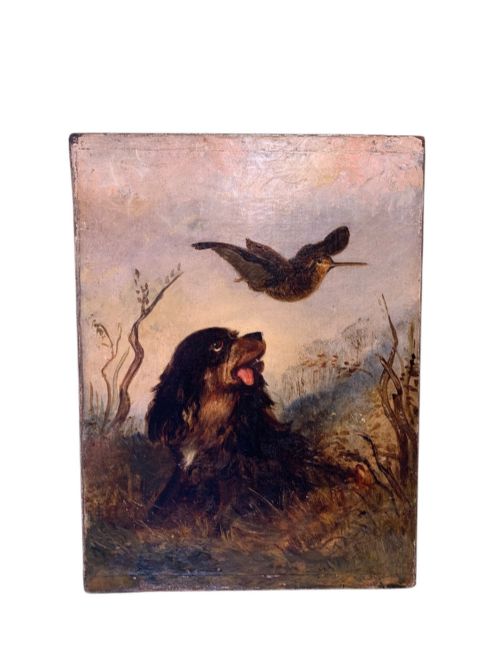
These canvases portray prized racehorses, hunters, gun dogs such as spaniels, and game including hares and woodcock. Scenes also encompass fox hunting packs, coaching parties, and rural country sports.
Commissioned portraits of specific animals belonging to prominent owners frequently form the core of these historical collections.
How can I tell a Victorian sporting painting from an Edwardian one?
Victorian examples often feature dramatic narrative compositions of the hunt, dark stable backdrops, and precise anatomical studies of horses and hounds. Edwardian and later twentieth-century works tend towards looser brushwork and brighter palettes.
Examining the canvas preparation, framing style, and artist signature dates helps confirm the precise era of creation.
How were these paintings displayed originally?
Owners hung these artworks in country house dining rooms, libraries, and estate halls alongside trophies and hunting memorabilia. Heavy giltwood frames provided a formal boundary that complemented wood-panelled walls and heavy furnishings.
Today, collectors place them in similar domestic settings to maintain a traditional British aesthetic.
Who painted these sporting scenes?
Specialist artists trained in animal anatomy documented the estates and stables of wealthy patrons across Britain. Many painters exhibited at major institutions while maintaining direct ties to regional hunts and breeding studs.
Names ranging from renowned Victorian specialists to local portraitists populate the historical record of this genre.