


Traditional Sporting Oil Artwork
Traditional sporting oil artwork captures the vigour of the hunt, the pedigree of prized horses and the loyal gaze of working gun dogs.
Traditional Sporting Oil Artwork
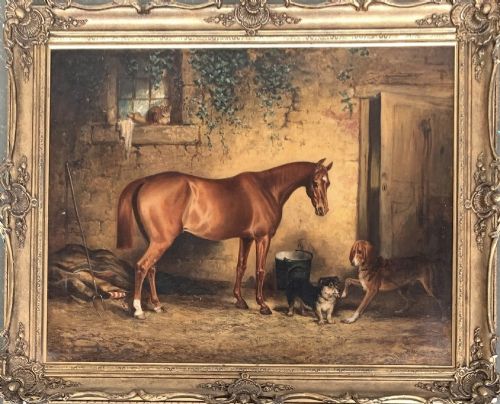
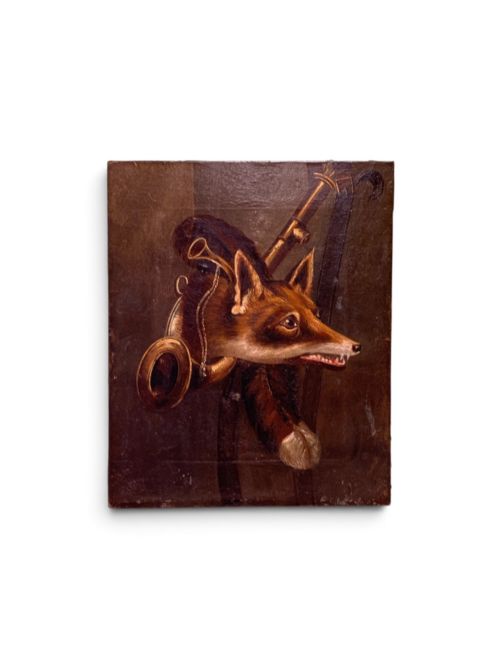
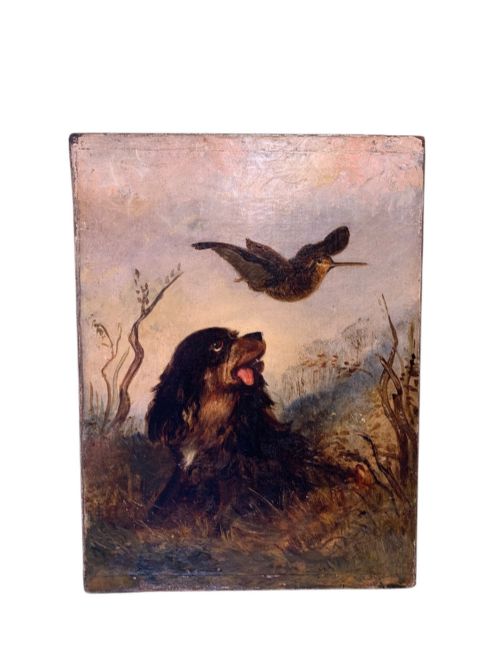
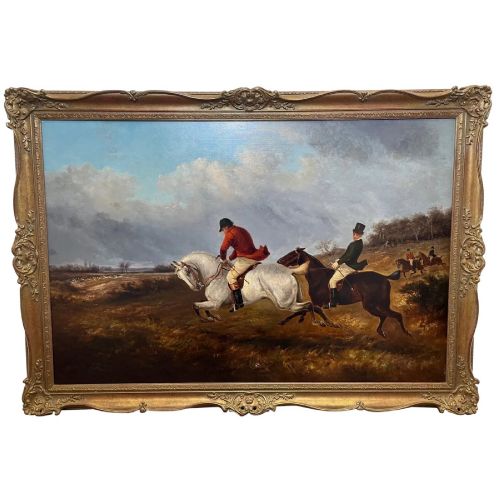
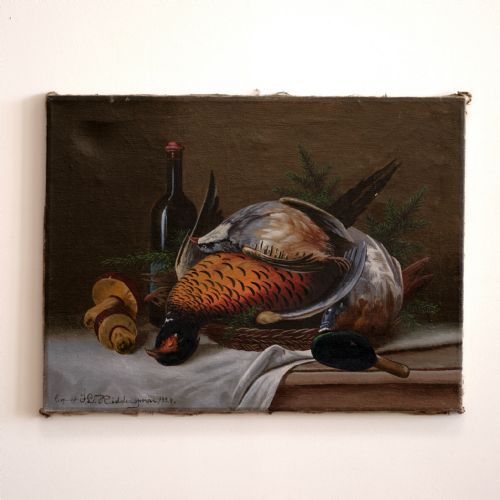
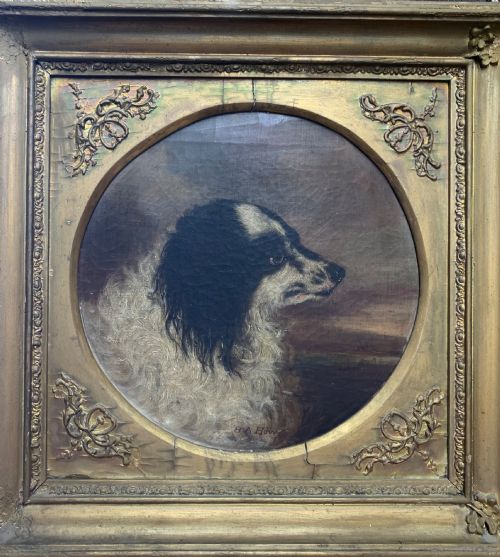
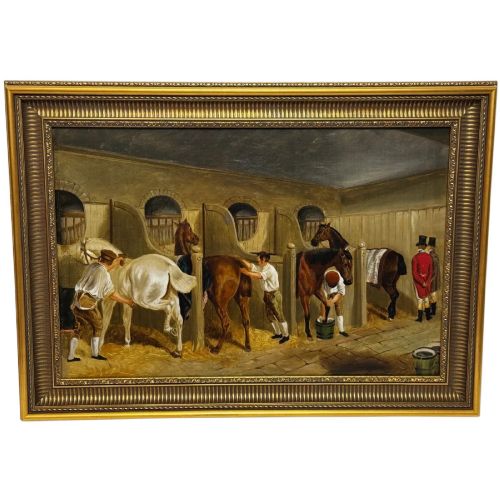
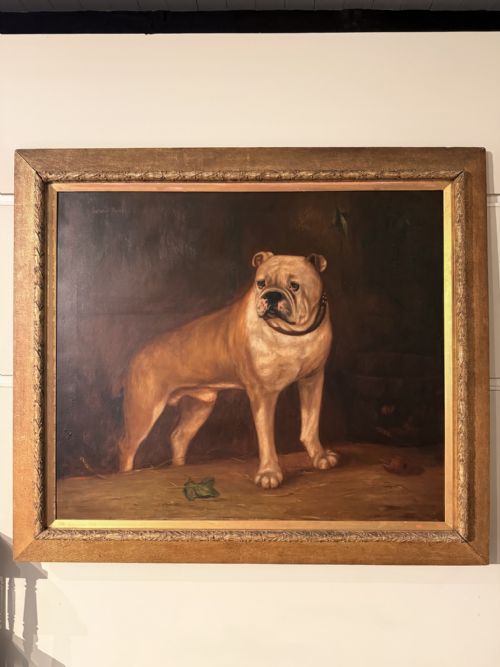
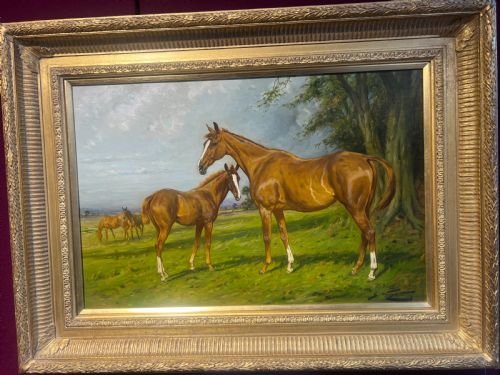
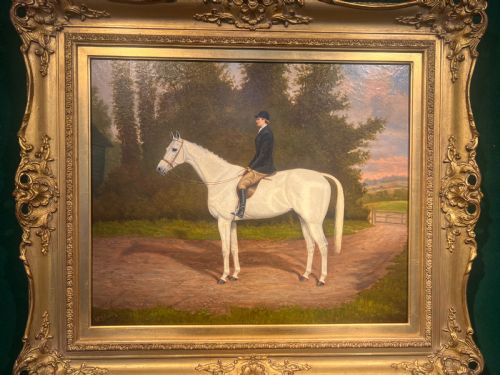
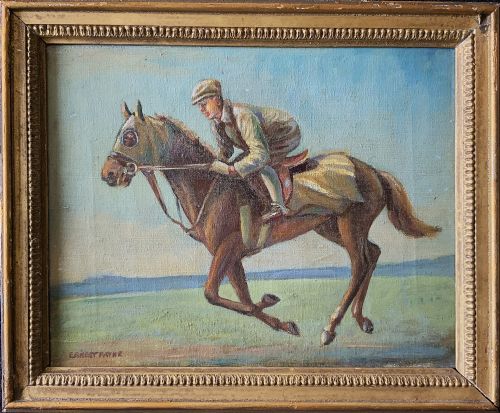
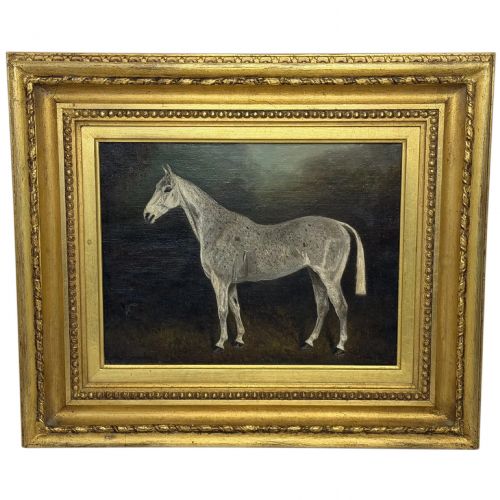
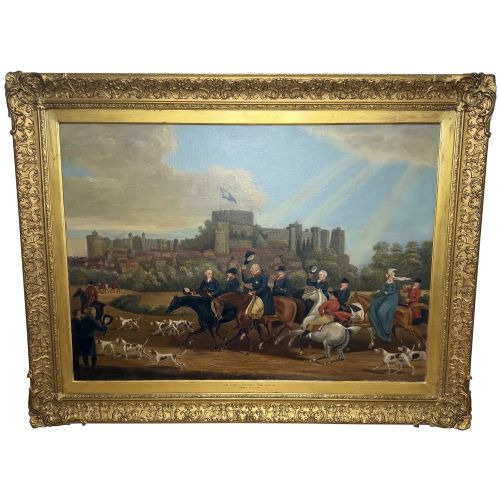
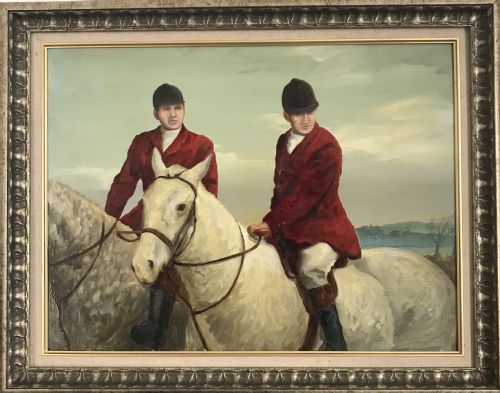
Traditional sporting oil artwork encompasses framed paintings on canvas and wood panel depicting equine subjects, gun dogs and countryside pursuits. These pieces range from detailed nineteenth-century portraits of named racehorses and hunting hounds to mid-twentieth-century rural genre scenes.
Buyers encounter Victorian horse portraits, hunting studies from the Berkeley Hunt, and depictions of spaniels, setters and retrievers alongside game. The selection spans works created across the eighteenth, nineteenth and twentieth centuries.
Materials and construction
These works are executed in oil paint upon stretched canvas or solid wood panel, often housed within gilt wood frames. Pigments were layered to render the gloss of an equine coat or the texture of a hound's fur against rural landscapes.
Surfaces display the physical characteristics of their period, from the fine weave of nineteenth-century canvas to pine panels used in earlier eighteenth-century compositions.
Listings feature oil paintings executed on canvas and wood panel across the eighteenth, nineteenth and twentieth centuries.
Distinctions in quality
Quality rests upon the artist's anatomical precision in rendering horses and dogs, alongside the atmospheric depth of the surrounding landscape. Skilled brushwork captures movement in galloping hunters and the alert posture of gun dogs with notable clarity.
The sophistication of composition and the handling of light distinguish standard decorative works from fine art pieces produced by established sporting painters.
Henry Barraud·Thomas Smythe·John Sargent Noble·George Wright·William Albert Clarke·Ernest Payne·Benjamin Blake·John Arthur Lomax·Albert Clark·C W Tuck·John Sanderson Wells·William Barraud·William Williams·Philip Henry Rideout·George Armfield·George E Sharpe·Charles Faulkner·Fannie Moody·Edwin Frederic Holt·Colin Graeme Roe
The Traditional Sporting Oil Artwork Glossary
- Oil on Canvas
- A painting medium where pigments suspended in drying oil are applied to a woven fabric support. This method allows for subtle blending of tones and rich colouration.
- Giltwood
- Wood carved and coated with gold leaf or metallic gilt powder. Frames utilising this finish were designed to reflect light and complement the artwork.
- Equine
- Pertaining to horses. In this context, it describes portraits and studies dedicated to racehorses, hunters and mares.
- Sporting Art
- A genre of visual art dedicated to rural pursuits, equestrian events, hunting and game animals. These works record the animals and landscapes valued by landowners and sportsmen.
Traditional Sporting Oil Artwork: Frequently Asked Questions
What is traditional sporting oil artwork?
Traditional sporting oil artwork comprises historical paintings executed in oil paint that depict horses, hounds, gun dogs and country sports. These pieces record the animals and rural activities valued across different centuries.
Subjects range from individual portraits of named racehorses and hunting dogs to sweeping scenes of hunts across English landscapes.
How do I identify the period of a painting?
Dating relies on stylistic markers within the brushwork, clothing styles of any human figures present, and framing materials. Nineteenth-century works often employ heavier canvas and distinct romantic landscape backgrounds.
Inscriptions on the reverse of the canvas or frame frequently provide the names of horses, owners, or artists alongside specific dates.
How were these paintings displayed originally?
These artworks were typically commissioned by landowners, patrons and sportsmen to hang in country houses, libraries and stables. They served as commemorations of prized animals and successful hunting seasons.
Their substantial gilt frames were chosen to complement formal interior decoration and enhance the visual presence of the canvas.
How should I care for an oil painting?
Oil paintings require stable indoor humidity and protection from direct sunlight to prevent the canvas or wood panel from warping and the pigments from fading. Dusting should be performed gently with a soft, dry brush.
Avoid using moisture or chemical cleaners on the paint surface or the gilt frame to preserve the original materials.