





Traditional Sporting Dog Art
Traditional sporting dog art captures the enduring bond between working hounds, gun dogs and the British countryside.
Traditional Sporting Dog Art
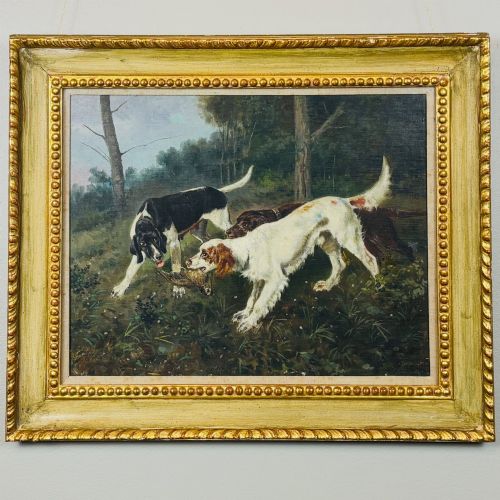
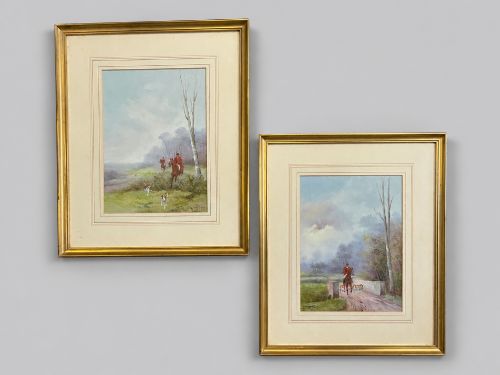
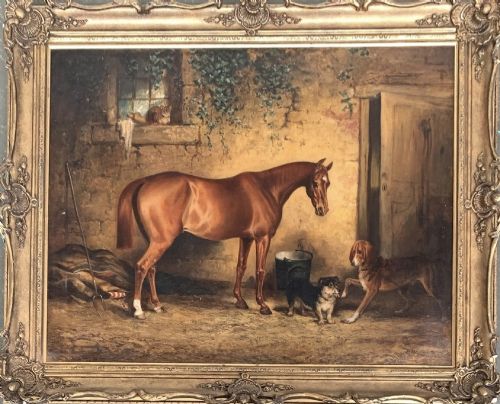
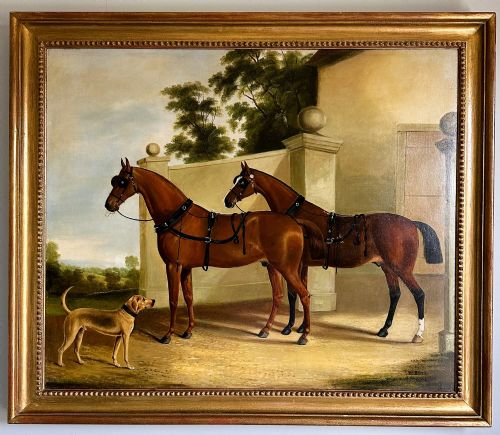
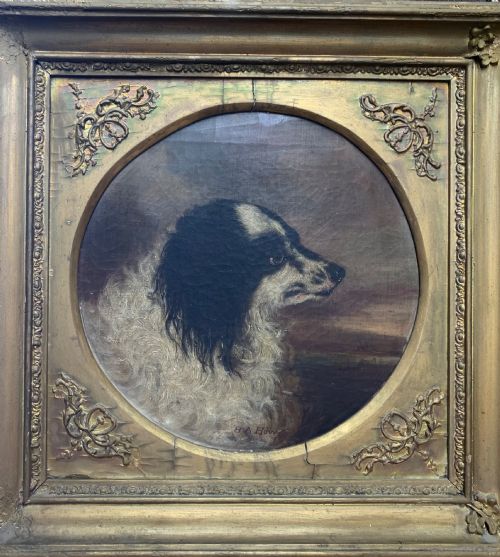
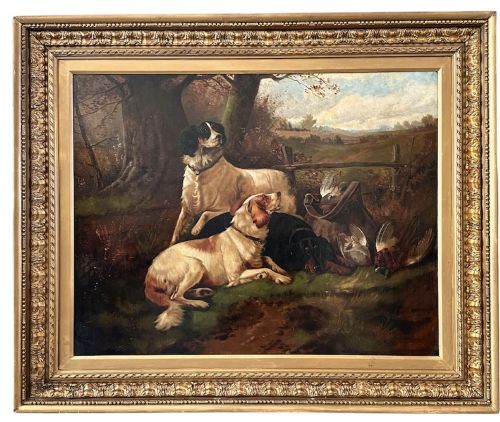
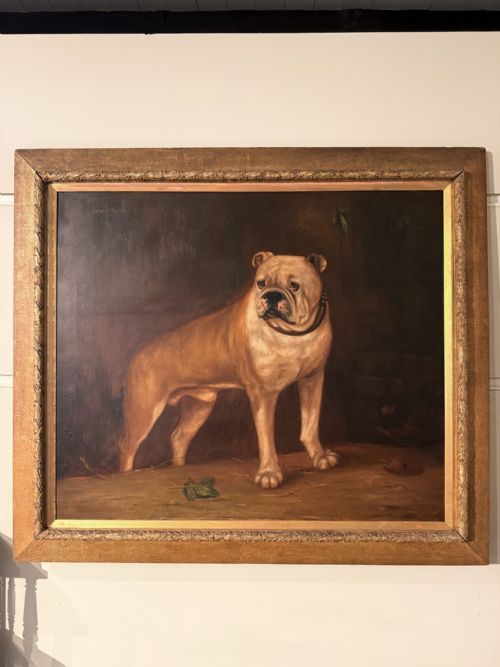
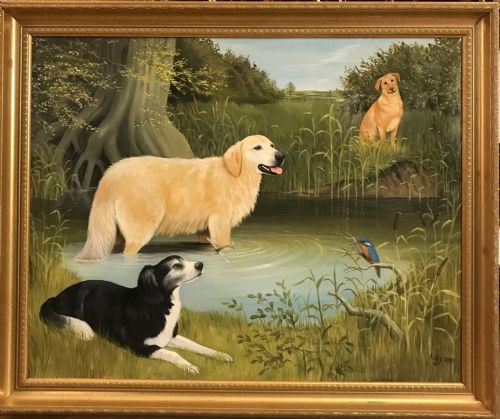
Traditional sporting dog art centres on oil paintings and watercolours depicting spaniels, pointers, setters, terriers and hounds in rural landscapes or field sports. Buyers encounter Victorian canvases, framed prints and mid-century works showing gundogs with game or resting near country houses.
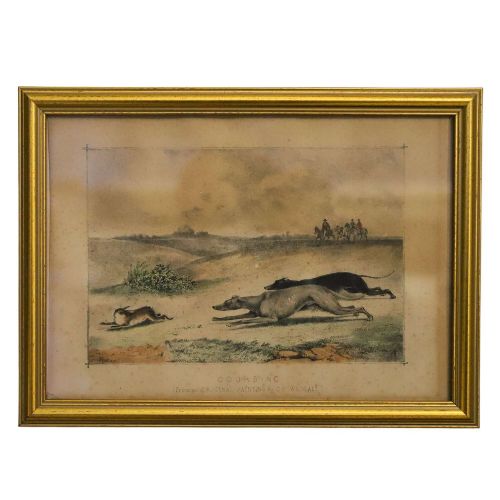
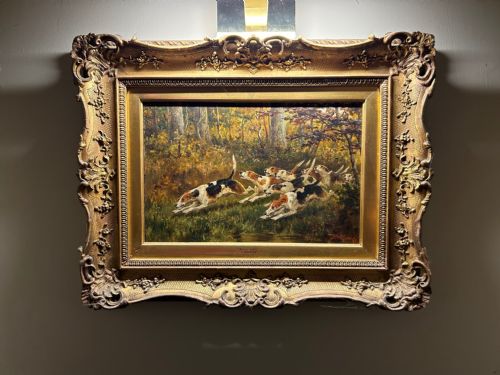
The selection ranges from detailed individual animal portraits commissioned by landowners to lively scenes of hunts, hare coursing and shooting parties. Most pieces date from the nineteenth century, reflecting a period when equine and canine portraiture flourished across Britain.
Materials and Technique
Artists relied primarily on oil paint applied to canvas or wood panels, alongside watercolours on paper and traditional lithography. Canvases were frequently housed in heavy giltwood frames that complemented the rich tones of the sporting subjects.
Brushwork varied from precise, academic realism to looser, more expressive applications that captured the motion of hounds in full cry or the texture of a dog's coat in natural light.
Traditional Sporting Dog Art Retail Price Guide 2026
Typical asking prices for traditional sporting dog art among the pieces listed under this phrase on Sellingantiques today, from the lower quarter to the upper quarter. They describe what is for sale here now, not the wider market.
The listings span the nineteenth and twentieth centuries, incorporating oils on canvas, watercolours and nineteenth-century lithographs.
Judging Quality
Quality rests upon the artist's anatomical accuracy, the fidelity of the dog's expression and the integration of the animal within a convincing landscape. The finest works display a keen understanding of canine behaviour and movement rather than a stiff likeness.
Condition of the canvas, original framing and the preservation of the pigment layers significantly influence the visual impact of these historic paintings.
Henry Barraud·John Sargent Noble·William Barraud·George E Sharpe·Fannie Moody·Edwin Frederic Holt·Colin Graeme Roe·Michael Lyne·Henri Schouten·John Emms·Tom Carr·Thomas Blinks·James Ward·Charles Bilger Spalding·William Albert Clark·Frank Dadd·Samuel John Egbert Jones·Dean Wolstenholme·George Wright
The Traditional Sporting Dog Art Glossary
- Giltwood
- Wood carved and covered with a thin layer of gold leaf or gilt. It provides a traditional ornate border for nineteenth-century oil paintings.
- Lithograph
- A print made from a flat stone or metal plate using a process that relies on the repulsion of oil and water. This technique reproduced popular field sports scenes for a wider audience.
- Canvas
- Heavy woven fabric stretched across a wooden frame as a surface for oil paint. It remains the principal medium for traditional fine art paintings.
- Watercolour
- Paint consisting of pigment suspended in a water-based solution, typically applied to paper. It offers a lighter, more fluid medium for sporting studies and sketches.
Traditional Sporting Dog Art: Frequently Asked Questions
How do I identify a Victorian dog painting?
Victorian dog paintings typically feature naturalistic portrayals of gundogs, terriers or hounds, often signed and dated within the nineteenth century.
They frequently employ traditional oil on canvas techniques and are housed in period giltwood frames.
Where were these paintings displayed originally?
These artworks usually hung in country houses, estate libraries and shooting lodges across Britain. Landowners commissioned them to celebrate prized hunting champions and favourite shooting companions.
Today, they suit traditional studies, hallways and living rooms with classic country decor.
What is the difference between an oil painting and a watercolour?
Oil paintings use pigment suspended in drying oil on canvas or wood, offering rich colours, depth and heavy texture. Watercolours use water-soluble pigments on paper, producing a more translucent and delicate finish.
Both mediums were widely used by sporting artists to capture dogs in the field.
How should I care for an antique oil painting?
Keep antique canvases away from direct sunlight, extreme temperature fluctuations and high humidity to prevent the paint and canvas from cracking. Dust the surface gently with a soft, dry brush and avoid using liquid cleaners.
Consult a professional conservator if the canvas requires cleaning or structural repair.