

Traditional Slant Front Bureau
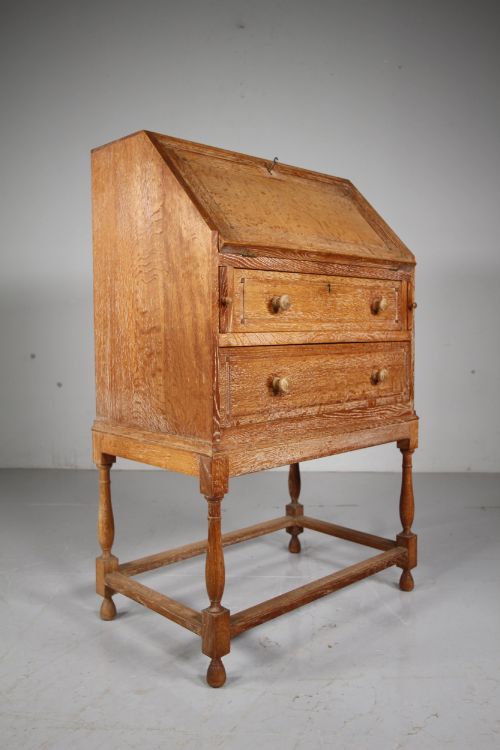
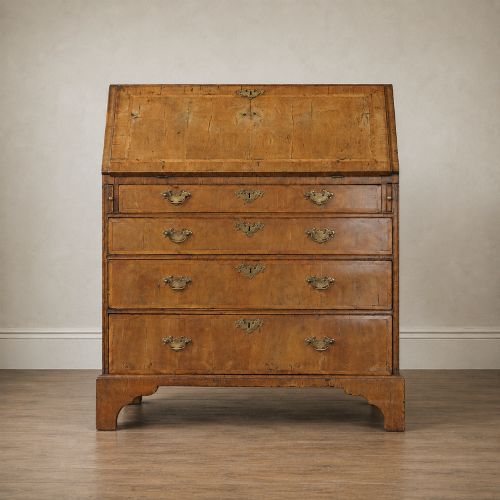
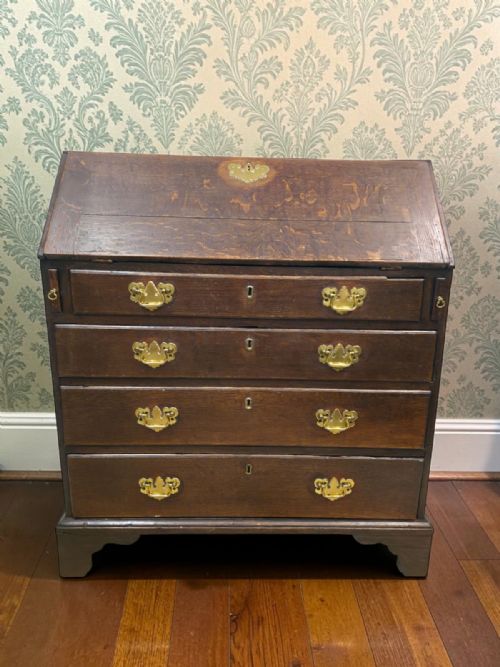
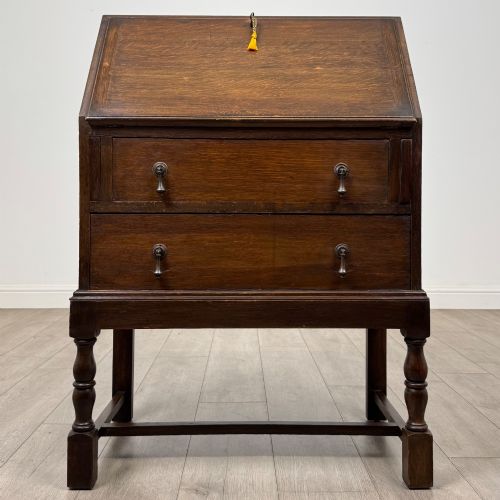
A traditional slant front bureau offers a clever sloping writing flap that conceals fitted interior compartments for papers.
Traditional Slant Front Bureau
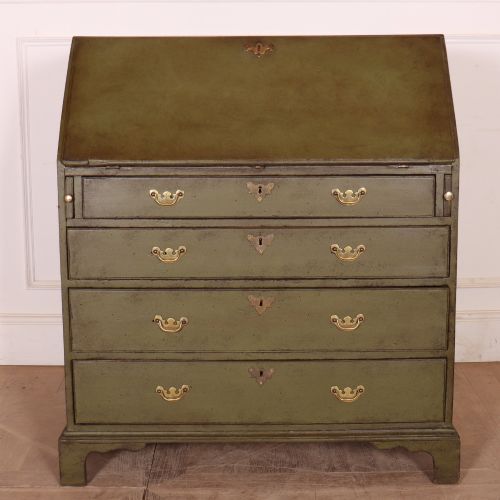
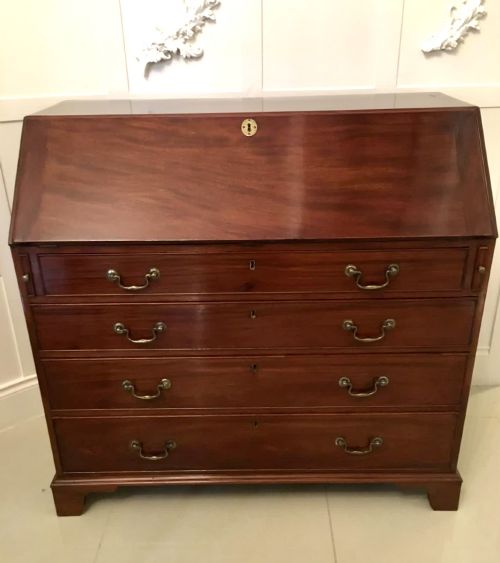
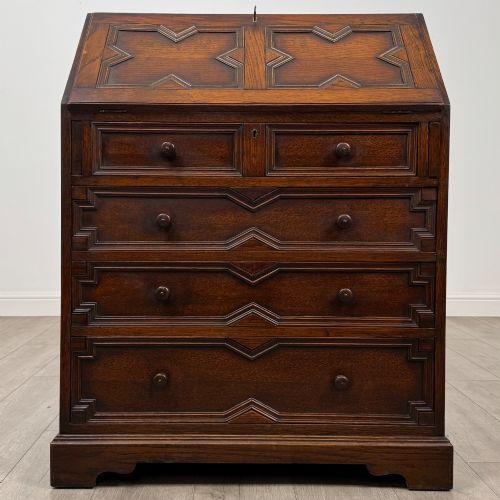
When searching for a traditional slant front bureau, you are looking at writing furniture designed with a hinged writing surface that folds down at an angle. The pieces on this page span several centuries, with particular concentrations from the Georgian and Edwardian eras.
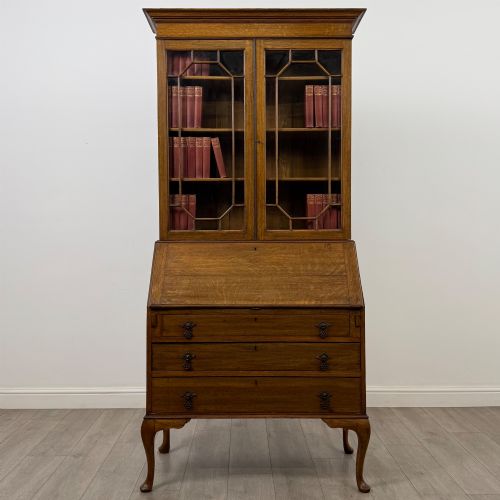
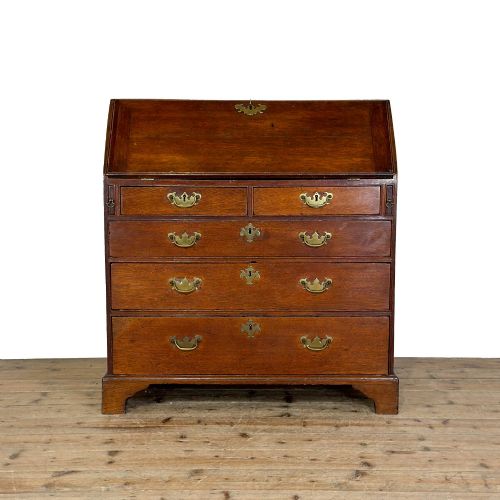
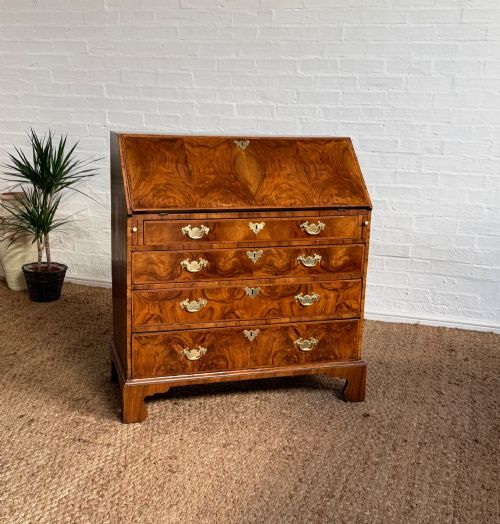
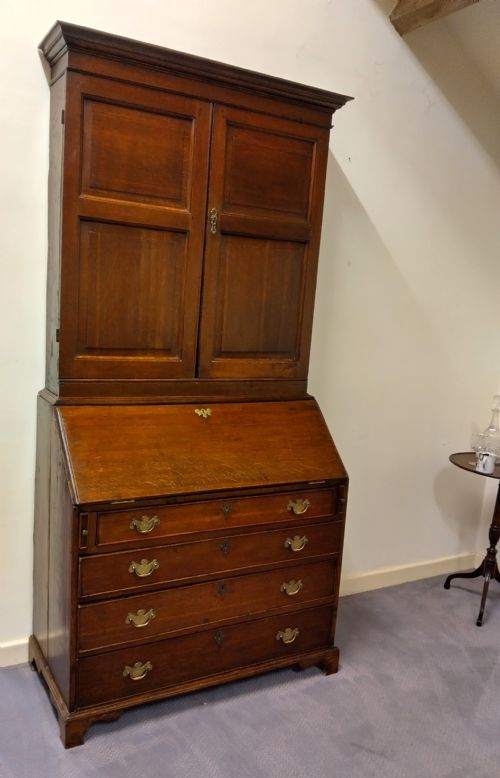
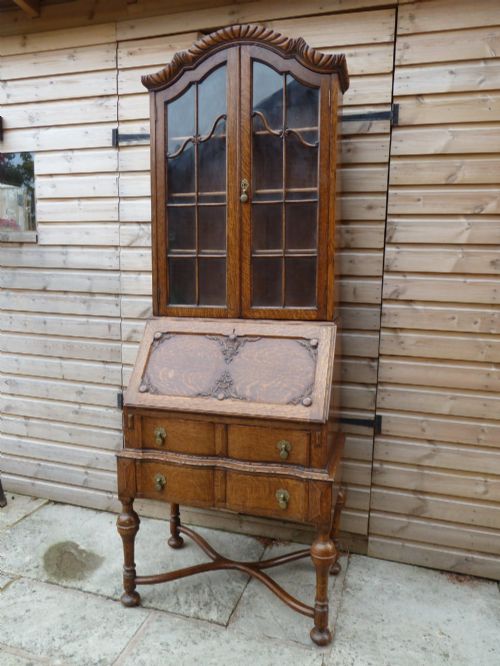
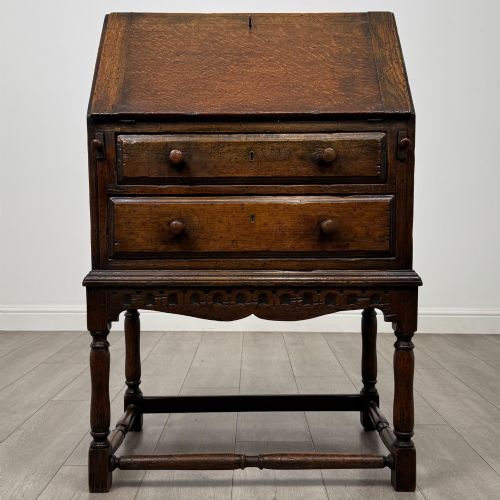
Most examples you will meet here take the form of freestanding oak or mahogany writing desks, while taller bureau bookcases combine the sloping desk with upper shelving. Makers ranged from vernacular cabinetmakers working in solid oak to sophisticated workshops producing figured walnut and mahogany models.
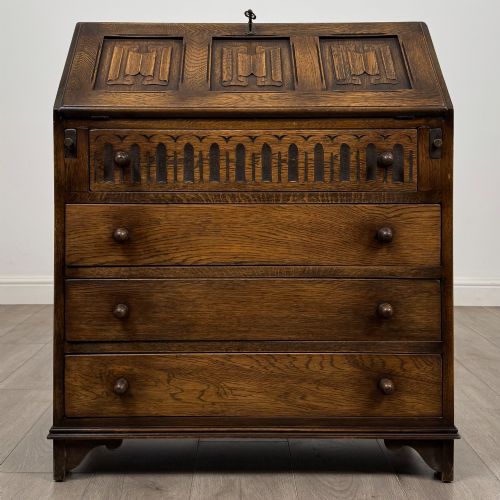
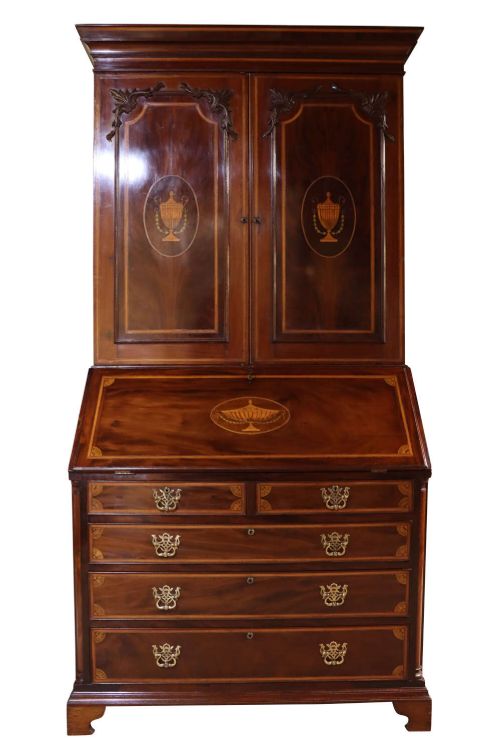
Forms vary from compact oak writing cabinets to large Georgian and Victorian bookcase combinations with fitted pigeonholes and drawers concealed behind the fall front. Stylistic revivals also appear frequently, including Jacobean, Queen Anne and Sheraton revivals executed in the early twentieth century.
Materials and construction methods
Cabinetmakers constructed traditional slant front bureau bodies primarily in solid oak, mahogany and walnut, often applying decorative veneers such as burr walnut or elm to the fall front and drawer faces. Timber selection defined the character of each piece, ranging from robust local oak in vernacular examples to exotic imported hardwoods in grander iterations.
Internal components relied on traditional joinery to create miniature drawers, secret compartments and pigeonholes revealed when the hinged board was lowered. Brass hardware, including drop handles and escutcheons, functional leather writing surfaces and occasional glazed upper bookcase doors completed the construction.
One early oak bureau was adapted for television, proving that even historic writing cabinets must occasionally bend to modern entertainment needs.
Assessing quality in writing furniture
Quality in a traditional slant front bureau rests on the choice of timber and the precision of the interior joinery. Finer examples display carefully matched veneer grains across the fall front, dovetailed drawer construction and well-proportioned pigeonholes inside.
The sophistication of the secondary woods, the integrity of the original brass hardware and the crispness of any carved details such as linenfold panels or bracket feet further separate standard production from superior cabinetmaking.
Heals of London·Gillows
The Traditional Slant Front Bureau Glossary
- Fall front
- The hinged sloping board that drops forward to create a horizontal writing surface. It conceals the internal compartments when closed.
- Bureau bookcase
- A tall cabinet combining a slant front writing desk base with an enclosed set of upper bookshelves. Glass doors often protect the top section.
- Pigeonhole
- A small compartment within the desk interior designed for sorting letters and documents. These often surround a central small cupboard or secret drawer.
- Bracket foot
- A simple foot shape supporting the corners of case furniture, formed by two mitred pieces of wood shaped in an arch or ogee profile.
- Dovetail
- An interlocking joint used in drawer construction where pins and tails fit together tightly. Hand-cut dovetails indicate older or higher quality work.
Traditional Slant Front Bureau: Frequently Asked Questions
What is a slant front bureau?
A slant front bureau is a compact writing desk featuring a hinged writing flap that angles upward when closed. This sloping board protects the paperwork and fitted interior compartments stored inside.
Such furniture evolved to provide a dedicated writing surface that could be locked up securely when not in use. The internal layout typically includes small drawers and pigeonholes for correspondence.
How do I date an oak bureau?
Dating an oak bureau involves examining the construction methods, timber characteristics and overall style. Pieces from the eighteenth century often display hand-cut dovetails and vernacular details, whereas Edwardian reproductions tend to show twentieth-century machine milling.
Revival styles also complicate dating, as cabinetmakers in the early nineteen-hundreds frequently copied earlier Jacobean or Georgian designs. Inspecting the drawer linings and backboards helps clarify the period of manufacture.
How were bureau bookcases used?
Bureau bookcases served as combined desks and libraries for storing books and managing household accounts. The upper shelves held volumes behind glass or wooden doors, while the lower desk provided a place to write letters.
These taller cabinets were typically kept in parlours, studies or libraries. They kept writing materials and reference books together in a single upright piece of furniture.
Are these desks good for daily use?
These desks suit modern daily use for writing, laptop work or letter storage. The sloping flap provides a comfortable surface for reading and writing tasks.
Care should be taken with historical leather writing surfaces and antique hinges when working at the desk. Placing the bureau out of direct sunlight helps protect the timber and veneers.