


Traditional Sideboard
A traditional sideboard grounds a room with serious presence, bringing generous storage and timeless timber grain to dining spaces.
Traditional Sideboard
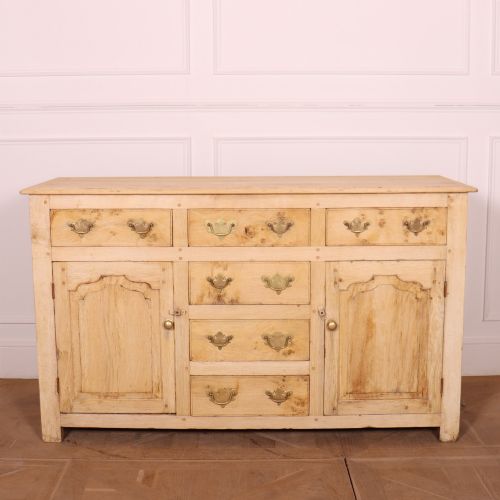
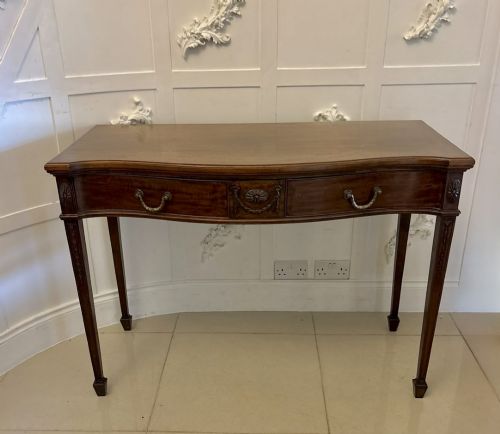
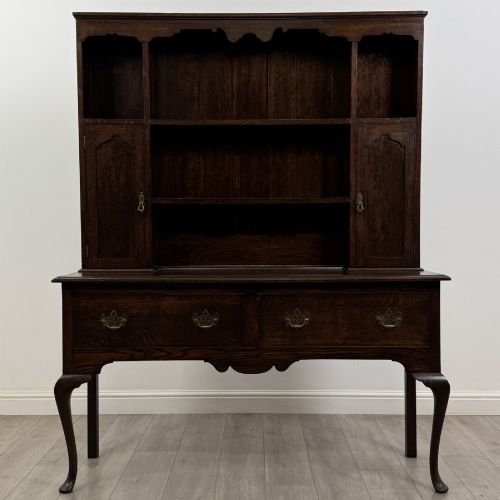
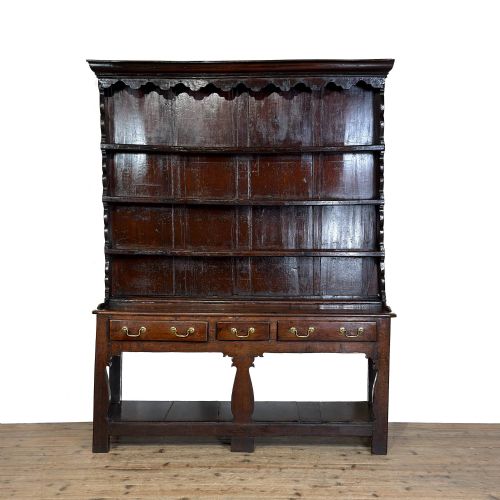
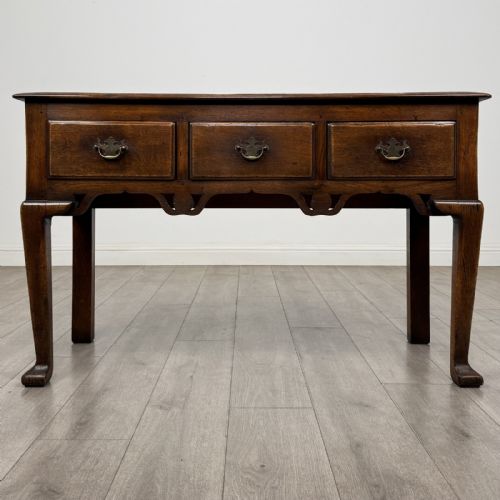
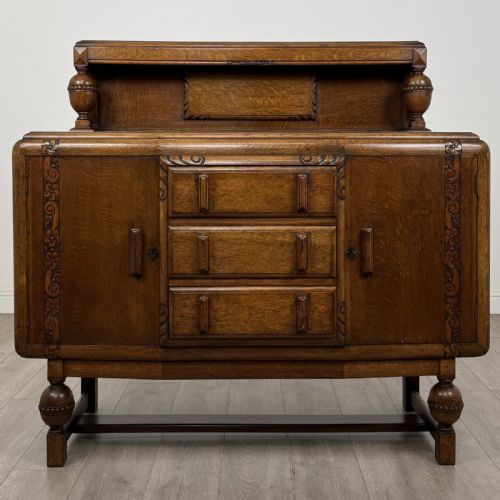
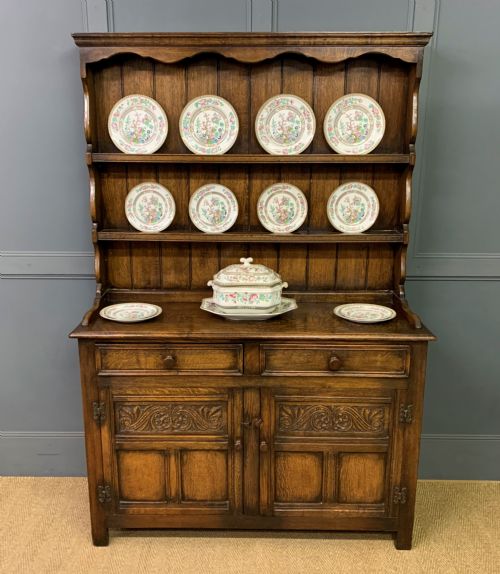
A traditional sideboard unites utilitarian storage with substantial form, appearing across periods from the eighteenth century through the twentieth century. These pieces span sideboard and dresser variations, incorporating cupboards, drawers, plate racks, and potboards.
Materials and construction
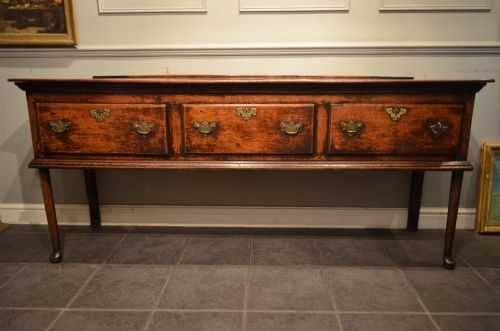
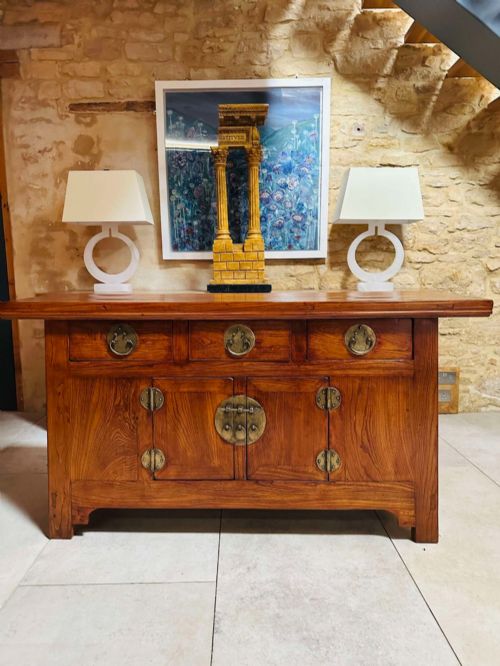
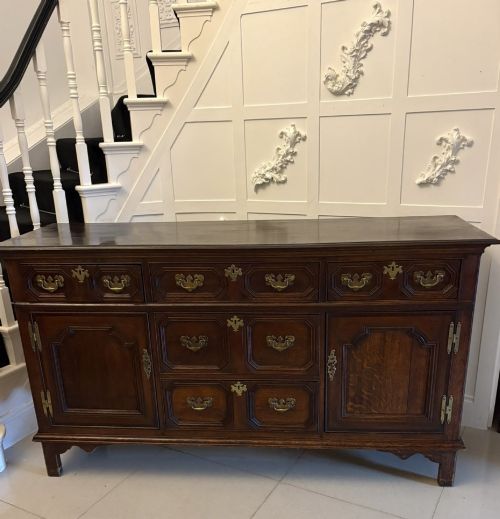
Craftsmen built these pieces using solid timbers like oak, mahogany, and pine, often incorporating burr walnut, fruitwood, and elm for decorative impact. Brass handles, iron hinges, and glass elements complete the structural hardware.
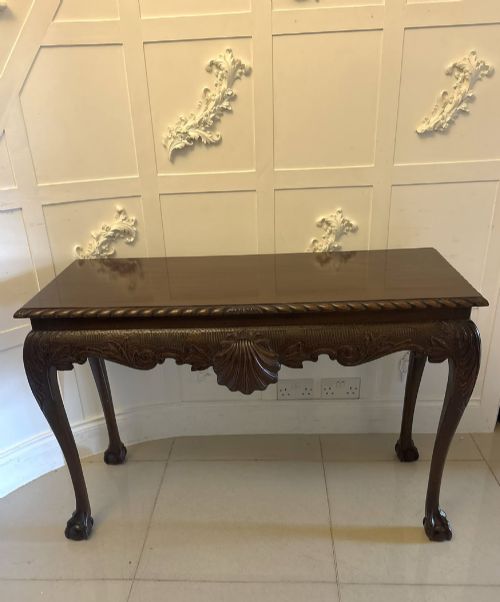
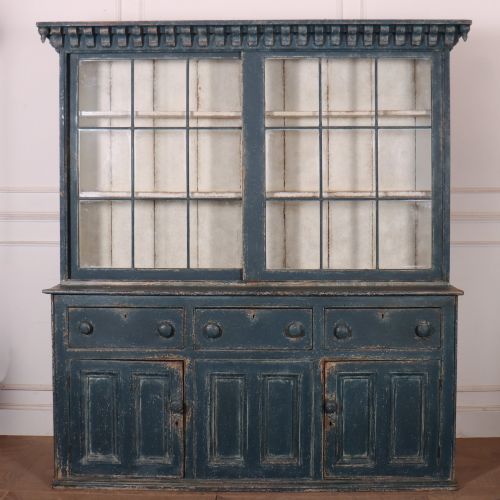
Construction techniques include fielded panel doors, carved detailing, stretcher bases, cabriole legs, and bracket feet. Surface treatments range from polished wood grains to painted finishes.
Traditional Sideboard Retail Price Guide 2026
Typical asking prices for traditional sideboard among the pieces listed under this phrase on Sellingantiques today, from the lower quarter to the upper quarter. They describe what is for sale here now, not the wider market.
An eighteenth-century low linen press cupboard once hid folded garments behind beautifully figured oak panels.
Judging execution and timber
Quality rests in the selection of timber, where rich grain patterns and solid construction elevate a piece far above simpler utility items. The precision of joinery, from panel fitting to drawer construction, marks the distinction between standard workshop output and superior cabinet making.
Carved details and hardware integration reveal the maker's hand, where crisp execution and original brass fittings enhance the integrity of the design. The balance of proportions and structural stability over centuries of use determine the standing of each piece.
Rushworth's
The Traditional Sideboard Glossary
- Potboard
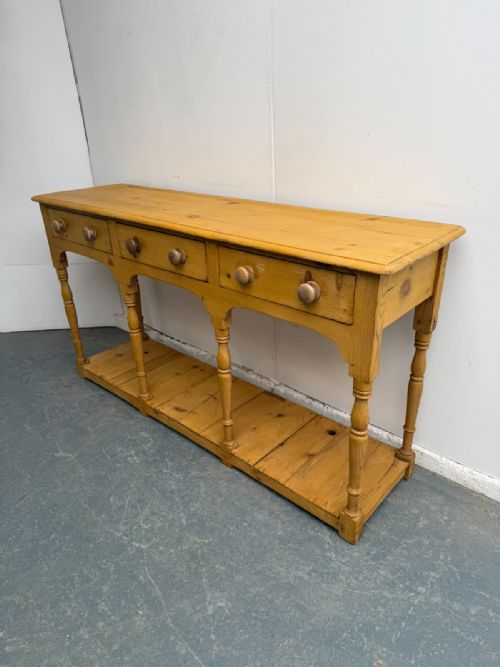
- An open lower shelf on a dresser base traditionally used for storing pots and heavy kitchen utensils. This architectural feature lightens the lower section while providing display space.
- Welsh Dresser
- A traditional form combining a lower sideboard or base with an upper open plate rack. These units served practical domestic functions for displaying ceramic tableware.
- Enfilade
- A long sideboard or buffet cabinet featuring a series of adjoining doors along the front facade. This continental form offers extensive interior storage capacity.
- Linenfold
- A carved wood panel motif resembling folded fabric sheets. This decorative technique appears frequently on nineteenth-century and revival cupboard doors.
- Dresser Base
- The lower section of a dresser standing without an upper plate rack. These versatile low cabinets function effectively as independent sideboards.
Traditional Sideboard: Frequently Asked Questions
How do I style a traditional sideboard?
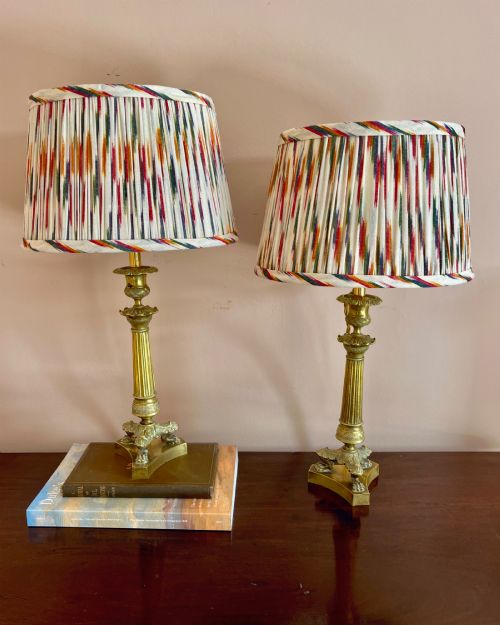
Anchor the piece with a large mirror or framed artwork hung directly above the surface. Layer lighting with table lamps and arrange ceramics or glassware in balanced groupings.
Keep everyday items stored within the cupboards and drawers below. Leave some timber surface exposed to showcase the grain and age of the wood.
What is the difference between a sideboard and a dresser base?
A sideboard focuses primarily on serving food and storing dining room linens or silverware. These pieces frequently feature bowed fronts or central cabinet doors flanked by drawers.
A dresser base originates from a kitchen context and traditionally includes working drawers positioned above an open potboard or lower shelf. Both forms function well as dining room storage today.
How do I care for antique wood surfaces?
Dust the timber regularly with a soft, dry cloth to prevent grit accumulation. Apply a natural beeswax polish occasionally to nourish the grain and maintain a protective barrier.
Avoid placing pieces in direct sunlight or near heat sources to prevent timber splitting. Use mats under any objects that hold moisture or heat.
How can I tell the period of a wooden sideboard?
Examine the timber species, construction joints, and hardware style to determine age. Eighteenth-century pieces often display hand-cut dovetails and pegged oak frames, while Victorian examples frequently utilise rich mahogany with flame veneers.
Twentieth-century revival pieces mimic earlier styles but reveal machine-cut elements and modern interior fittings. Check the backboards and drawer linings for consistent tool marks and wear patterns.