



Traditional Serpentine Back Sofa
These traditional serpentine back sofa examples bring enduring formal elegance to a room, offering graceful lines and deep comfort.
Traditional Serpentine Back Sofa
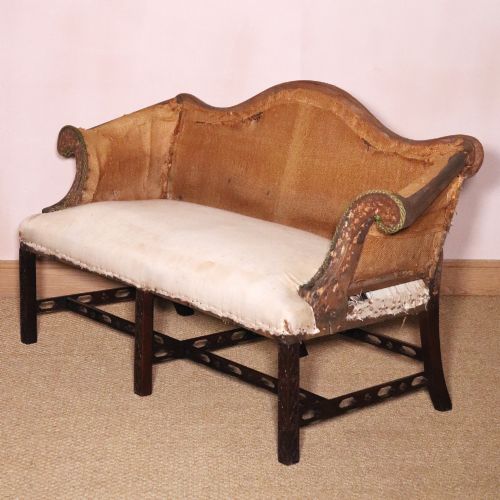
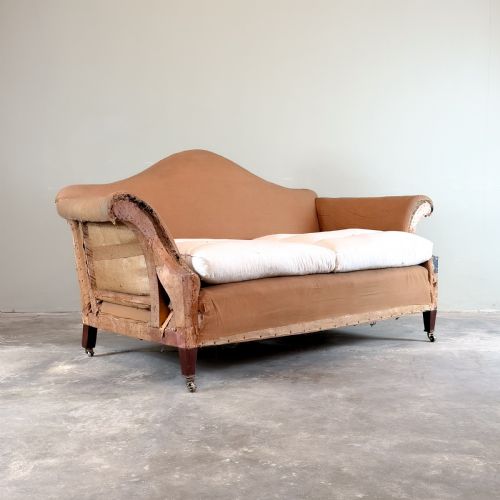
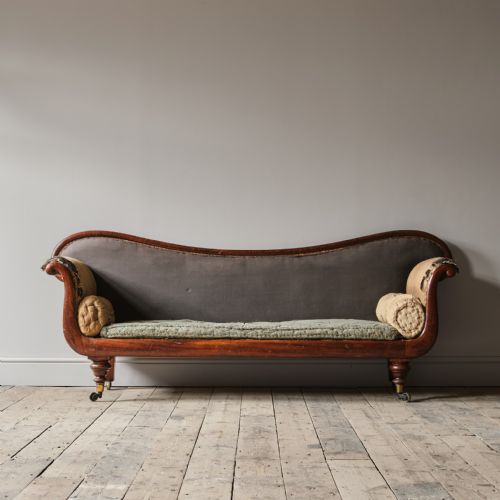
When you search for a traditional serpentine back sofa, you meet seating designed with a sweeping, undulating top rail and generous proportions. These pieces span several eras, appearing in 18th century, 19th century, Edwardian, and 1940 interpretations.
The versions most commonly met on this page include George III style pieces, Hepplewhite revivals, and Chinese Chippendale influences. They frequently feature mahogany frames and various upholstery fabrics, including velvet and hand dyed brown leather.
Makers drew on Georgian proportions and classic forms, producing camel back sofas and settees suited to grand country houses. Each period brings its own nuance to the serpentine silhouette, from early upholstered frames to later revival work.
How they were made
Makers constructed the structural frames of a traditional serpentine back sofa using solid timber such as mahogany and general wood, ensuring lasting stability for the sweeping lines. Joinery techniques relied on traditional cabinet-making methods appropriate to the period.
Internal support involved jute webbing and traditional stuffing materials beneath the top cover. Upholstery fabrics like cotton, velvet, and leather were then applied, secured with brass detailing where appropriate.
Traditional Serpentine Back Sofa Retail Price Guide 2026
Typical asking prices for traditional serpentine back sofa among the pieces listed under this phrase on Sellingantiques today, from the lower quarter to the upper quarter. They describe what is for sale here now, not the wider market.
What varies in quality
The distinction between standard examples and the finest traditional serpentine back sofa pieces lies in the fluidity of the carved wood frame and the precision of the serpentine curve. Finer pieces demonstrate superior proportion in the camel back arch and greater harmony in revival styles.
Upholstery execution also dictates the tier of quality, seen in how cleanly the fabric or hand dyed leather follows the undulating contours of the back. Original timber framing and period specific construction methods elevate the standing of an individual piece.
The Traditional Serpentine Back Sofa Glossary
- Serpentine
- A curved line that undulates inwards and outwards, forming the distinctive undulating top rail or front apron of the sofa.
- Camel back
- An upholstered sofa back featuring a central rise that slopes down gracefully towards the arms.
- Hepplewhite
- A neoclassical furniture style dating from the 18th century, known for lighter proportions and elegant serpentine shapes.
- Chippendale
- A mid 18th century style characterised by elaborate carving, sometimes drawing on Chinese motifs in revival iterations.
- Settee
- A small upholstered bench or sofa designed for seating two or more people.
Traditional Serpentine Back Sofa: Frequently Asked Questions
What is a traditional serpentine back sofa?
A traditional serpentine back sofa is an upholstered seat defined by an undulating, wave-like top rail and generous proportions. These pieces draw on historical forms from the 18th and 19th centuries.
They often appear in revival styles such as Hepplewhite and Chippendale, featuring mahogany frames and various fabric or leather coverings.
How do I date a serpentine sofa?
Dating involves examining the timber of the frame, the underlying support materials like jute, and the stylistic cues of the woodwork. Construction methods and secondary woods often point to specific eras.
Revival pieces from the Edwardian period or mid 20th century frequently imitate 18th century proportions, requiring careful inspection of the joinery and materials.
Where should I place this sofa?
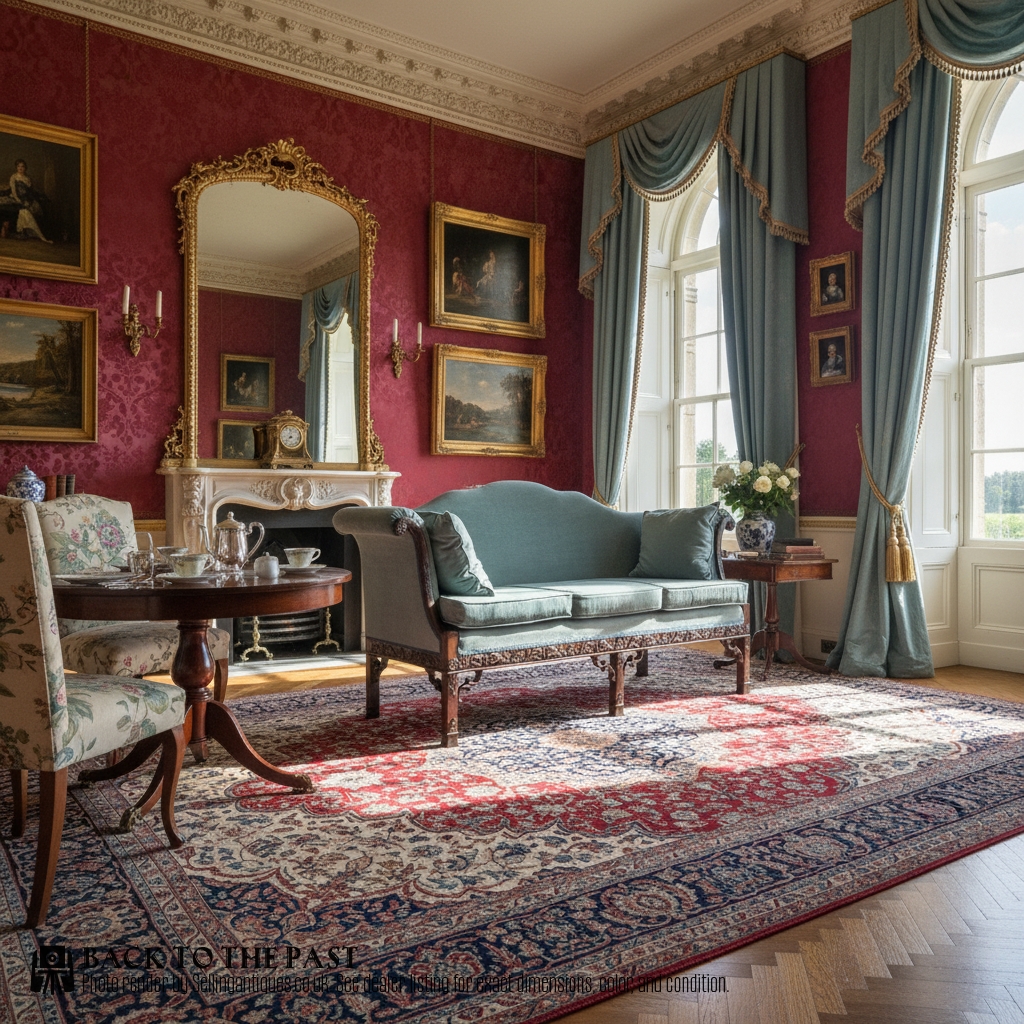
These sofas suit formal drawing rooms, libraries, or spacious living areas where their sweeping profiles can be viewed from multiple angles. Their classic silhouettes anchor a room with traditional character.
Ensure adequate clearance around the piece to allow the serpentine curves of the back and front rail to remain a focal point.
Are these sofas comfortable for daily use?
The comfort level depends on the internal upholstery and suspension used during its construction or subsequent restoration. Traditional webbed and sprung interiors offer supportive seating.
Many examples retain deep proportions and upholstered padding designed for relaxation while maintaining formal elegance.