
Traditional Secretary Desk
A traditional secretary desk combines a private writing surface with hidden compartments and generous shelving, offering timeless utility for any room.
Traditional Secretary Desk
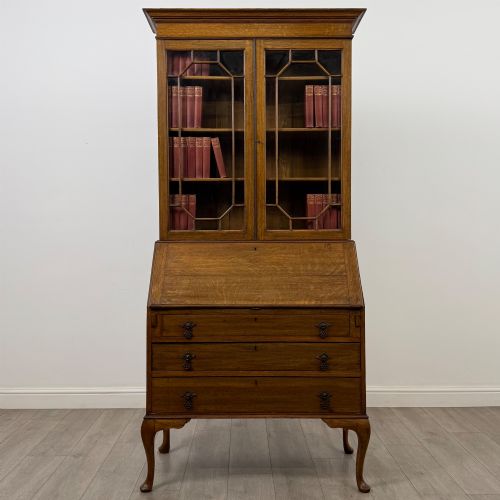
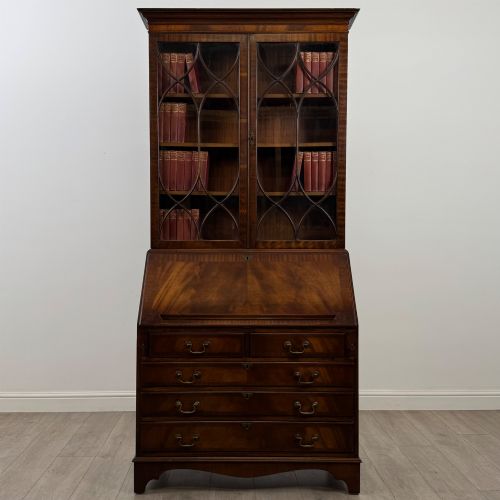
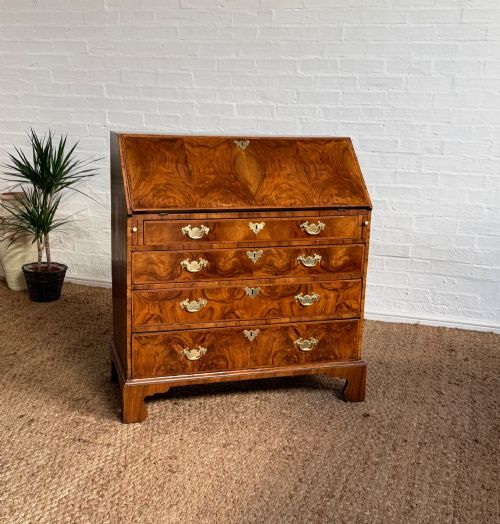
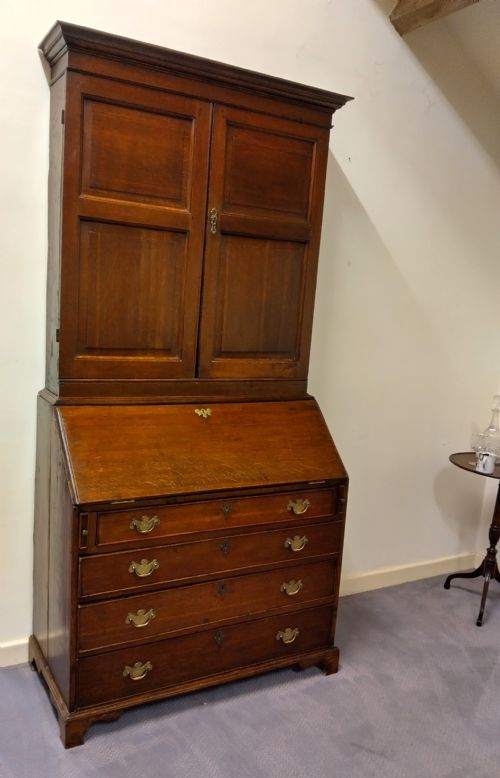
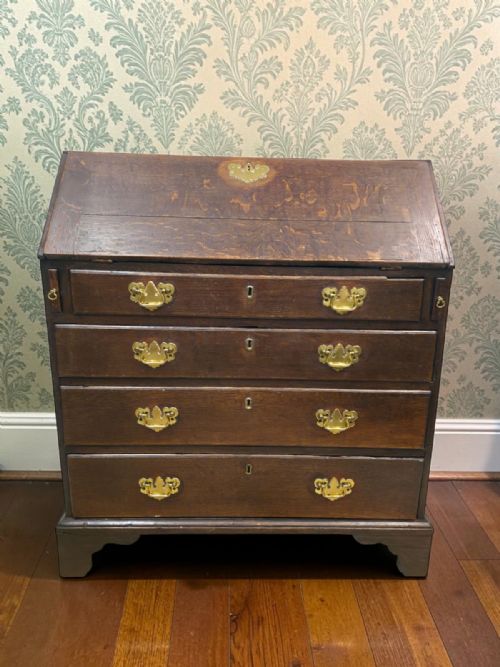
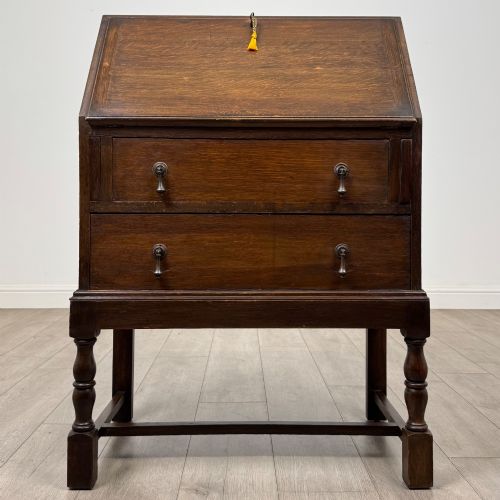
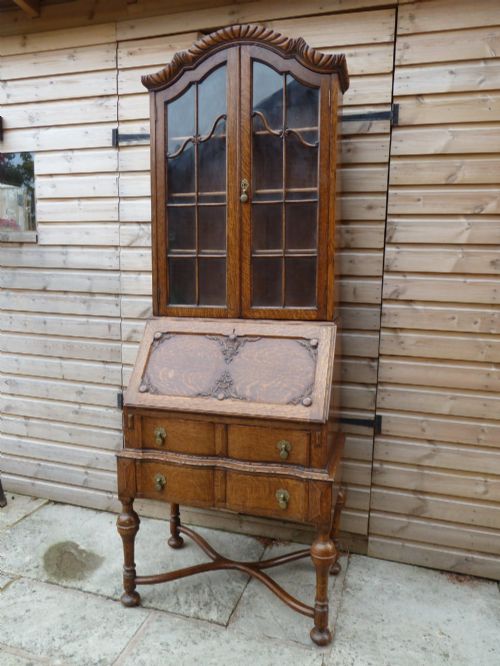
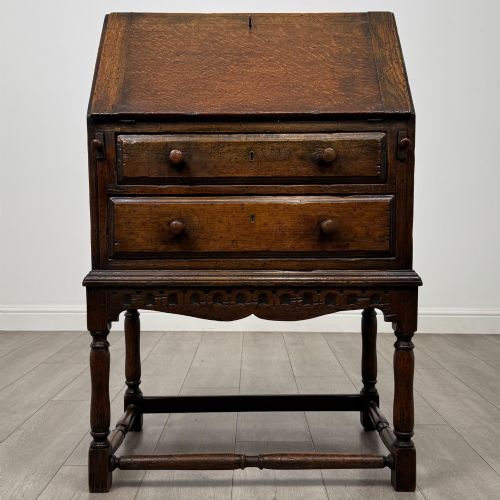
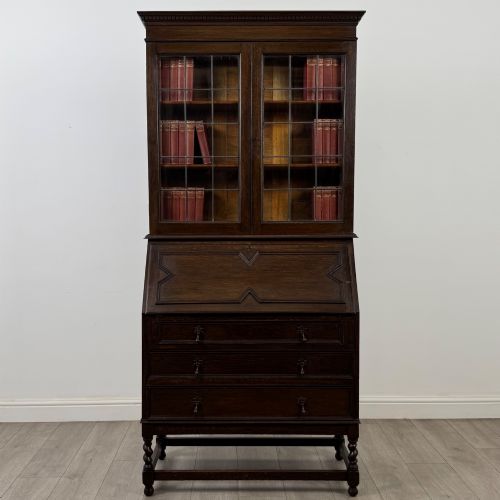
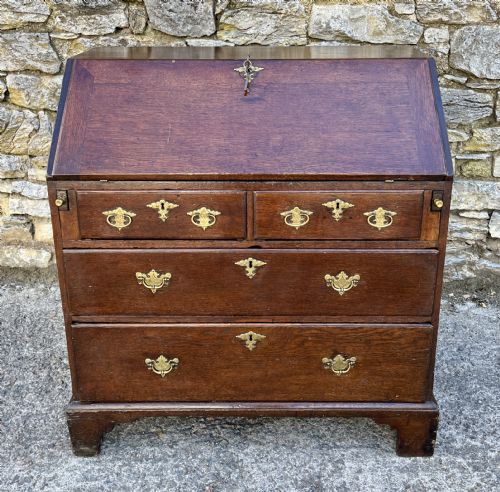
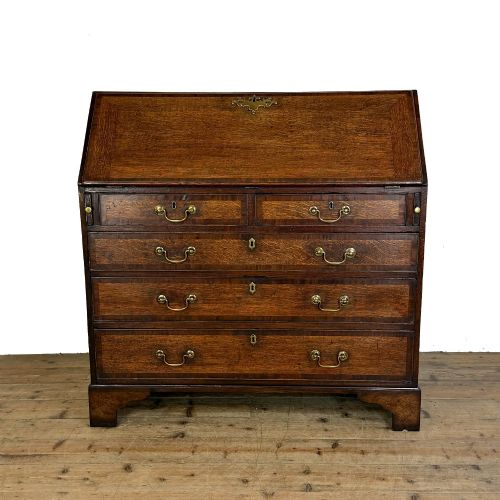
A traditional secretary desk typically manifests as a fall-front bureau or a bureau bookcase originating from periods such as the Georgian era or the Edwardian years. These pieces provide a vertical storage solution while concealing a fitted interior for correspondence and paperwork behind a sloping flap or drop-down writing surface.
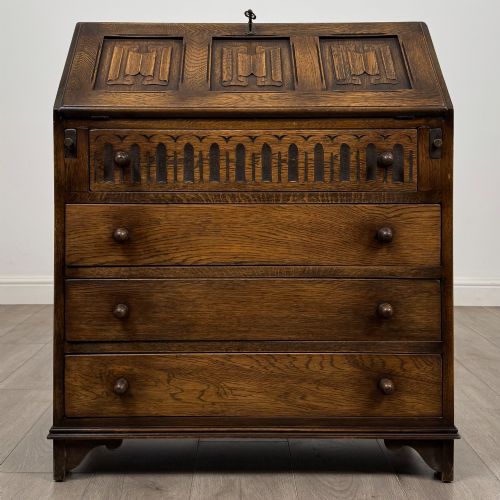
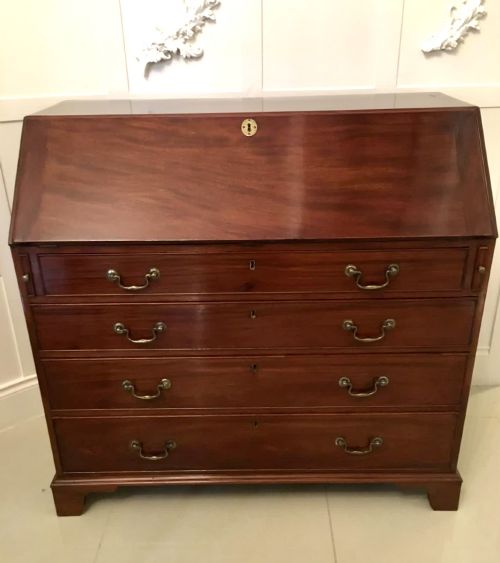
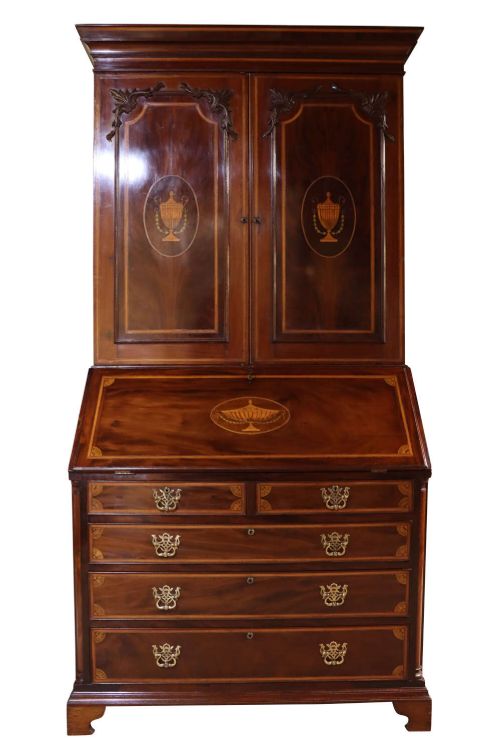
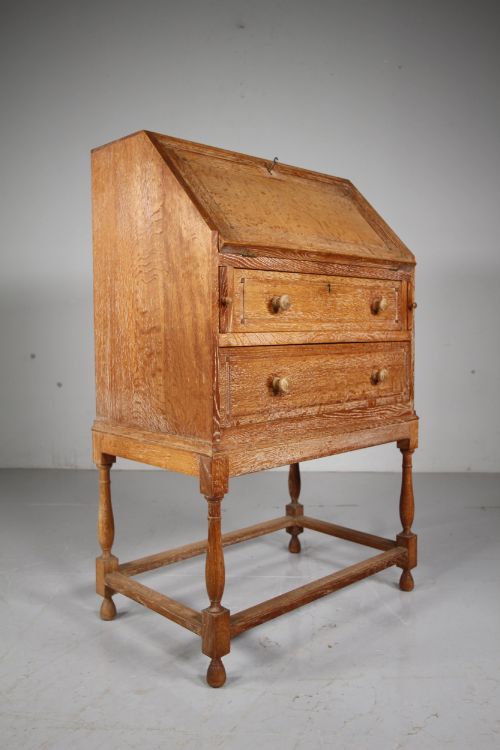
The versions most commonly met on this page span the eighteenth and nineteenth centuries, alongside revival pieces from the early twentieth century. Common formats include solid oak fall-front examples and taller mahogany or walnut bureau bookcases featuring glazed upper doors.
Materials and construction methods
Cabinet makers utilised dense hardwoods such as mahogany, oak, and walnut, often accentuating surfaces with figured veneers, satinwood stringing, or burr elm details. Brass handles, escutcheons, and hinges secure the fall fronts and drawers while providing functional contrast to the timber.
Internal compartments incorporate small pigeonholes and secret drawers constructed with traditional joinery. Writing surfaces frequently feature inset leather panels to provide a durable writing plane.
Some early oak writing desks have been cleverly adapted for modern television storage while keeping their historical fall fronts intact.
Distinguishing quality and craftsmanship
Quality rests upon the selection of timber and the precision of the internal pigeonholes and small drawers concealed behind the fall front. Superior examples display carefully matched grain patterns across the primary writing surface and drawer fronts, alongside fine dovetail joints in the drawer construction.
The integration of the fall front hinges and the balance of the writing flap indicate the care taken during manufacture. Pieces retaining original brass hardware and well-figured mahogany or walnut sit at the higher end of the range.
Heals of London
The Traditional Secretary Desk Glossary
- Fall front
- A hinged writing flap that drops forward to create a horizontal desk surface. This flap conceals internal stationery compartments when closed.
- Bureau bookcase
- A dual-purpose furniture form combining a writing bureau at the base with glazed shelving cabinets above. It provides both workspace and display storage.
- Tambour
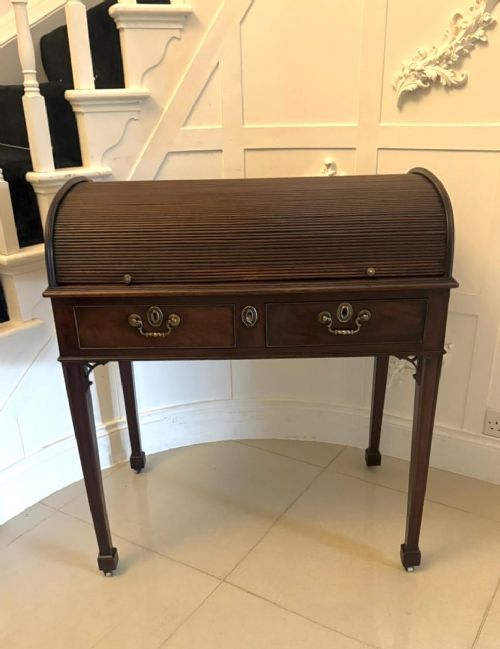
- A flexible sliding shutter formed from narrow strips of wood glued to a fabric backing. It allows access to cylinder desk interiors.
- Linenfold
- A carved wood panel motif resembling folded linen fabric. This style appears frequently on early twentieth-century oak furniture.
- Pigeonhole
- A small open compartment within the desk interior designed for sorting letters and papers. These compartments are often flanked by secret drawers.
Traditional Secretary Desk: Frequently Asked Questions
What is a traditional secretary desk?
A traditional secretary desk is a dual-purpose piece of furniture featuring a hinged writing flap that opens to reveal internal compartments and drawers. Below the writing surface, chest drawers provide ample storage for household items or paperwork.
Such desks evolved from simple writing boxes into sophisticated cabinetry during the seventeenth and eighteenth centuries. They remain practical items for modern home offices and studies.
How do I use a bureau bookcase?
The upper glass doors of a bureau bookcase serve to display books or collections while protecting them from dust. Lower shelves or drawers hold bulkier items out of sight.
To use the writing section, lower the fall front to form a horizontal desk. When correspondence is complete, fold the flap upward to conceal the interior and maintain a tidy room.
How do I distinguish Georgian from Edwardian pieces?
Georgian secretary desks date from the eighteenth and early nineteenth centuries, displaying proportions and timber selections characteristic of the period. Mahogany and oak predominate, often featuring restrained brass handles and hand-cut dovetails.
Edwardian pieces date from the early twentieth century and frequently incorporate revival styles like Jacobean or Sheraton influences. They tend to utilise lighter oak construction and sometimes display decorative carving such as linenfold motifs.
Can I fit a modern laptop inside?
Many traditional secretary desks offer sufficient internal depth on the writing surface to accommodate a compact laptop or tablet when the flap is lowered. Internal pigeonholes restrict the usable depth, so interior measurements vary between individual cabinets.
Desktop accessories and paperwork fit easily within the fitted interior compartments. Power cables can often be routed discreetly behind older pieces if they have been adapted over time.