



Traditional Seascape Painting
When you search for a traditional seascape painting, you encounter maritime scenes rendered in oil or watercolour across the nineteenth and twentieth centuries.
Traditional Seascape Painting
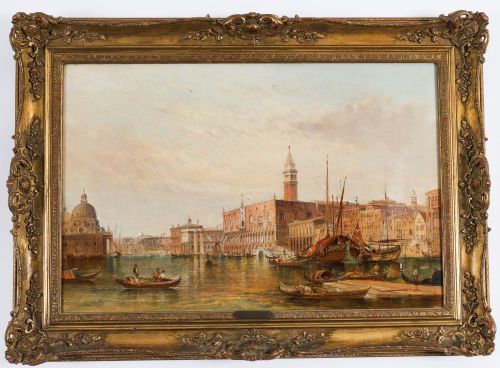
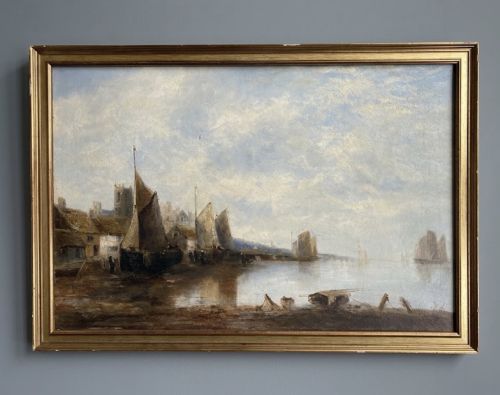
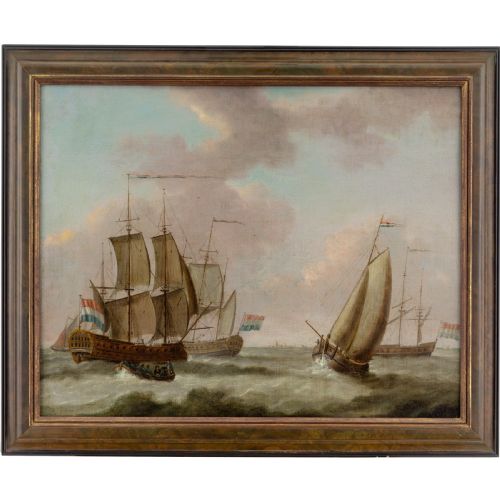
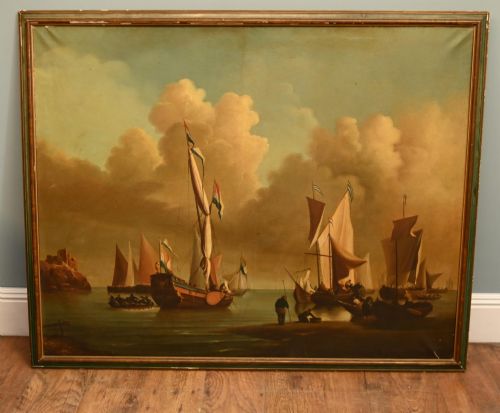
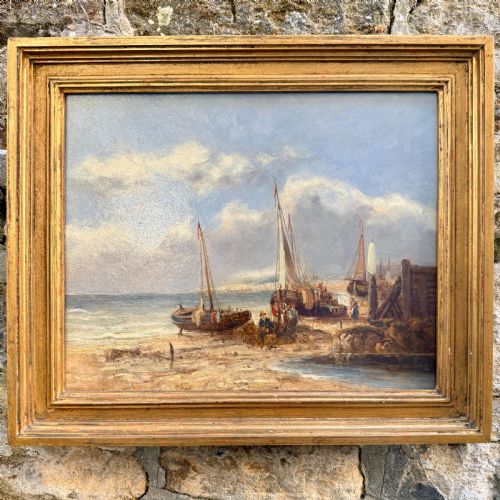
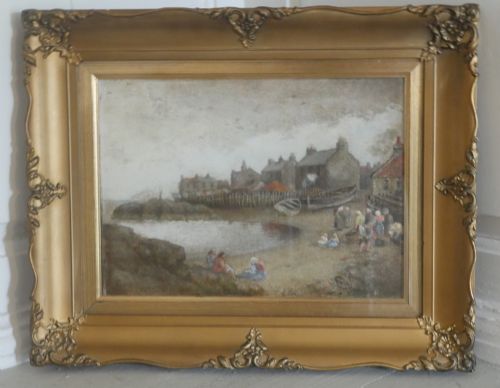
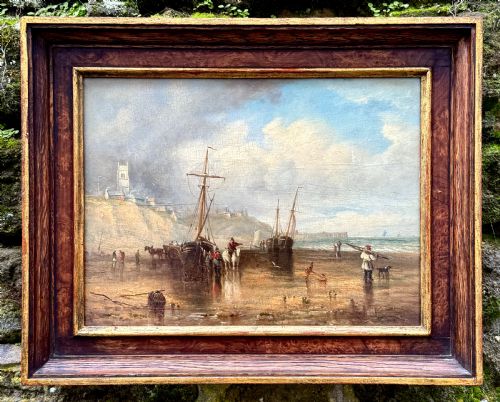
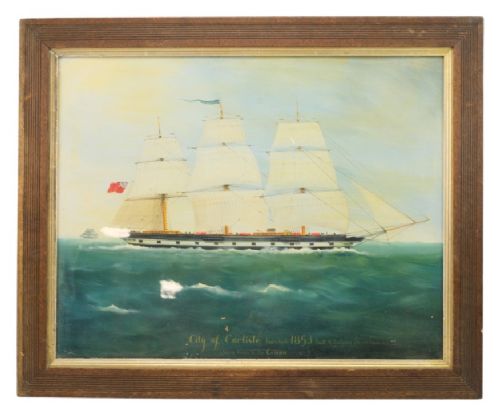
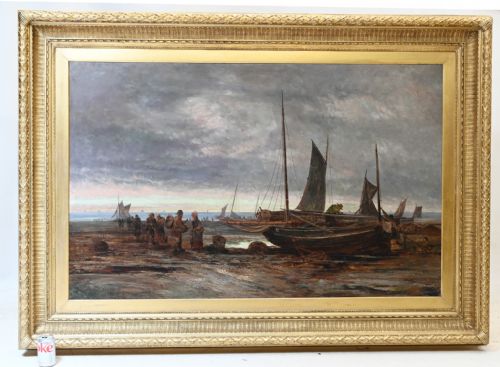
Traditional seascape painting captures coastal views, harbour scenes, and maritime activity along British and international shores. You meet works depicting named vessels, naval engagements, and quiet fishing boats returning to port.
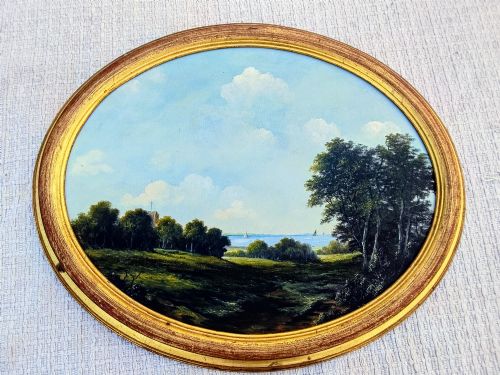
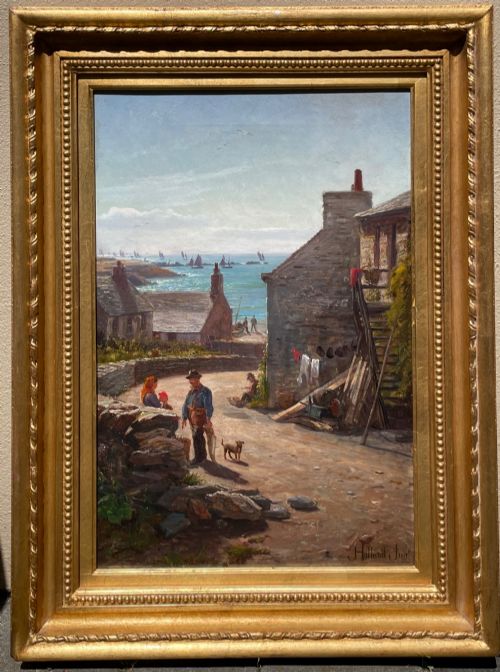
The nineteenth century provides a strong showing of Victorian marine art, often attributed to named artists recording specific locations from Cornwall to the Isle of Man. Mid-century and later twentieth-century canvases also appear, offering oval sea views and sunset watercolours.
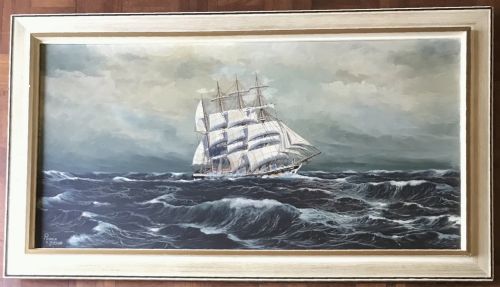
Subjects range from grand ship portraits in choppy waters to serene Venetian lagoons and bustling harbours with coastal figures.
Materials and methods
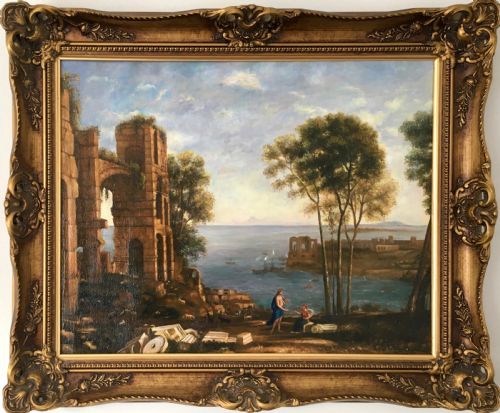
Works are executed primarily in oil paint on canvas, wood panel, or board, alongside watercolours on paper. Canvases are frequently housed in heavy gilded wood frames, sometimes incorporating gesso ornamentation.
Artists built depth through layered oils to capture the movement of waves and the atmospheric light of coastal skies. Watercolours utilise fluid washes on paper to render transparent effects over harbours and coastal landscapes.
Traditional Seascape Painting Retail Price Guide 2026
Typical asking prices for traditional seascape painting among the pieces listed under this phrase on Sellingantiques today, from the lower quarter to the upper quarter. They describe what is for sale here now, not the wider market.
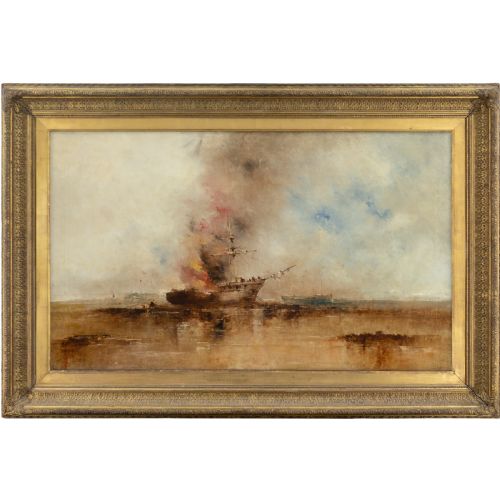
Several artists braved choppy waters just to paint a sinking ship.
Markers of quality
Quality rests in the fidelity of maritime detail, the handling of light on water, and the naturalism of vessels under sail. Finer examples capture the specific rigging of ships and the turbulent weight of the sea with conviction.
The integrity of the original canvas, panel, and period frame contributes significantly to the standing of a piece. Skilled brushwork in the rendering of coastal figures and atmospheric skies distinguishes accomplished works from simpler school pieces.
James Hardy·William McAlpine·William Banks Fortescue·Thomas Creswick·John Holland·Henry Barlow Carter·William Edward Webb·Stanley Leader·George Shaw·John McDougal·Hendrik Willebrord Jansen·John Bell·James Webb·John Douglas Perrett·Dion Pears·Ernest F. Hill·Jane Vivian·Alfred Henry Vickers·George Henry Knight·Thomas Rose Miles·John Callow
The Traditional Seascape Painting Glossary
- Gesso
- A plaster-like mixture applied to wood frames to create a smooth surface for gilding. It is carved or moulded into decorative patterns.
- Panel
- A flat piece of wood used as a rigid support for oil painting instead of canvas. Artists often utilised panels for smaller cabinet works.
- Maritime art
- Works depicting ships, shipping, sea battles, and coastal views. This genre encompasses both naval history and everyday fishing scenes.
- Watercolour
- A paint consisting of pigment suspended in a water-based solution, applied to paper. It yields translucent washes of colour.
Traditional Seascape Painting: Frequently Asked Questions
How do I identify a Victorian seascape?
Victorian marine art often exhibits detailed rigging, dramatic coastal lighting, and named British harbours like Scarborough or St Ives.
Examining the stretcher bars, canvas texture, and framing style helps confirm the nineteenth-century origins of the work.
What is the difference between oil and watercolour seascapes?
Oils on canvas or panel allow for heavy impasto and rich layering to capture the turbulent texture of choppy seas and stormy skies.
Watercolours on paper offer lighter, transparent washes suited to serene coastal views and subtle atmospheric effects.
Are these paintings signed by the artist?
Many works feature artist signatures or attributions recorded directly on the canvas, board, or accompanying historic framing.
Unsigned pieces frequently emerge from regional English schools or anonymous hands working in the nineteenth and twentieth centuries.
How should I care for an antique oil painting?
Keep paintings away from direct sunlight and fluctuating humidity to prevent cracking in the oil paint and warping of the wooden stretcher.
Dust frames and canvases gently with a dry, soft brush without applying moisture or modern cleaning solutions.