


Traditional Seascape Oil Painting
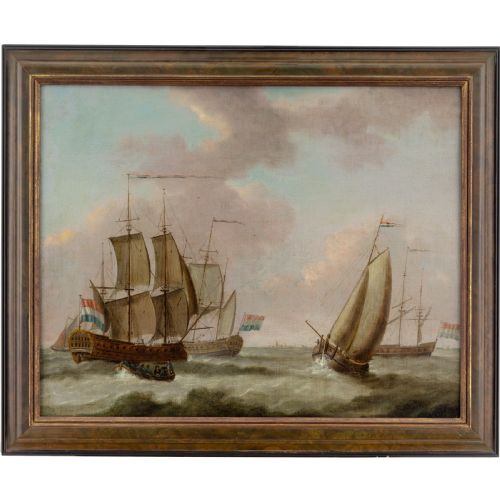
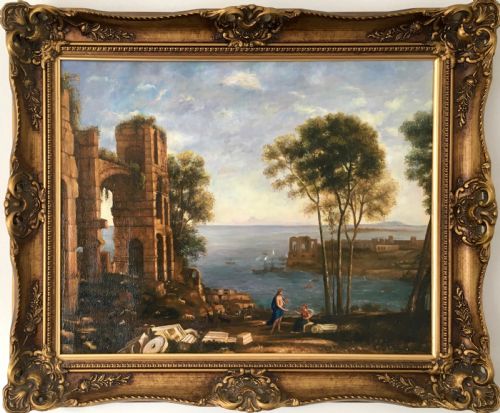
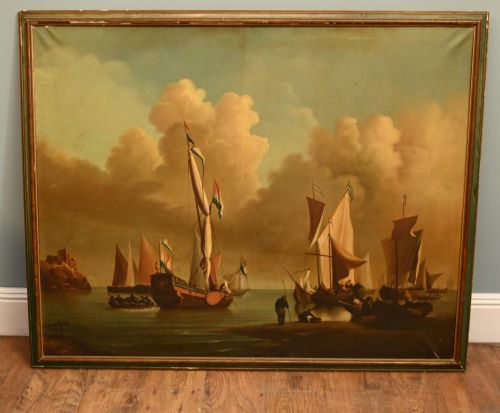
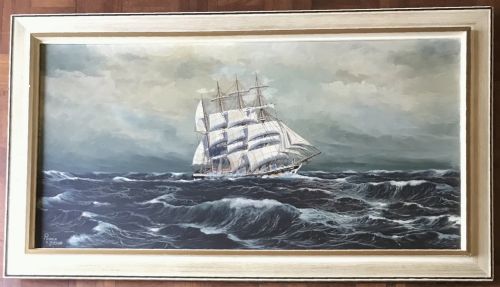
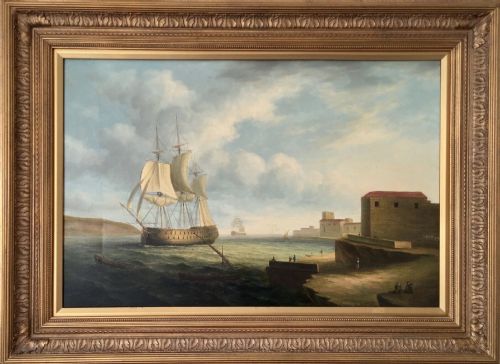
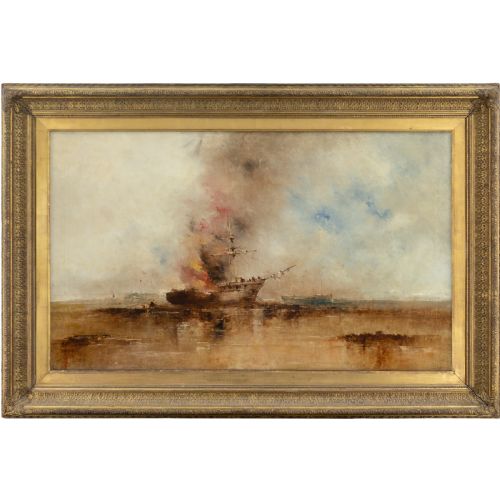
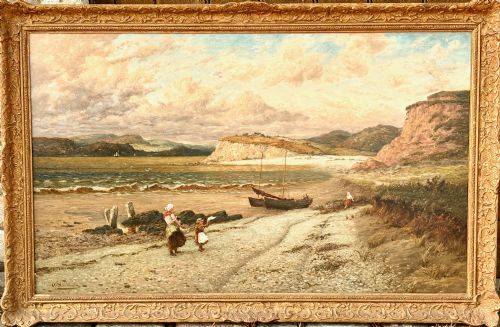
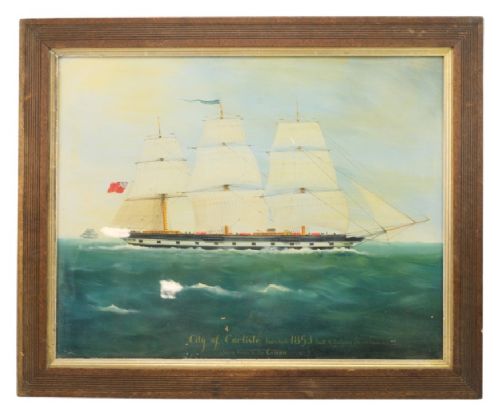
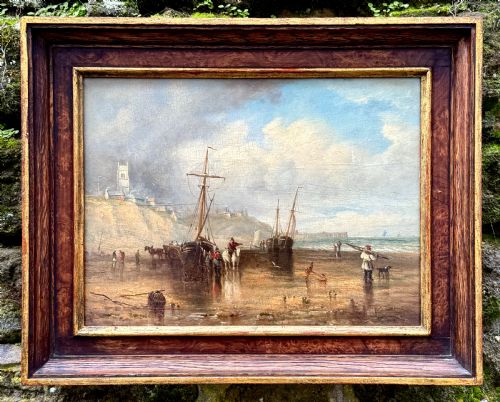
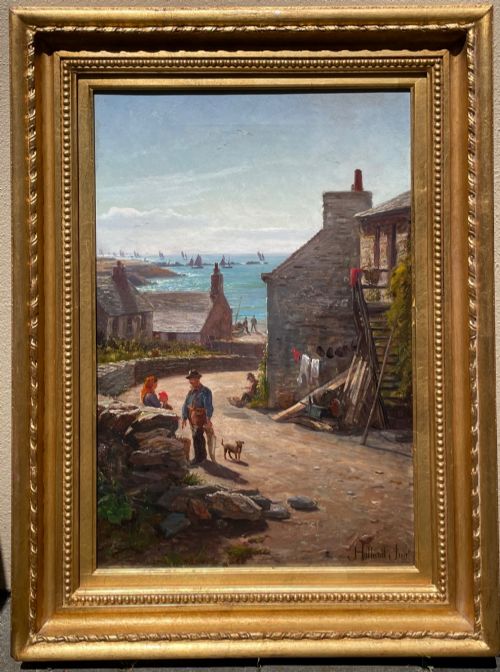
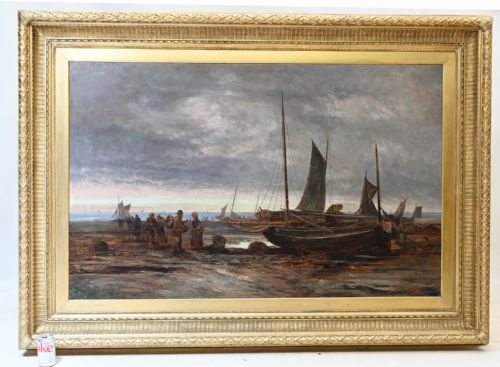
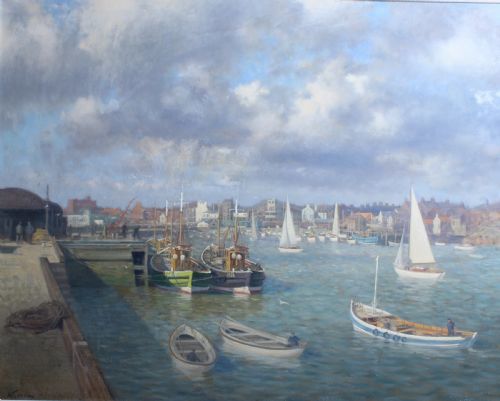
When you search for a traditional seascape oil painting, you encounter coastal views, harbour scenes and marine vessels rendered in oil paint.
Traditional Seascape Oil Painting
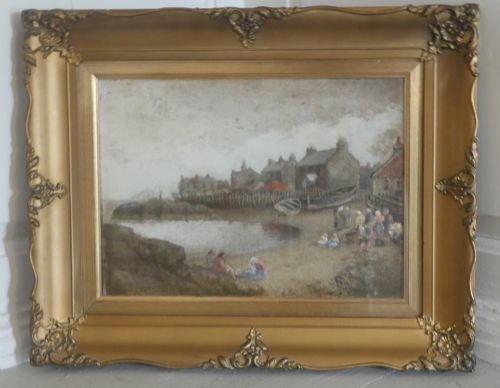
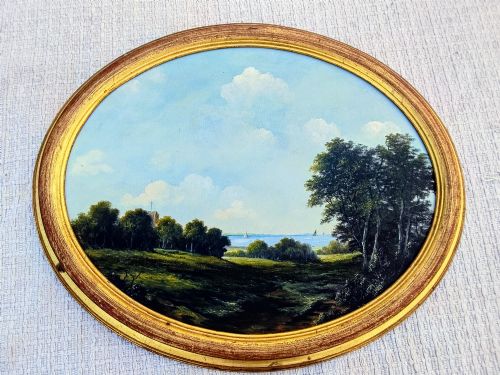
A traditional seascape oil painting captures maritime subjects, including ships, harbours, coastal villages and open waters. These works span the nineteenth century into the twentieth century, reflecting varied approaches to marine subjects.
The most common examples on this page are nineteenth-century and Victorian canvases depicting British and European coasts, often featuring fishing boats, warships or tranquil harbour views.
Makers and named artists appear alongside anonymous works of the English and Victorian schools, offering a broad view of coastal painting traditions.
How they were made
These works utilise oil paint applied to canvas or wood panels, allowing for varied textures from smooth glazing to thick impasto in rendering water and sky. Painters built up compositions through layers of pigment to capture light on the sea.
Many canvases are housed in period frames constructed from wood, gesso and giltwood, reflecting the framing practices of the nineteenth and early twentieth centuries.
Listings span the nineteenth and twentieth centuries, featuring oil on canvas and oil on board depicting maritime scenes.
What varies in quality
The quality of a traditional seascape oil painting rests in the handling of light, atmosphere and water movement, where confident brushwork separates accomplished compositions from stiffer academic exercises. Artists who successfully convey the weight of a ship or the turbulence of choppy seas elevate the work.
Condition plays a part in the evaluation, relating to the preservation of the original paint surface, the stability of the canvas and the integrity of any associated giltwood and gesso framing.
James Hardy·William McAlpine·Thomas Creswick·John Holland·James Webb
The Traditional Seascape Oil Painting Glossary
- Oil on Canvas
- A painting medium where pigments bound in oil are applied to a stretched woven fabric support. This combination permits blending and rich surface textures.
- Giltwood
- Wood that has been coated with a thin layer of gold leaf or gilt powder. It is frequently found on nineteenth-century picture frames.
- Gesso
- A paint mixture consisting of a neutral binder mixed with chalk, gypsum, or pigment. It served as a prepared surface on wood panels or frames before gilding.
- Impasto
- Paint applied thickly to a canvas, standing out from the surface so that brush or palette knife marks remain visible. This technique is often used to render breaking waves or clouds.
Traditional Seascape Oil Painting: Frequently Asked Questions
How do I date a seascape painting?
Dating relies on stylistic clues, costume details of figures on the shore, ship architecture and the canvas preparation methods. Frame styles also offer helpful chronological indicators.
Signatures, artist records and inscriptions on the reverse of the canvas or stretcher provide further confirmation of the period.
What subjects appear in these paintings?
Common subjects include fishing trawlers in choppy seas, merchant vessels, naval warships, lighthouses and quiet coastal harbours. Venice canals and specific British coastal towns also feature prominently.
Artists frequently recorded recognisable locations such as the Isle of Man, Valletta harbour or local south coast ports.
How should I hang an oil painting?
Select a wall away from direct sunlight, high humidity and significant temperature fluctuations, which can damage both the canvas and the gilt frame. Secure picture hooks should match the weight of the framed work.
Ensure the painting hangs level using appropriate fixings suited to the wall construction of your room.