

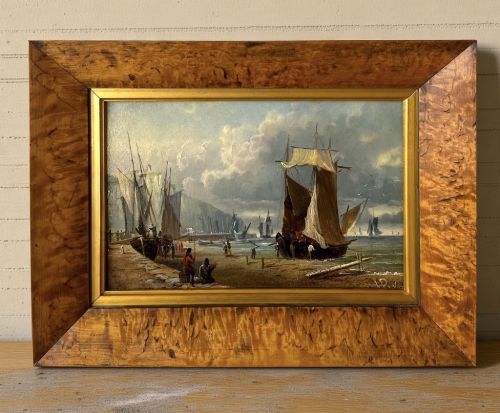
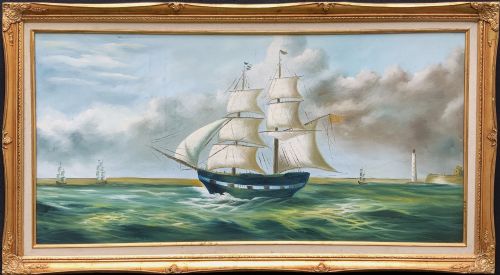
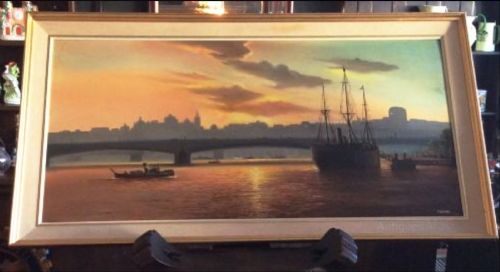
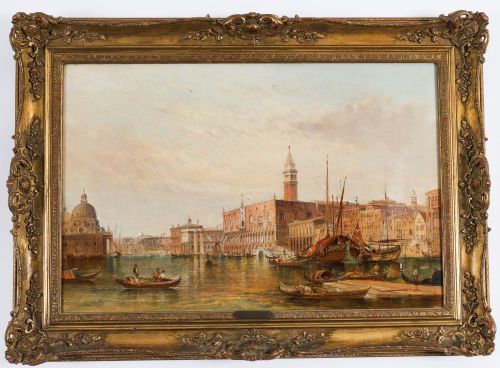

Traditional Seascape Canvas
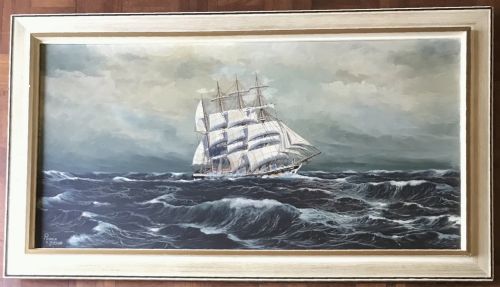
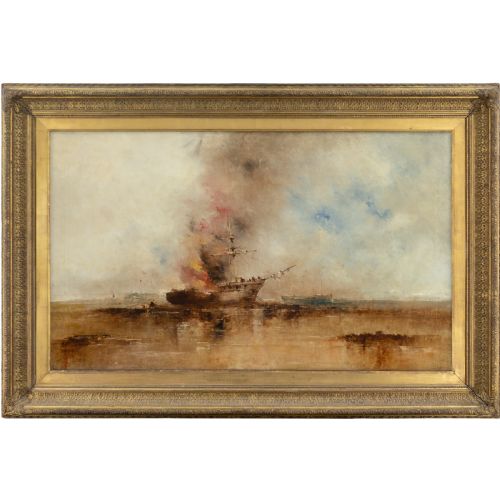
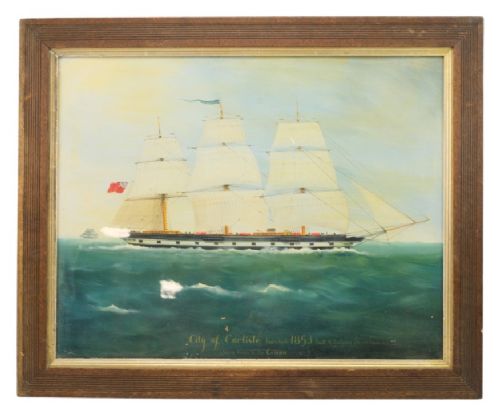
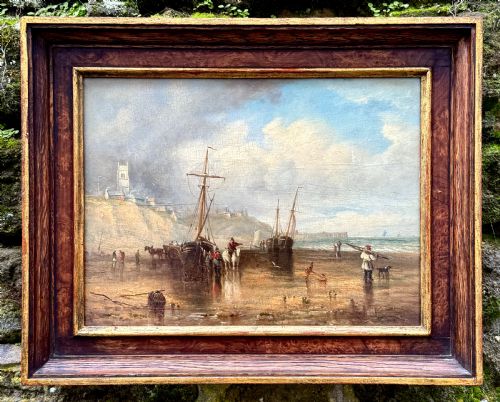
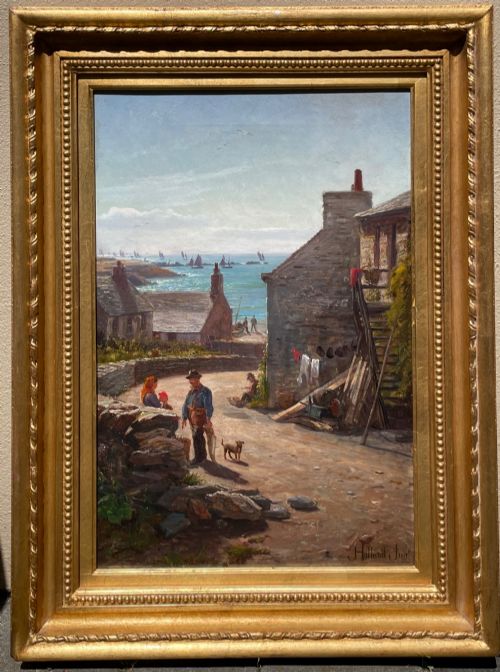
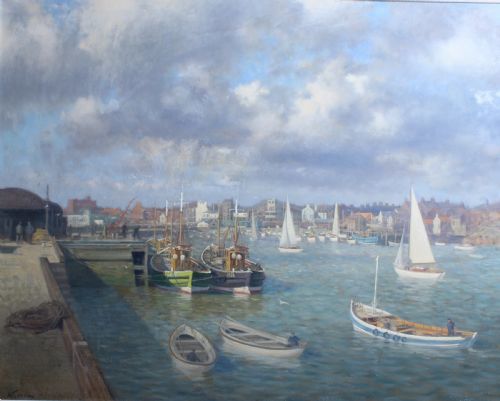
A traditional seascape canvas brings the movement of open water and historic vessels directly onto the wall.
Traditional Seascape Canvas
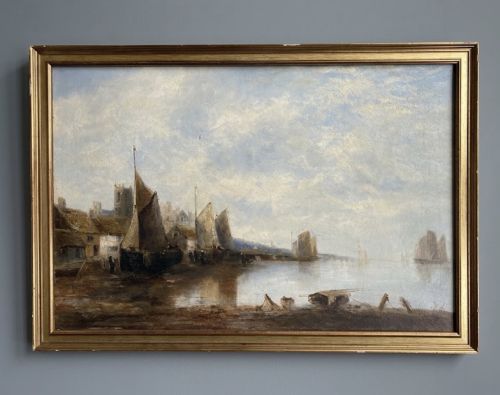
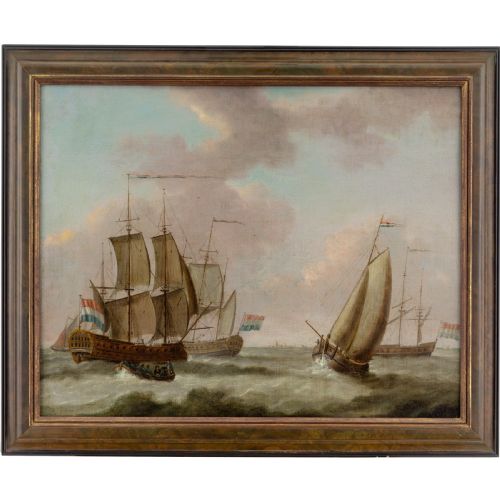
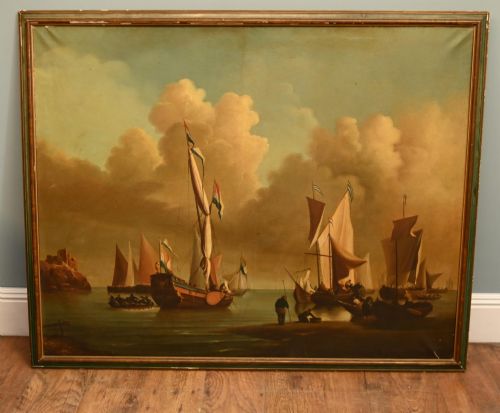
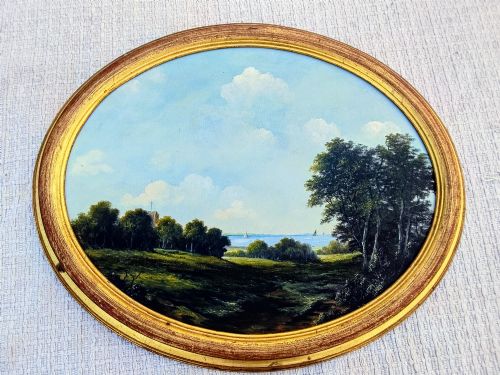
When searching for a traditional seascape canvas, a buyer encounters painted representations of coastal harbours, merchant shipping, and stormy coastal waters. The pieces appearing here span from the eighteenth century through to the mid-twentieth century, with a strong representation of Victorian marine art and nineteenth-century coastal scenes.
Materials and Technique
The foundation of these works relies on woven canvas stretched across wooden frames, providing a stable surface for oil paint. Artists applied pigment using brushes and palette knives to build texture, capturing the weight of heavy seas, billowing sails, and atmospheric coastal light.
Surviving pieces frequently retain their original frames constructed from timber, moulded gesso, and applied gilding. These frames complement the maritime subjects, enclosing the painted canvas with decorative mouldings characteristic of their period.
Traditional Seascape Canvas Retail Price Guide 2026
Typical asking prices for traditional seascape canvas among the pieces listed under this phrase on Sellingantiques today, from the lower quarter to the upper quarter. They describe what is for sale here now, not the wider market.
Listings feature works executed in oil on canvas, framed in period wood and gesso, spanning the Victorian era through the mid-twentieth century.
Quality Variations
Distinctions in quality rest upon the artist's ability to render the physics of water, wind, and vessel rigging with conviction. Superior works demonstrate a sophisticated handling of atmospheric light and tonal depth, whereas lesser examples rely on formulaic repetition.
The integrity of the canvas and the preservation of the original oil paint layer dictate the condition grade. Finer pieces maintain stable paint surfaces without extensive retouching, whilst lesser items may show heavy craquelure or structural intervention to the fabric.
Hans Harlander·William McAlpine·Thomas Creswick·John Holland·Walter Goodin·William Edward Webb·George Shaw·Hendrik Willebrord Jansen·James Webb·John Douglas Perrett·Dion Pears·Jane Vivian·George Henry Knight·Thomas Rose Miles·John Callow·Ebeneezer Colls·Owen Bowen·Edward Henry Holder·Herbert James
The Traditional Seascape Canvas Glossary
- Oil on Canvas
- Pigment bound in a drying oil, usually linseed, applied to a woven fabric support. This combination allows for rich blending and textured impasto suited to depicting turbulent seas.
- Giltwood
- Timber carved and coated with gold leaf or metallic powder, frequently used for traditional frames. It provides a warm, reflective border that enhances the colours within the painting.
- Gesso
- A plaster-like preparation mixture consisting of a binder mixed with chalk, gypsum, or pigment. Applied to wooden frame mouldings, it creates a smooth surface for subsequent gilding.
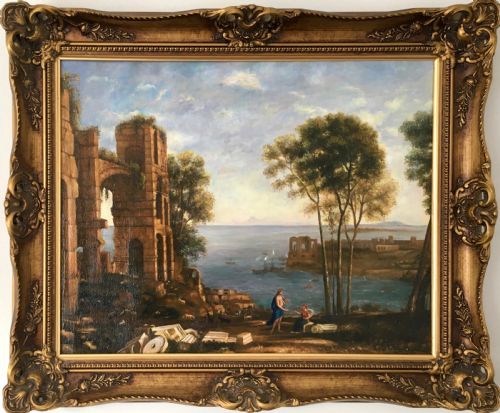
- Capriccio
- An architectural fantasy placing together buildings, archaeological ruins, and other architectural elements in a fictitious combination. In marine contexts, it often arranges fictional harbours and shipping.
- Impasto
- Paint applied thickly to a canvas, standing out from the surface so that the brush or palette knife marks remain visible. Artists utilise this technique to render the churning crests of waves.
Traditional Seascape Canvas: Frequently Asked Questions
How do I date a seascape canvas?
Dating relies upon examining the style of the vessel rigging, the clothing of any coastal figures, and the construction methods of the stretcher frame. Canvas types and supplier stamps on the reverse also offer reliable chronological clues.
Comparative analysis with documented works by the same school or artist narrows the decade of creation. Frame styles contemporary to the painting further assist in confirming the period.
Where should I hang an oil seascape?
These works require placement away from direct sunlight and excessive humidity to protect the oil paint and canvas substrate. Stable indoor environments prevent the wood and canvas from expanding and contracting.
Positioning them at eye level in rooms with balanced artificial lighting allows the tonal contrasts of the sea and sky to read clearly. Heavy gilt frames require secure wall fixings suited to the combined weight of the canvas and timber.
What is the difference between marine art and a seascape?
Marine art specifically focuses on human interaction with the sea, featuring ships, naval battles, harbours, and fishing vessels. The primary subject is nautical activity rather than purely natural water.
A seascape concentrates primarily on the sea itself, the coastline, and atmospheric weather conditions over the water. While vessels may appear in a seascape, the emphasis remains on the landscape and the marine environment.