










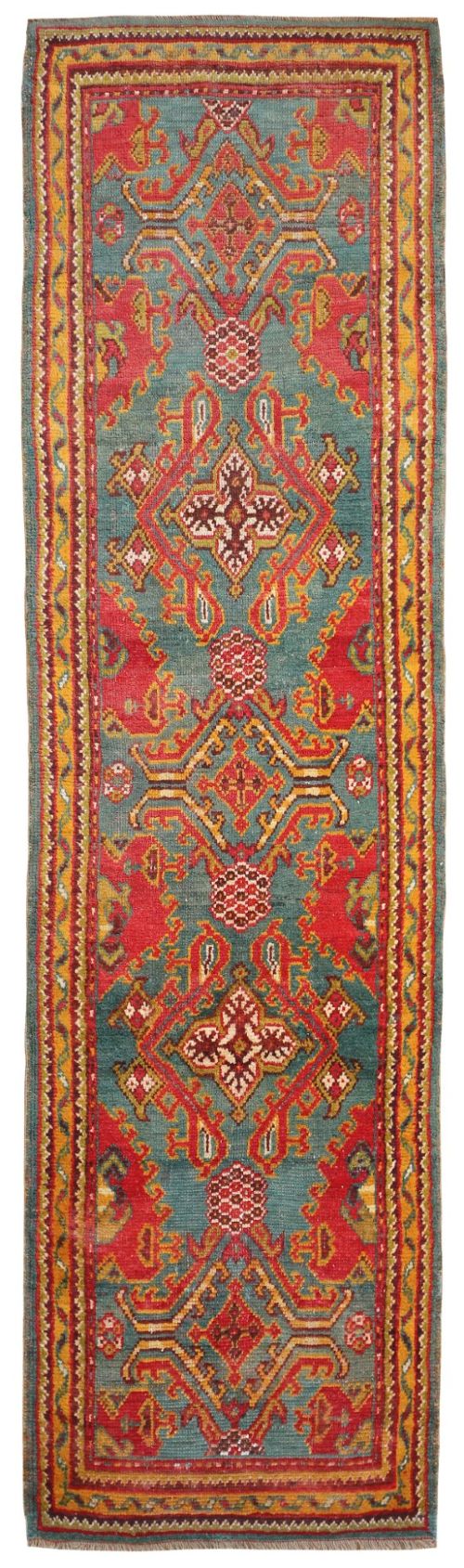
Traditional Runner Rug
A traditional runner rug brings warmth and enduring pattern to narrow corridors and stairways.
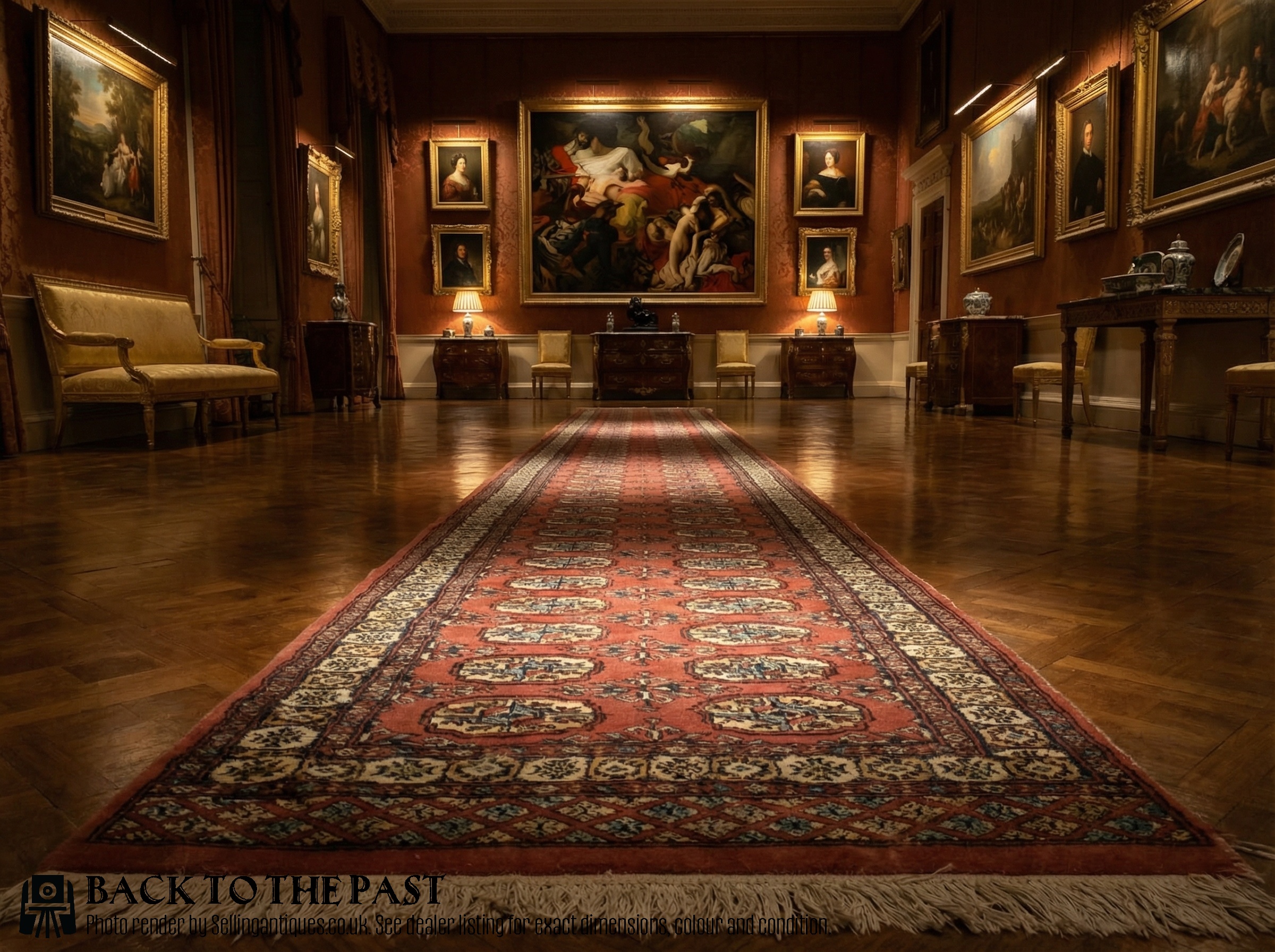
Traditional Runner Rug
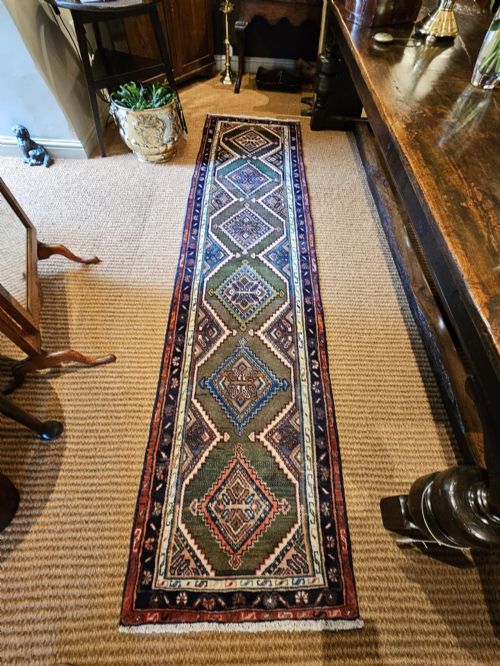
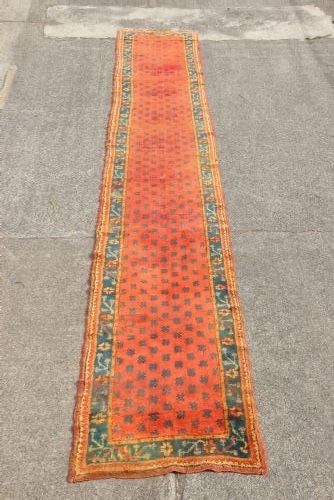
A traditional runner rug is a long, narrow floor covering designed for hallways, staircases, and corridors. These pieces bring linear geometry and rich colour to domestic spaces through time-tested weaving traditions.
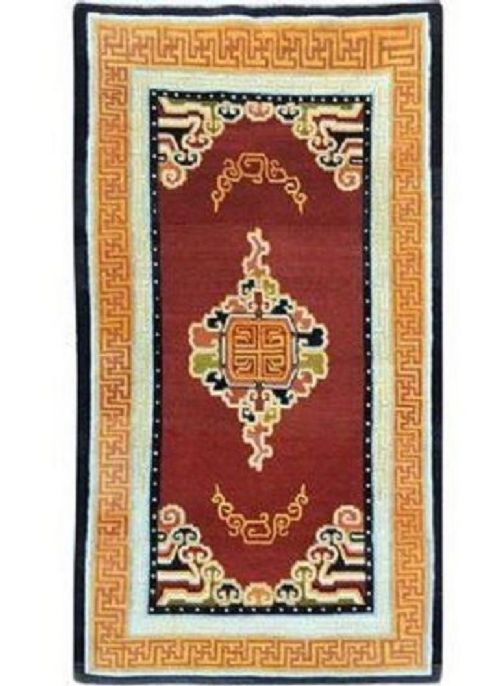
The selections available here span from the late nineteenth century into the early decades of the twentieth century. Examples include Persian tribal works, Caucasian pieces, and Turkish village kilims.
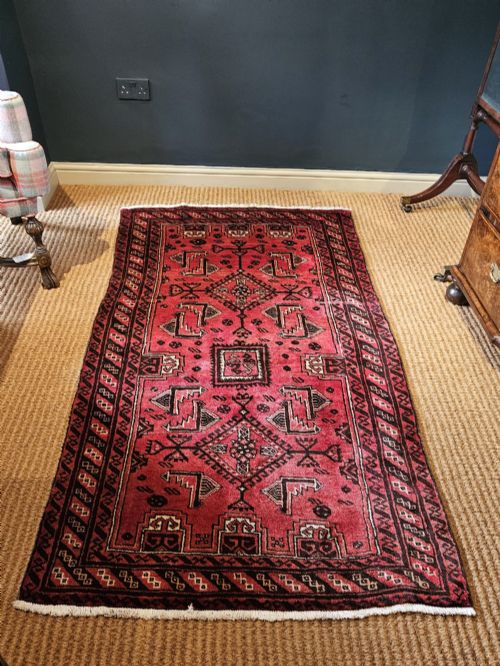
Buyers encounter regional forms such as Hamadan, Karadja, Senneh Bijar, Heriz, and Kazak runners. Each village or tribal group employs distinctive palette choices and structural characteristics.
Construction and materials
These textiles utilise wool, hand-spun wool, and cotton foundations as the primary structural materials. Artisans knot or weave the pile firmly to withstand the heavy foot traffic typical of hallways.
Natural dyes provide the varied colour palette seen across these floor coverings. The combination of hand-spun wool and natural colourants creates depth and subtle tonal shifts within the traditional designs.
Traditional Runner Rug Retail Price Guide 2026
Typical asking prices for traditional runner rug among the pieces listed under this phrase on Sellingantiques today, from the lower quarter to the upper quarter. They describe what is for sale here now, not the wider market.
Listings feature pieces spanning the decades from 1890 to 1930, originating from Persian, Caucasian, and Turkish weaving traditions.
Judging quality in runner rugs
Quality rests in the tightness of the weave and the clarity of the regional design motifs. Denser knotting supports longevity in narrow formats subjected to daily wear.
The sophistication of the natural dyes and the fidelity of tribal geometric or boteh patterns elevate certain pieces. The integrity of the foundational wool and cotton structure dictates the overall robustness of the textile.
The Traditional Runner Rug Glossary
- Runner
- A long and narrow floor covering suited for corridors and staircases. This format defines the specific proportions required for linear spaces.
- Kilim
- A flat-woven carpet or runner produced without a pile. These pieces rely on interlocking weft threads to form crisp geometric patterns.
- Boteh
- A stylised almond or paisley motif representing a floral or cypress sprout. This ancient Persian design appears frequently in tribal and village weavings.
- Natural Dyes
- Colourants derived from plant, insect, and mineral sources. These materials yield rich, fading patinas that synthetic dyes cannot replicate.
Traditional Runner Rug: Frequently Asked Questions
Where should I place a runner rug?
These long formats suit narrow hallways, corridors, and staircases where linear decoration is needed. They guide movement through a home while protecting timber or tiled floors from heavy foot traffic.
Because widths vary, measure your corridor carefully to leave a uniform border of exposed floor on either side of the textile.
How do I identify a regional style?
Regional styles reveal themselves through specific motif combinations, knotting structures, and colour palettes. For instance, Caucasian pieces often display bold geometric polygons, while Persian village rugs favour intricate medallion or all-over field patterns.
Comparing the border arrangements and secondary filler ornaments helps pinpoint the specific weaving origin.
Are these rugs durable enough for daily use?
Traditional village and tribal runners are constructed from robust wool with dense foundations designed for everyday utility. Their historical use in busy household areas demonstrates their inherent resilience.
Utilising a quality underlay helps absorb foot impact and prevents the runner from shifting on smooth flooring.