




Traditional River Landscape Picture
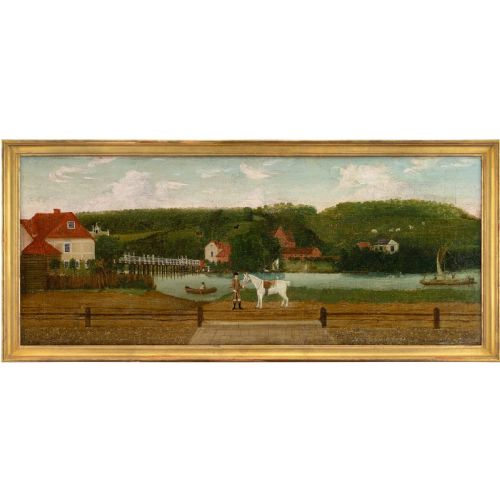
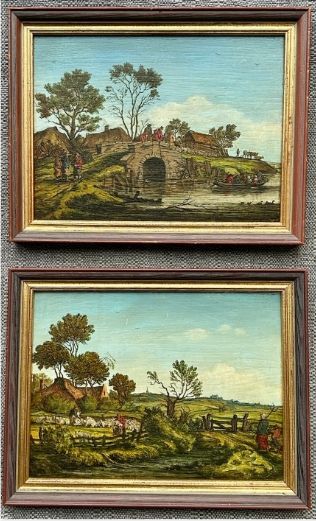
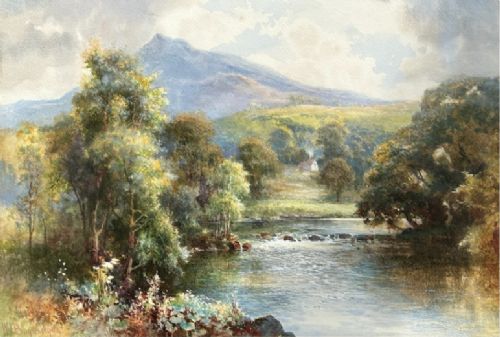
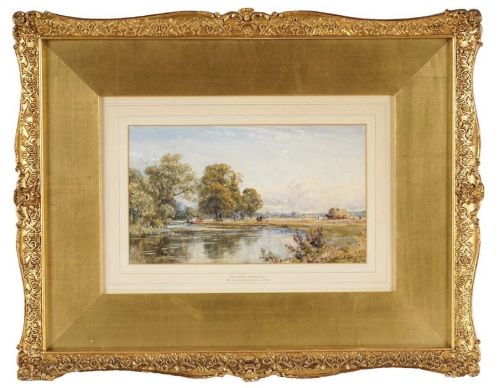
When you search for a traditional river landscape picture, you encounter framed paintings on canvas and paper spanning the eighteenth to the twentieth centuries.
Traditional River Landscape Picture
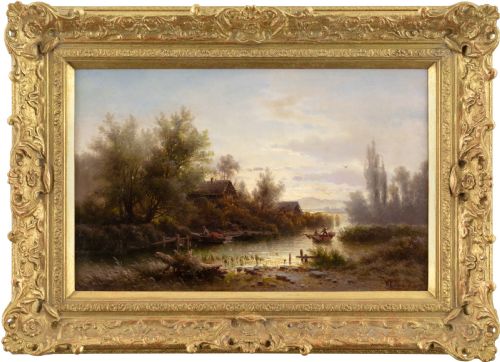
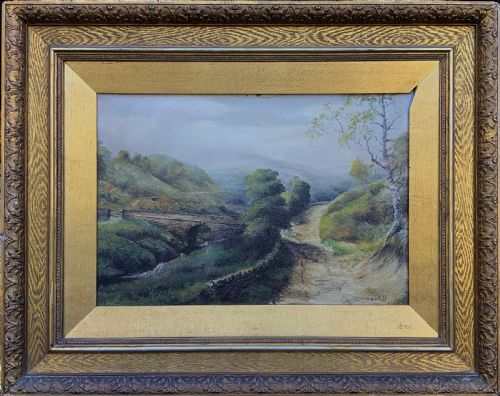
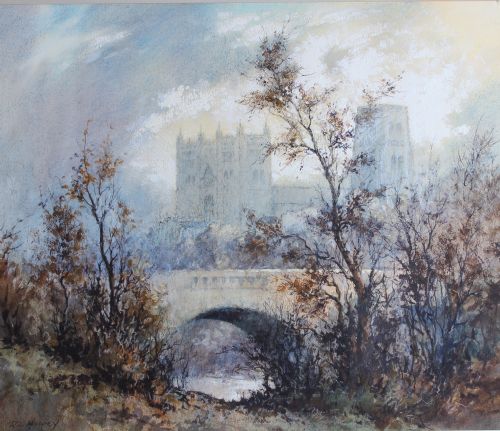
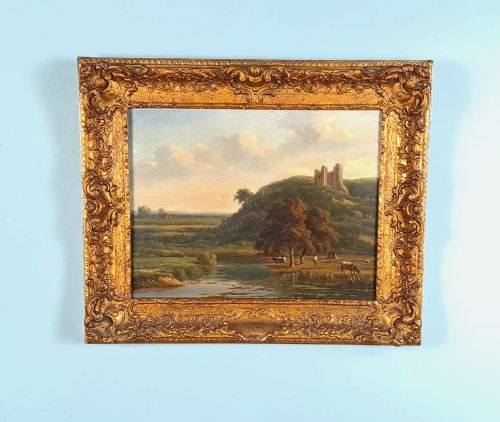
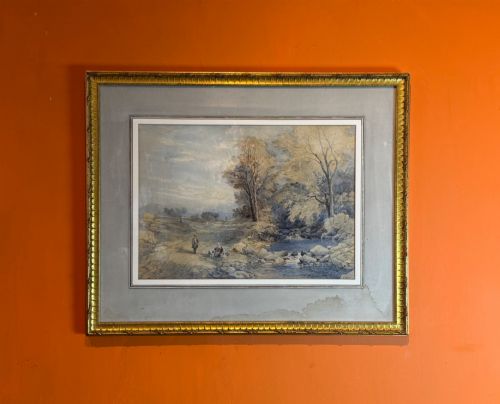
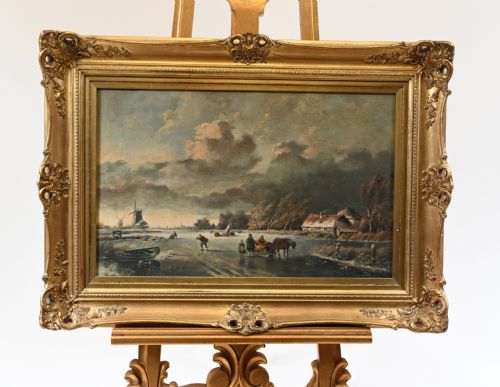
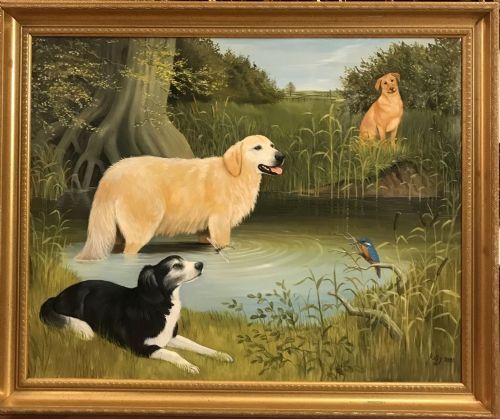
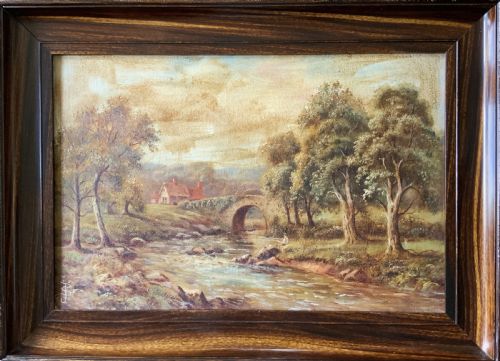
A traditional river landscape picture depicts waterways, banks, valleys, and rural scenery rendered in paint or on paper. You will find these works categorized across oil paintings, watercolour paintings, and framed artwork.
The pieces appearing on this page span several centuries, including Victorian works, nineteenth-century examples, and mid-twentieth-century creations. British, Flemish, Dutch, and French schools are represented among the origins of these works.
Many examples capture specific geographic locations such as Welsh rivers, the Thames Valley, and Scottish landscapes. The subjects often include figures by lakes, riverside estates, and pastoral settings.
Materials and construction
Artists painted these traditional scenes utilising oil on canvas, wood panels, and paper supports. Watercolour and acrylic paints also appear across the selection.
Many works retain their original gilt wood and giltwood frames, which complement the painted composition. Canvas and paper components are frequently secured behind glass.
Riverside cattle and fishing assistants share these waters with stately Victorian gentlemen.
Factors of distinction
The skill of the brushwork and the precision in capturing light and atmospheric mood distinguish individual works. Signed pieces by identified painters often carry greater documentary weight than unsigned school pieces.
The preservation of the original support, whether canvas, wood panel, or paper, influences the integrity of the picture. Original period frames that match the age of the painting contribute to the overall completeness of the object.
Alfred Young Nutt·William Joseph Boyes·Robert Thorne Waite·Albert Rieger·Robert Leslie Howey·T C Hofland·David Cox·T. Bergman·Sydney Yates Johnson·Hubert Wellington·George Vicat Cole·J Laporte·Walter J Watson·Robert Winchester Fraser·Frederick Waters Watts·George Arthur Fripp·Maud Raphael Jones·William Langley·Thomas Baker of Leamington·John Hobson Nicholson·John Cuthbert Salmon·Nasmyth·Frederick Williamson·Gudrun Sibbons·Abraham Hulk Junior
The Traditional River Landscape Picture Glossary
- Oil on Canvas
- Pigment mixed with a drying oil applied to stretched fabric. This medium allows for rich colour blending and textured brushwork.
- Watercolour Painting
- Pigments suspended in a water-soluble vehicle applied to paper. This technique produces translucent washes and delicate atmospheric effects.
- Gilt Wood
- Carved timber treated with a thin layer of gold leaf or metallic gilt. It forms ornate framing for traditional pictures.
- Wood Panel
- A flat wooden board utilised as a rigid support for oil paintings. These panels were common in earlier European traditions.
- Victorian Fine Art
- Works produced during the reign of Queen Victoria characterised by realistic detail and narrative depth. This category embraces various regional landscape schools.
Traditional River Landscape Picture: Frequently Asked Questions
What periods do these river landscape pictures date from?
The pieces span from the late eighteenth century through the Victorian era and into the mid-twentieth century. You will encounter works dated across the 1800s, 1900s, and 1950s.
Specific dates or estimated decades are recorded in the individual titles based on artist lifespans and stylistic evidence. Both Georgian and Regency sensibilities appear alongside later Victorian pastoral examples.
How do oil paintings differ from watercolours here?
Oil paintings utilise pigment on canvas or wood panels, offering heavy textures and deep colour layering. Watercolours employ pigment on paper, yielding lighter and more translucent compositions.
Oils are typically framed behind canvas stretchers or wood, while watercolours require glass protection to preserve the delicate paper surface.
Where were these landscape pictures originally created?
The origins include British, Scottish, and Welsh scenes alongside continental European traditions. You will find specific regional views from locations like the Thames Valley and Durham.
Flemish, Dutch, and French schools also contribute to the geographical spread represented in the artworks.
How should I display a framed antique artwork?
Display your picture away from direct sunlight and excessive moisture to protect the canvas, paper, and pigments. Maintaining stable room temperatures preserves both the artwork and any original gilt wood frame.
Ensure the hanging hardware securely supports the weight of the frame and backing materials.