

Traditional Red Armchair
A traditional red armchair brings depth and warmth to a room, offering a functional seat with rich upholstery.
Traditional Red Armchair
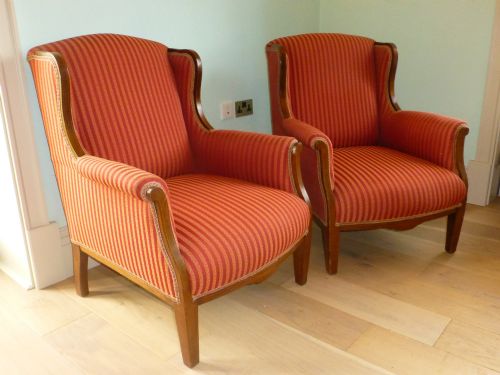
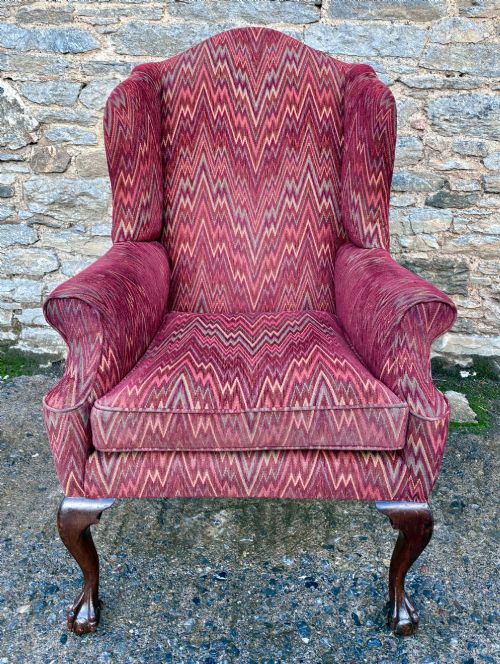
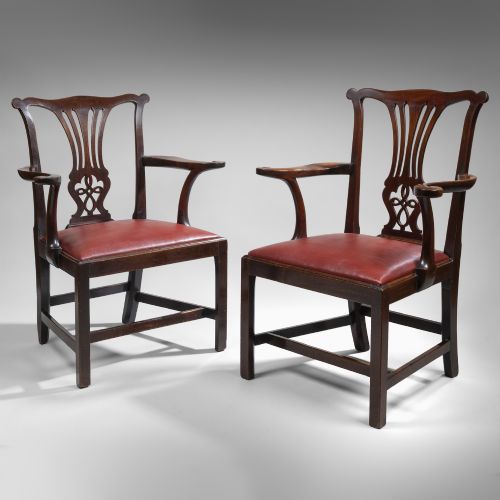
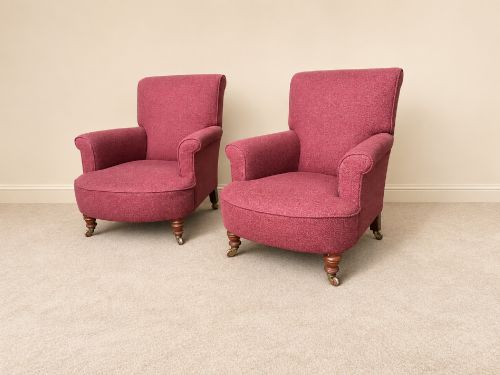
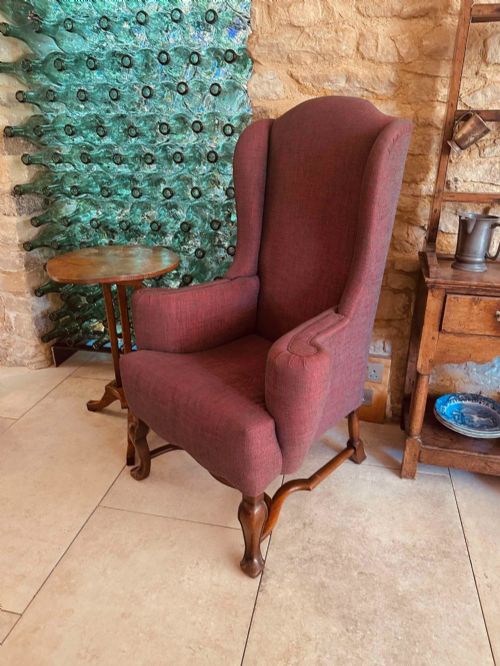
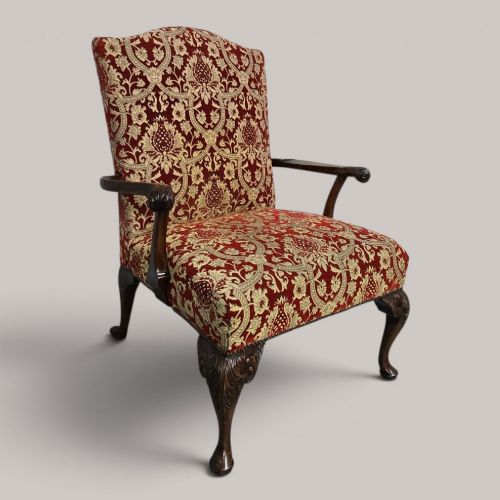
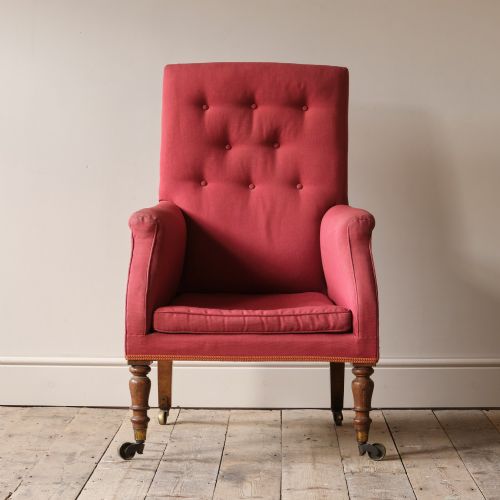
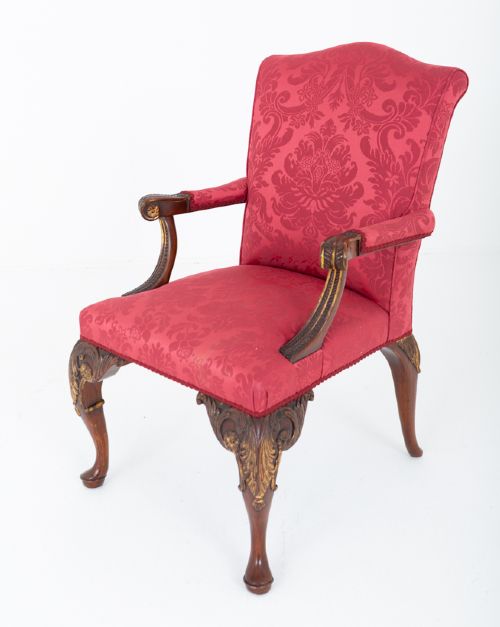
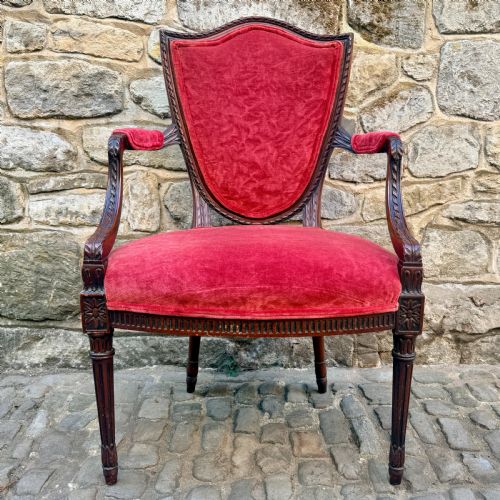
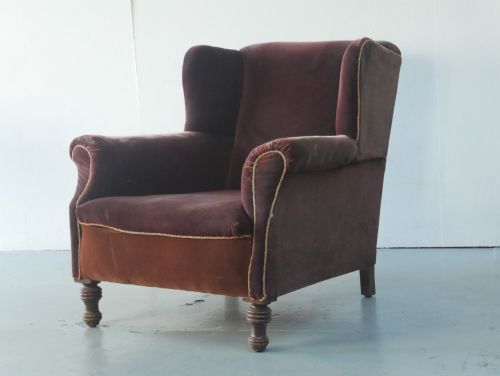
A traditional red armchair spans styles from the Georgian period through to the 1930s, encompassing wingback designs, library chairs, and gentleman's armchairs. When searching for a traditional red armchair, buyers encounter seating framed in mahogany, oak, walnut, or timber, often covered in red velvet, leather, chenille, or fabric.
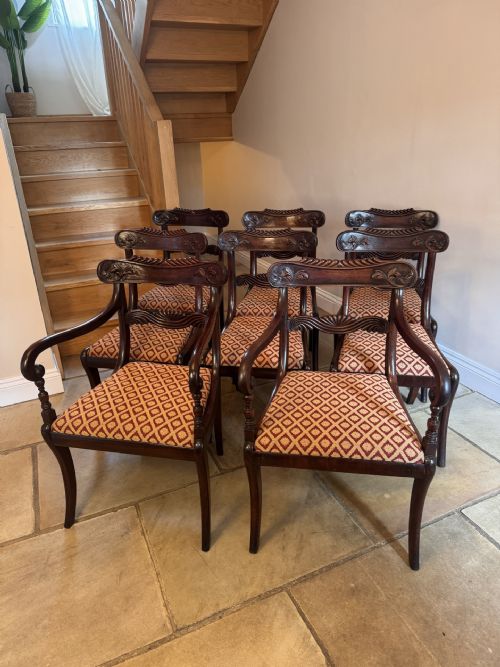
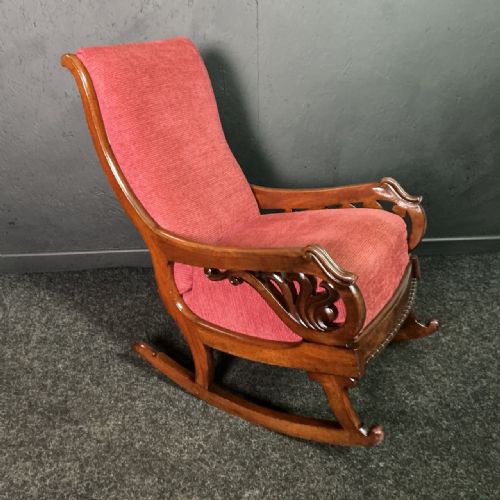
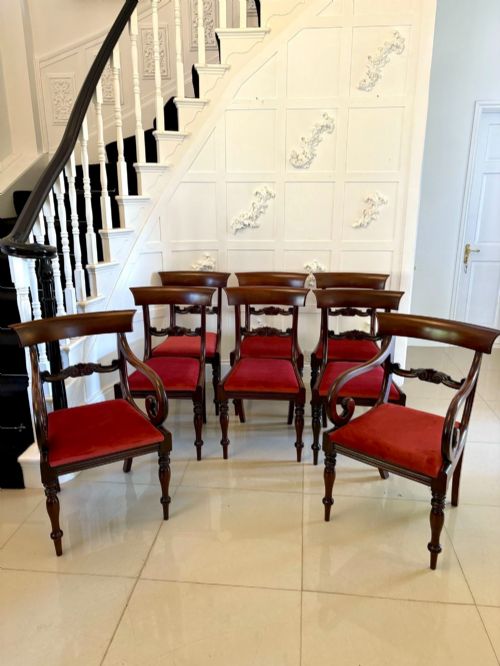
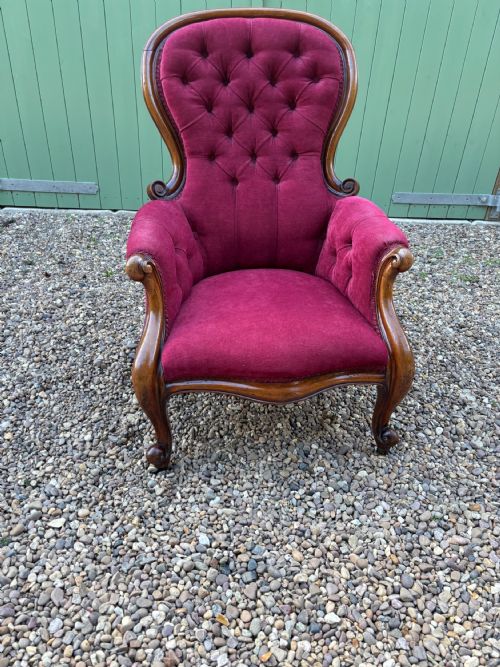
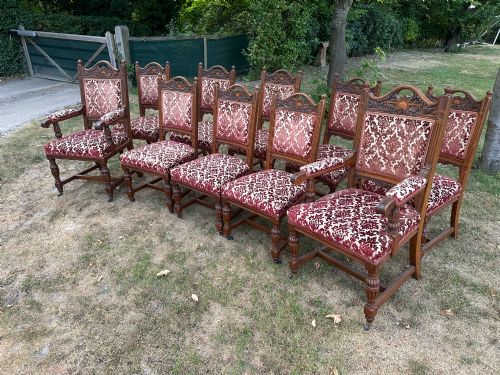
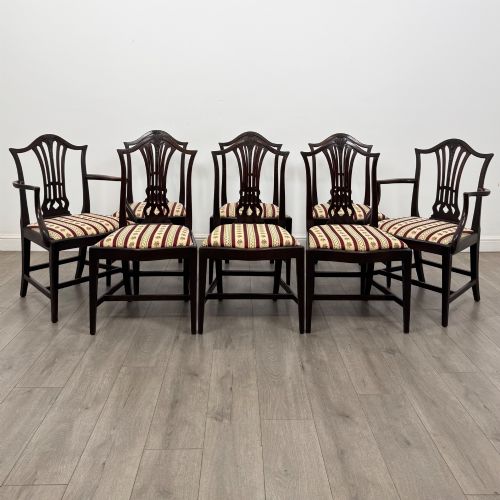
The selections on this page range from early nineteenth-century country house open armchairs and Regency scroll arm chairs to oversized Victorian oak and red velvet armchairs. Edwardian and later twentieth-century iterations also appear, alongside wingback and club chair forms.
How they were made
Frames are constructed from dense timbers such as mahogany, oak, and walnut, frequently shaped with carved details or turned supports. Joinery relies on traditional methods to secure the wooden skeletons before upholstery work begins.
Upholstery materials include leather, velvet, chenille twill, and standard fabric, sometimes finished with brass studs. Caned panels feature on specific Edwardian and walnut-framed bergère designs.
Traditional Red Armchair Retail Price Guide 2026
Typical asking prices for traditional red armchair among the pieces listed under this phrase on Sellingantiques today, from the lower quarter to the upper quarter. They describe what is for sale here now, not the wider market.
Some chairs arrived with brass head mounts or swivel tilts, proving that past generations took their desk ergonomics very seriously indeed.
What varies in quality
The calibre of timber selection and the precision of the frame carving separate standard examples from finer pieces. Dense flame mahogany and well-figured walnut indicate a higher grade of initial construction.
The choice and execution of the covering material - such as deep buttoned leather or thick velvet secured with neat brass studding - influence the overall standard of the finished seat.
Howard and Sons·Alfred Allen of Birmingham
The Traditional Red Armchair Glossary
- Wingback armchair
- A seat featuring protective side panels designed to shield the occupant from draughts. These upholstered chairs often stand on wooden legs.
- Library chair
- A comfortable armchair designed for reading rooms, frequently upholstered in leather or heavy fabric.
- Bergère
- An enclosed upholstered armchair with a wooden frame, often featuring cane panels on the back and sides.
- Carver
- An armchair intended for the head of a dining table, matching a set of smaller side chairs.
Traditional Red Armchair: Frequently Asked Questions
How do I identify a Victorian red armchair?
Victorian examples often feature heavy timber frames made from oak or mahogany, paired with deep buttoned leather or red velvet upholstery. They tend to have generous proportions and robust turned or carved wooden supports.
Later Victorian pieces might also incorporate sprung seating and brass castors to aid movement across heavy carpets.
Where should I place a wingback armchair?
A wingback armchair works well beside a fireplace or in a quiet reading corner where its high sides can provide a sense of enclosure. They also suit studies and drawing rooms as statement seating.
Ensure there is enough surrounding floor space to accommodate the flared wings and substantial arms of the chair.
What materials are used for the frames?
Frames are constructed from solid hardwoods such as mahogany, oak, walnut, and general timber. These woods provide the structural strength needed to support heavy upholstery and daily use.
Some pieces display exposed carved woodwork, while others conceal the frame entirely beneath fabric or leather.
How do Georgian armchairs differ from Edwardian ones?
Georgian armchairs, dating from the eighteenth century, typically feature restrained mahogany frames with classical carved motifs. They often show finer joinery and lighter proportions than later iterations.
Edwardian chairs, produced around the start of the twentieth century, frequently utilise oak or mahogany and sometimes include cane backs or swivel mechanisms for desk use.