

Traditional Reading Chairs Pair
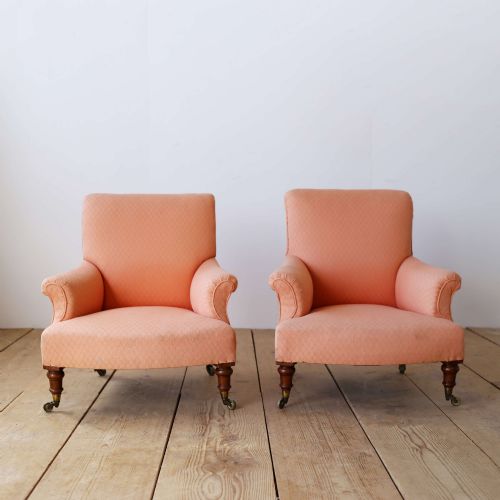
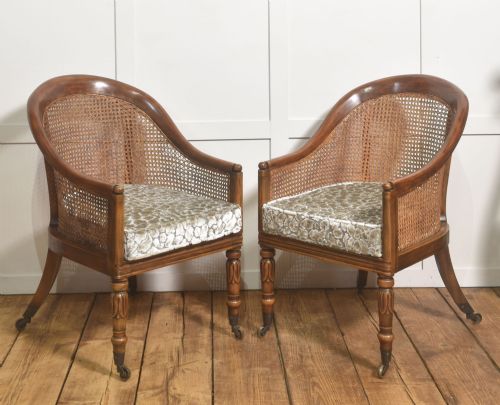
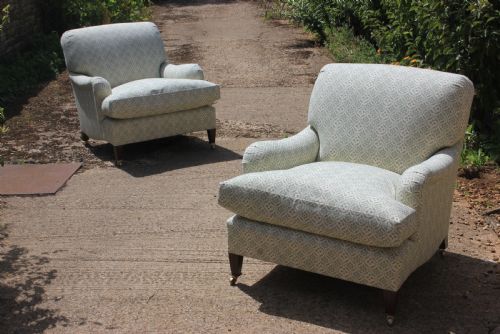
These traditional reading chairs pair sturdy timber frames with deep upholstery, offering a matched seating arrangement designed for fireside comfort.
Traditional Reading Chairs Pair
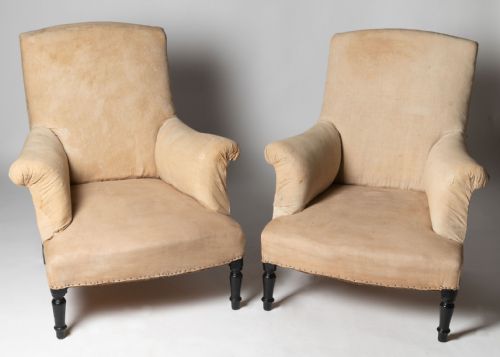
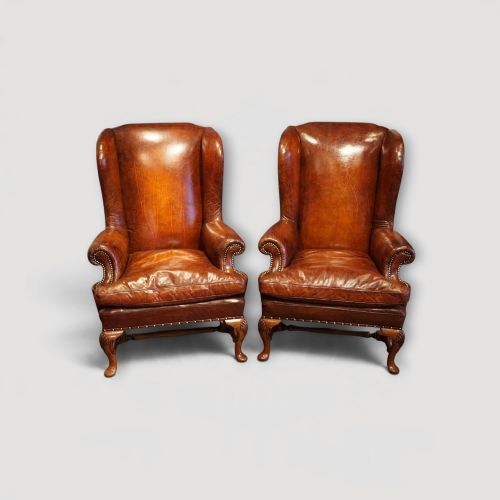
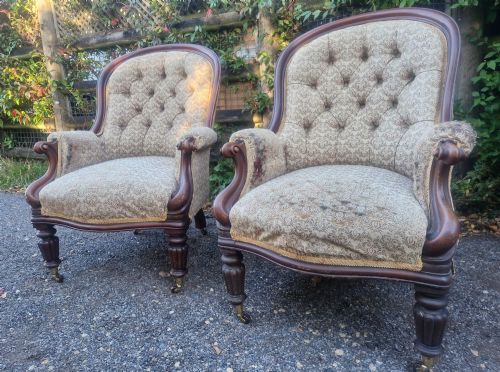
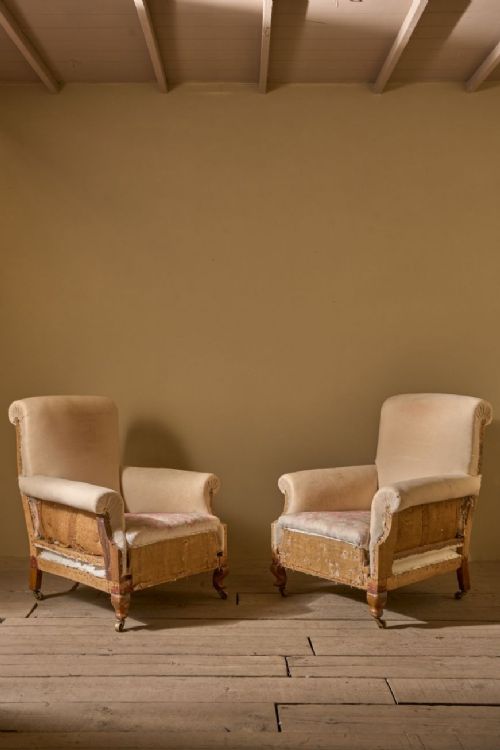
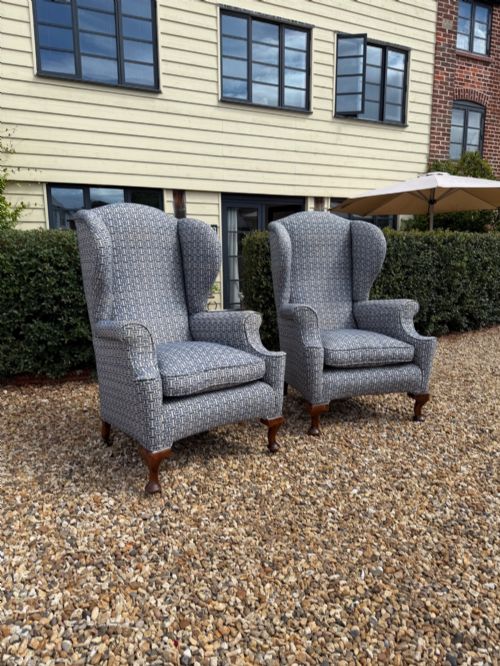
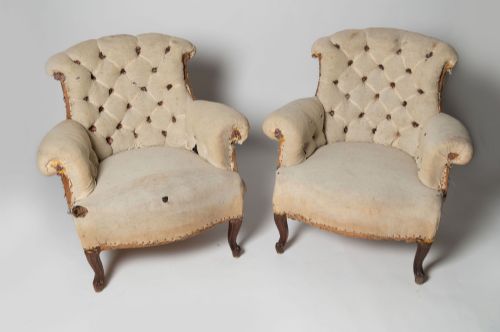
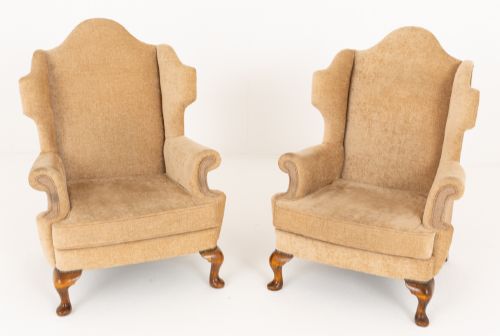
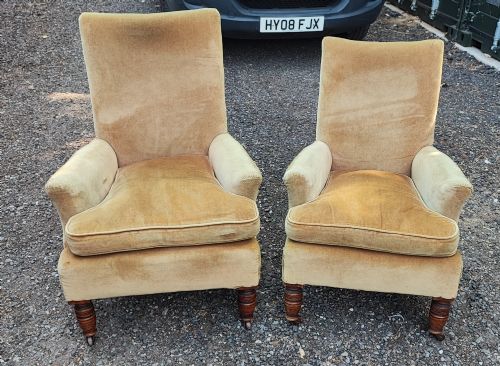
A traditional reading chairs pair comprises matching seating designed for domestic comfort, most frequently encountered here as heavy library armchairs, wingbacks, or club chairs. The selection spans the nineteenth century through the 1920s, incorporating Edwardian and Victorian forms alongside Georgian and Regency revivals.
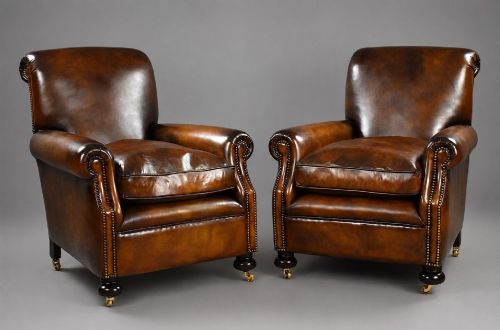
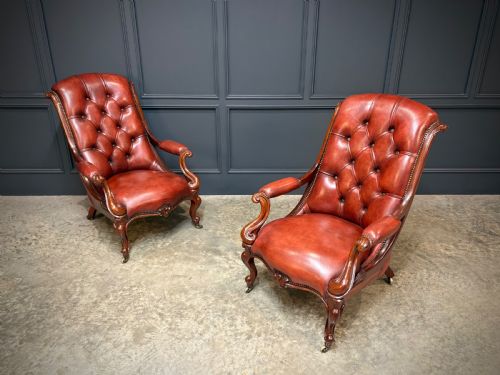
Buyers will find distinct configurations ranging from deep-seated scroll back designs to buttoned leather library chairs and oak or mahogany frames. These pieces emerge from English country house traditions, French workshops, and formal institutional settings, uniting two matching seats for a symmetrical room layout.
Materials and construction methods
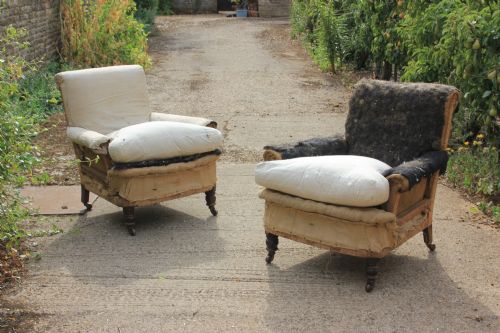
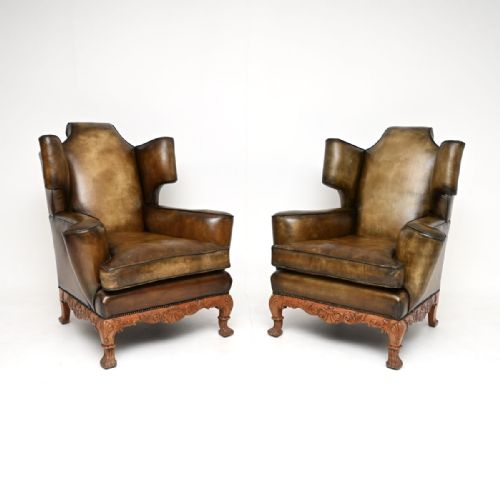
The structural frames rely on hardwoods including mahogany, walnut, oak, and rosewood, often shaped with carved details or brass accents. Joinery is concealed beneath heavy upholstery layers.
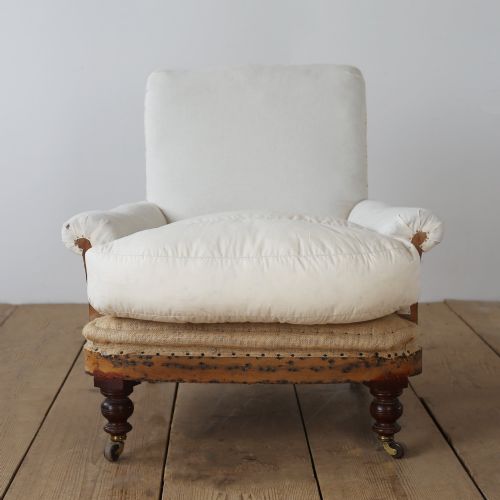
Surfaces are finished in traditional coverings such as supple leather, velvet, calico, and woven fabric. Buttoning and stud work secure the textiles directly to the internal padding and wooden supports.
Traditional Reading Chairs Pair Retail Price Guide 2026
Typical asking prices for traditional reading chairs pair among the pieces listed under this phrase on Sellingantiques today, from the lower quarter to the upper quarter. They describe what is for sale here now, not the wider market.
The selection includes Regency library chairs alongside Edwardian club chairs and Victorian wingbacks.
Factors that distinguish the range
Excellence in these seating pairs rests on the proportion of the wooden frame and the integrity of the internal stuffing. Superior examples demonstrate substantial timber weight, balanced carving, and springs that maintain a firm, supportive seat.
The distinction between standard commercial output and finer pieces lies in the choice of facing material, such as thick hide versus thin fabric, and the precision of hand-stitched detailing along the arms and wings.
Howard and Sons·William Morris
The Traditional Reading Chairs Pair Glossary
- Wingback armchair
- A large seat featuring extended side panels designed to shield the occupant from drafts. These upholstered projections became a staple of nineteenth-century libraries and country houses.
- Library armchair
- A sturdy, often leather-upholstered seat built for long periods of study or reading. They frequently incorporate mahogany or walnut frames with padded armrests.
- Club chair
- A deep, low-slung armchair traditionally covered in dark leather. This form prioritises relaxed lounging over upright posture.
- Gainsborough chair
- An open-framed armchair with a wide seat and padded arms, popular during the eighteenth century and revived in later periods. The design allows generous room for heavy period dress.
- Scroll back
- A timber or upholstered frame feature where the top rail or arm terminals curve outward like a scroll. This silhouette appears frequently in nineteenth-century seating.
Traditional Reading Chairs Pair: Frequently Asked Questions
How do I care for antique leather?
Keep leather away from direct sunlight and heat sources to prevent the material from drying and cracking over time. Regular gentle dusting and occasional specialist conditioning help maintain the surface texture.
Avoid using harsh household cleaners or excessive moisture on nineteenth-century hides. A soft, dry cloth is usually sufficient for routine maintenance.
What is a matched pair?
A matched pair consists of two separate chairs built in the same style, period, and material, designed to sit together symmetrically. They may share identical dimensions and upholstery treatments.
Sometimes chairs from slightly different origins are paired together later in their lifespan based on visual harmony. Examining the frame construction helps confirm if they originated together.
Where were these chairs placed?
These seats traditionally occupied private libraries, studies, and drawing rooms of large country houses. They provided comfortable seating for reading by the hearth.
Their robust construction also suited institutional spaces, gentlemen's clubs, and grand hallways. Today, they function well as central living room statement pieces.
How do I date a timber frame?
Dating relies on observing wood species, construction techniques, and stylistic revivals present in the frame. Mahogany and rosewood dominate earlier nineteenth-century pieces, while oak and walnut appear across various decades.
Secondary woods used in hidden interior framing can also offer clues to the workshop's origin. Comparing carving styles to documented period pieces helps narrow down the decade.