
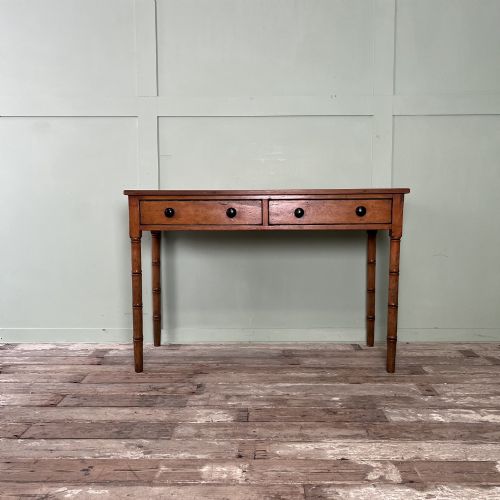
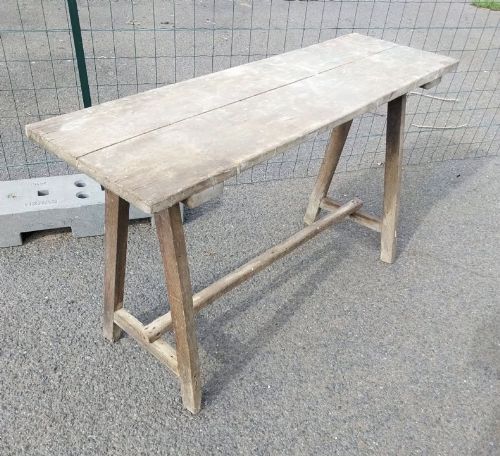
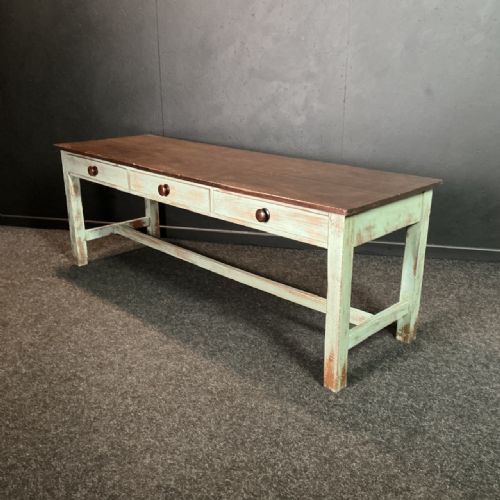
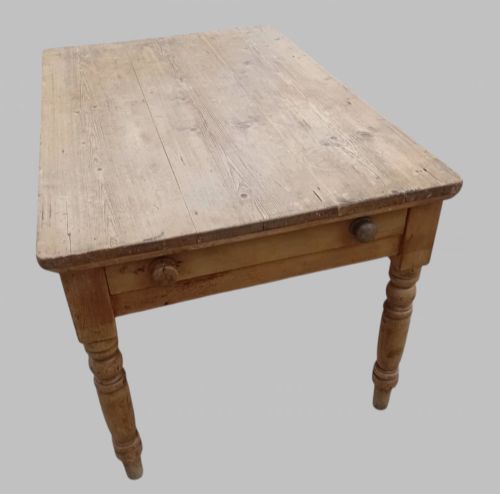
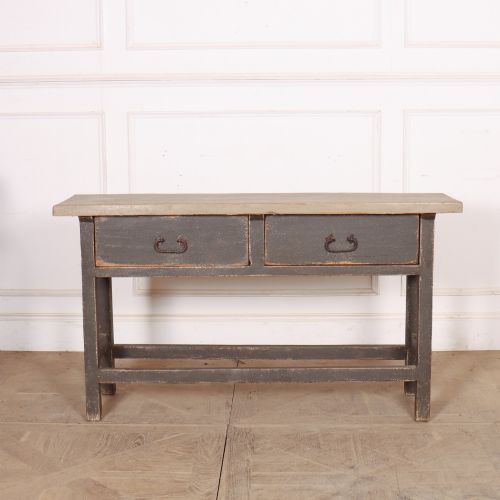
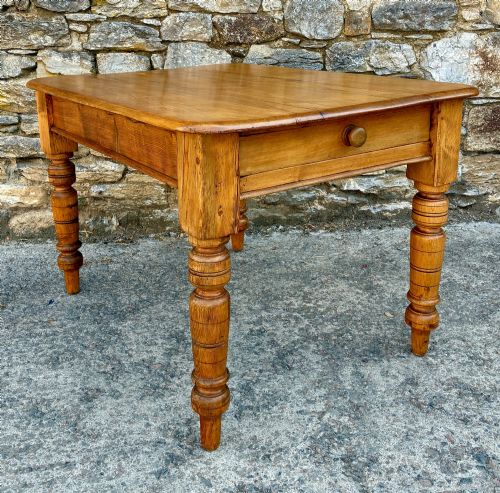

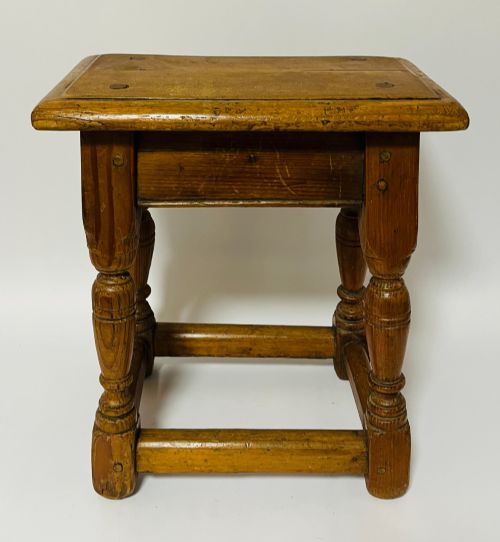
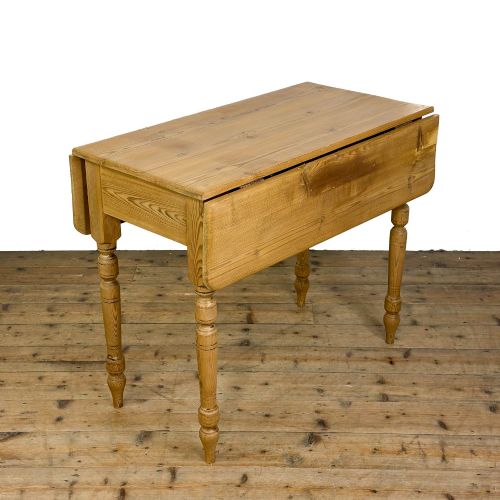
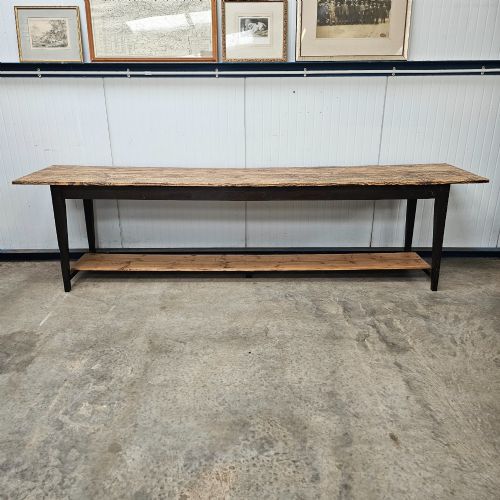
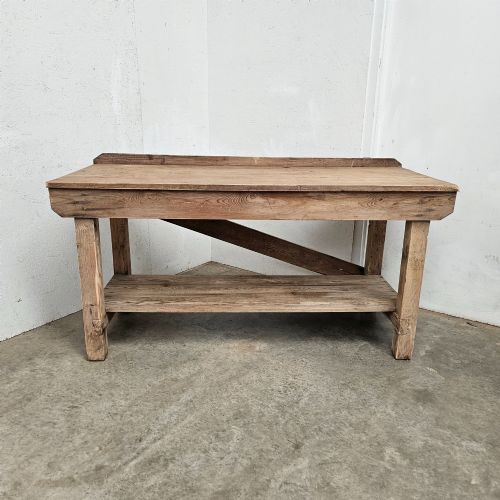

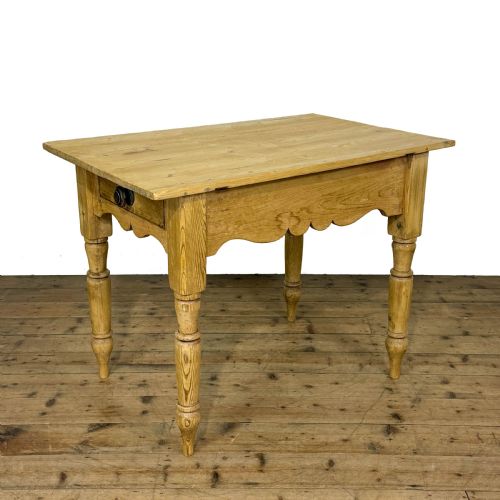
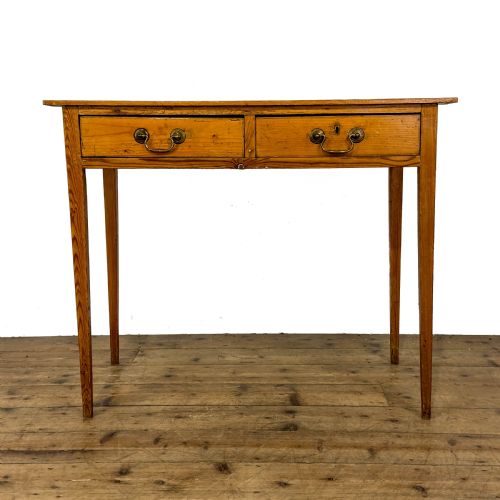

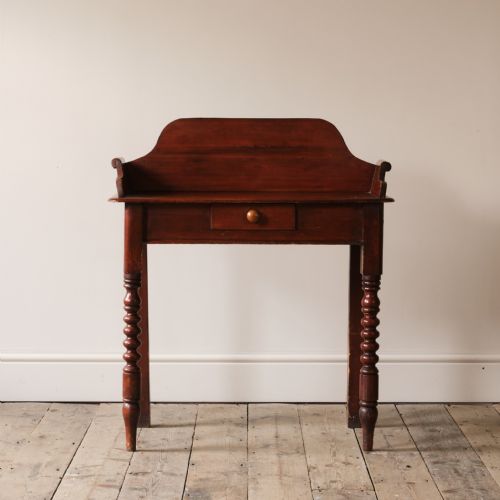
Traditional Pine Side Table
These traditional pine side table pieces offer honest utility and simple charm, built from dependable woods to serve everyday domestic life.
Traditional Pine Side Table
Buyers encounter forms ranging from simple side consoles and bedside cabinets to compact washstands and occasional tables. Many display the straightforward construction typical of vernacular rural furniture.
The aesthetic leans towards rustic farmhouse and rustic Victorian styles, where utility dictates the design. These pieces integrate easily into modern rooms needing warmth and unpretentious surface space.
Materials and construction methods
Makers relied primarily on solid pine, occasionally pairing it with elm for table tops or oak for structural support. Brass and iron hardware, such as hinges or drawer pulls, appear alongside ceramic details.
Surfaces frequently show layers of paint, including traditional Falu paint, or retain plain wood finishes. Joinery focuses on stability and straightforward function rather than elaborate ornamentation.
Distinctions in quality
Quality rests on the integrity of the timber and the honesty of the construction, distinguishing daily utility work from finer vernacular pieces. Original painted finishes that have aged naturally elevate a piece above later or heavy-handed repainting.
Proportions and timber selection dictate the visual balance of the table. Examples retaining original hardware and sound joints command greater interest than those altered over decades of use.
The Traditional Pine Side Table Glossary
- Pine
- A softwood widely utilised in regional furniture making for its accessibility and workability. It accepts paint and stains readily.
- Cricket table
- A small, light table traditionally featuring three legs. This design ensured stability on uneven farmhouse floors.
- Falu paint
- A deep red paint traditionally used in Sweden, composed of copper mine waste. It provides significant protection to outdoor and indoor timber.
- Washstand
- A domestic piece designed to hold a basin and jug for washing. These often incorporate lower shelves or small drawers for storage.
Traditional Pine Side Table: Frequently Asked Questions
How do I style a traditional pine side table?
Pair the warm wood tones or painted surfaces with simple ceramics or books to maintain an unpretentious look.
Keep surrounding decor restrained to let the vernacular character of the piece remain the focus.
Are these tables suitable for daily use?
These pieces were built for practical domestic tasks, making them robust enough for modern daily life.
Their solid construction handles everyday service easily while adding character to a room.
How do I identify a Victorian pine piece?
Look for construction traits and wood patination characteristic of the nineteenth century.
Regional variations in paint and hardware often help pinpoint the geographic origin of the work.
What is a Swedish Falu paint finish?
It is a historic matte paint originating from Swedish copper mines that yields a distinctive earthy red tone.
This finish protects the softwood while developing a soft texture over time.