
Honey Pine Farmhouse Table
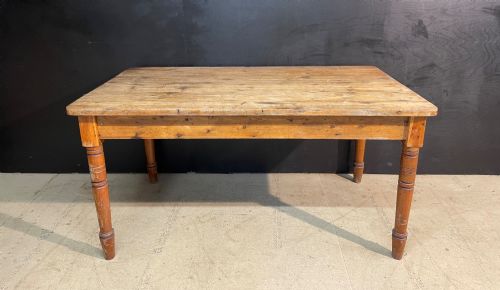
A honey pine farmhouse table brings warmth and practicality to any room, offering a robust surface built for daily family life.
Honey Pine Farmhouse Table
A honey pine farmhouse table represents a sturdy utilitarian surface originating from domestic and rural settings during the nineteenth and early twentieth centuries. These pieces were built for heavy daily use in kitchens, sculleries and dining rooms, reflecting the practical needs of past households.
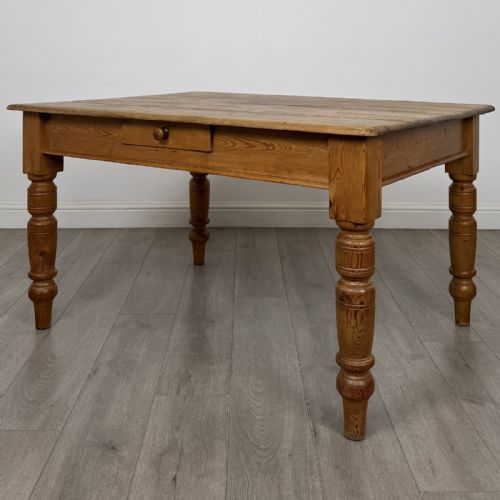
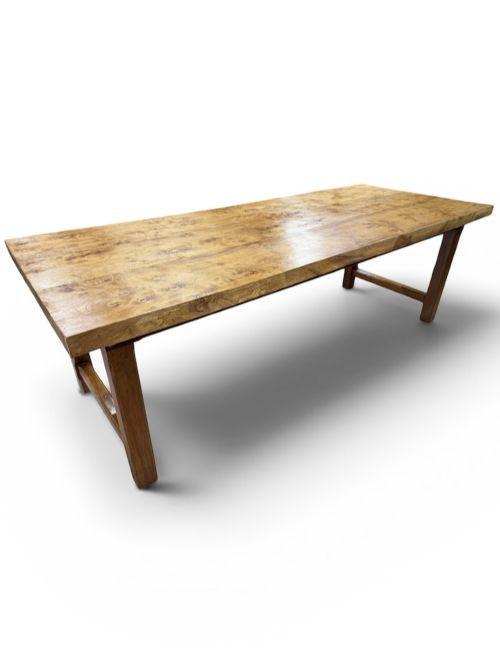
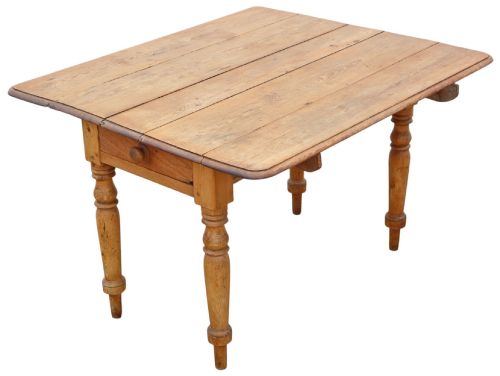
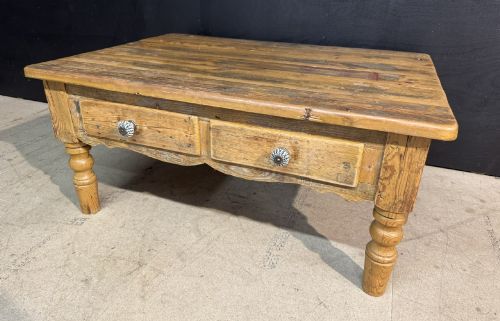
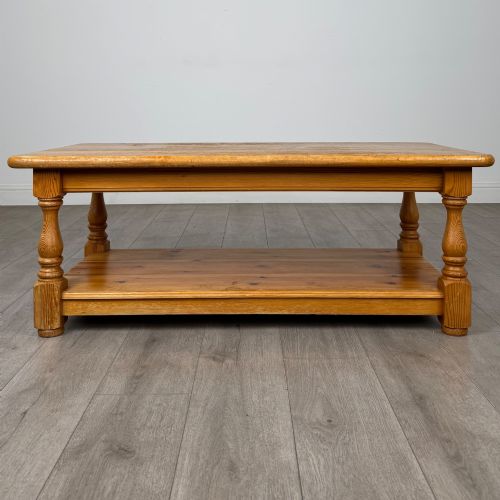
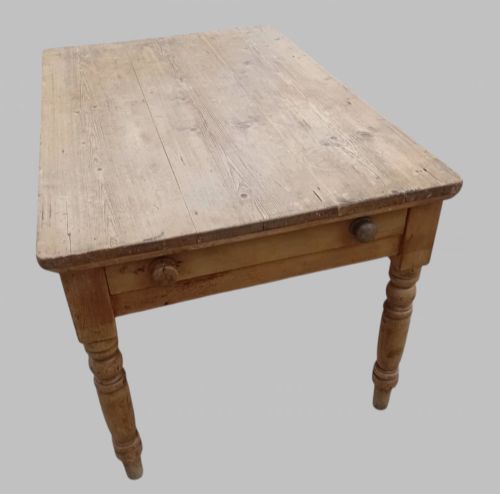
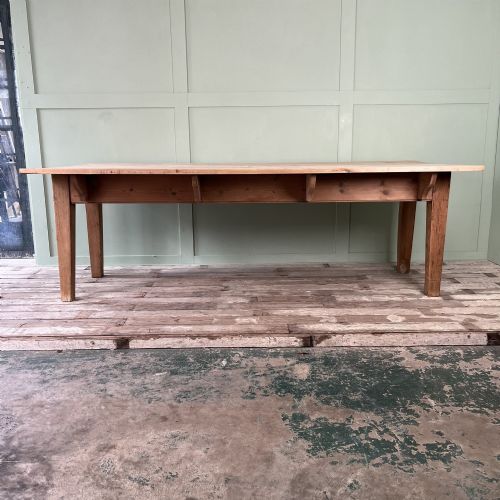
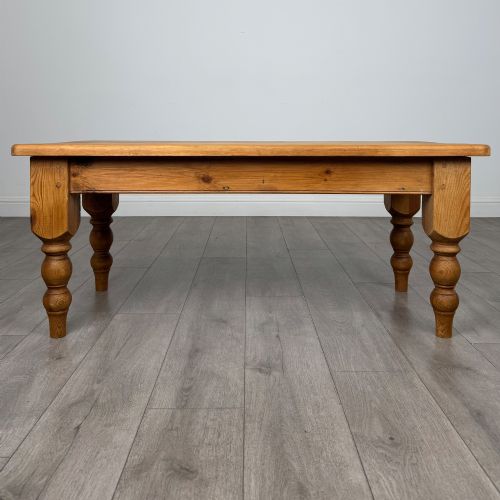
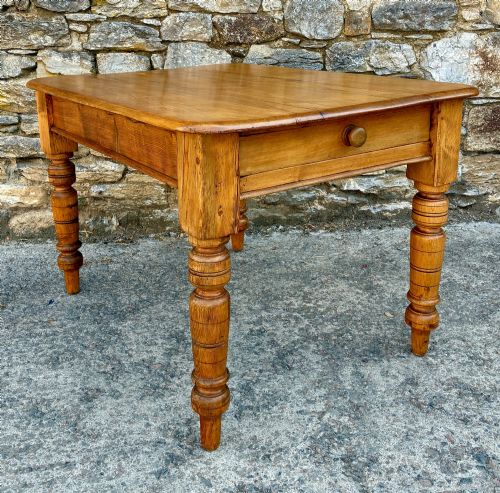
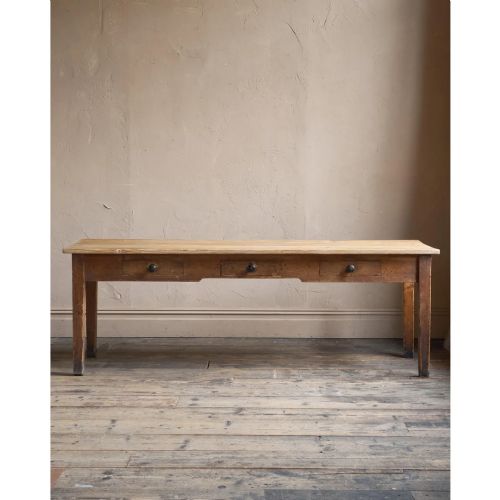
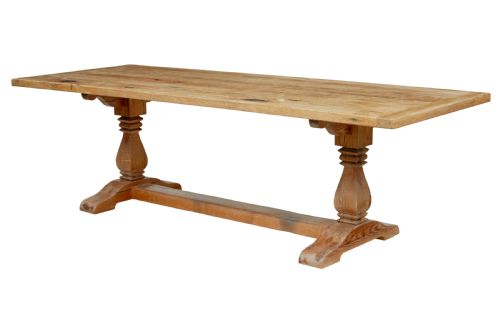
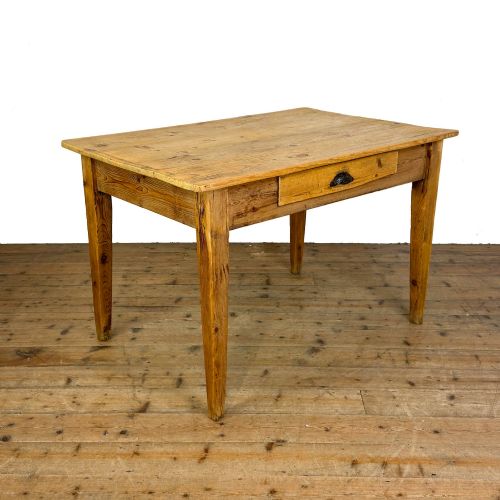
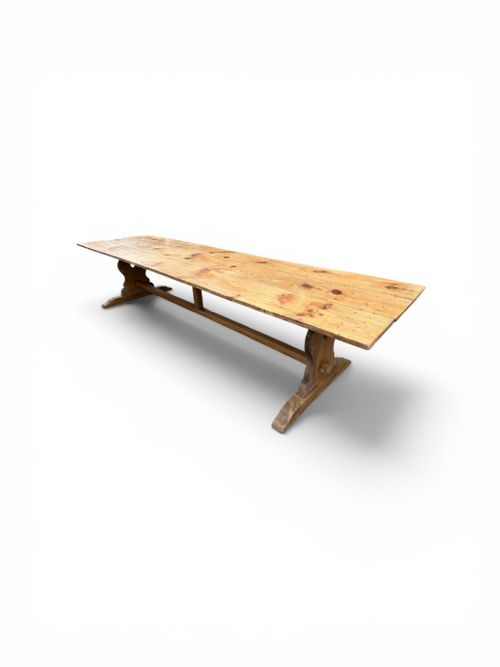
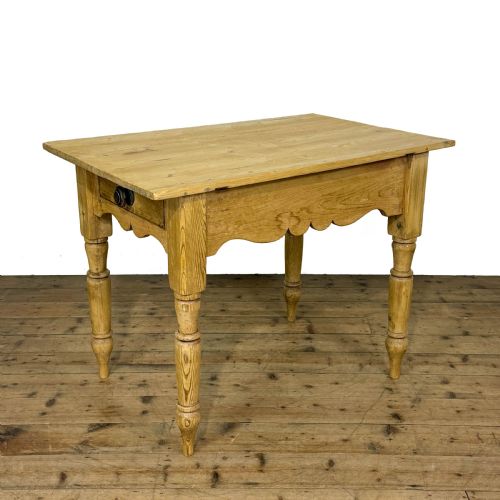
Buyers searching for a honey pine farmhouse table will most commonly encounter Victorian examples alongside twentieth-century iterations. Many of these surfaces feature practical additions such as single or multiple drawers for storage, drop leaves for versatility, or refectory proportions designed to seat larger groups.
The aesthetic spans various regional styles, including rustic country, Irish country, French provincial and Victorian farmhouse. While the majority are constructed entirely from pine or pitch pine, occasional variants combine pine tops with other timbers.
What Varies in Quality
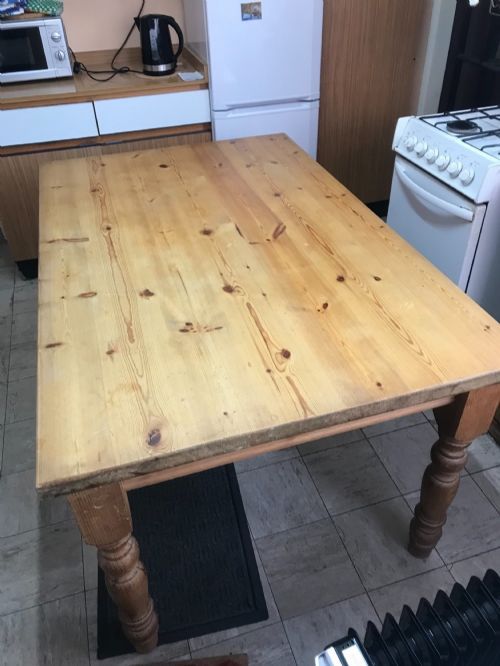
Quality in a honey pine farmhouse table rests on the integrity of the timber and the proportion of the structure. Dense grain patterns and solid construction distinguish more substantial dining and refectory formats from lighter occasional tables.
Listings feature items dated from the mid nineteenth century through to the Edwardian era, constructed from pine, pitch pine, oak and other timbers.
The Honey Pine Farmhouse Table Glossary
- Pitch pine
- A dense and resinous variety of pine known for its durability and prominent grain pattern. It was frequently utilised in heavier furniture construction.
- Refectory table
- A long dining table traditionally designed for communal meals in large halls. Examples in pine often feature extended proportions suitable for seating multiple people.
- Scullery table
- A heavy utilitarian work table used for food preparation and household chores. These pieces often include integrated drawers for storing utensils.
- Drop leaf
- A hinged table section that can be folded down to save space or raised to expand the surface area. This mechanism offers flexibility in smaller rooms.
- Patina
- The surface sheen and colour acquired by wood through age, handling and polishing. A rich patina indicates decades of domestic use.
Honey Pine Farmhouse Table: Frequently Asked Questions
How do I clean a pine table?
Clean the surface gently using a damp cloth with mild soap, avoiding harsh chemical cleaners that can strip the natural finish.
Dry the wood thoroughly afterwards to prevent moisture damage to the antique timber.
Are these tables suitable for daily dining?
These pieces were originally constructed for heavy kitchen and dining use, making them robust for everyday meals.
Using placemats and coasters helps protect the aged wooden surface from heat and moisture marks.
How do I date a pine farmhouse table?
Dating relies on examining construction methods, nail types, tool marks and overall wear patterns visible on the timber.
Victorian and early twentieth-century pieces often display distinct joinery and hardware styles characteristic of their period.
What is the difference between pine and pitch pine?
Pitch pine contains a higher resin content, resulting in a heavier, harder wood with a more pronounced grain.
Standard pine is softer and lighter, making it easier to shape during the manufacturing process.