



Traditional Pine Shelving
Traditional pine shelving brings practical warmth to a room, offering sturdy storage built from honest deal wood and pitch pine.

Traditional Pine Shelving
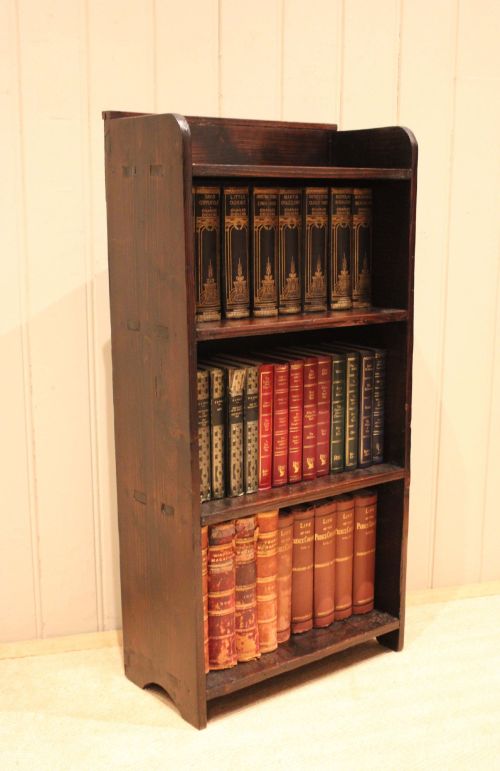
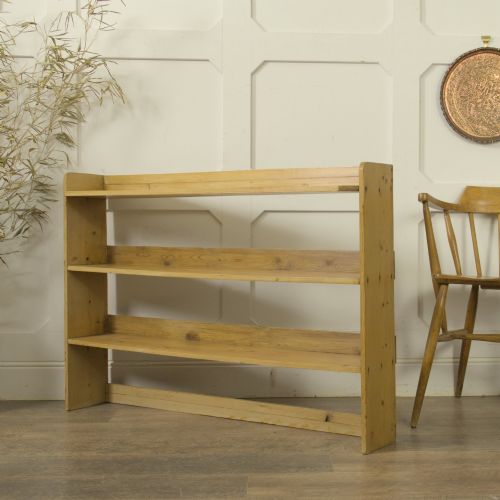
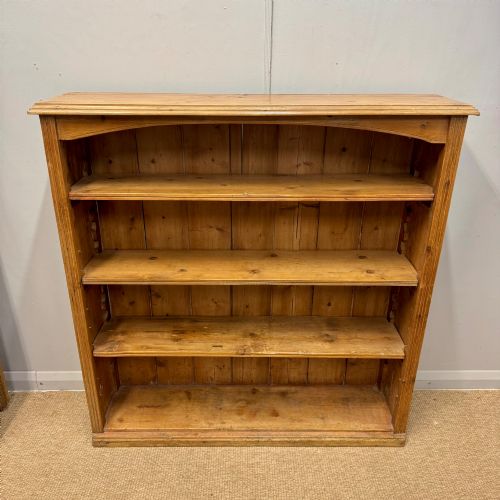
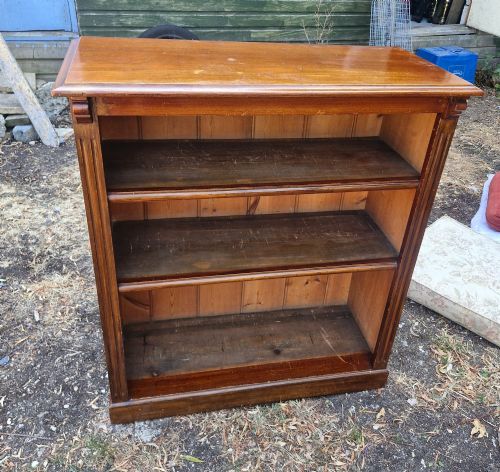
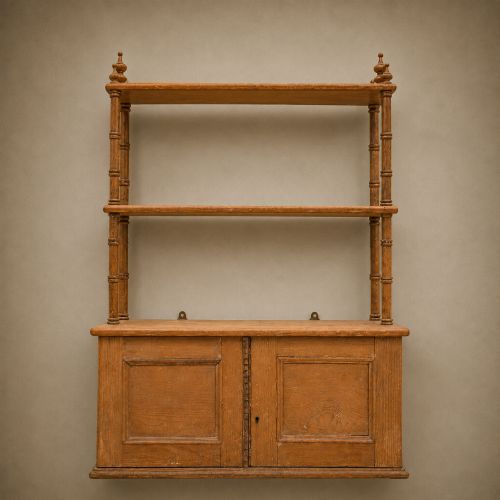
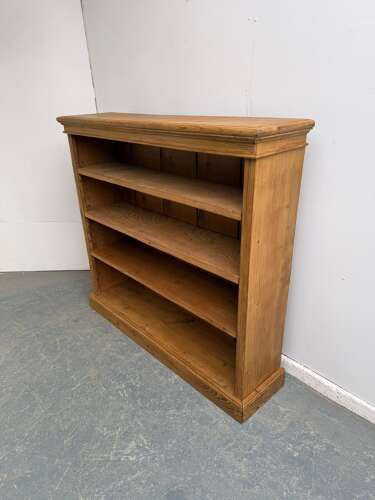
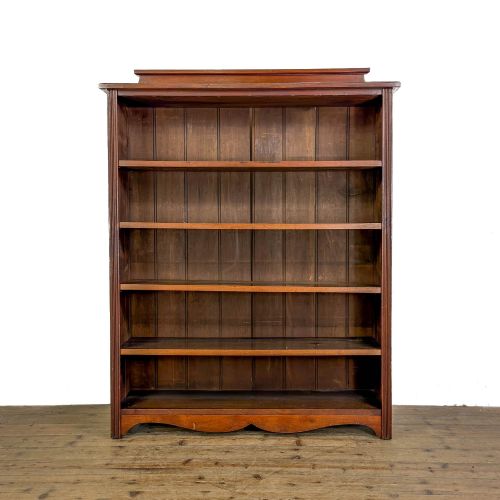
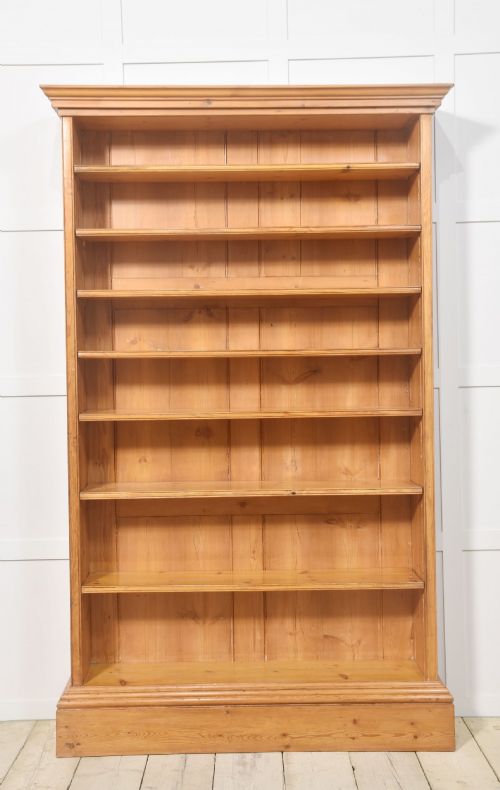
Traditional pine shelving encompasses open bookcases, wall shelves, and storage racks constructed during the nineteenth and early twentieth centuries. These pieces reflect utilitarian domestic needs across various domestic settings, from farmhouse kitchens to rural libraries.
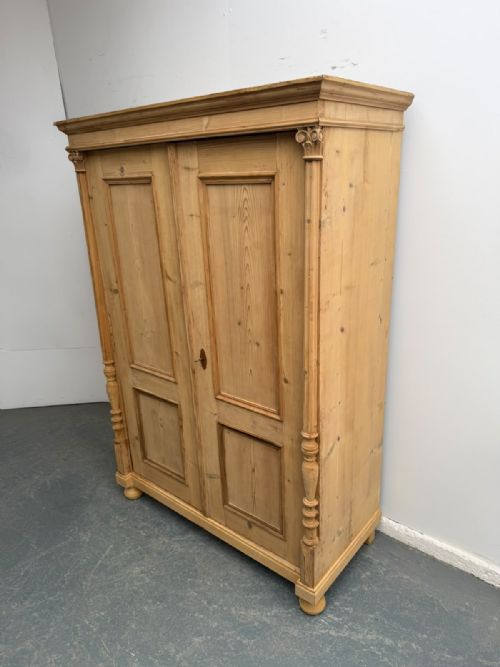
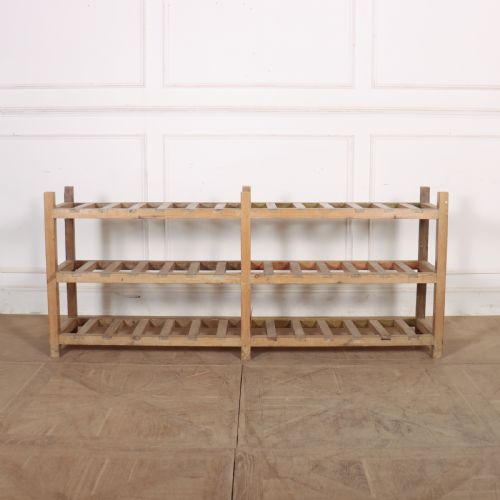
The versions most commonly met on this page span the Victorian era, Edwardian period, and the 1920s and 1930s. They range from simple wall-mounted kitchen racks to large open bookcases and corner cabinets.
Makers and vernacular makers utilised local timbers to build functional furniture that suited everyday life. Scottish and Welsh regional examples appear alongside standard Victorian forms, showing distinct local carpentry traditions.
How they were made
Construction relies heavily on solid pine, deal wood, and pitch pine, occasionally incorporating metal hardware or alternative woods such as walnut and oak. Carpenters built these pieces for endurance, utilising straightforward joints and sturdy timber boards.
Many surviving examples retain a waxed finish that highlights the natural grain of the wood. Some pieces show traces of old paint, reflecting the domestic habit of updating furniture surfaces over generations.
Some old pine boards still carry the faint aroma of the resinous pitch pine forests they grew in centuries ago.
What varies in quality
Quality in traditional pine shelving rests on the weight of the timber and the integrity of the original construction. Heavier pitch pine and dense deal wood generally offer better structural resilience than lighter secondary woods.
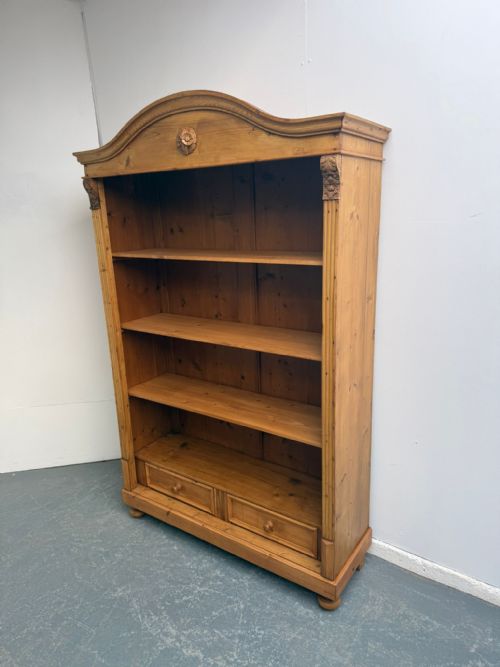
Sophistication of form separates simple utility pieces from more refined examples, such as those featuring adjustable shelving mechanisms or integrated cupboards. The presence of original surface treatments, whether a well-worn wax or authentic paint finish, also distinguishes finer survivals.
The Traditional Pine Shelving Glossary
- Pitch pine
- A resinous, durable timber frequently used for nineteenth-century furniture that yields a strong grain pattern. It resists wear significantly better than softer commercial pines.
- Deal wood
- A historical term for fir or pine timber used extensively in British cabinet making. It provided an accessible material for domestic shelving and cabinetry.
- Adjustable shelf
- A shelving arrangement resting on moveable supports or ratchets that allows vertical space to be altered. This mechanism was popular in better quality Victorian bookcases.
- Welsh vernacular
- Regional furniture traditions originating from Wales, often utilising local woods and straightforward construction methods. These pieces display distinct local characteristics distinct from standard metropolitan workshop output.
Traditional Pine Shelving: Frequently Asked Questions
How do I date traditional pine shelving?
Dating relies on construction methods, timber types, and stylistic indicators such as Victorian proportions or Edwardian edgings. Examining the backboards and fixings often reveals the period of manufacture.
Changes in hardware and the transition from handmade nails to machine-made screws provide further chronological markers for these pieces.
Can these shelves hold heavy books?
Most traditional pine shelving was built with practical utility in mind and uses solid timber thick enough to support heavy volumes. Adjustable variants manage weight well if the internal supports are secure.
Distributing weight evenly across the boards ensures long-term stability for everyday book storage.
Should I wax or paint my pine shelves?
Many pieces survive with historic wax finishes or old layers of paint that contribute to their character. Preserving these existing surfaces maintains the historical integrity of the furniture.
Applying a traditional beeswax helps nourish dry timber without altering the underlying patina of the wood.
What is the difference between deal wood and pitch pine?
Deal wood generally refers to softer fir or pine timbers used widely for standard domestic furniture and simple storage. Pitch pine contains higher resin content, making it a heavier and more durable material.
This distinction affects both the weight of the piece and how the timber responds to waxing over time.