



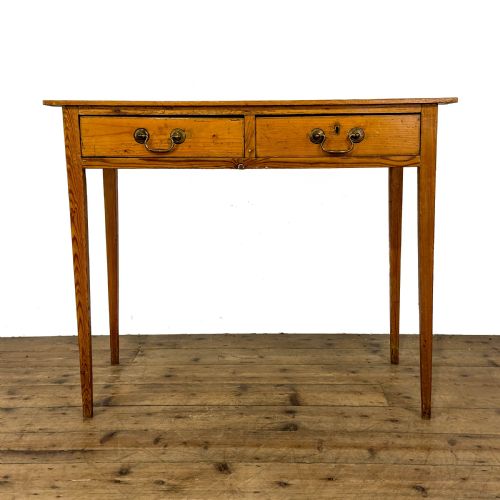


Traditional Pine Console
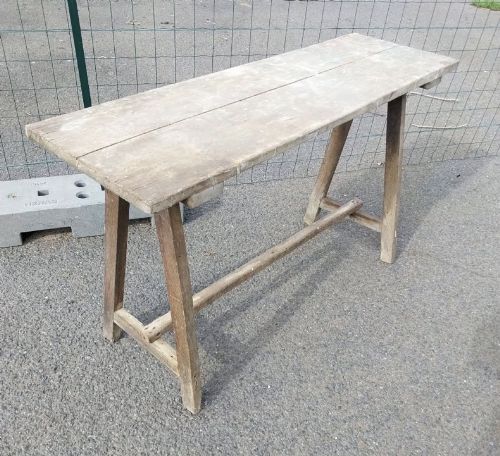
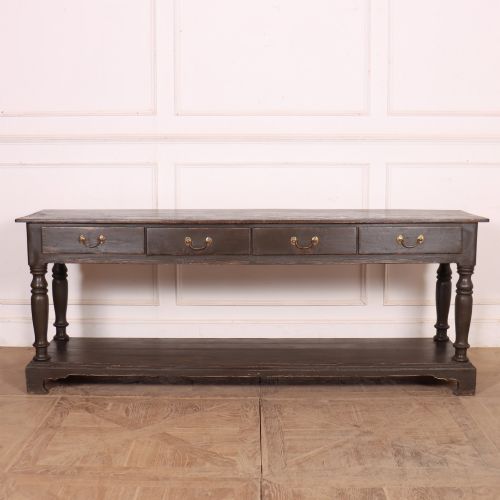
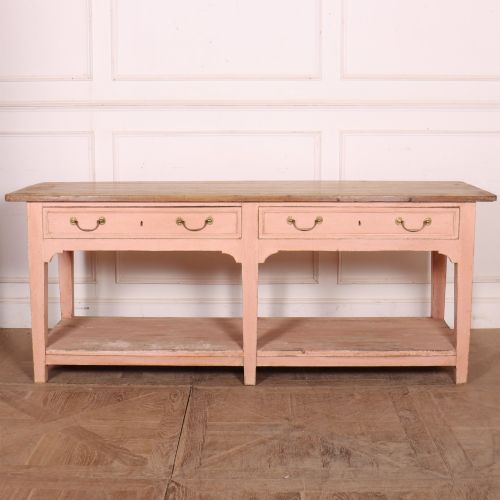
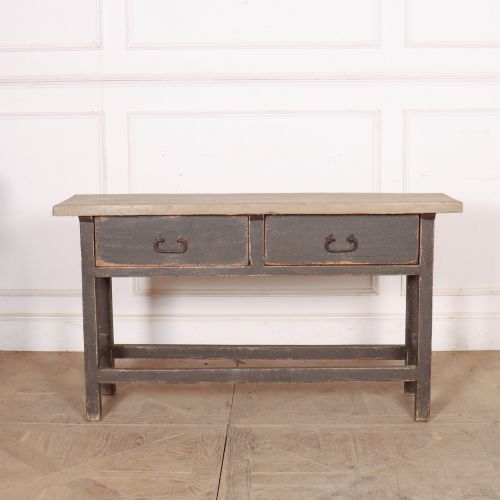
These traditional pine console tables bring honest utility and warmth to a hallway, often appearing as dresser bases or side tables from the nineteenth century.
Traditional Pine Console
When you search for a traditional pine console, you encounter practical surfaces built for working spaces rather than formal parlours. These items typically manifest as nineteenth-century dresser bases, serving tables, and side tables.
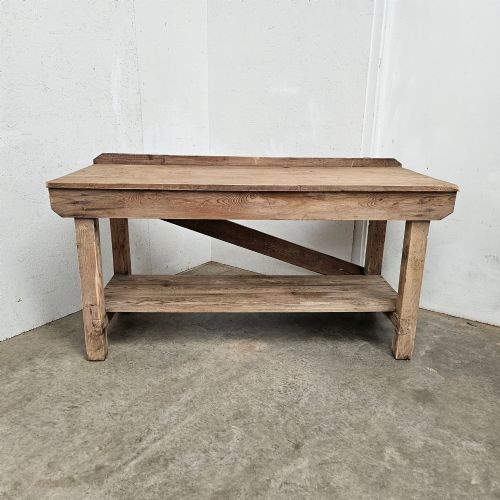
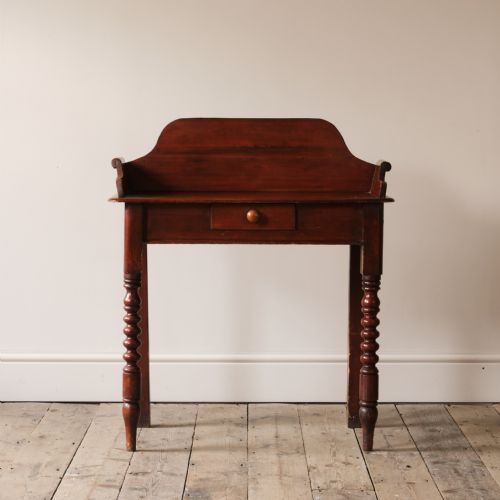
The assortment relies heavily on British origins, spanning English and Scottish farmhouse and country workshops. You find sturdy potting tables, washstands, and servers alongside straightforward console tables.
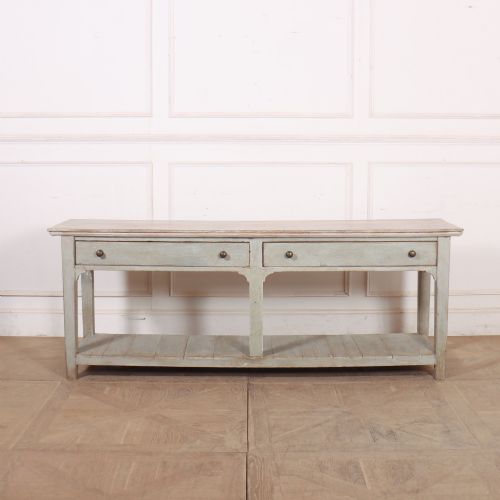
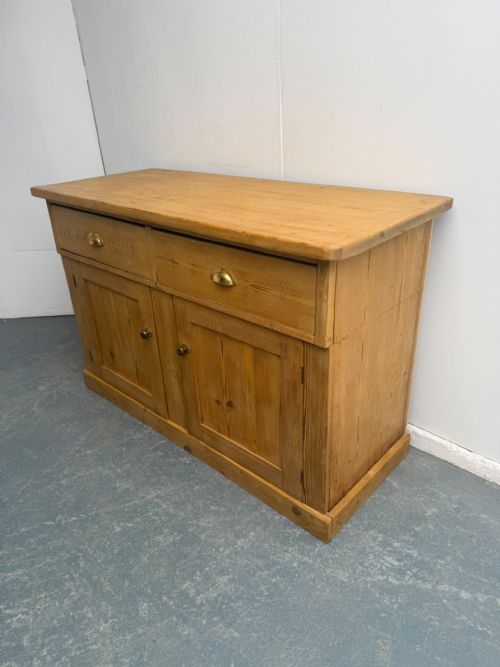
Victorian examples dominate the selection, bringing utilitarian charm through straightforward drawer configurations and open potboards. These pieces served hardworking kitchens and dairies before finding favour in modern hallways.
How they were made
Joiners built these traditional pine console pieces using solid timber, frequently incorporating brass or iron hardware for handles and structural reinforcement. Surfaces display either an original painted finish or a plain waxed treatment that highlights the natural grain.
Construction methods prioritised daily utility over decorative excess, resulting in robust joints and practical lower shelves or potboards. Workshops utilised regional softwoods available locally, finished with traditional paints that have aged into soft patinas.
Traditional Pine Console Retail Price Guide 2026
Typical asking prices for traditional pine console among the pieces listed under this phrase on Sellingantiques today, from the lower quarter to the upper quarter. They describe what is for sale here now, not the wider market.
Several tables spent their youth holding dripping cheeses in damp dairies before earning a respectable retirement in town.
What varies in quality
The distinction between standard utility items and finer examples rests on the integrity of the original paint and the retention of structural timber. Pieces retaining an unblemished nineteenth-century painted finish command greater appreciation than those stripped down or heavily reworked.
Proportion and utility also dictate standing, with well-proportioned drawer configurations and intact potboards reflecting superior regional joinery. The balance between practical workspace and domestic refinement separates standard workshop output from exceptional survivals.
The Traditional Pine Console Glossary
- Potboard
- An open lower shelf beneath a dresser base or console, originally designed for storing heavy earthenware pots and kitchen utensils.
- Dresser base
- The lower section of a kitchen dresser featuring drawers and cupboards, frequently used independently as a serving table or console.
- Washstand
- A domestic piece equipped with a surface for a basin and jug, often adapted into a slim console table for modern hallways.
- Waxed pine
- Softwood treated with protective beeswax rather than varnish, developing a warm amber tone and a tactile finish over generations of use.
Traditional Pine Console: Frequently Asked Questions
What is a traditional pine console used for?
These pieces serve primarily as functional surface tables in entrance halls, living rooms, and kitchens. Their narrow proportions make them ideal for narrow spaces while offering storage through drawers or lower shelves.
Historically, many started life as kitchen dresser bases, dairy tables, or washstands before transitioning into decorative hallway furniture. They provide a sturdy platform for lamps and daily items without overwhelming smaller rooms.
How do I identify a Victorian pine console?
Victorian examples typically display straightforward drawer construction, turned or square legs, and utilitarian proportions dating from the mid to late nineteenth century. Look for original brass hardware and evidence of honest kitchen or dairy use.
Many feature waxed finishes or layers of aged paint that accrued during their working lives. Examining the drawer linings and timber thickness helps confirm the nineteenth-century period origin.
Are these consoles painted or natural wood?
The selection includes both unpainted waxed pine and pieces featuring original historical paint finishes. Many retain aged layers of green or neutral paint applied in nineteenth-century country workshops.
Unpainted versions showcase the natural softwood grain, while painted surfaces offer a distinct regional character. Both finishes reflect the practical aesthetic of British farmhouse furniture.
How do I fit a pine console into my home?
A pine console fits naturally into hallways, dining spaces, or living rooms as a warm focal point. The neutral timber tones and simple silhouettes complement both traditional country interiors and modern minimalist settings.
Their shallow depth allows them to sit flush against walls without restricting foot traffic. Pair them with simple mirrors or rustic accessories to echo their utilitarian origins.