

Traditional Pine Bookcase
A traditional pine bookcase brings warmth and utility to any room, offering sturdy shelving built from honest woods.
Traditional Pine Bookcase
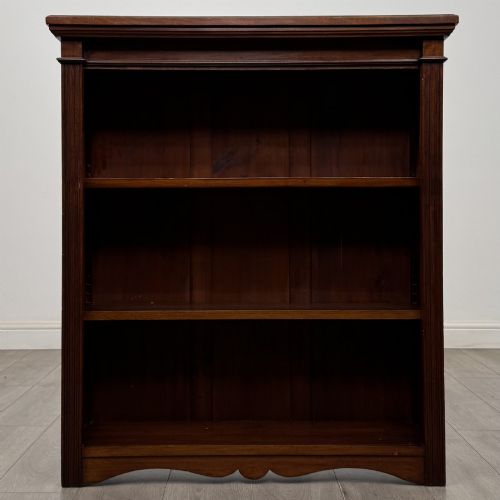
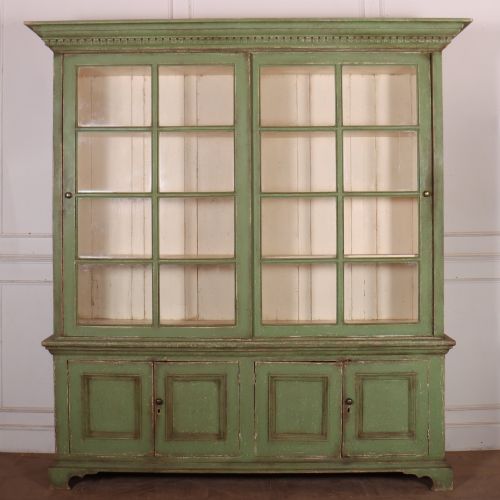
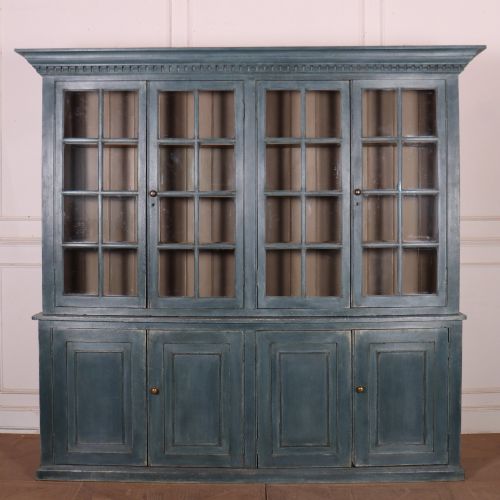
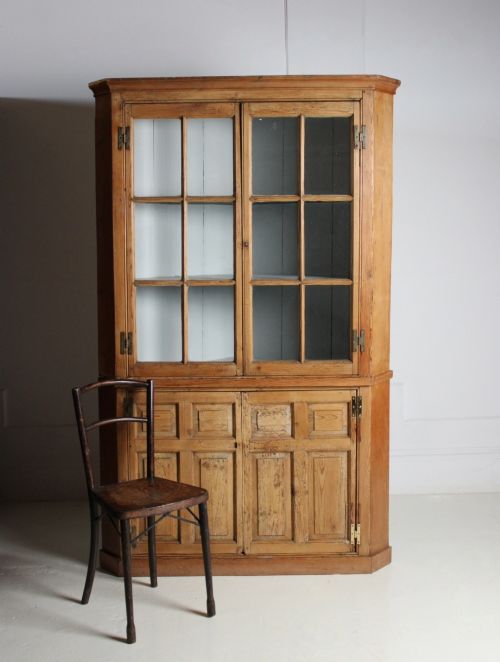
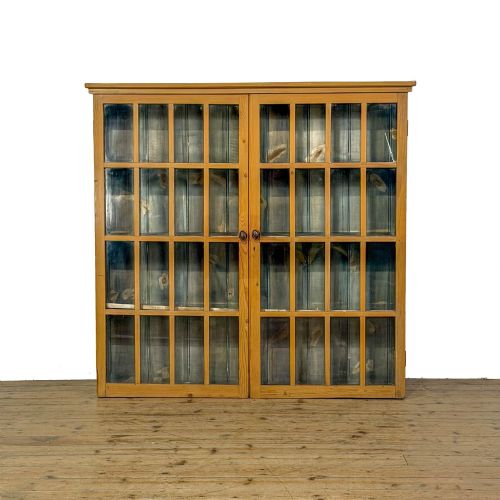
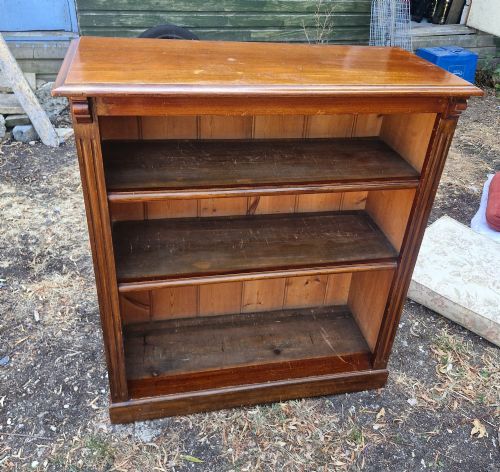
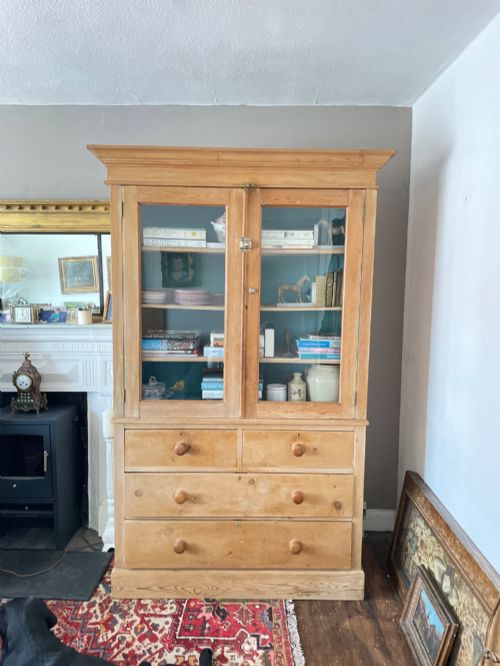
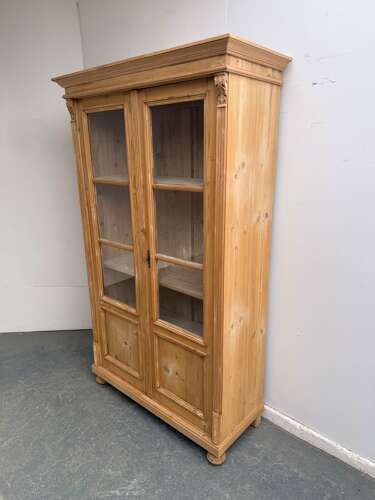
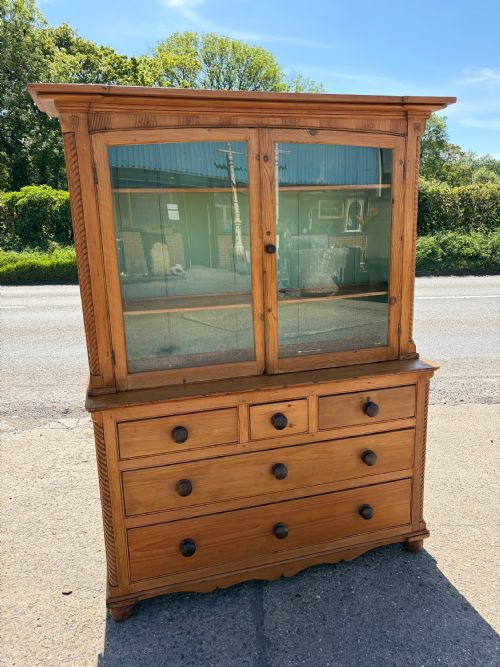
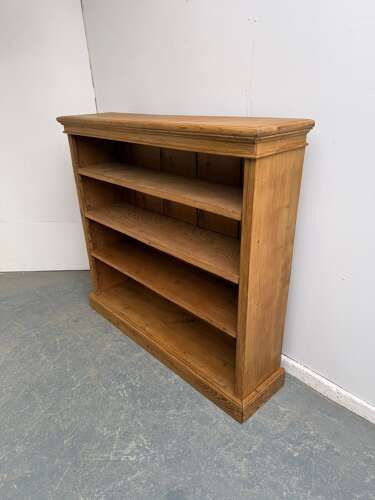
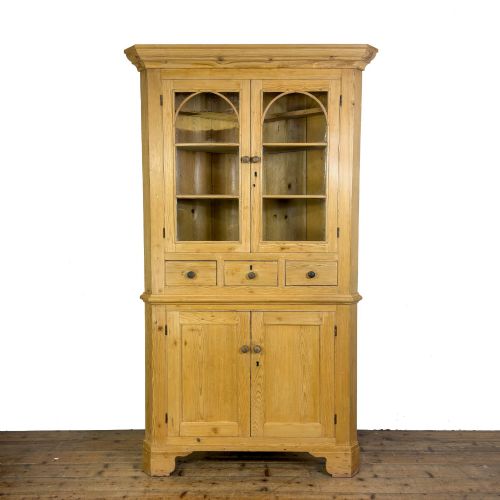
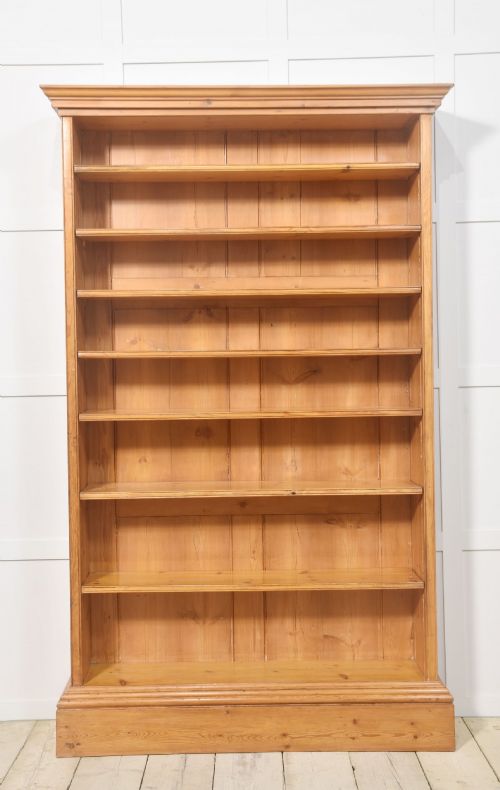
A traditional pine bookcase is a practical storage piece designed primarily for holding books and household volumes. These items appear frequently in nineteenth-century and Victorian forms, spanning open front designs and glazed cabinets.
Buyers will encounter various regional expressions on this page, including English, Scottish, and Irish country styles. Many examples incorporate adjustable shelving or lower cupboard storage alongside their main book compartments.
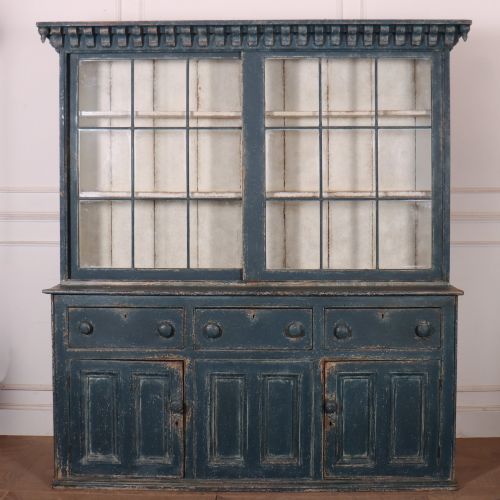
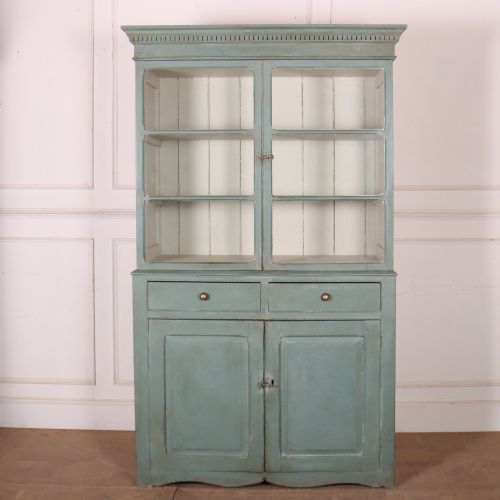
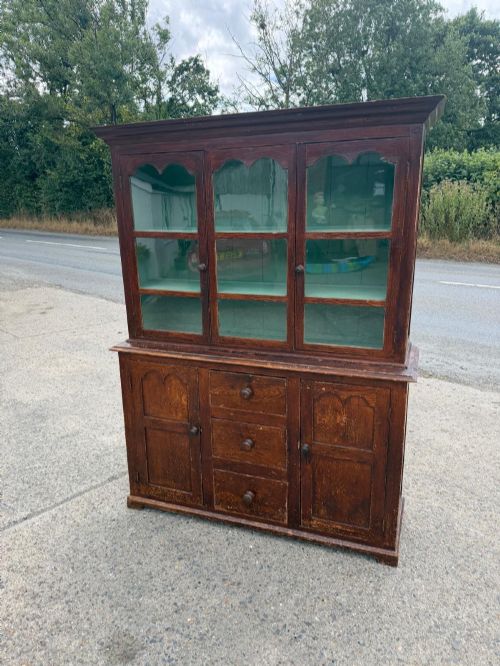
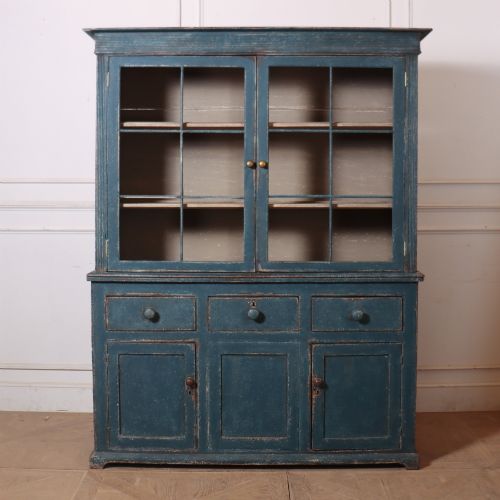
The selection ranges from smaller open bookshelves to large display cabinets and kitchen dressers made of deal wood or pitch pine. Most pieces show the utilitarian origins of provincial furniture making.
How they were made
Makers utilised solid pine, deal wood, and pitch pine for the primary carcass and shelving construction. Brass hardware and glass panes appear on glazed cabinet doors.
Surfaces were traditionally treated with wax finishes or left in original painted states. Interior sections sometimes received contrasting paint treatments while exteriors retained natural timber tones.
Traditional Pine Bookcase Retail Price Guide 2026
Typical asking prices for traditional pine bookcase among the pieces listed under this phrase on Sellingantiques today, from the lower quarter to the upper quarter. They describe what is for sale here now, not the wider market.
Some nineteenth-century pine bookcases retain traces of old kitchen spices and country dust settled deep within their joints.
What varies in quality
Quality depends on the integrity of the timber selection and the retention of original surfaces such as early paint or warm wax patination. Superior examples display thoughtful proportions and sound structural joinery.
The presence of original glazed doors, working brass fittings, and functional adjustable shelving systems elevates the standing of a piece. Regional character and untouched provincial origins also distinguish finer examples from standard utility items.
The Traditional Pine Bookcase Glossary
- Deal wood
- A softwood timber commonly used in nineteenth-century furniture construction, derived from fir or pine trees.
- Pitch pine
- A durable, resinous variety of pine known for its prominent grain pattern and strength.
- Breakfront
- A cabinet design where the central section projects forward from the flanking outer sections.
- Adjustable shelf
- A bookshelf fitted with a mechanism to alter the vertical spacing between shelves.
Traditional Pine Bookcase: Frequently Asked Questions
Are these bookcases suitable for heavy books?
Solid pine and pitch pine construction provides substantial weight capacity for everyday library storage. Many period examples include adjustable wooden shelves that handle standard volumes securely.
Heavier folios sit best on fixed lower shelves where the structural support remains most direct. Checking the thickness of the timber helps determine appropriate weight distribution.
How do I care for a waxed pine finish?
Maintaining a waxed surface involves occasional applications of quality beeswax to nourish the dry timber. Regular dusting with a soft cloth preserves the natural lustre without stripping the patina.
Avoiding direct sunlight and excessive heat sources prevents the pine from warping or drying out. Gentle upkeep keeps the original surface stable over years of domestic use.
What is the difference between open and glazed bookcases?
Open bookcases provide immediate access to contents without doors obstructing the view of book spines. These suit frequently read volumes and decorative displays in living spaces.
Glazed bookcases feature glass panel doors that protect delicate or valuable books from dust and environmental wear. They often incorporate lower wooden cupboards for concealed storage.
How can I identify a provincial piece?
Provincial furniture often displays regional construction traits and simpler hardware suited to local workshops rather than urban cabinet makers. Regional variations include specific moulding profiles and local timber choices.
These items reflect the domestic needs of rural households in places like the West Country or Ireland. Their charm lies in straightforward utility and honest craftsmanship.