
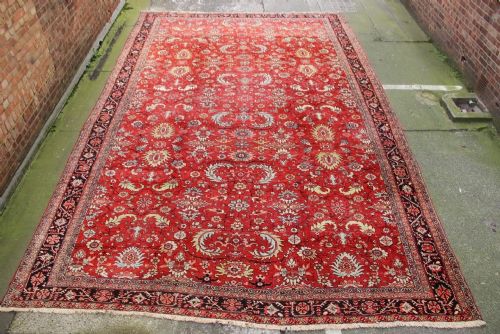
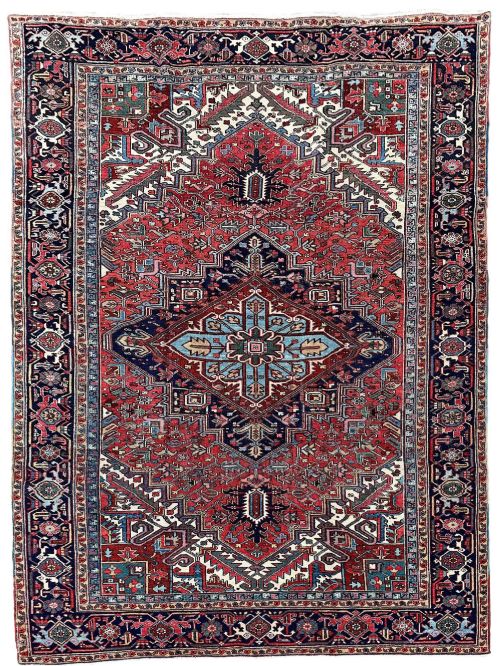
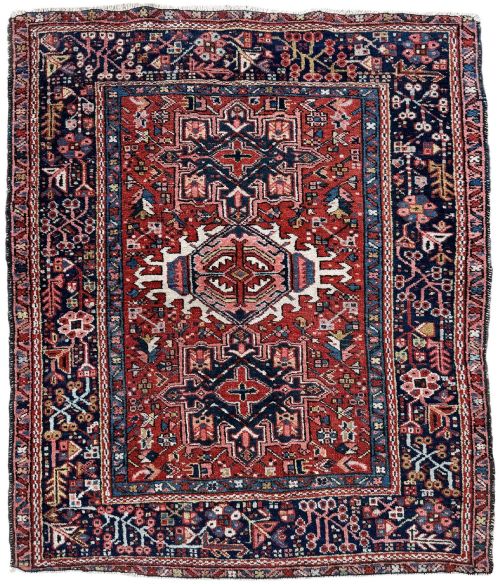
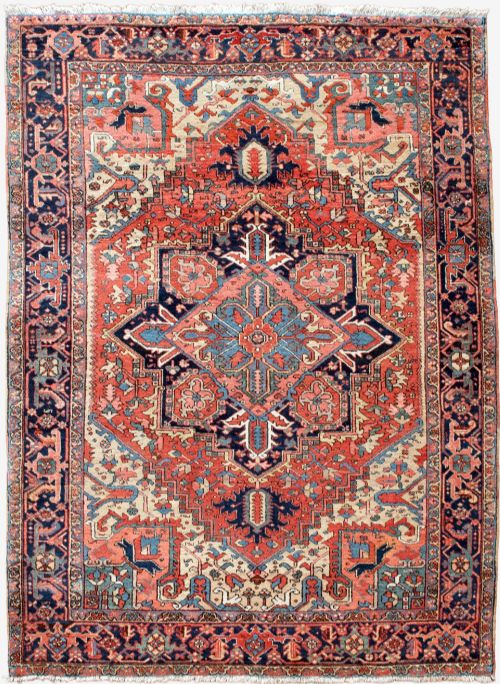



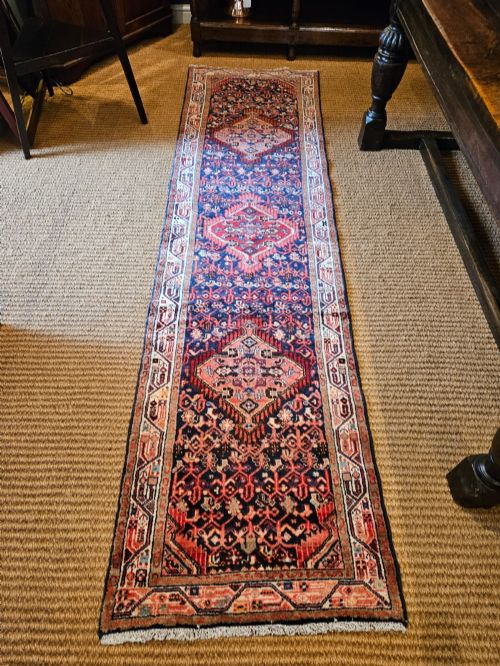
Traditional Persian Heriz Rug
A traditional persian heriz rug brings enduring geometric strength and rich botanical motifs to a room, built to last for generations.
Traditional Persian Heriz Rug
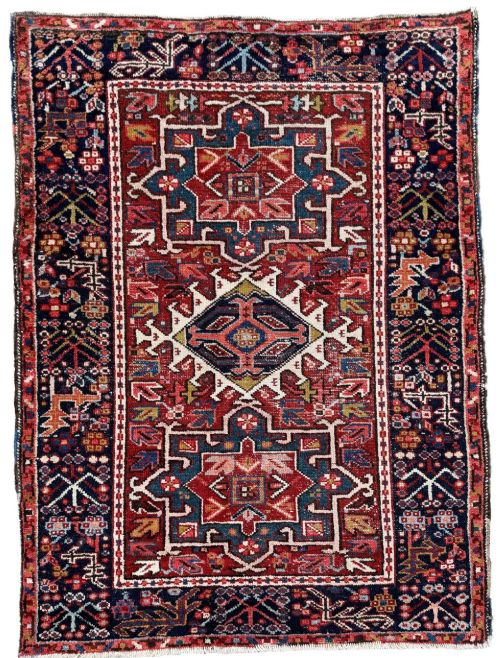
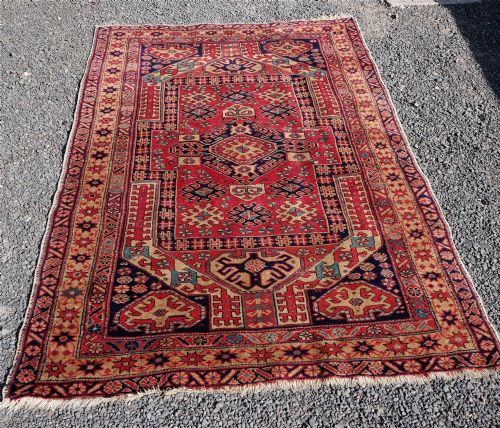
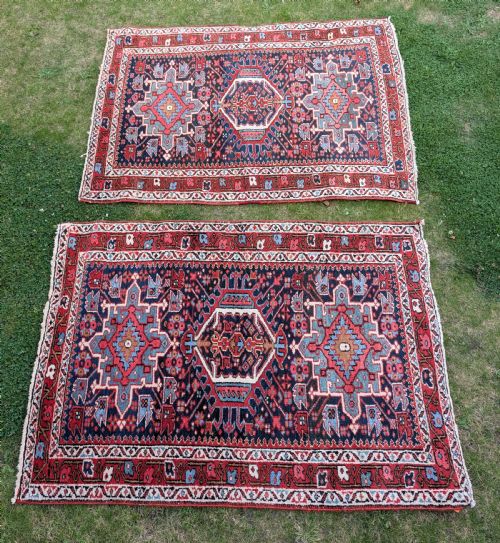
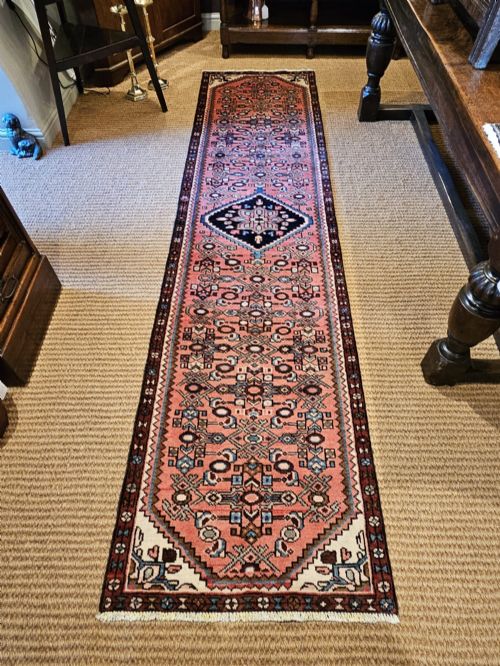
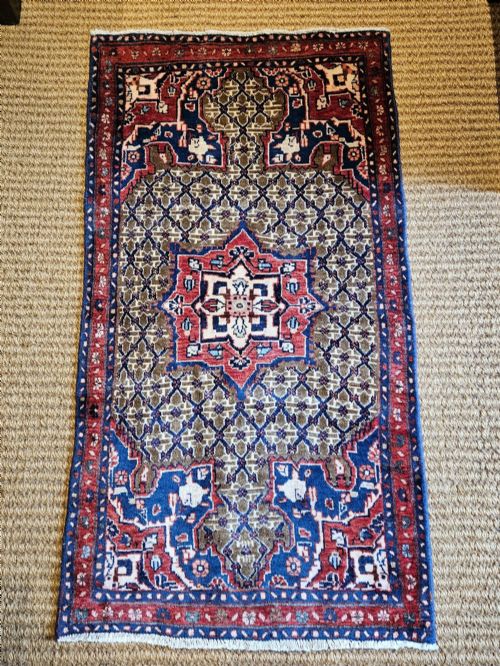
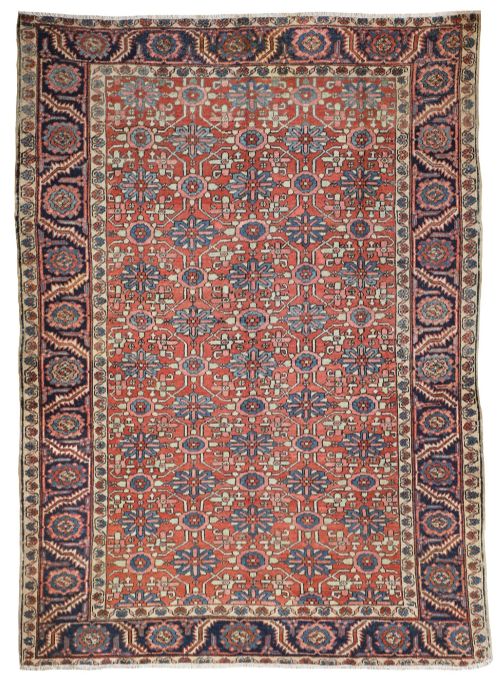
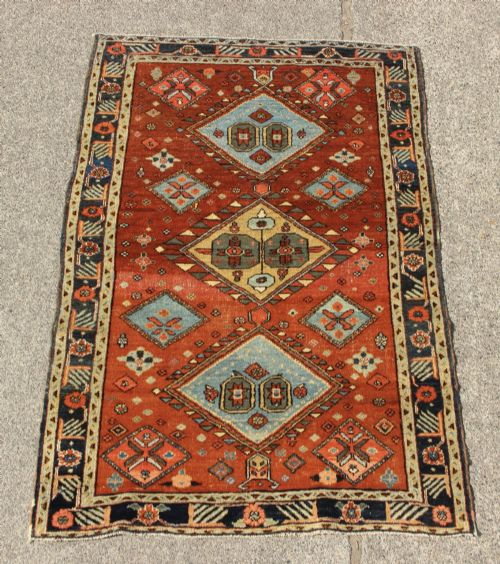
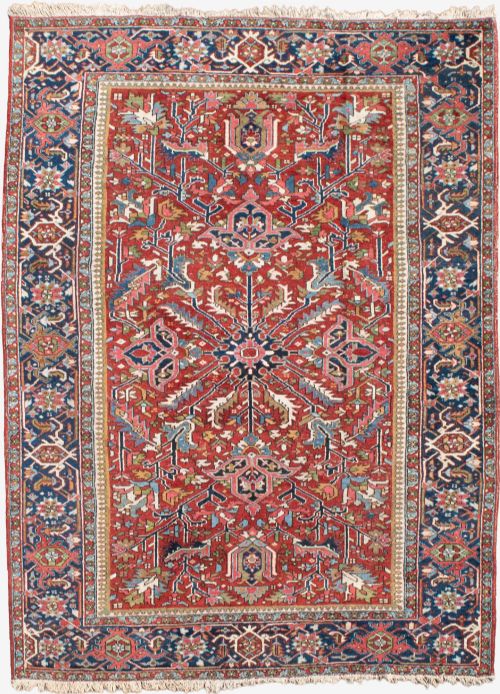
A traditional persian heriz rug represents a distinct weaving tradition originating from the mountainous region of north-west Persia, celebrated for bold medallions and robust construction. Buyers seeking this phrase encounter large carpets, hallway runners, and smaller hearth-sized formats originating primarily from the late nineteenth and early twentieth centuries.
The pieces available here showcase the classic Heriz layout alongside related village and regional types from nearby centres like Karaja, Bakshiash, Ahar, and Serapi. These variations share a characteristic durability and confident geometry that sets them apart from finer urban Persian weaving.
Most examples found on this page date from the decades between eighteen eighty and nineteen thirty, displaying the heavy geometric medallions and characteristic corner spandrels typical of the Heriz region. The format ranges from compact scatter sizes to grand room-sized carpets exceeding four metres in length.
Materials and Construction
These carpets are constructed using durable wool pile hand-knotted onto sturdy cotton foundations, providing the heavy handle and structural resilience the region is known for. The wool used is thick and robust, chosen to withstand heavy domestic use while maintaining its shape over decades of wear.
Weavers utilised natural dyes derived from local plants and minerals, creating deep tones of madder red, indigo, and ivory that mellow gracefully with age. The knotting is dense and purposeful, supporting the large-scale geometric designs without losing structural integrity.
Several compact hearth-sized rugs appear in the collection, thoughtfully proportioned to sit comfortably right in front of a working fireplace.
Judging Quality and Character
Quality in these rugs is determined by the clarity of the drawing, the balance of the central medallion against the field, and the richness of the palette. Stronger examples display crisp geometric lines and harmonious colour saturation that hold the eye from across the room.
The condition of the wool pile and the originality of the side cordings and end finishes also dictate the standing of a piece. Finer village production, such as early Serapi or closely woven Heriz carpets, demonstrates superior knot density and more refined secondary ornamentation.
The Traditional Persian Heriz Rug Glossary
- Medallion
- The central ornamental motif dominating the field of the rug. In Heriz carpets, this is typically a large geometric form anchored by distinct corner spandrels.
- Spandrels
- The triangular corner patterns situated in the upper and lower corners of the main field. They frame the central medallion and balance the overall composition.
- Warp
- The vertical foundation threads running the length of the rug, onto which the pile knots are tied. Cotton is the standard material found in these regional pieces.
- Weft
- The horizontal threads passed across the warp after every row of knots to bind the structure together. It contributes to the firm, substantial handle of the carpet.
- Runner
- A long, narrow carpet format designed specifically for hallways, corridors, or staircases. These pieces maintain the robust village patterns in a compressed width.
Traditional Persian Heriz Rug: Frequently Asked Questions
How do I clean a traditional persian heriz rug?
Regular gentle vacuuming without a rotating brush roll keeps dust from settling deep into the wool pile. Professional specialist cleaning is recommended periodically to preserve the natural dyes and fibres.
Avoid chemical spot treatments or excessive moisture, which can damage the cotton foundation and dull the colours. Blot spills immediately with a clean, dry white cloth.
Where were these carpets originally made?
These rugs were woven by village and tribal artisans in the Heriz region and surrounding districts of north-west Persia. The area includes nearby production centres such as Karaja, Bakshiash, and Ahar.
The distinct geographical location and access to local materials influenced the sturdy construction and bold geometric design vocabulary distinct from city workshops.
How do I identify a Serapi rug?
Serapi carpets represent an earlier, finer, and more spacious version of the traditional Heriz design, generally produced during the nineteenth century. They often feature more open fields, softer colour palettes, and slightly more geometric fluidity.
Collectors prize them for their artistic balance and the lighter scale of the central medallion compared to later village production.