
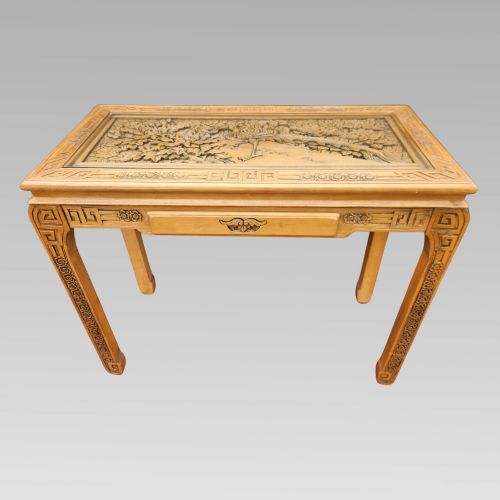
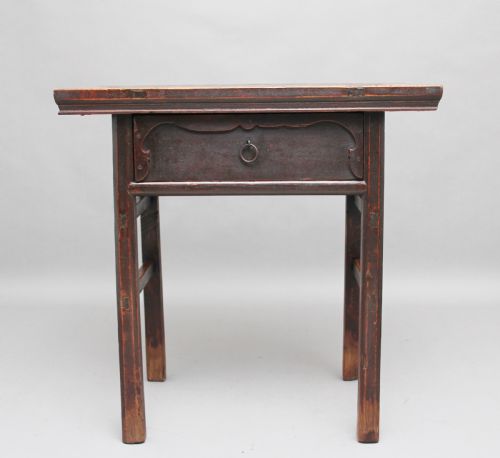


Traditional Oriental Side Tables
Traditional oriental side tables bring rich timber grain and restrained architectural form into a room.
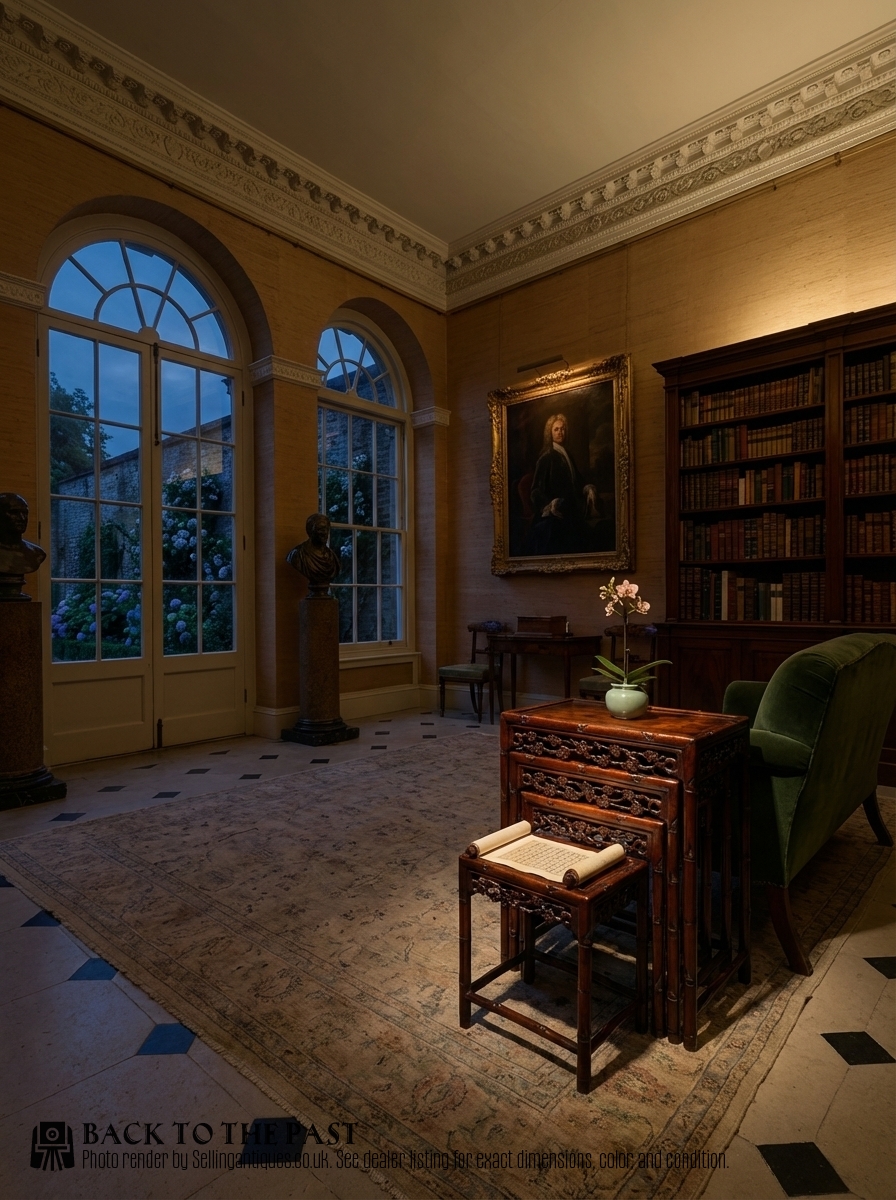
Traditional Oriental Side Tables
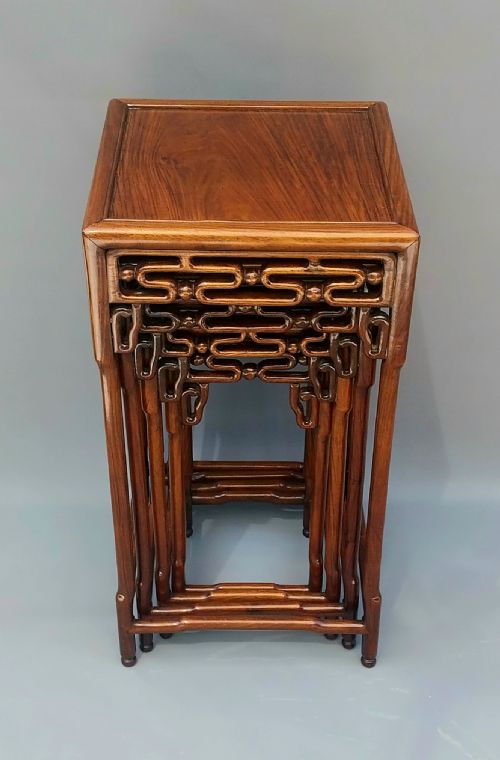
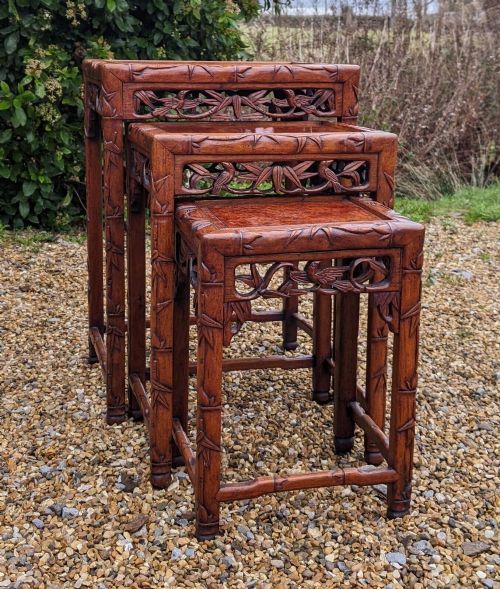
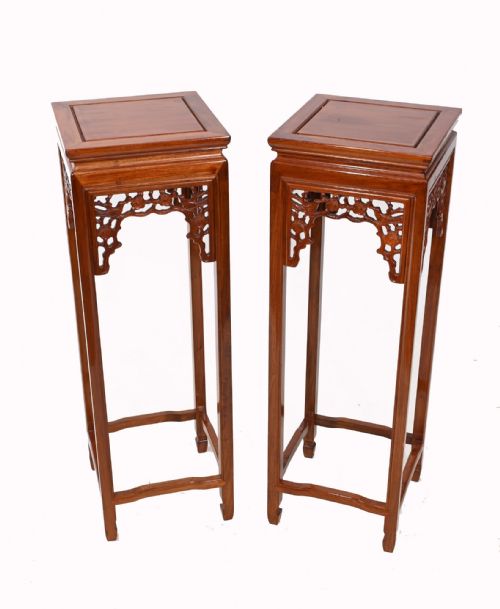
Traditional oriental side tables encompass low tables, altar tables, and nests of tables originating primarily from Chinese and Japanese workshops. Buyers seeking traditional oriental side tables will frequently encounter nineteenth-century pieces rendered in dense hardwoods or native elm.
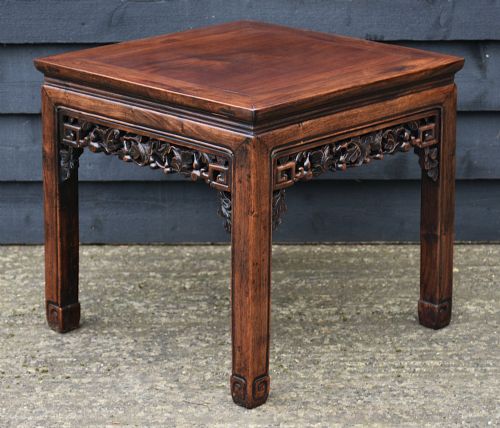
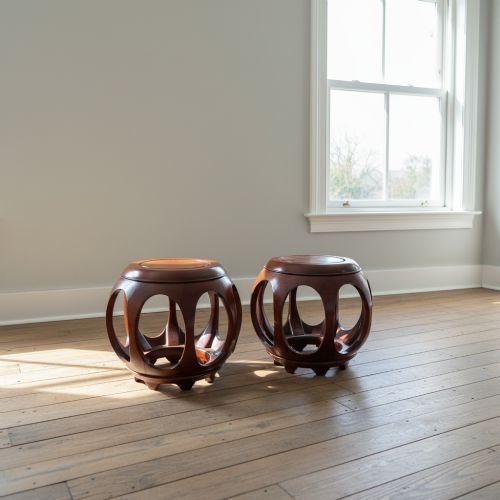
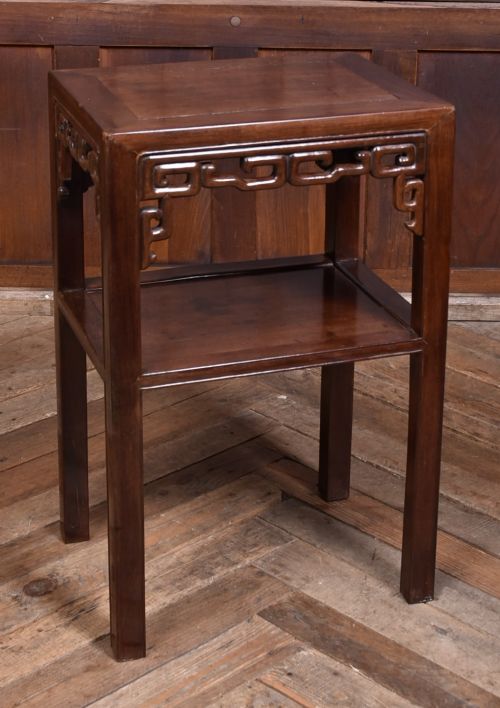
Forms range from simple rustic low tables to complex corner leg tables and console tables. These surfaces served various domestic functions, from daily tea service to display stands for ritual objects and porcelain.
Materials and construction
Construction relies heavily on native hardwoods such as rosewood, huanghuali, and hongmu, alongside robust elm timbers. Artisans also employed brass for decorative mounts and applied red lacquer finishes to timber bases.
Joinery methods prioritized rigid stability without metal fasteners, allowing dense woods to expand and contract naturally. Surfaces often highlighted the underlying grain or received smooth lacquered coatings.
Listings feature pieces spanning the eighteenth, nineteenth, and early twentieth centuries, constructed in hardwood, elm, brass, and lacquer.
Judging quality in design
Quality rests upon the selection of timber and the clarity of its natural grain, alongside the precision of the joinery. Dense rosewood and figured huanghuali distinguish higher tier examples from plainer elm pieces.
Proportion and restraint in carving dictate the aesthetic standing of a piece. Finer examples display balanced forms and subtle detailing rather than heavy ornamentation.
The Traditional Oriental Side Tables Glossary
- Altar table
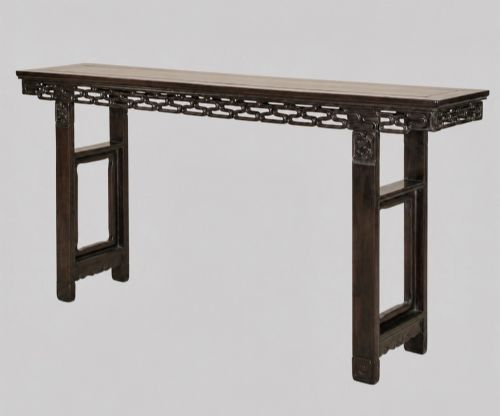
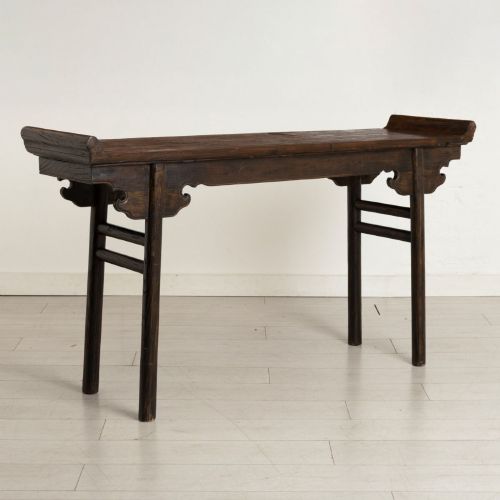
- A long, narrow console table traditionally used for ceremonial purposes in Chinese homes. These pieces often feature upturned flange ends.
- Hongmu
- A dense, dark tropical hardwood favoured in Chinese furniture making. It translates literally to red wood.
- Chabudai
- A traditional short-legged table used for serving tea or dining while kneeling on tatami mats. These items are frequently associated with the Japanese Meiji period.
Traditional Oriental Side Tables: Frequently Asked Questions
What is an altar table used for today?
Altar tables function well as narrow console tables in hallways or living spaces. Their elongated surfaces provide ideal display areas for lamps and decorative objects.
Their slim profile allows them to fit comfortably against walls where standard tables prove too deep.
How do I identify elm furniture?
Elm exhibits a prominent, sometimes rustic grain pattern with visible growth rings and a lighter tone than dense rosewood. It was frequently utilised for provincial Chinese tables.
Working with native elm allowed makers to produce sturdy side tables and writing desks with strong tactile character.
What distinguishes a nest of tables?
A nest consists of multiple graduated tables designed to slide neatly beneath one another when not in use. Sets typically comprise four matching pieces.
This clever design provided adaptable surface space for entertaining while occupying a minimal footprint.
Are these pieces strictly Chinese?
While the majority originate from Chinese dynasties, the selection also includes Japanese Meiji period pieces and Burmese lacquer items. Each regional tradition employs distinct forms and finishing techniques.
Japanese examples often focus on low kneeling formats, whereas Chinese pieces span altars, stools, and coffee tables.