



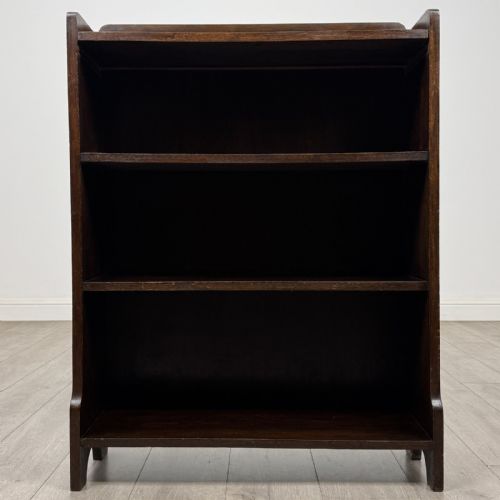

Traditional Open Book Shelves
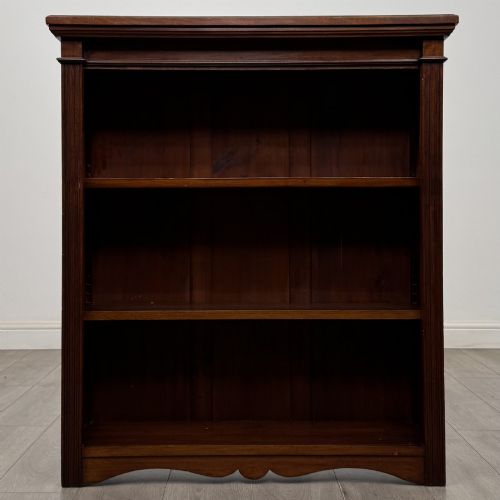
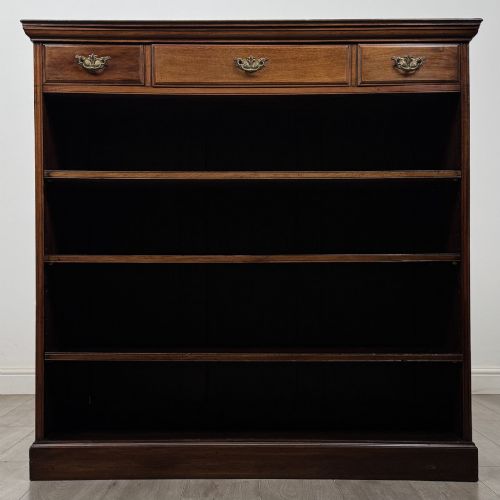
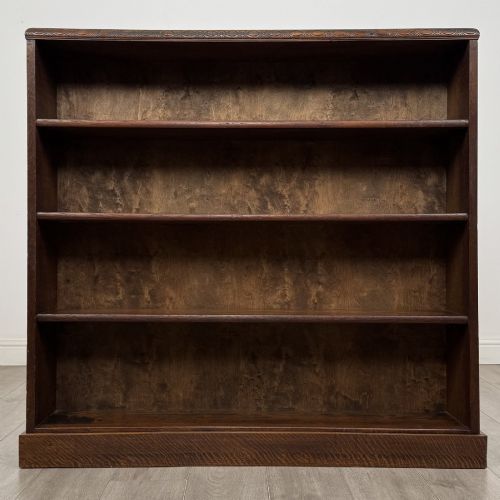
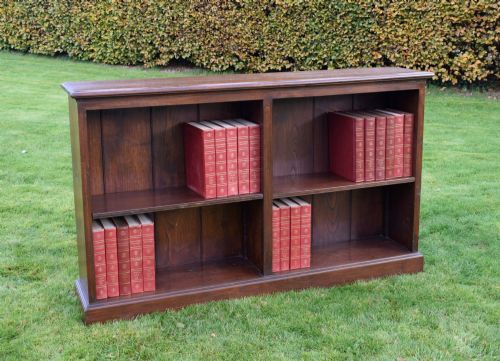
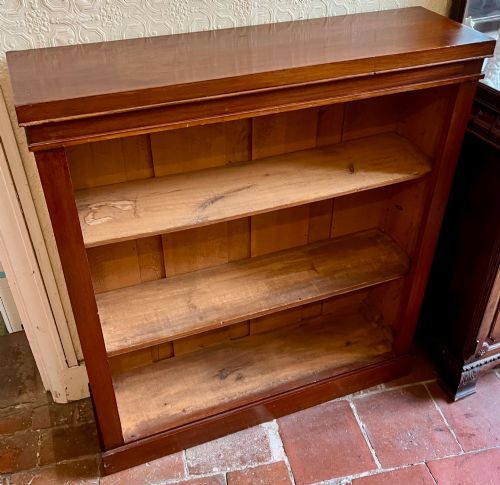
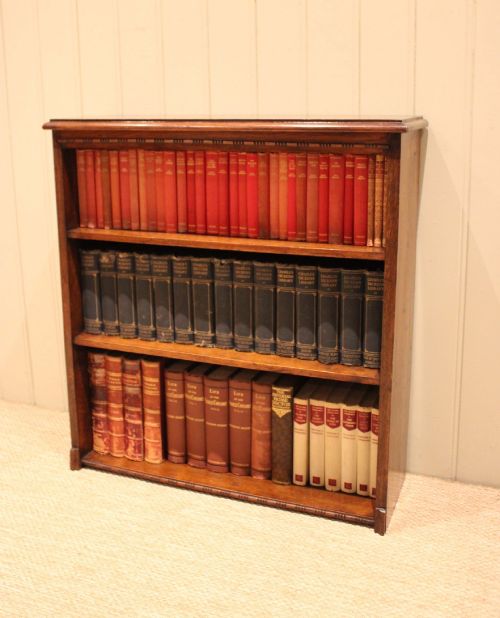
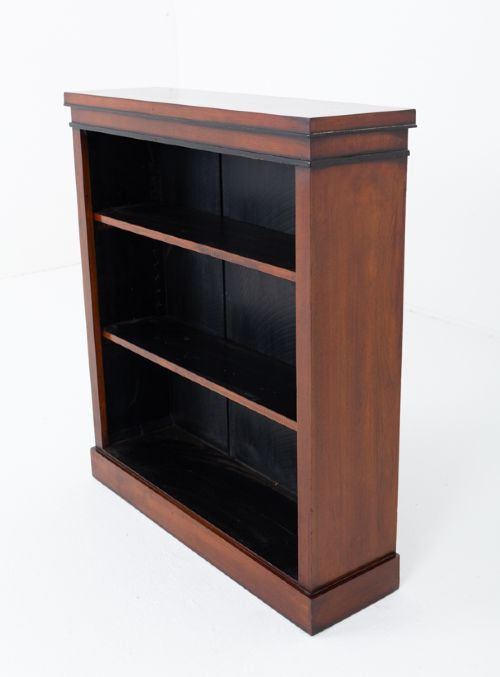
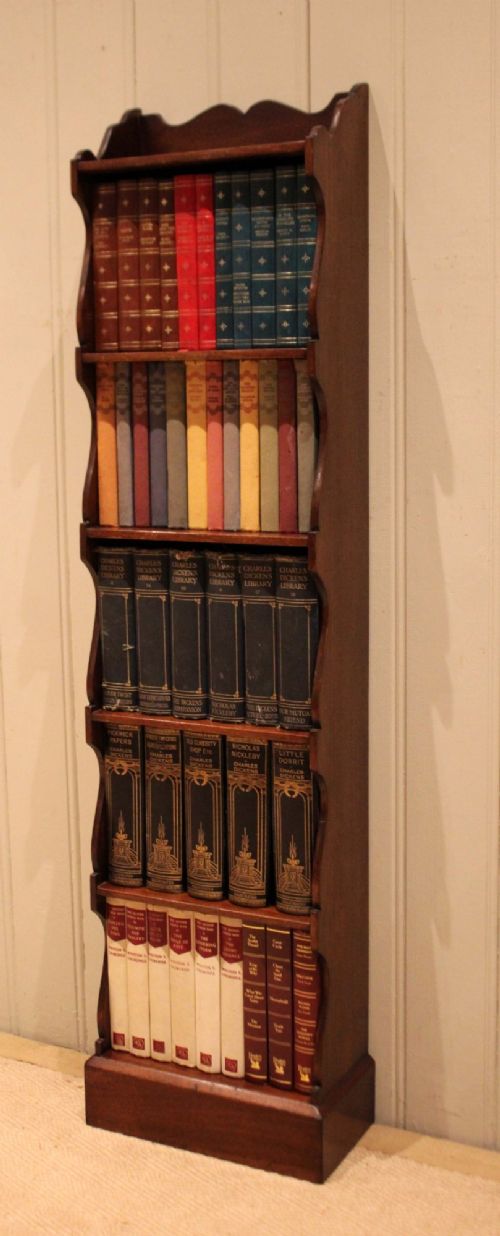
Traditional open book shelves are classic timber library pieces built to hold volumes in daily use while showing their spines.
Traditional Open Book Shelves
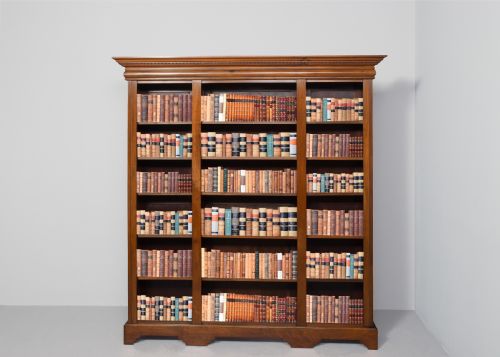
Traditional open book shelves provide accessible storage for home libraries and living spaces, drawing on designs from the Victorian, Edwardian and Georgian style periods. These pieces range from compact narrow formats to wide breakfront configurations.
Most examples found here date from the late nineteenth century through the early twentieth century, constructed primarily in oak and mahogany. Common variations include adjustable shelving, carved friezes and raised galleries.
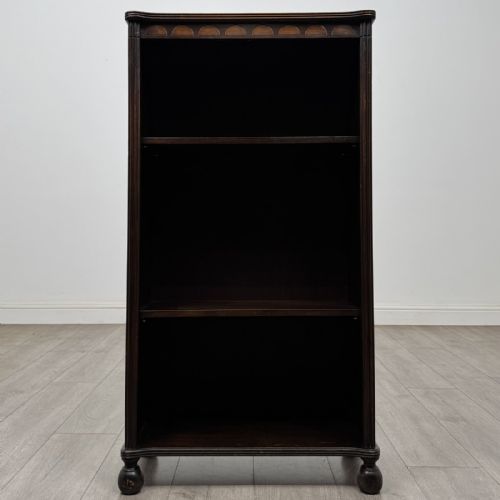
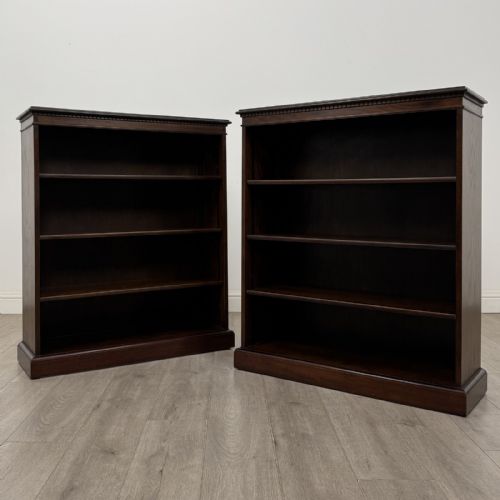
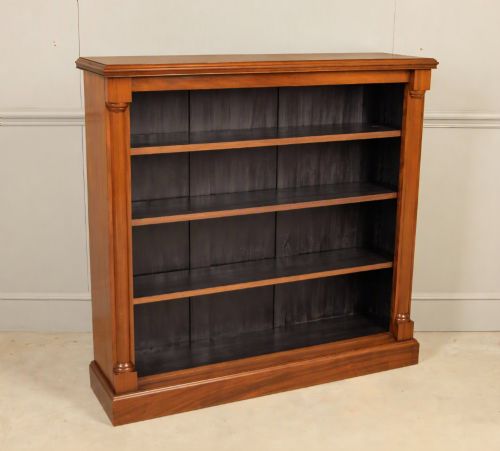
Forms span low single bays, tall slim towers and double-width units designed to fit domestic room proportions. The focus remains on functional book storage paired with period cabinetmaking.
What varies in quality
Quality rests on timber selection and the refinement of architectural details, such as breakfront proportions, dentil cornices and carved friezes. Fine examples exhibit balanced wood grain, clean joins and well-fitted adjustable shelving systems.
Simpler pieces rely on plain timber boards and minimal moulding, while superior constructions feature burr walnut veneers, brass accents and elaborate galleries. The execution of structural joints and drawer or shelf fit marks the division between standard workshop output and finer cabinetwork.
Traditional Open Book Shelves Retail Price Guide 2026
Typical asking prices for traditional open book shelves among the pieces listed under this phrase on Sellingantiques today, from the lower quarter to the upper quarter. They describe what is for sale here now, not the wider market.
Some oak bookcases hide adjustable shelf pegs so cunningly you will need a magnifying glass just to move a shelf.
Waring and Gillows
The Traditional Open Book Shelves Glossary
- Breakfront
- A piece of furniture with a central section that projects forward from the flanking sections. This configuration adds architectural depth to large bookcases.
- Dentil cornice
- A decorative moulding pattern composed of small, evenly spaced rectangular blocks resembling teeth. It sits along the top edge of traditional cabinetry.
- Raised gallery
- A low decorative railing or panelled barrier set along the top surface of a bookcase. It prevents items placed on top from sliding off.
- Adjustable shelves
- Shelves that can be moved up or down to accommodate books of different heights. This system uses peg holes, ratchets or brass tracks.
Traditional Open Book Shelves: Frequently Asked Questions
How do I choose the right size?
Measure your available wall space and ceiling height carefully before selecting a bookcase. Consider whether a narrow single bay or a wide breakfront unit best suits your room.
Check the depth of the shelves against the sizes of the books you intend to store. Taller rooms can accommodate tall slim mahogany or oak towers easily.
Are the shelves adjustable?
Many traditional open book shelves feature adjustable shelving systems to accommodate volumes of varying heights. These typically rely on wooden supports or traditional peg holes.
Verify the listing details if fixed shelving or specific tier spacing matters for your collection. Adjustable boards offer flexibility for changing display needs over time.
What woods were commonly used?
Oak and mahogany dominate these traditional bookcase designs, with walnut and pine appearing in specific periods. Oak provides a sturdy, textured grain suitable for Arts and Crafts or Jacobean Revival styles.
Mahogany and walnut offer a smoother, richer dark surface favoured in Victorian and Georgian style pieces. Brass hardware and leather details sometimes accent these timbers.
How do I date a bookcase?
Dating relies on stylistic clues such as carved friezes, dentil cornices, raised galleries and overall proportions. Victorian and Edwardian examples often display distinct decorative treatments tied to their respective eras.
Nineteenth-century pieces tend to feature heavier mouldings and dense timbers, while early twentieth-century versions introduce simpler lines and standardised adjustable fittings.