



Traditional Oil Painting Framed
Traditional oil painting framed options bring historical depth to an interior through layered pigments and substantial timber mouldings.
Traditional Oil Painting Framed
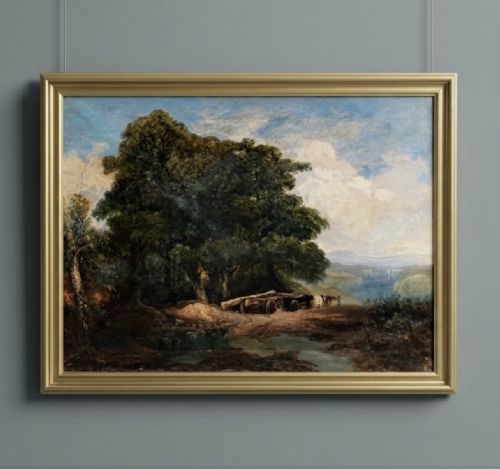
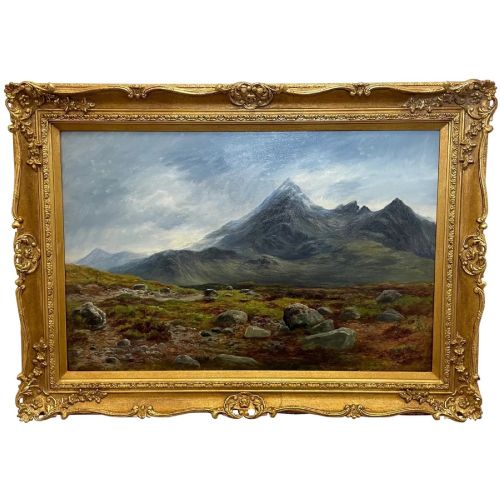
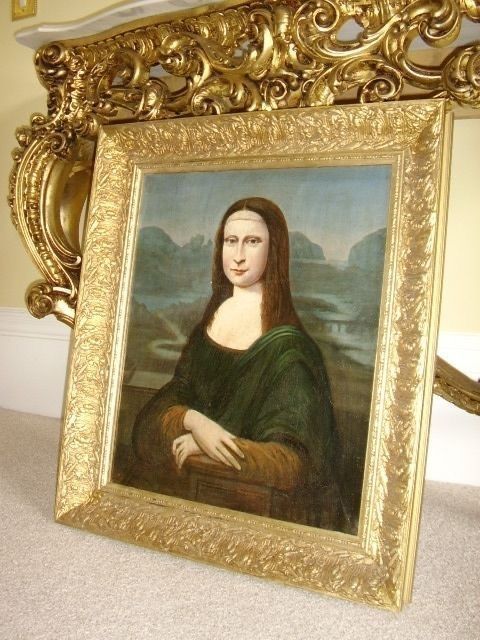
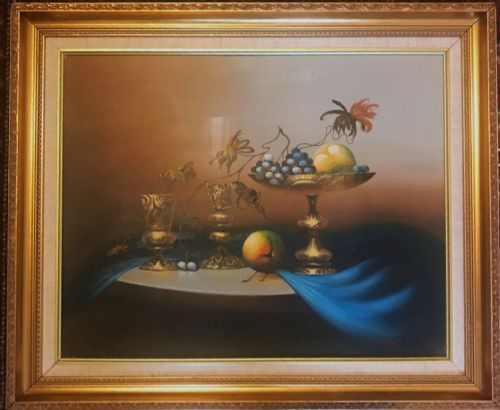
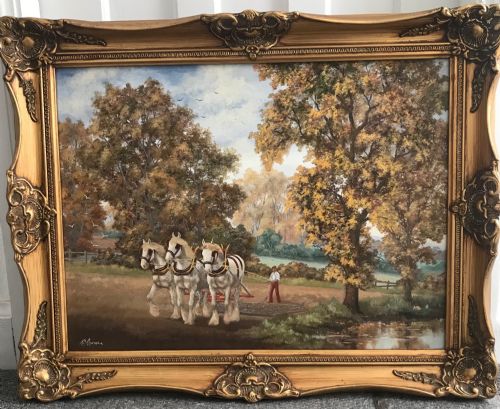
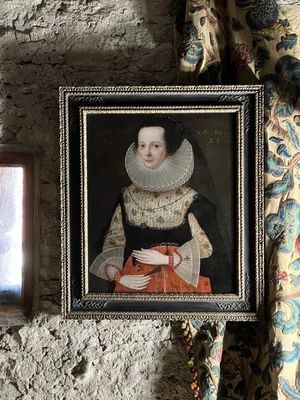
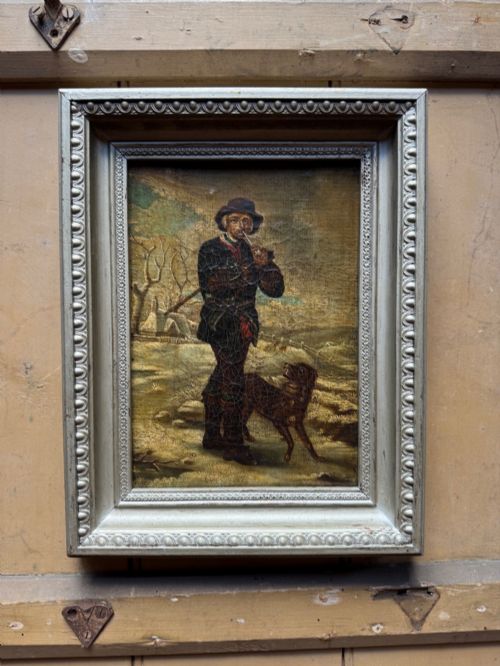
A traditional oil painting framed for display brings together canvas or wood panel supports and period surrounds. These works span portraits, landscapes, and still-life scenes executed across multiple centuries.
The pieces encountered most frequently on this page originate from the nineteenth century and the early twentieth century, reflecting British and continental European schools.
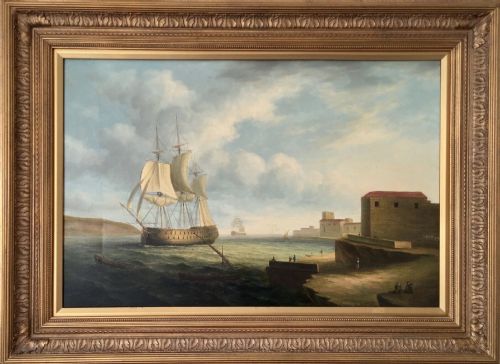
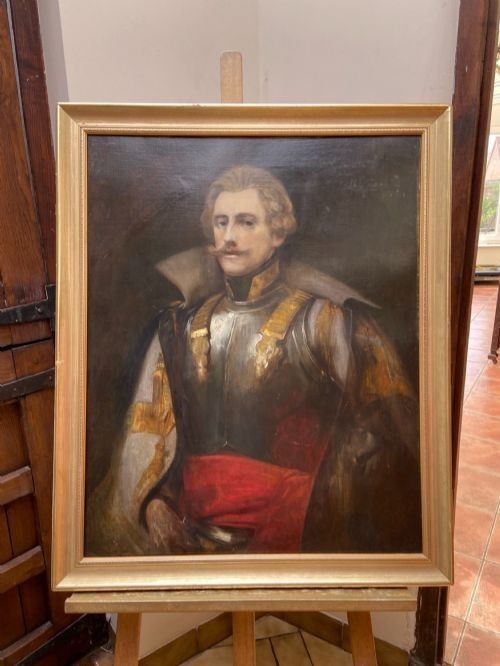
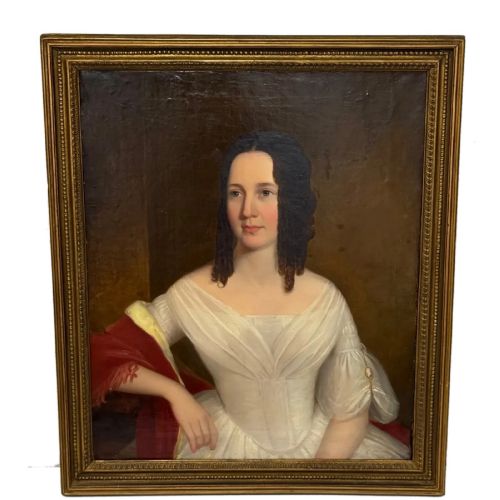
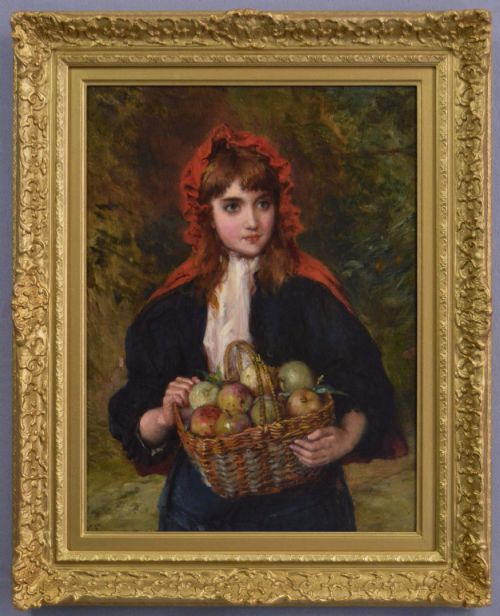
Subjects range from equestrian portraits and pastoral landscapes to floral still-life compositions and figurative studies housed in original or period-matched frames.
Materials and construction methods
Pigments mixed in drying oils are applied to stretched canvas or wooden panels, allowing for smooth blending and visible brush textures. Supports range from fabric stretched over timber frames to solid wood and board panels.
Frames utilise wood, gilt gesso, and gold leaf to create protective and decorative borders that complement the artwork. Mouldings often feature elaborate carved details or applied composition ornament finished with gilding.
Traditional Oil Painting Framed Retail Price Guide 2026
Typical asking prices for traditional oil painting framed among the pieces listed under this phrase on Sellingantiques today, from the lower quarter to the upper quarter. They describe what is for sale here now, not the wider market.
Listings feature works spanning from the seventeenth century through to the mid-twentieth century, utilising oil on canvas, wood, and panel.
Distinguishing quality factors
The standard of a traditional oil painting framed depends upon the confidence of the brushwork and the anatomical or spatial accuracy achieved by the artist. Stronger works display deliberate handling of light, shadow, and atmospheric depth.
Frame craftsmanship contributes significantly to the overall piece, with hand-carved wood and deep gesso profiles representing superior workshops compared to simpler later replacements.
William Oliver·Richard Sebastian Bond·William Beattie Brown·Jozsef Molnar·William H Myers·George Graham·W Klombeck·William Howard Hardy·George Willison·I Berezny·John Horace Hooper·William McAlpine·Reginald Arthur Borstel·William Joseph Shayer Senior·Francisco Jose de Goya y Lucientes·Sir Joshua Reynolds·Alfred Fontville de Breanski Jr·Edward Mills·George Houston
The Traditional Oil Painting Framed Glossary
- Gesso
- A plaster-like mixture applied to wooden frames as a base for gilding and ornamentation. It provides a smooth surface that can be moulded or carved before leaf is applied.
- Canvas
- A heavy woven fabric, usually linen or cotton, stretched tightly across a wooden stretcher frame to serve as a stable painting surface.
- Oil Paint
- A slow-drying medium made from pigments suspended in drying oils such as linseed. This medium allows artists to work wet-into-wet and build translucent glazes.
- Panel
- A flat wooden board used as a rigid support for painting instead of flexible canvas. Oak, mahogany, and deal are common timbers found in older works.
- Gilt
- A thin layer of gold leaf or gold paint applied to the surface of a frame. It adds reflective brilliance and protects the underlying wood from moisture.
Traditional Oil Painting Framed: Frequently Asked Questions
How do I care for a traditional oil painting framed?
Keep the artwork away from direct sunlight and fluctuating humidity to prevent the canvas from sagging and the wood from warping.
Dust the frame gently with a soft, dry brush and avoid applying liquid cleaners to either the canvas or the gilt surfaces.
Are the frames original to the paintings?
Many paintings retain their period-appropriate frames, such as gilt gesso mouldings that match the age of the canvas.
Some works have been reframed over the centuries to suit changing interior tastes or to provide better structural support.
How can I tell the age of the canvas?
Examination of the stretcher frames, hand-forged or early machine-cut tacks, and the oxidation of the oil pigments help indicate age.
Craquelure, the fine network of cracks in the paint surface, also develops naturally as oil paint hardens over decades.
What subjects are most common?
Landscapes and portraits dominate the selection, capturing pastoral British countryside views, coastal scenes, and formal likenesses.
Still-life compositions featuring flowers and fruit also appear frequently across the nineteenth and early twentieth centuries.