
Traditional Oil Canvas Picture
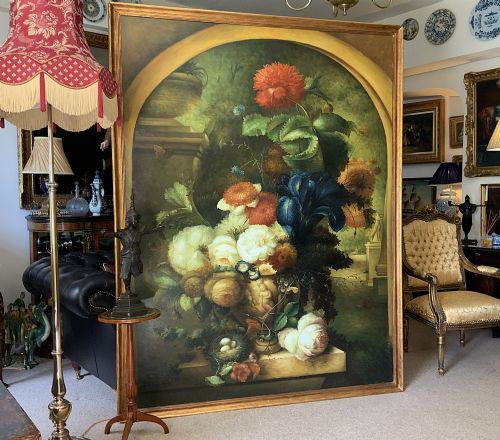
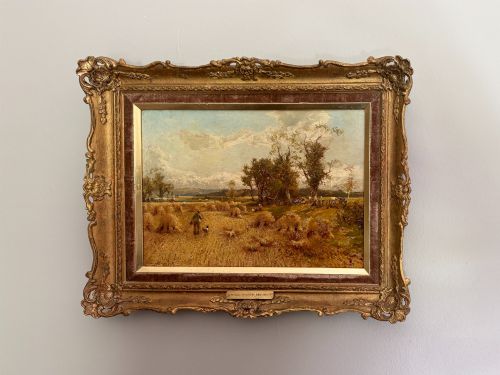
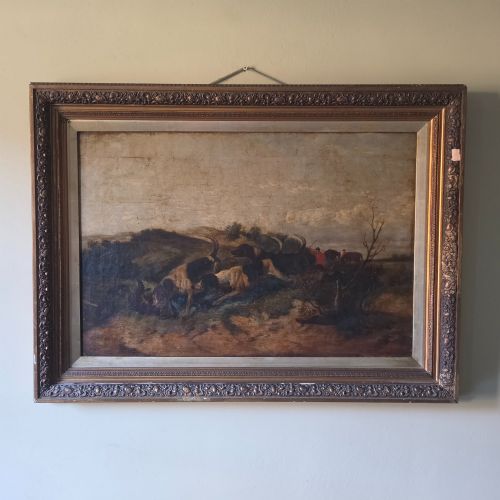
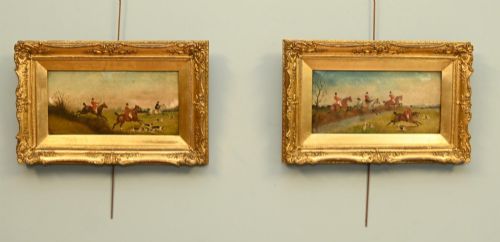
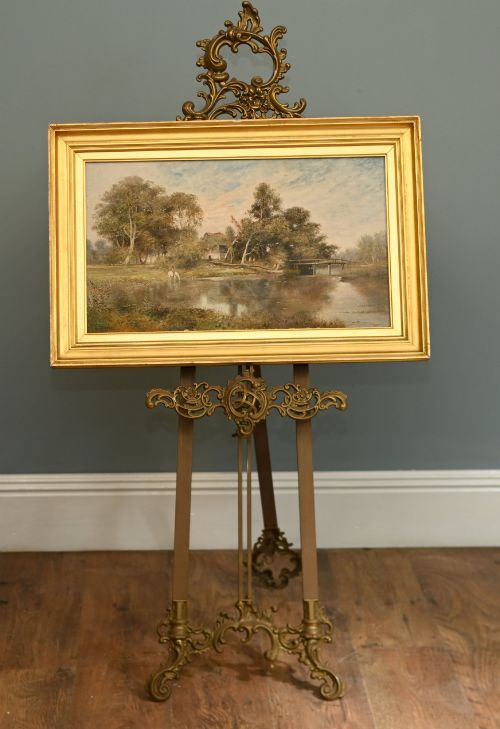
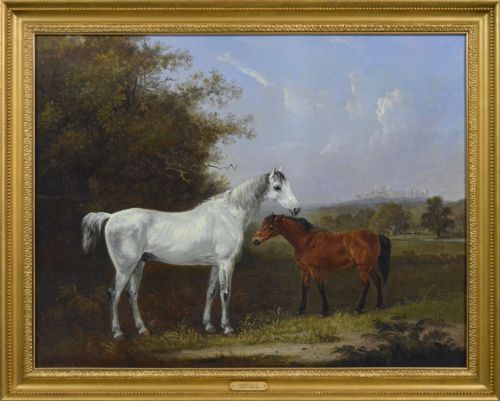
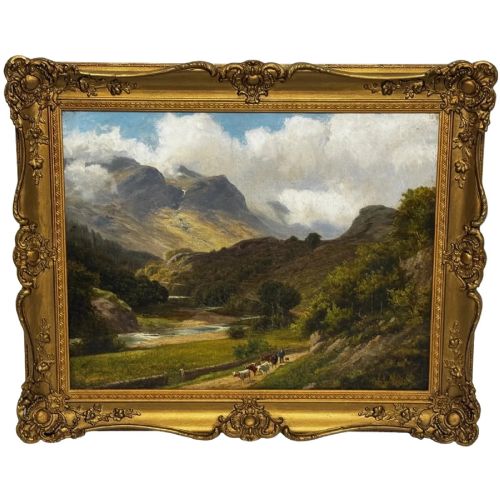
A traditional oil canvas picture brings historical atmosphere to a room, showing landscapes, portraits, and rural scenes captured in oil paint.
Traditional Oil Canvas Picture
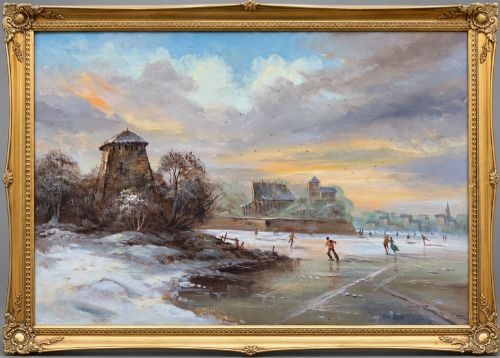
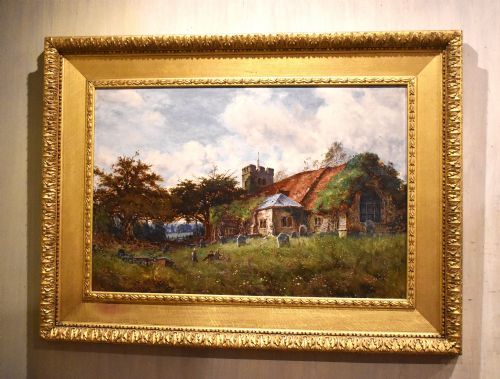
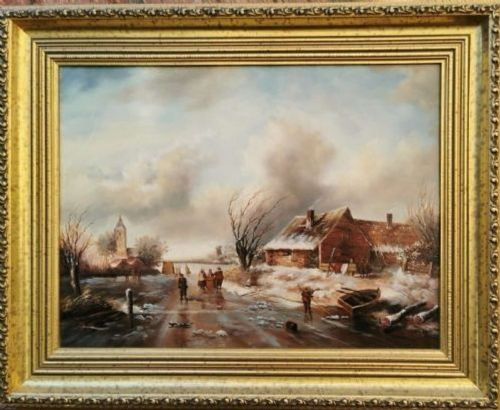
A traditional oil canvas picture comprises works executed in oil paint upon woven canvas stretched across wooden supports, often enclosed within giltwood frames.
Buyers encounter pieces spanning the nineteenth century through the mid twentieth century, covering Victorian, Edwardian, and traditional country aesthetics.
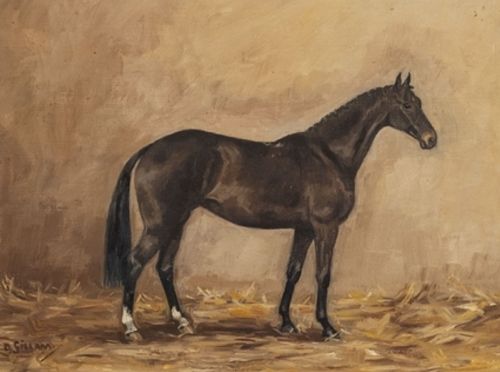
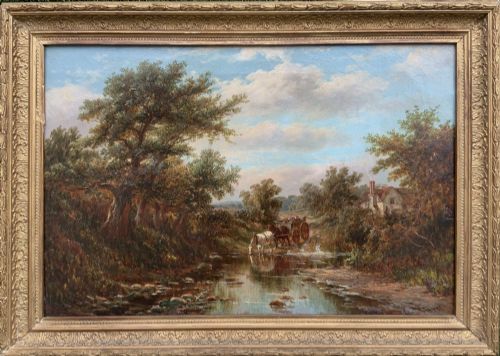
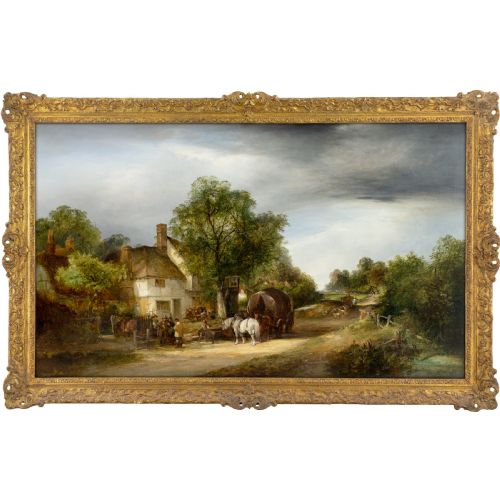
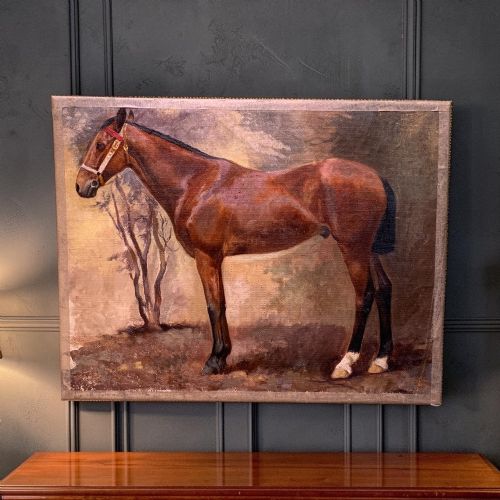
The subjects range from equestrian portraits and domestic animal studies to Dutch golden age style flowerpieces, river landscapes, and figurative genre scenes.
Materials and construction
Artists painted primarily with oil pigments applied directly onto prepared canvas stretched over rigid wooden frames.
Frames utilise wood and giltwood, sometimes incorporating decorative gesso moulded details to complement the artwork within.
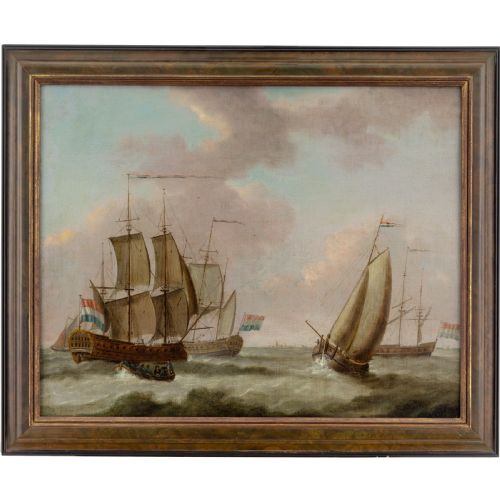
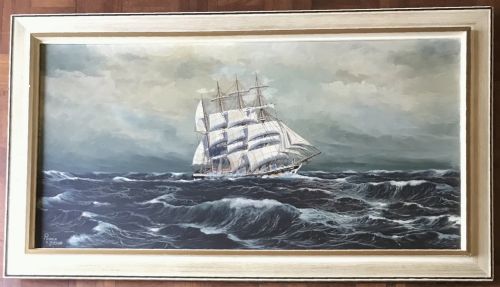
Subject categories span equestrian portraits, maritime views, floral still lifes, and rural genre scenes by British and continental painters.
Evaluating quality and execution
Depth of pigment handling and the precision of brushwork separate standard decorative works from accomplished academic or regional school painting.
The condition of the original canvas surface, stability of the paint layer, and authenticity of the period frame influence the integrity of the piece.
William H Myers·Alfred Fontville de Breanski Jr·George Houston·David Bates·Walter Heath Williams·Howard Helmick·Edward Ladell·John Horace Hooper·Albert Rieger·Charles Leslie·Henry Yeen King·Delapoer Downing·Robert Watson·Henry Schouten·Harry Brooker
The Traditional Oil Canvas Picture Glossary
- Oil on Canvas
- Pigment bound in drying oil applied to a woven fabric support. This remains the standard medium for the works found here.
- Giltwood
- Wood carved and covered with a thin layer of gold leaf or metallic gilt. These materials form the traditional frames housing many nineteenth-century pictures.
- Genre Painting
- Art depicting scenes from everyday life, ordinary people, and domestic interiors. Such subjects appear frequently across Victorian and Edwardian canvases.
- Gesso
- A paint mixture consisting of a neutral binder mixed with chalk, gypsum, or pigment. It is applied to wooden frames before gilding to create smooth decorative mouldings.
Traditional Oil Canvas Picture: Frequently Asked Questions
How do I date a traditional oil canvas picture?
Dating relies upon stylistic markers in clothing, architectural details, and the construction methods of the stretcher frame and backing canvas. Pigment analysis and signature records also assist in establishing a reliable chronology.
Examining the type of wood and nails used in the frame provides additional context. Older pieces often exhibit hand-split wooden wedges and oxidized canvas textures.
Where should I hang an oil painting?
These works suit principal living spaces, hallways, and studies where atmospheric lighting enhances the depth of the oil pigments. Avoid placing them in areas subject to excessive moisture or direct sunlight.
Maintaining a stable room temperature helps protect both the canvas tension and the wooden frame. Adequate spacing allows the artwork to serve as a focal point within the room.
What is the difference between nineteenth century and twentieth century works?
Nineteenth century pieces often reflect academic realism, romantic landscapes, or detailed genre narratives with heavy gilt frames. Twentieth century examples frequently adopt looser brushwork influenced by British impressionism and country scenes.
Subject matter also shifts over time, moving from formal Victorian portraiture and maritime views towards more pastoral landscapes and everyday domestic animals.