

Traditional Oak Pedestal Table
A traditional oak pedestal table anchors a room with solid presence, offering sturdy surfaces shaped by decades of purposeful daily use.
Traditional Oak Pedestal Table
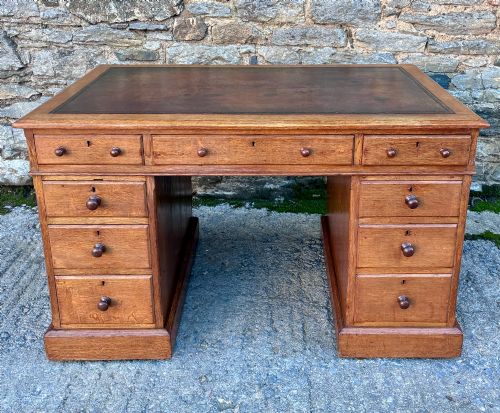
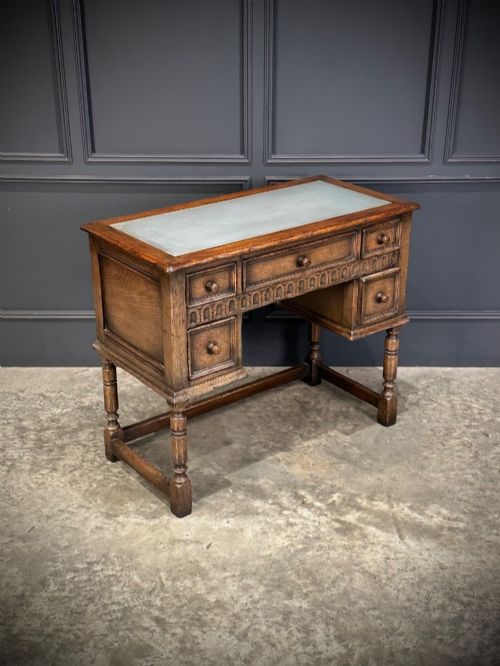
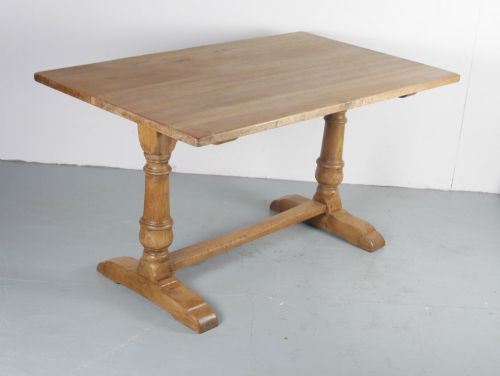
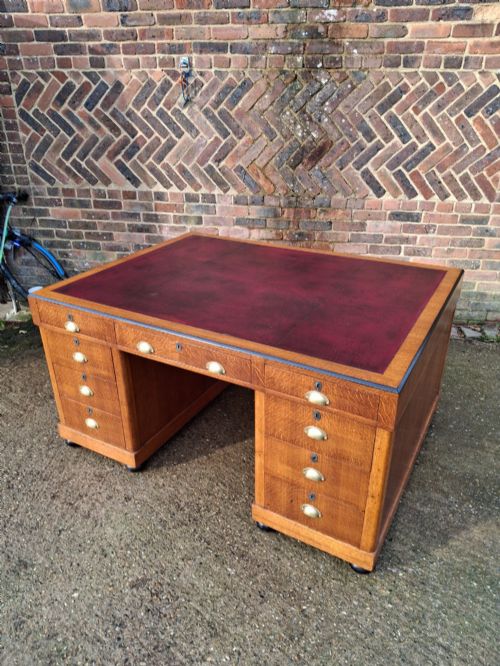
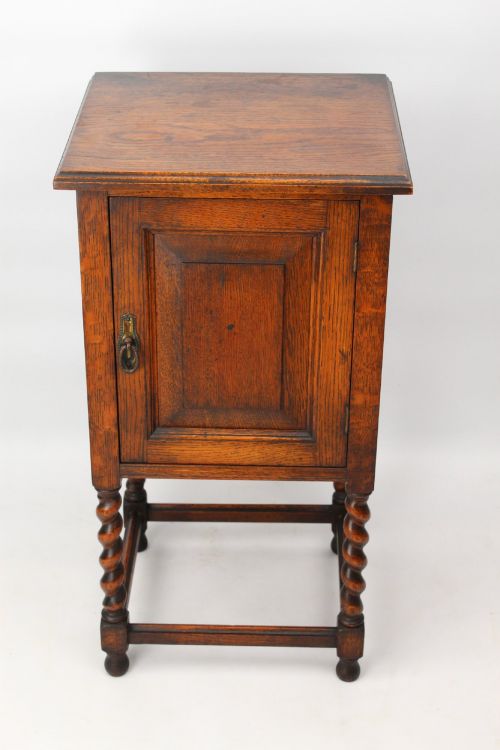
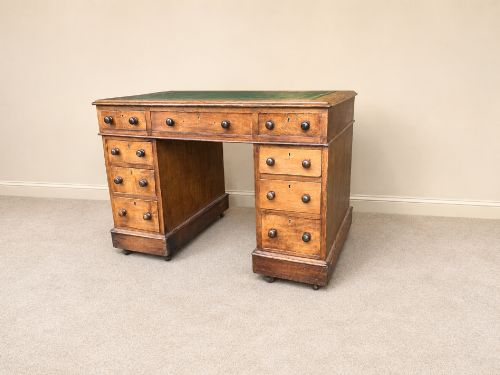
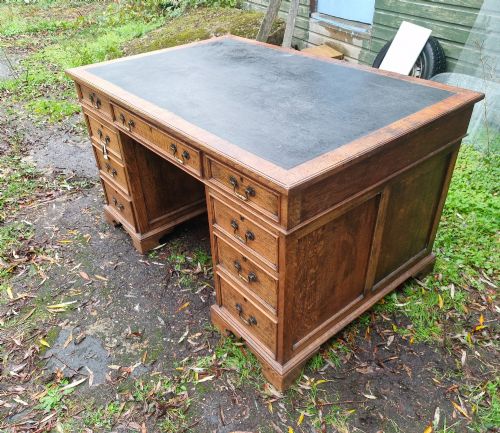
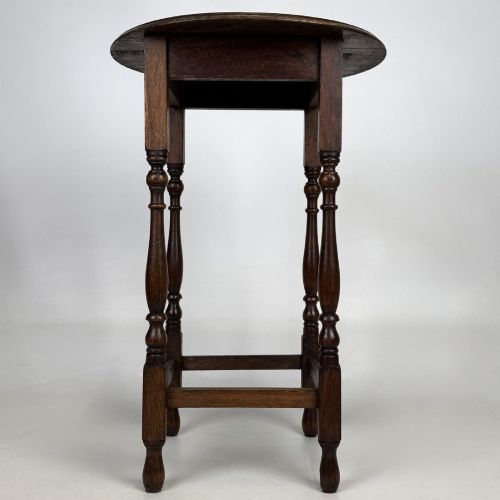
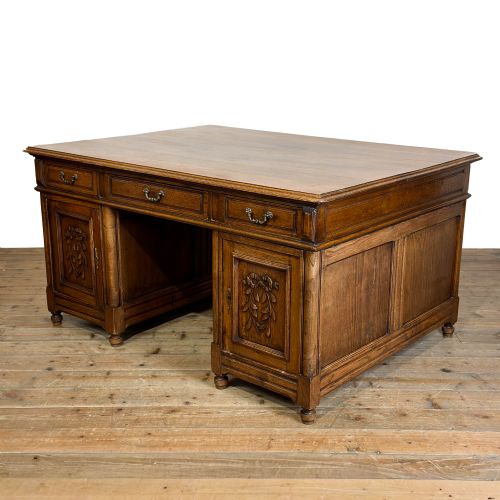
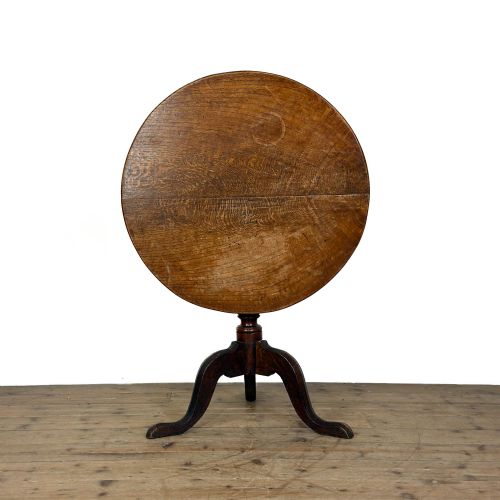
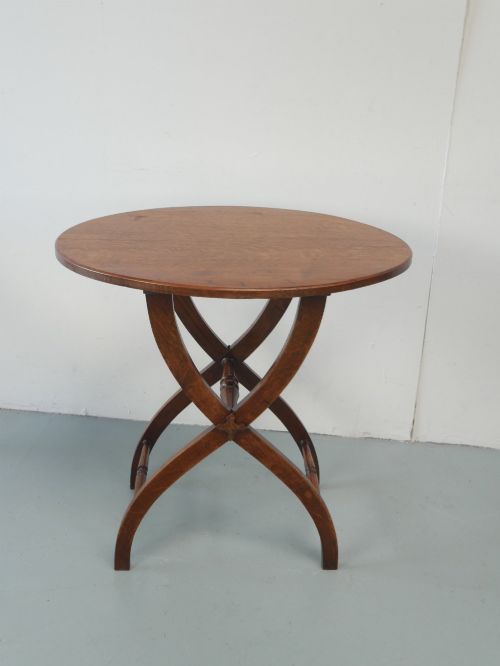
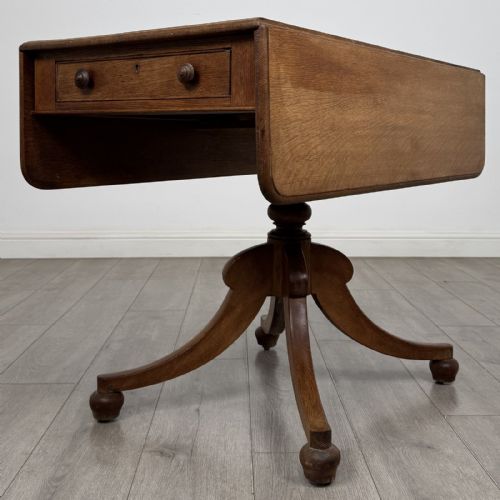
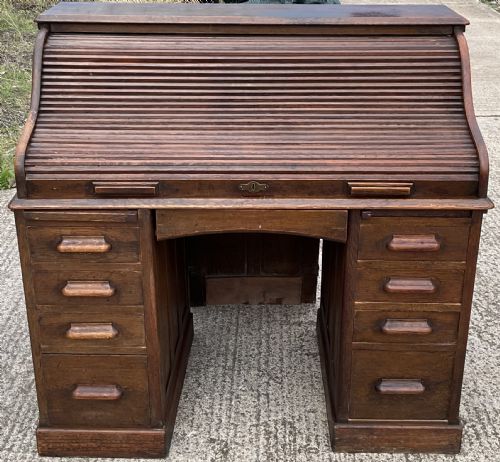
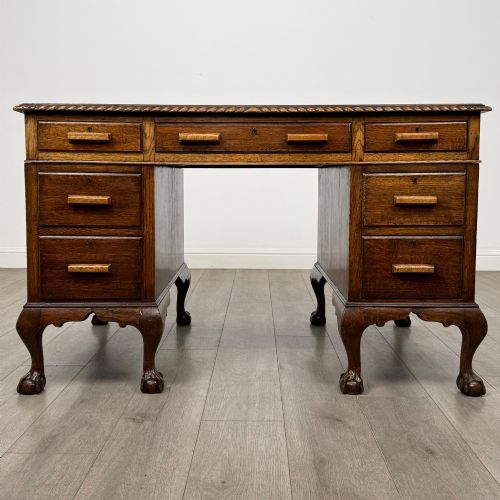
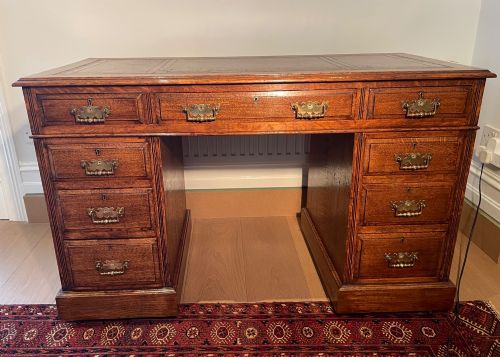
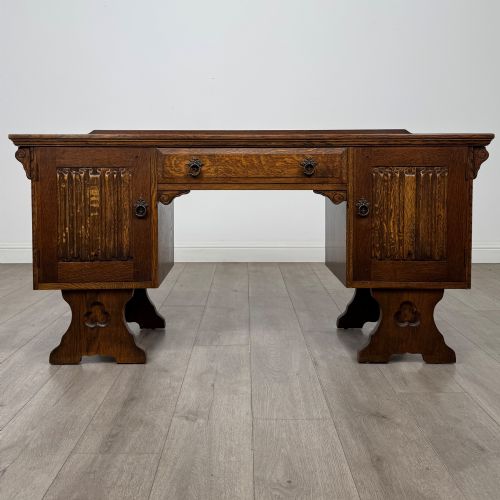
When buyers search for a traditional oak pedestal table, they encounter a heavy concentration of writing desks, partners desks, and occasional lamp tables dating from the Victorian and Edwardian eras. These pieces typically feature a central column or a twin pedestal configuration supporting a substantial wooden top, often paired with drawers or writing surfaces.
The selection ranges from compact clerks desks and kneehole formats to large office partners desks intended for dual use. Construction spans the nineteenth century through the early twentieth century, showing influences from Georgian, Jacobean Revival, and Arts and Crafts styles.
Most examples rely on domestic timber with visible grain patterns, sometimes enhanced by secondary materials like leather inserts or brass hardware. The forms serve both residential studies and working office environments, maintaining utility alongside period character.
Materials and construction methods
Cabinetmakers built these tables primarily using solid oak, occasionally incorporating pine for internal drawer framing or secondary panels. Timber selection prioritised durability, resulting in dense structures capable of withstanding heavy daily use in offices and libraries.
Joinery methods involved traditional panel construction, dovetail joints for drawer boxes, and turned or carved central supports. Metal elements such as brass campaign handles, iron brackets, and castors appeared on functional office pieces to aid mobility and daily operation.
Surface treatments included applied leather writing inserts, linenfold carvings, and dark polishes that highlighted the natural medullary rays of the oak. Structural stability came from sturdy pedestals, tripod bases, and sabre legs rather than purely decorative veneer.
Traditional Oak Pedestal Table Retail Price Guide 2026
Typical asking prices for traditional oak pedestal table among the pieces listed under this phrase on Sellingantiques today, from the lower quarter to the upper quarter. They describe what is for sale here now, not the wider market.
Listings for traditional oak pedestal table designs span the Victorian, Edwardian, and Georgian periods, incorporating materials like brass, leather, and solid oak.
Distinctions in craftsmanship and finish
Quality separates pieces by the selection of timber and the precision of the joinery rather than ornamental excess. Superior examples display dense, well-figured oak with hand-cut dovetail joints that remain flush and tight after generations of movement.
Hardware integration marks another dividing line, where recessed brass campaign handles, smooth-running drawers, and intact original leather writing surfaces indicate higher workshop standards. Lesser pieces often substitute machine-stamped fittings and simpler, unpanelled framing.
Proportion and carving execution also distinguish the range. Finer tables maintain balanced dimensions and crisply defined details such as claw and ball feet or geometric linenfold panels, whereas standard utility pieces remain plain and straightforward.
Gillow and Co·Merryweather and Son
The Traditional Oak Pedestal Table Glossary
- Pedestal desk
- A heavy writing table supported by two upright banks of drawers rather than four separate legs. This form provides substantial storage while maintaining a formal architectural presence.
- Partners desk
- A large double-sided writing table designed for two people to work opposite one another simultaneously. These items feature drawers and cupboards accessible from both sides.
- Refectory table
- A long, narrow dining table traditionally built with sturdy wooden legs and a central stretcher for stability. They utilise solid timber tops suited for communal gatherings.
- Tripod table
- A small occasional table supported by a central pillar resting on three spreading feet. This design allows the top to tilt vertically for storage when not in use.
- Linenfold
- A style of wood carving that imitates folded parchment or linen cloth. Cabinetmakers frequently applied this texture to cabinet doors and desk panels during revival periods.
- Campaign handle
- A flush-fitting metal handle countersunk into the drawer face to prevent catching during transport. These items originated on campaign furniture built for military officers.
Traditional Oak Pedestal Table: Frequently Asked Questions
What is a traditional oak pedestal table used for?
These pieces function primarily as executive desks, writing surfaces, or study tables in home offices and libraries. Their sturdy construction accommodates daily paperwork and computer equipment while adding period character.
The central pedestals provide built-in drawer storage, keeping workspaces organised without requiring separate filing cabinets. Smaller variants serve as lamp tables or occasional surfaces in sitting rooms.
How do I identify a Victorian oak desk?
Victorian examples typically feature dark polished oak, robust panel construction, and functional additions like brass handles or inset leather tops. They often incorporate machine-sawn timber alongside hand-cut dovetails.
Look for period specific design motifs such as heavy turned legs, carved gallery rails, or rolltop mechanisms. Maker stamps and stamps inside drawer boxes can also confirm the manufacturing era.
Are these tables suitable for modern computers?
Many larger partner desks and kneehole tables offer ample surface area and cable clearance for contemporary office technology. Deep drawers easily accommodate modern peripherals and documents.
Buyers should verify internal kneehole clearances and drawer depths before purchase to ensure adequate ergonomic setup for daily computer work.
How do I care for antique oak furniture?
Maintain the wood by applying quality beeswax periodically to nourish the grain and protect against drying out. Avoid placing tables near direct heat sources or in strong sunlight.
Use coasters and felt pads beneath objects to prevent water rings and scratching on polished surfaces or leather writing inserts. Gentle dusting with a soft cloth preserves the original finish.