


Traditional Oak Lowboy
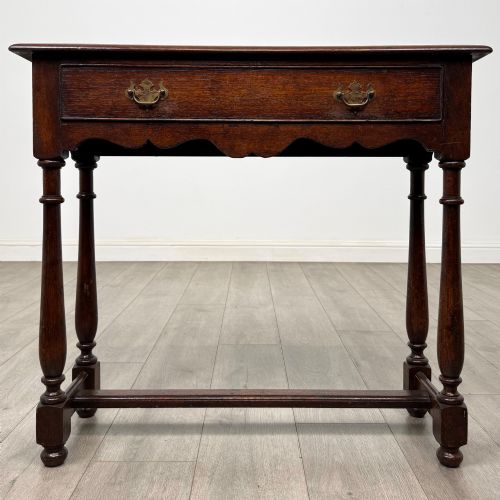
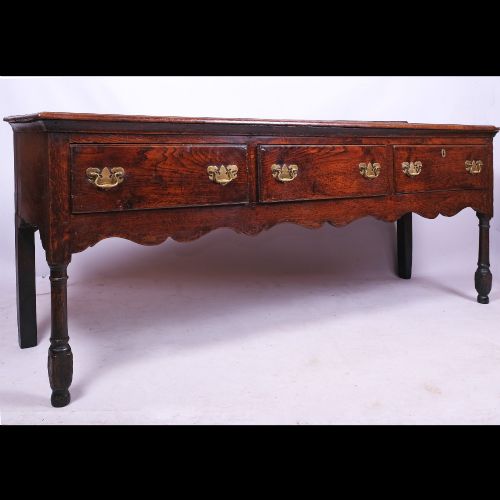
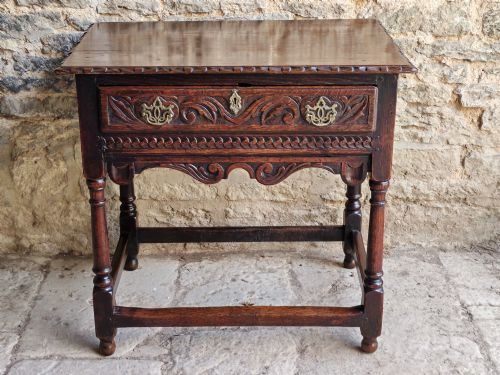
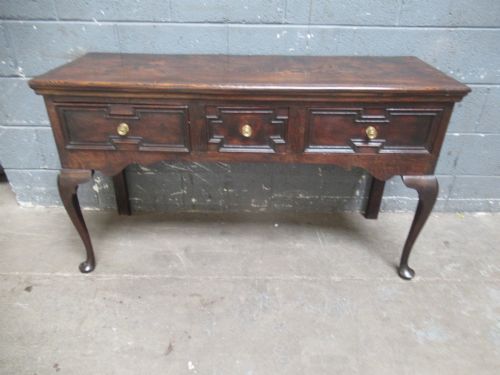
A traditional oak lowboy is a low side table with drawers, offering warmth and practical surface space that suits both period and modern rooms.
Traditional Oak Lowboy
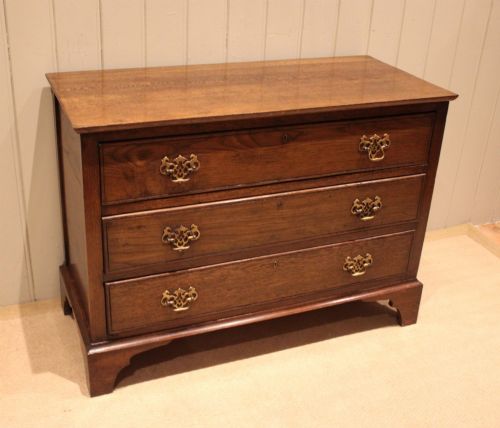
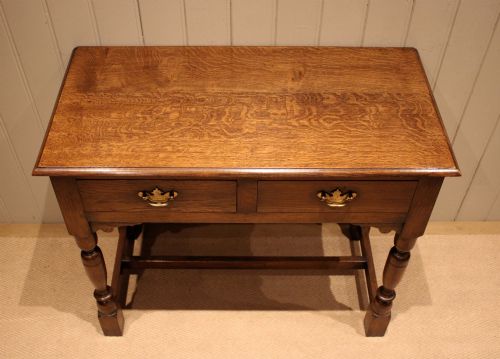
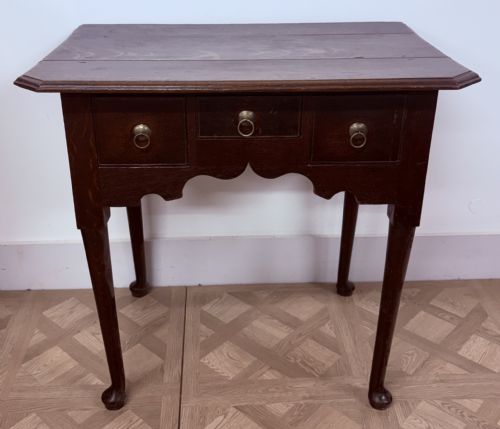
When you search for a traditional oak lowboy, you find low-standing timber tables equipped with drawers that served various household tasks over the centuries. These pieces function well as side tables, small writing desks, or dressing surfaces.
The selections available here range from authentic 18th-century examples to later Georgian revival and Edwardian interpretations. You will encounter genuine period pieces alongside early 20th-century craftsmanship built in the traditional manner.
Assessing quality and character
Quality rests in the selection of the timber and the crispness of the joinery rather than decorative excess. Superior examples display tight grain patterns in the oak and smooth drawer action.
Proportions also dictate the distinction between standard items and finer pieces, with balanced overhangs and well-integrated legs defining better craftsmanship. Patina accumulated over generations adds depth to the surface appearance.
Current listings span from the early 18th century through the Edwardian era, featuring oak, fruitwood, and brass hardware.
Gillows
The Traditional Oak Lowboy Glossary
- Lowboy
- A small table with one or more rows of drawers, standing on relatively short legs. It originated in the late 17th century and served various domestic functions.
- Dresser Base
- The lower portion of a traditional dresser, featuring cupboards or drawers beneath a flat top. These often share similar proportions and timber use with lowboys.
- Fruitwood
- Dense timber harvested from fruit trees such as pear or apple, frequently utilised by period cabinetmakers for drawer linings and internal components.
- Mortise and tenon
- A fundamental woodworking joint where a projection on one board fits tightly into a matching cavity on another, secured with wooden pegs.
Traditional Oak Lowboy: Frequently Asked Questions
What is a traditional oak lowboy used for today?
These tables function effectively as hallway surfaces, bedside tables, or compact desks in modern homes.
Their shallow drawers provide convenient storage for small items while keeping floor space open.
How do I date a traditional oak lowboy?
Dating relies on examining construction methods, timber choice, and the style of the hardware.
Hand-cut dovetails, pegged joints, and the natural wear of the oak often indicate 18th-century origins, whereas machine-cut elements point to revival periods.
How do I care for antique oak furniture?
Keep wooden pieces away from direct heat sources and sudden humidity changes to prevent the timber from splitting.
Apply a traditional beeswax polish occasionally to nourish the surface and maintain the natural lustre.