


Traditional Oak Kitchen Dresser
A traditional oak kitchen dresser brings honest utility and timeless storage to a room, anchoring the space with centuries of vernacular craftsmanship.
Traditional Oak Kitchen Dresser
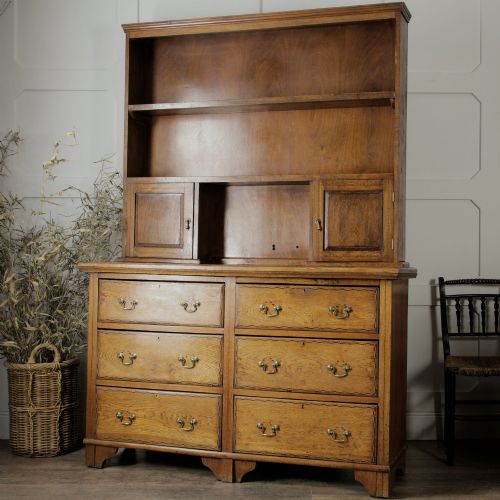
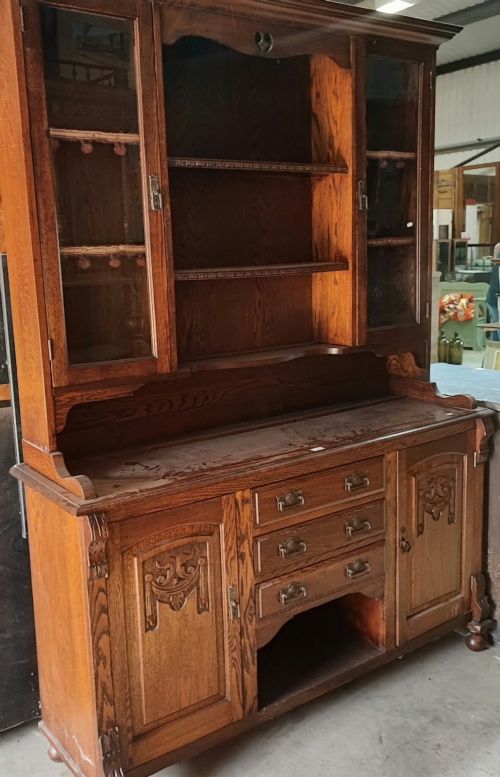
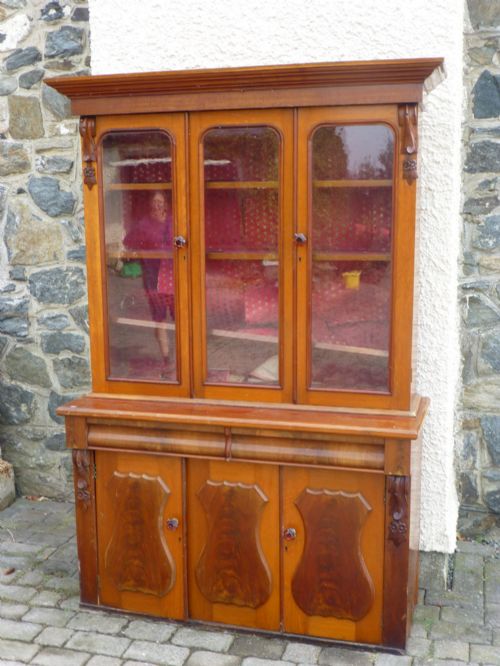
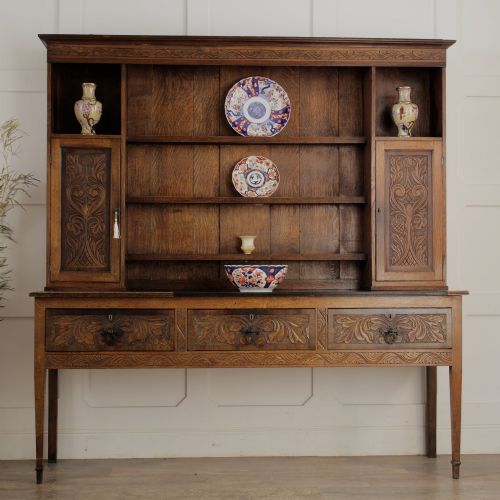
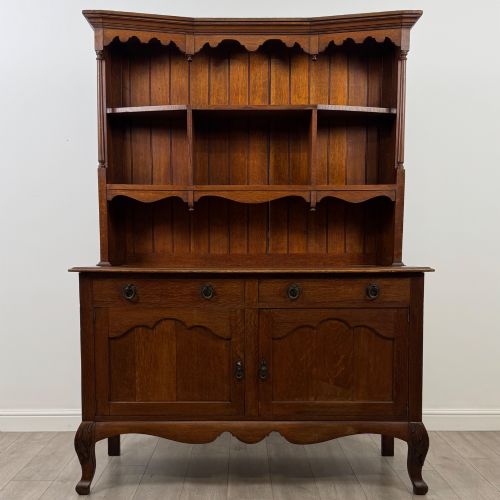
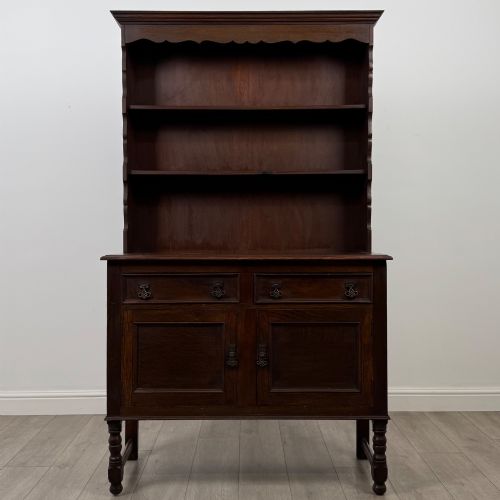
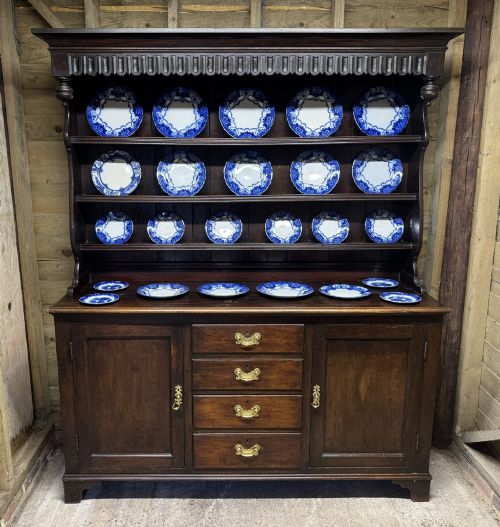
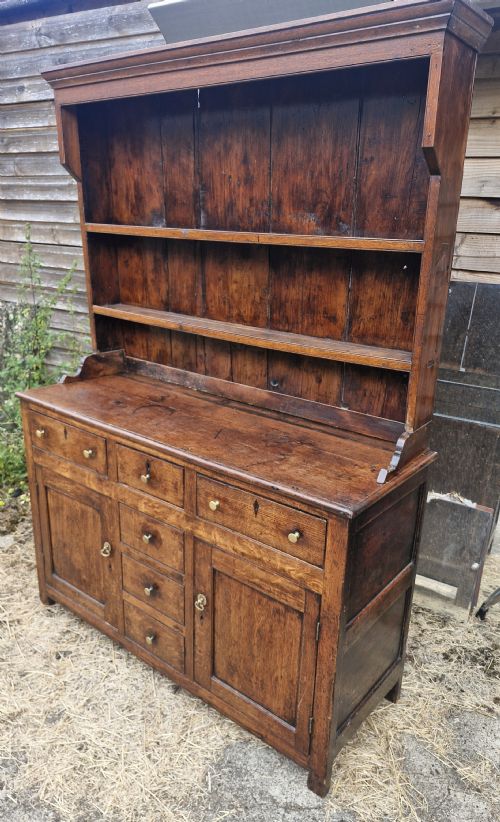
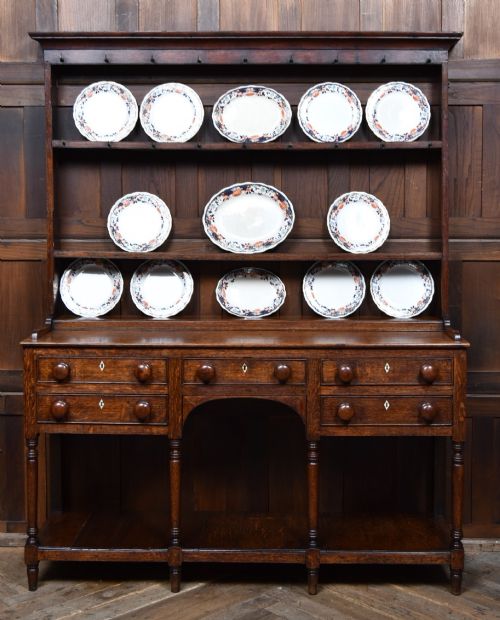
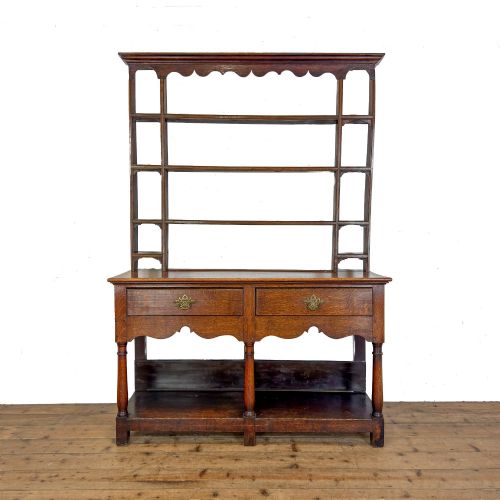
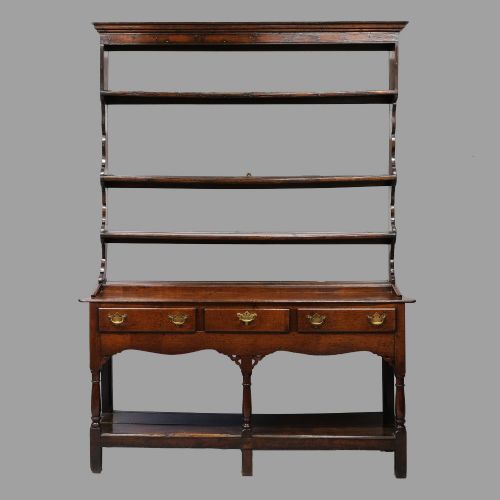
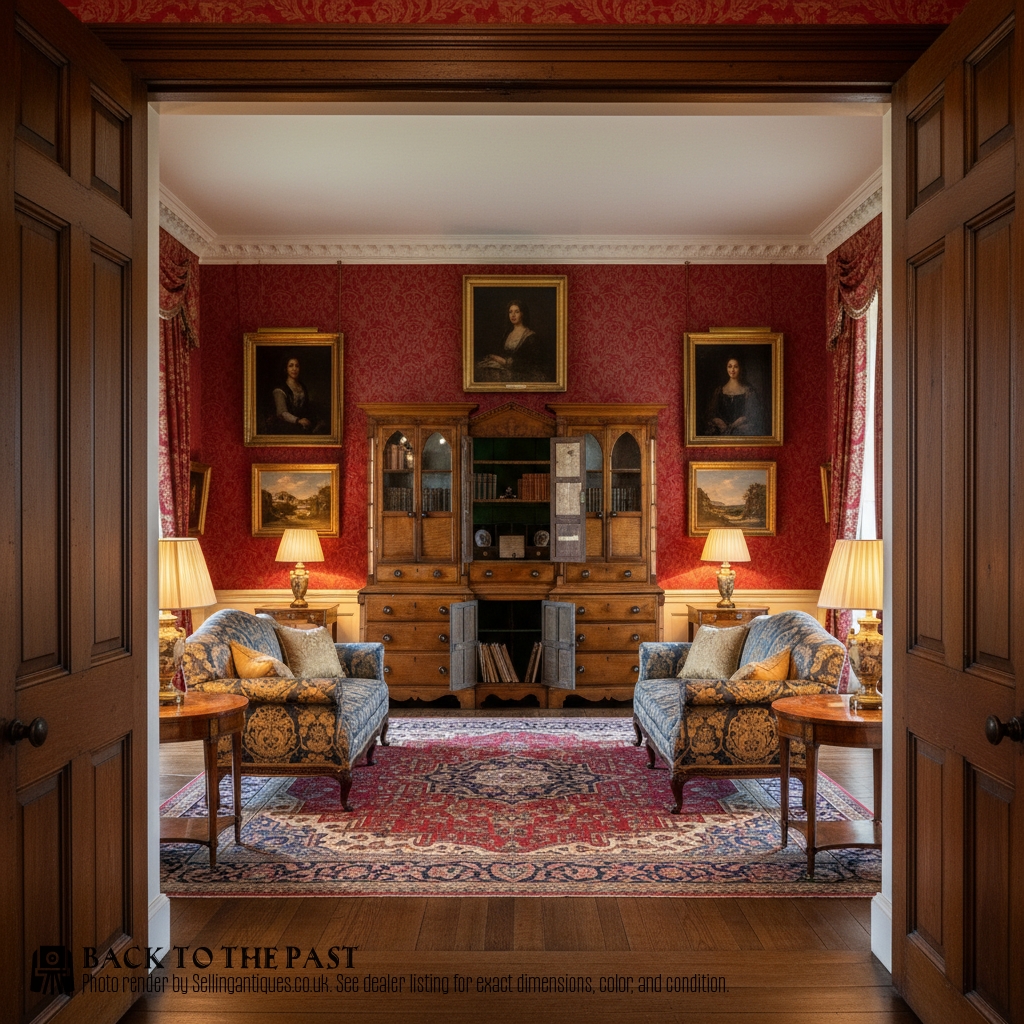
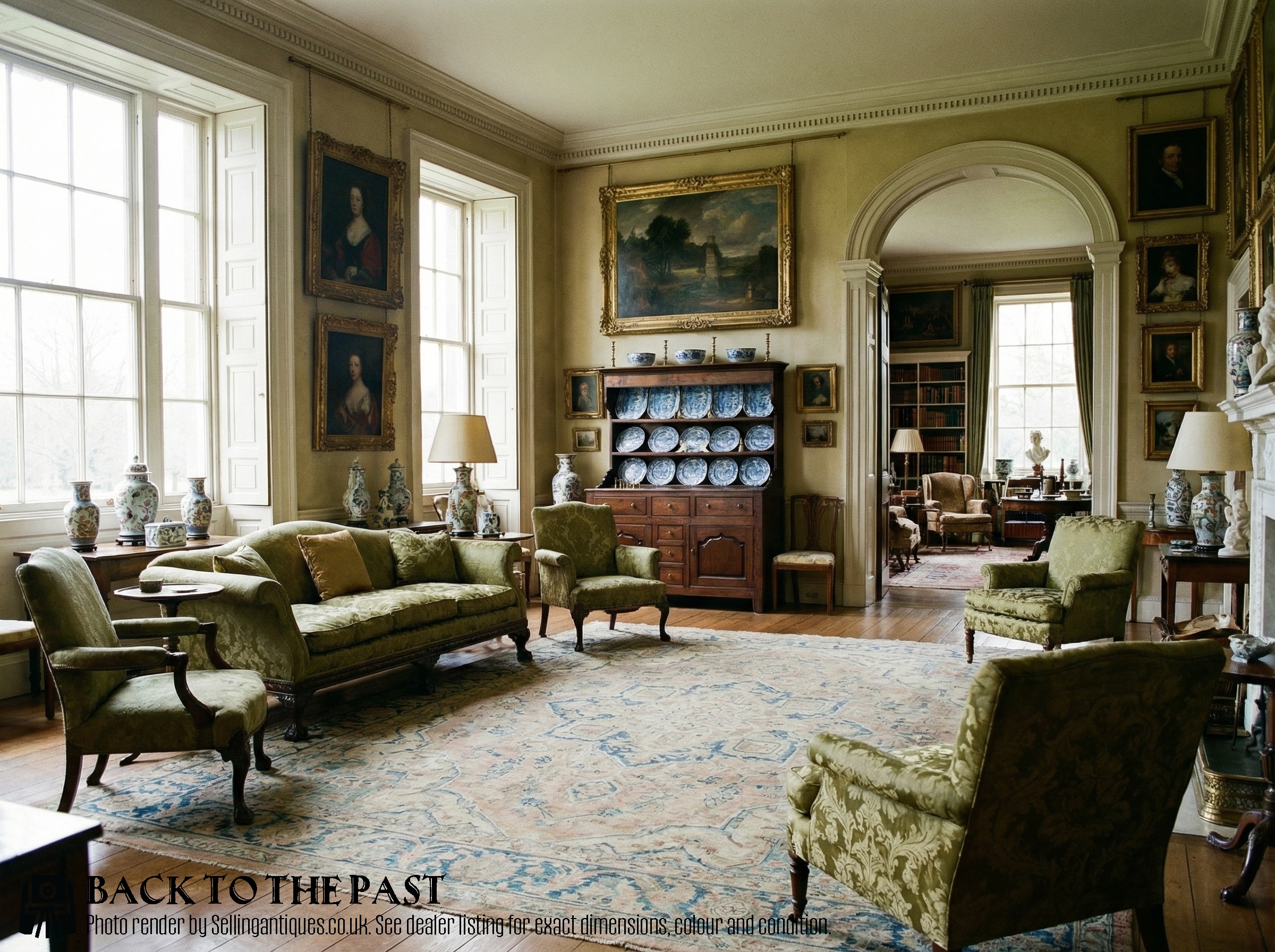
A traditional oak kitchen dresser combines a sturdy base cabinet with an upper plate rack or shelving unit, designed originally to store and display domestic tableware. You will frequently encounter regional forms such as Welsh dressers, potboard bases, and glazed bookcases spanning the eighteenth, nineteenth, and early twentieth centuries.
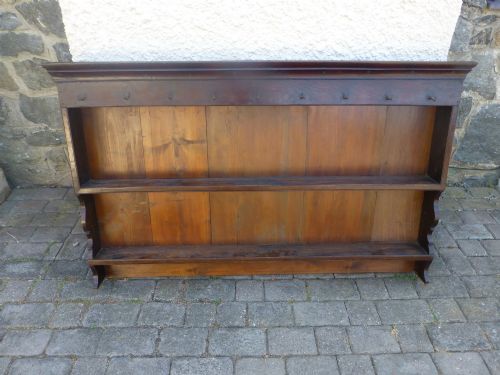
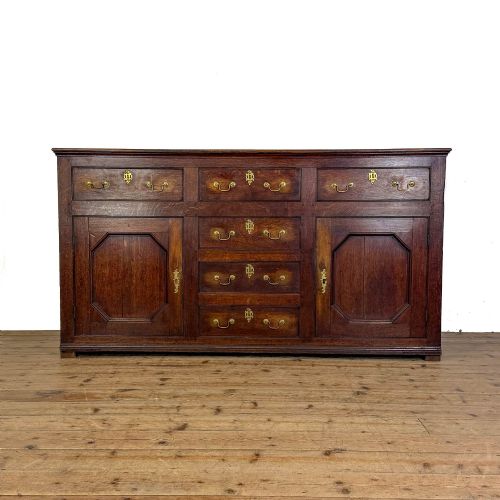
The evidence shows forms ranging from open-backed plate racks and dresser bases to breakfront drawers and cottage cupboards. These sturdy pieces originated as practical kitchen furniture in rural English and Welsh homes, built to hold heavy ceramics and everyday provisions.
Regional variations include distinct Shropshire, West Country, and Snowdonia pieces, reflecting local carpentry traditions. Buyers typically find sturdy oak construction complemented by pine internal elements, brass hardware, and occasionally contrasting mahogany details.
How they were made
Cabinet makers utilised solid oak for visible framing, panels, and counter surfaces, frequently incorporating pine for internal drawer linings and backing boards. Timber was hand-planed and joined using traditional mortise and tenon methods, ensuring exceptional structural rigidity.
Surface decoration relies on simple carved mouldings, fielded panels, and occasionally applied mahogany banding or stained finishes to enhance the grain. Hardware consists of brass drop handles or iron fixings secured to dovetailed drawers.
Traditional Oak Kitchen Dresser Retail Price Guide 2026
Typical asking prices for traditional oak kitchen dresser among the pieces listed under this phrase on Sellingantiques today, from the lower quarter to the upper quarter. They describe what is for sale here now, not the wider market.
One nineteenth-century Welsh dresser carries the delightful provenance of having originated from a café in Snowdon.
What varies in quality
Quality rests in the proportion of the proportions, the integrity of the timber selection, and the restraint of the carving. Early pieces demonstrate tighter joinery and dense, mature oak growth compared to later commercial workshop output.
The presence of original brass hardware, unaltered potboards, and matching upper racks significantly elevates a piece. Surface patination, earned through generations of domestic use, distinguishes superior examples from heavily restored or later altered items.
The Traditional Oak Kitchen Dresser Glossary
- Potboard dresser
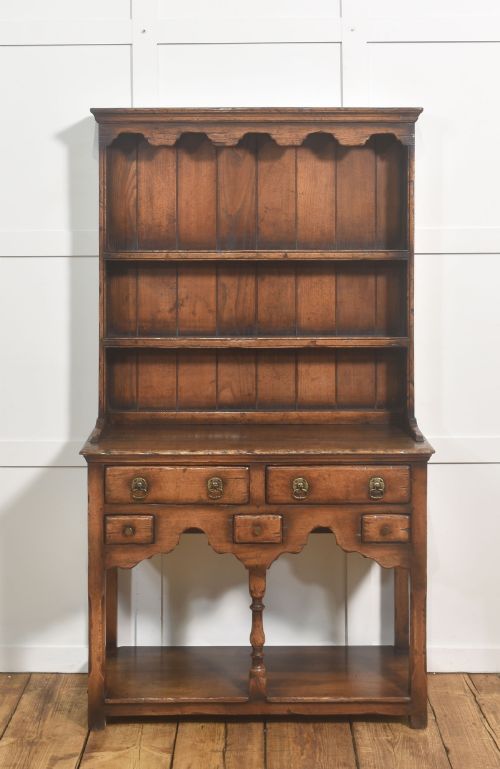
- A dresser base featuring a low slatted lower shelf, known as a potboard, positioned just above the floor for storing heavy pots and pans. This open platform is a defining characteristic of eighteenth-century vernacular design.
- Delft rack
- An upper set of wooden wall-mounted shelves or plate racks designed specifically to display delftware plates and ceramic dishes upright. These open shelves often incorporate plate grooves to prevent tableware from sliding.
- Welsh dresser
- A substantial kitchen cabinet featuring an enclosed lower base of drawers and cupboards surmounted by open display shelving. They originate predominantly from Welsh valleys and rural counties.
- Breakfront
- A cabinet design where the central section projects forward from the flanking outer sections, creating visual depth and increased storage capacity. This architectural feature appears on select regional dresser bases.
- Tiger oak
- Oak timber exhibiting intense, irregular medullary ray figuring that resembles tiger stripes, prized for its decorative grain pattern. This figure emerges primarily in Victorian quarter-sawn boards.
Traditional Oak Kitchen Dresser: Frequently Asked Questions
How do I date an oak dresser?
Dating relies on examining construction methods, timber choice, and hardware, such as hand-cut dovetails versus machine-sawn joints. Eighteenth-century examples often display pegged mortise and tenon framing and hand-planed surfaces.
Later Victorian and Edwardian pieces frequently incorporate machine-cut elements, pine secondary woods, and standardised iron or brass fittings. Regional styles also shift subtly across these periods, reflecting changing domestic requirements.
Where were Welsh dressers made?
Welsh dressers originated in rural Welsh farmhouses and cottages, where local carpenters built them to house family ceramics and provisions. Specific regions like Snowdonia produced distinctive vernacular variants with local timber selections.
These pieces were central to domestic life, serving as both storage units and display spaces for prized tableware. Their robust construction ensured they survived centuries of heavy daily use.
Can I separate the rack from the base?
Many traditional dressers consist of two separate components: a heavy base cabinet and a removable upper plate rack. The rack typically rests on top of the base, secured safely by gravity or simple wooden dowels.
Buyers should verify whether a specific piece was constructed as an integrated single unit or a marriage of two separate eras. Original matching racks share identical timber patination and construction traits with their bases.
How do I care for antique oak?
Antique oak benefits from maintaining stable indoor humidity and avoiding direct sunlight, which can dry out the historic timber. Regular dusting with a soft, dry cloth protects the accumulated surface patination.
Applying a traditional beeswax polish occasionally nourishes the grain without building up synthetic residues. Avoid liquid cleaners and silicone sprays, which damage historic wax finishes.