
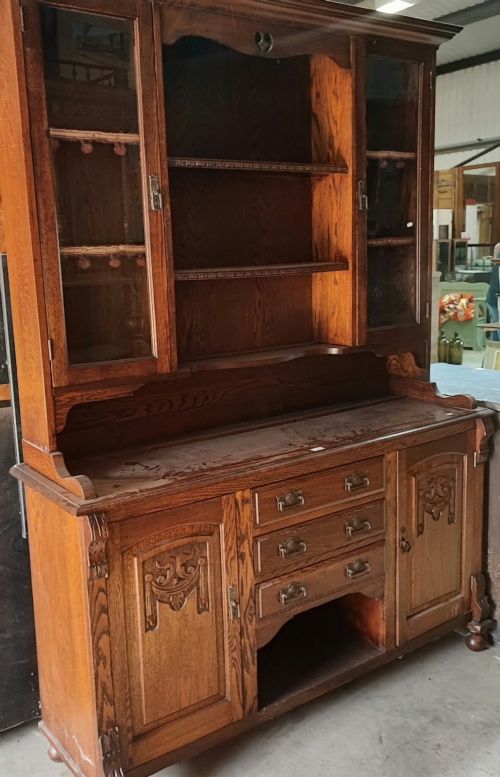
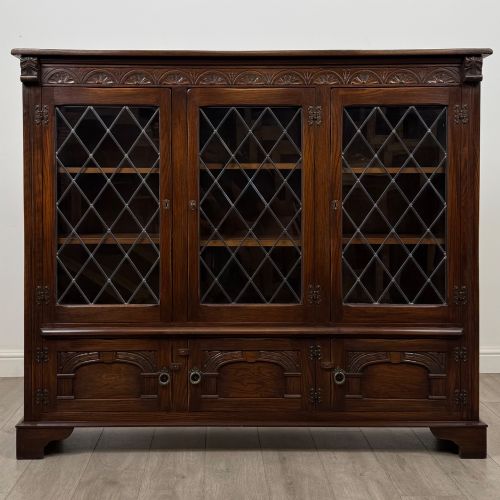
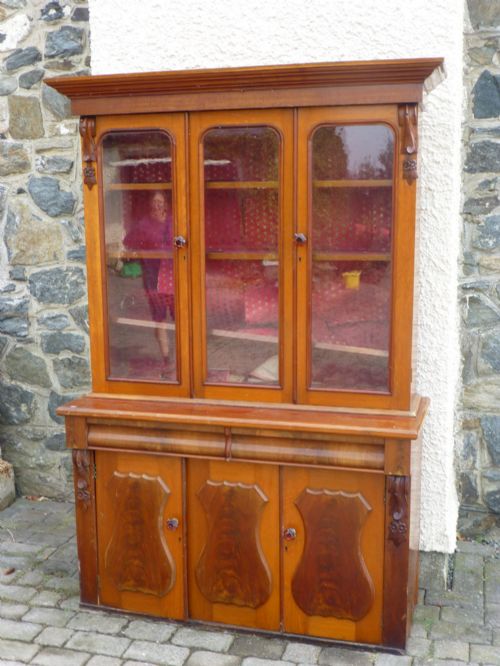
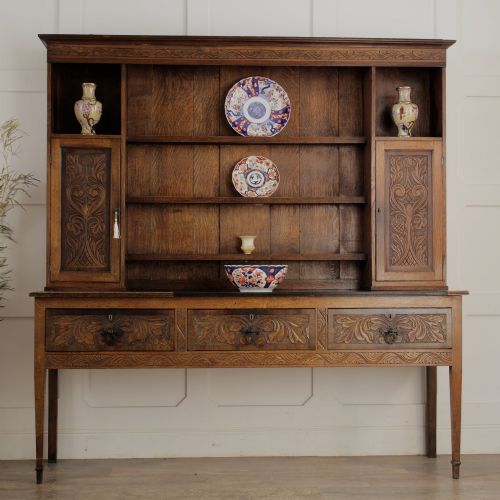
Traditional Oak Display Cupboard
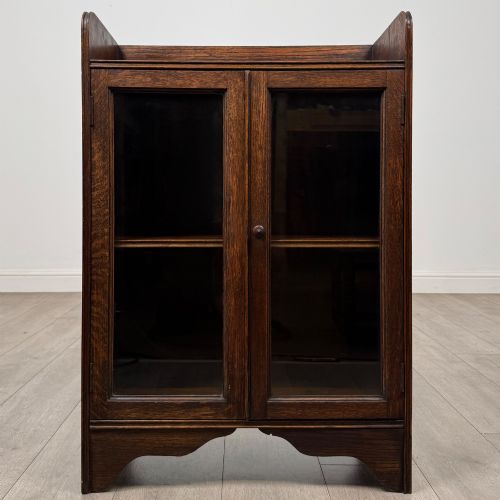
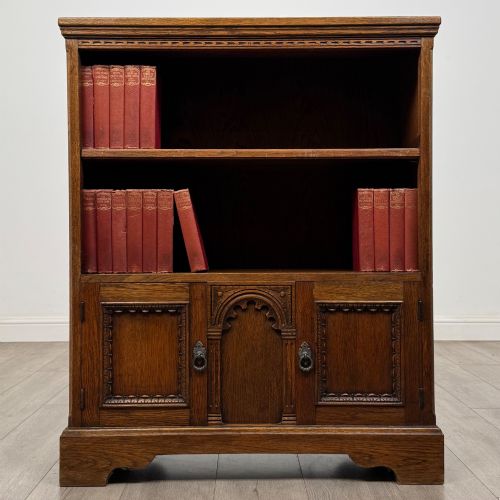
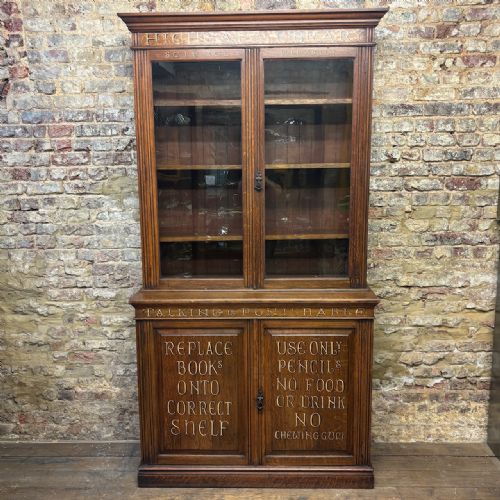
A traditional oak display cupboard brings warmth and grounded utility to a room, offering glazed storage for cherished objects.
Traditional Oak Display Cupboard
A traditional oak display cupboard encompasses sturdy regional furniture designed to exhibit and store household belongings behind glass or within open shelving. These pieces emerge from centuries of craftsmanship spanning the eighteenth, nineteenth, and early twentieth centuries, reflecting both country practicality and formal revival styles.
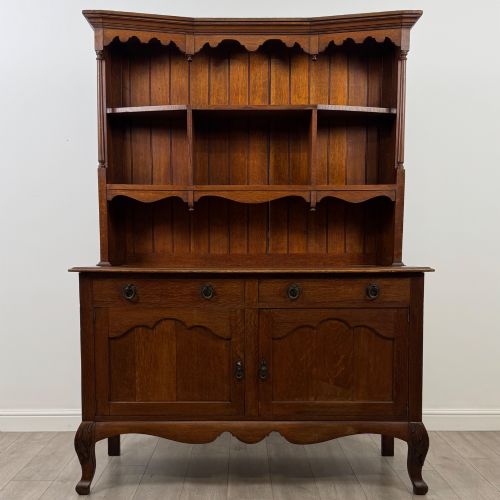
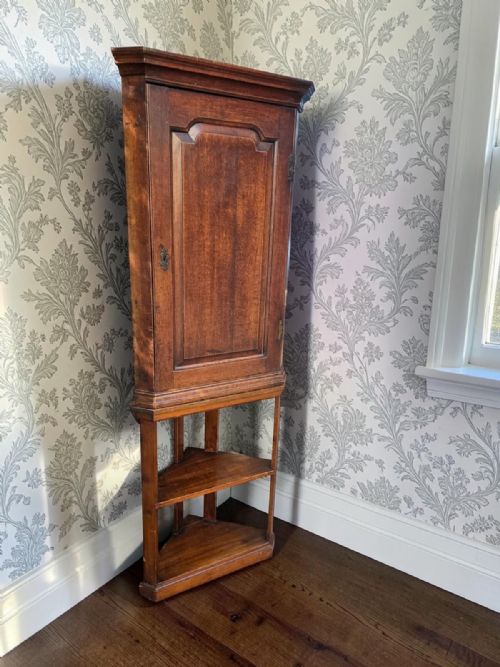
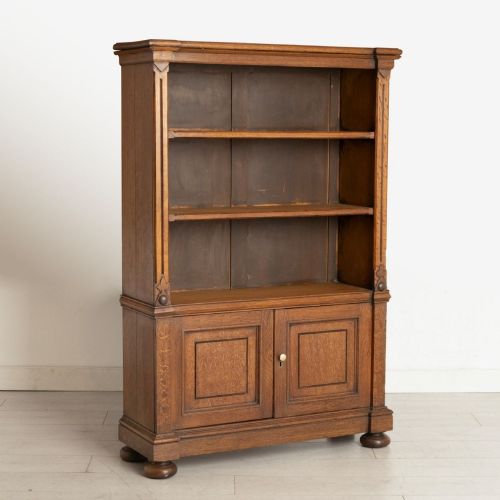
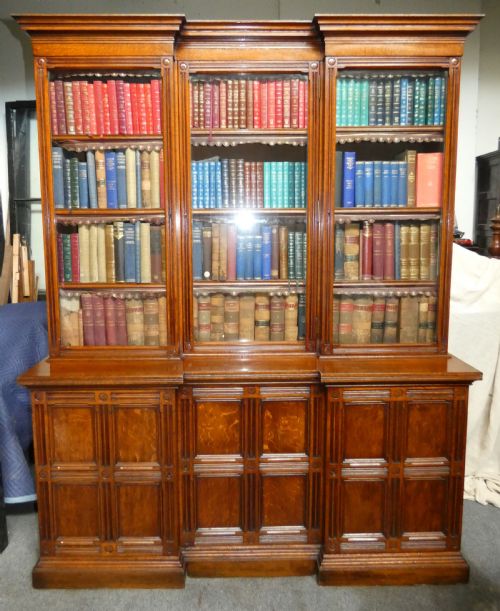
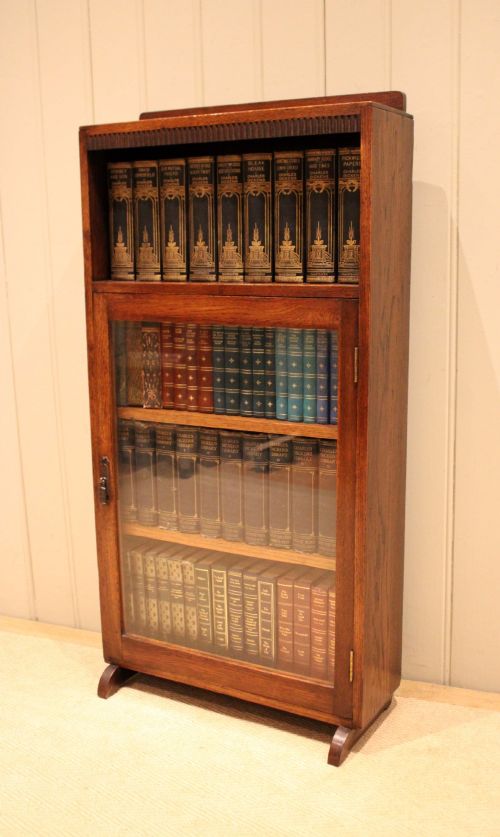
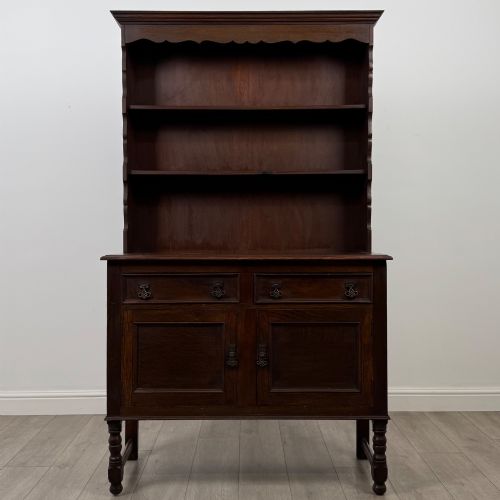
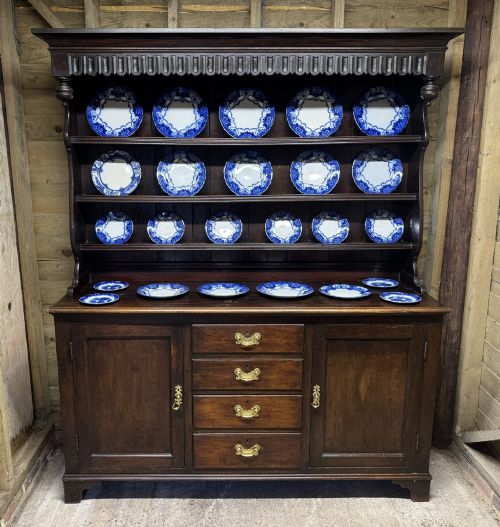
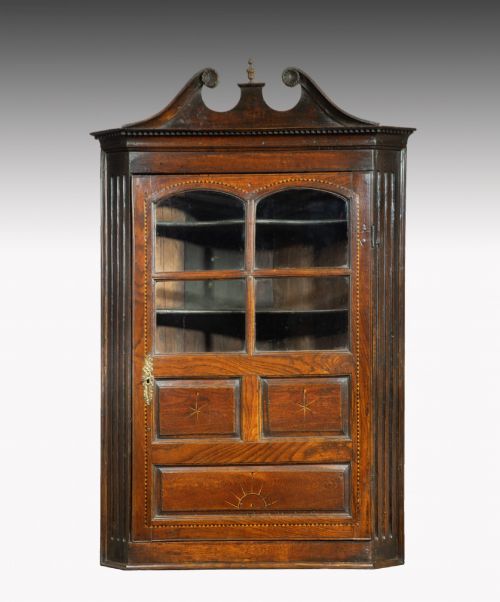
Buyers browsing this selection will most frequently encounter nineteenth-century and Edwardian pieces, alongside eighteenth-century regional formats. Common iterations include Welsh dressers, corner cupboards, glazed bookcases, and sideboards built for domestic utility.
The regional diversity ranges from English country workshops to French provincial hubs and Welsh valleys. Each format serves the enduring domestic requirement to organise tableware or books while displaying prized possessions safely behind panels.
Materials and construction methods
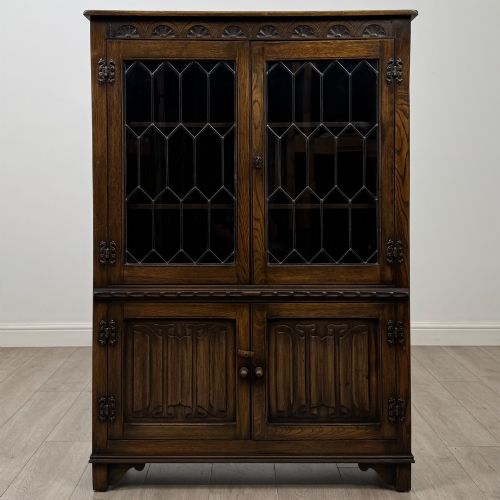
The primary material across these pieces is solid oak, occasionally paired with mahogany highlights, pine carcass elements, or golden tiger oak figuring. Workshops relied on iron hardware, brass handles, and lead cames to secure individual glass panes within doors and upper racks.
Construction techniques combine traditional joinery with period detailing such as linenfold carving, breakfront drawers, and carved architectural pediments. Carcasses range from panelled eighteenth-century bodies to lighter Edwardian frames and Jacobean revival moulding.
Listings feature oak, mahogany, pine, brass, iron, and lead across pieces spanning the Georgian, Victorian, Edwardian, and 1920 eras.
Assessing quality and character
Quality rests in the selection of the timber, where dense grain patterns, rich natural patination, and substantial solid oak construction elevate a piece above standard utility items. The depth of hand-carved detailing and the integrity of original glazing bars distinguish master cabinet work from simpler provincial output.
Proportion and structural balance dictate the appeal of these cupboards, with well-preserved cornices and integrated plate racks maintaining historical harmony. Pieces that retain their original brassware, intact leaded glass, and uncompromised structural integrity command greater appreciation.
The Traditional Oak Display Cupboard Glossary
- Welsh dresser
- A traditional kitchen storage unit featuring base cupboards and drawers surmounted by open plate shelves for display. These items formed the functional heart of rural dining spaces.
- Corner cupboard
- A triangular cabinet specifically built to fit neatly into the corner of a room, saving floor space while offering display capacity. They appear in hanging formats or standing on bases.
- Linenfold
- A style of carved wooden panelling resembling vertical folds of draped fabric. This ornamentation frequently decorates the door panels of Edwardian and revival cabinets.
- Breakfront
- A cabinet design where the central section projects forward from the flanking wings. This architectural feature adds visual depth and shadow to larger bookcases and dressers.
- Glazed
- Fitted with transparent glass panes to protect contents from dust while allowing full visibility. This treatment defines display cabinets and library bookcases alike.
Traditional Oak Display Cupboard: Frequently Asked Questions
What is a traditional oak display cupboard?
These pieces are functional wooden storage furniture featuring transparent glass panels or open shelving designed to exhibit ceramics and books.
Originating across the eighteenth, nineteenth, and early twentieth centuries, they serve as both practical storage and focal points within domestic interiors.
How do I date an oak cupboard?
Dating relies on observing construction methods, hardware types, and stylistic indicators such as linenfold carving or Georgian proportions.
Earlier eighteenth-century examples display hand-panelled framing, whilst Edwardian and Victorian pieces often show machine-sawn elements and revival detailing.
Where were these cupboards made?
They originate from various regional workshops across Britain, including Welsh valleys and English country districts, alongside provincial French makers.
Local timber availability dictated the widespread use of solid oak, shaped by regional cabinet makers to suit domestic needs.
How do I clean and care for old oak?
Maintenance requires gentle dusting with a soft dry cloth and the occasional application of traditional beeswax to nourish the timber.
Avoid harsh chemical cleaners and keep antique oak away from direct heat sources to prevent the wood from splitting.
Can I use a corner cupboard in a modern room?
These triangular units make efficient use of neglected room corners, providing vertical storage without dominating floor space.
Their warm timber tones and glazed doors complement contemporary interiors by introducing historical texture and practical display space.