

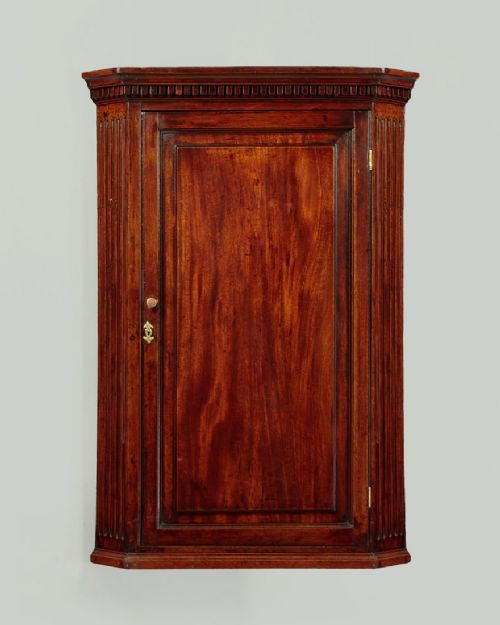
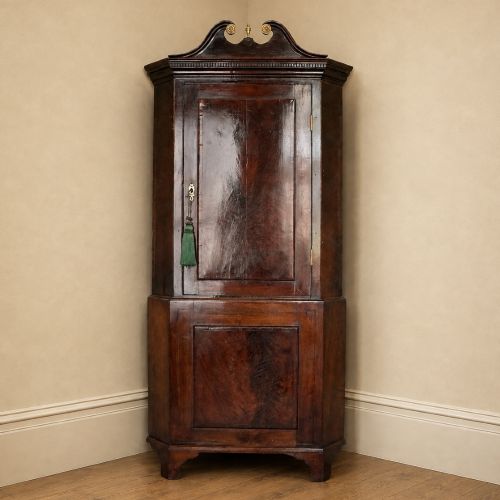
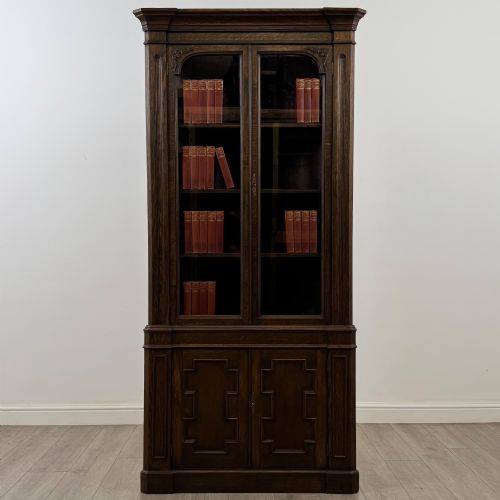
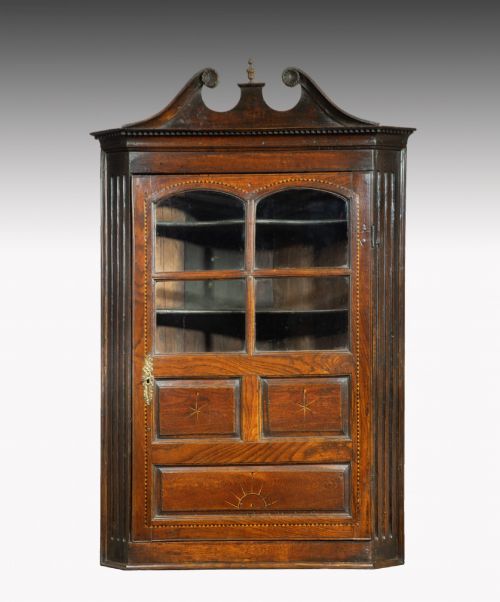
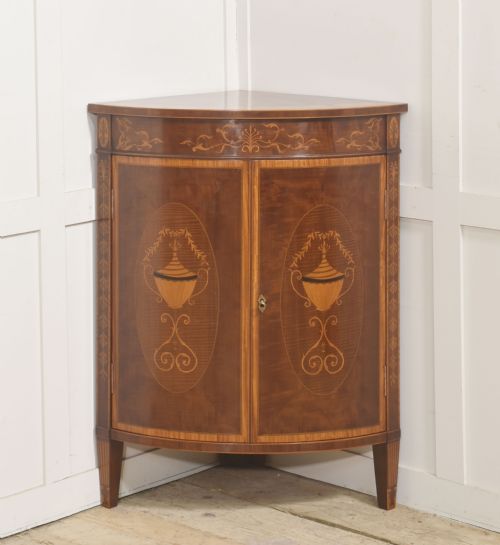
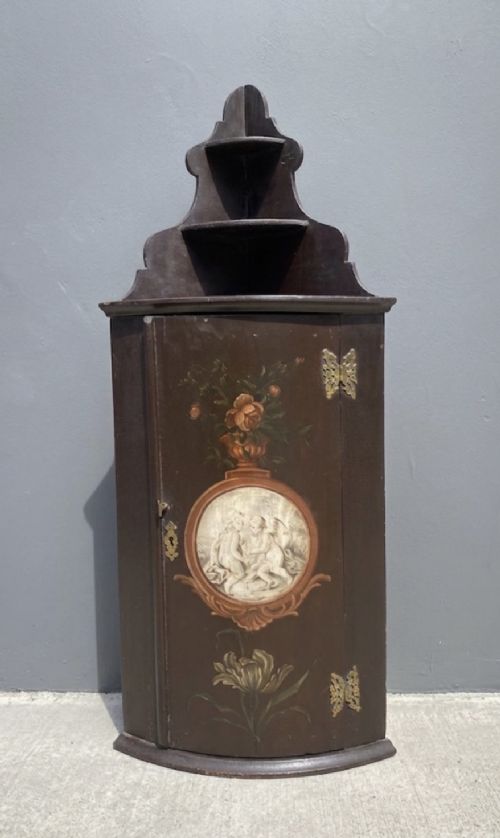

Brown Wood Corner Unit
A brown wood corner unit brings empty room angles to life with practical display space and rich cabinet work.
Brown Wood Corner Unit
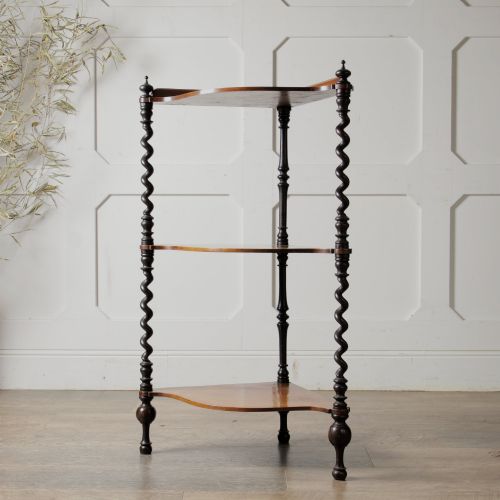
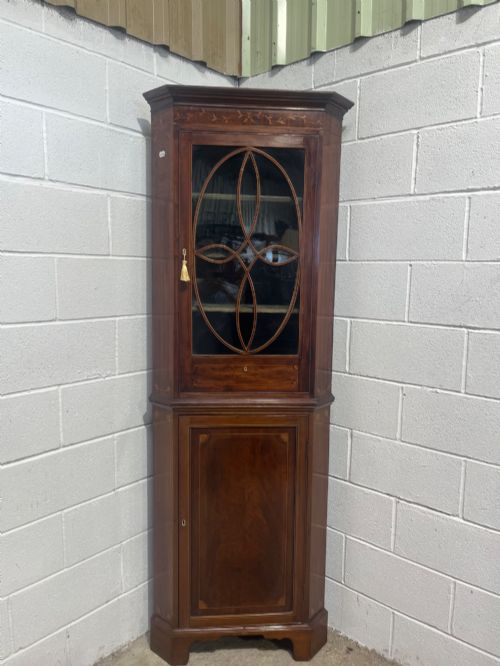
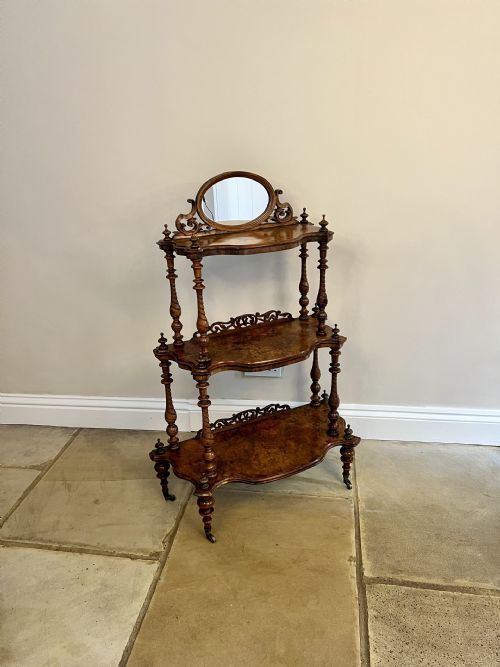
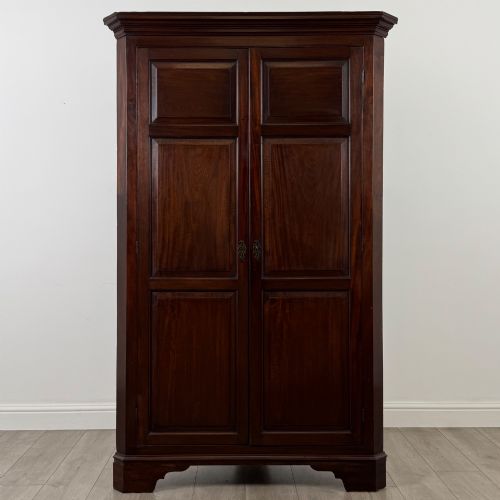
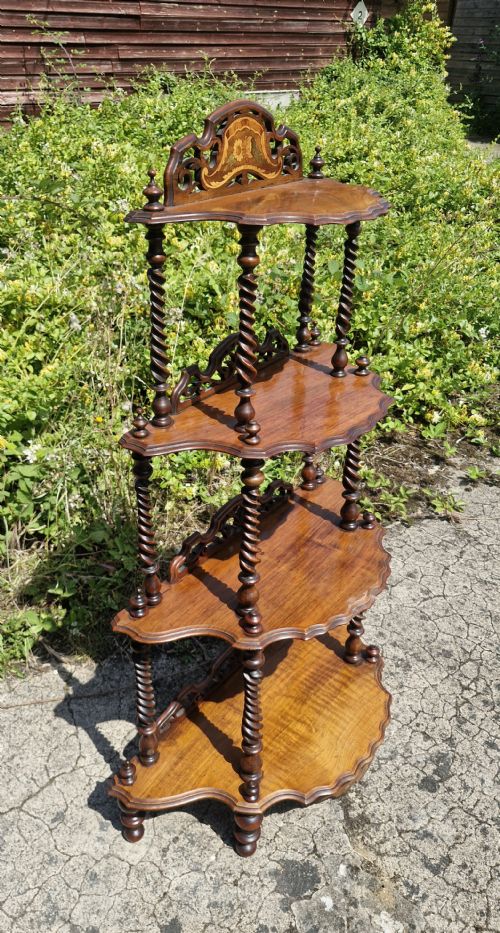
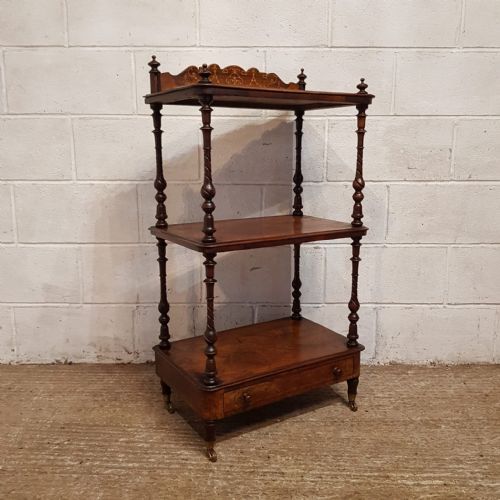
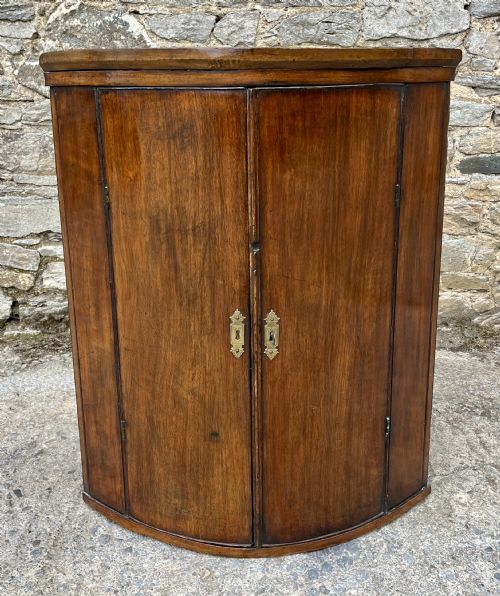
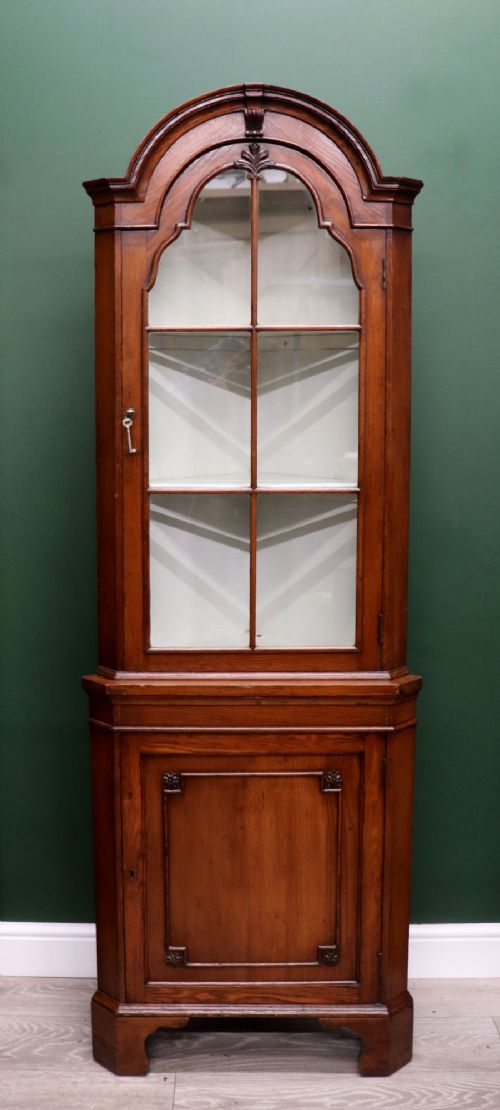
When you search for a brown wood corner unit, you encounter pieces designed to fit flush into room junctions while providing storage or display. The selections span hanging models, floor-standing cupboards, and multi-tiered whatnots.
Mahogany, oak, and walnut dominate the offerings, originating from Georgian, Victorian, and Edwardian periods. Cabinets feature panelled doors and shelved interiors, whilst open versions serve tiered functions.
What varies in quality
The distinction between tiers of quality rests upon timber selection and the fineness of the cabinet work. Dense grains, well-matched burr veneers, and precise inlay detailing separate superior examples from plain utility pieces.
Proportion and structural integrity define the remaining differences across eras. Pieces displaying balanced cornices, intact original brasses, and crisp turning demonstrate greater craftsmanship.
Listings feature woods including mahogany, oak, walnut, burr walnut, satinwood, olive wood, and teak across multiple centuries.
The Brown Wood Corner Unit Glossary
- Whatnot
- A piece of furniture consisting of a set of open shelves for displaying small objects. They often feature multiple tiers supported by turned columns.
- Cornice
- The decorative moulding crowning the top of a cabinet. It provides a finished architectural transition to the room ceiling.
- Stringing
- A narrow strip of contrasting wood inlaid into a surface. This technique creates delicate linear borders on cabinet doors and panels.
- Barley twist
- A carved column or leg resembling the shape of twisted barley. It appears frequently on Victorian supports and uprights.
- A-frame
- A structural support configuration resembling the letter A. This design provides rigid stability for open shelving units.
Brown Wood Corner Unit: Frequently Asked Questions
What is a brown wood corner unit used for?
These units serve to utilise neglected room angles for storage and display purposes. Cupboard variants conceal tableware or provisions, whilst open shelves exhibit decorative objects.
Floor-standing and hanging versions adapt to different room layouts and floor space requirements.
How do I tell a Georgian corner cupboard apart from a Victorian one?
Georgian pieces tend to emphasise architectural proportions with understated mouldings, often executed in mahogany or oak. Victorian examples frequently employ burr walnut veneers and elaborate turns like barley twists.
Revival pieces from later periods can emulate these earlier traits, requiring careful inspection of timber ageing and construction methods.
What is the difference between a cupboard and a whatnot?
A corner cupboard provides enclosed storage behind panelled or glazed doors to keep contents out of sight. A whatnot consists entirely of open shelves designed for displaying ornaments.
Both forms occupy the same triangular footprint but serve distinct functional roles within a room.
Where should I place a corner unit in a room?
The primary function dictates placement in any vacant room angle where linear furniture fails to fit. Hanging models attach directly to wall studs above floor level, whilst standing versions anchor firmly to the junction.
Lighting conditions also influence placement, particularly for glazed cabinets and open tiered display shelves.