
Traditional Oak Cabinet
A traditional oak cabinet brings the steady weight and grain of timber into a room, serving as a lasting place for books, linen or display.
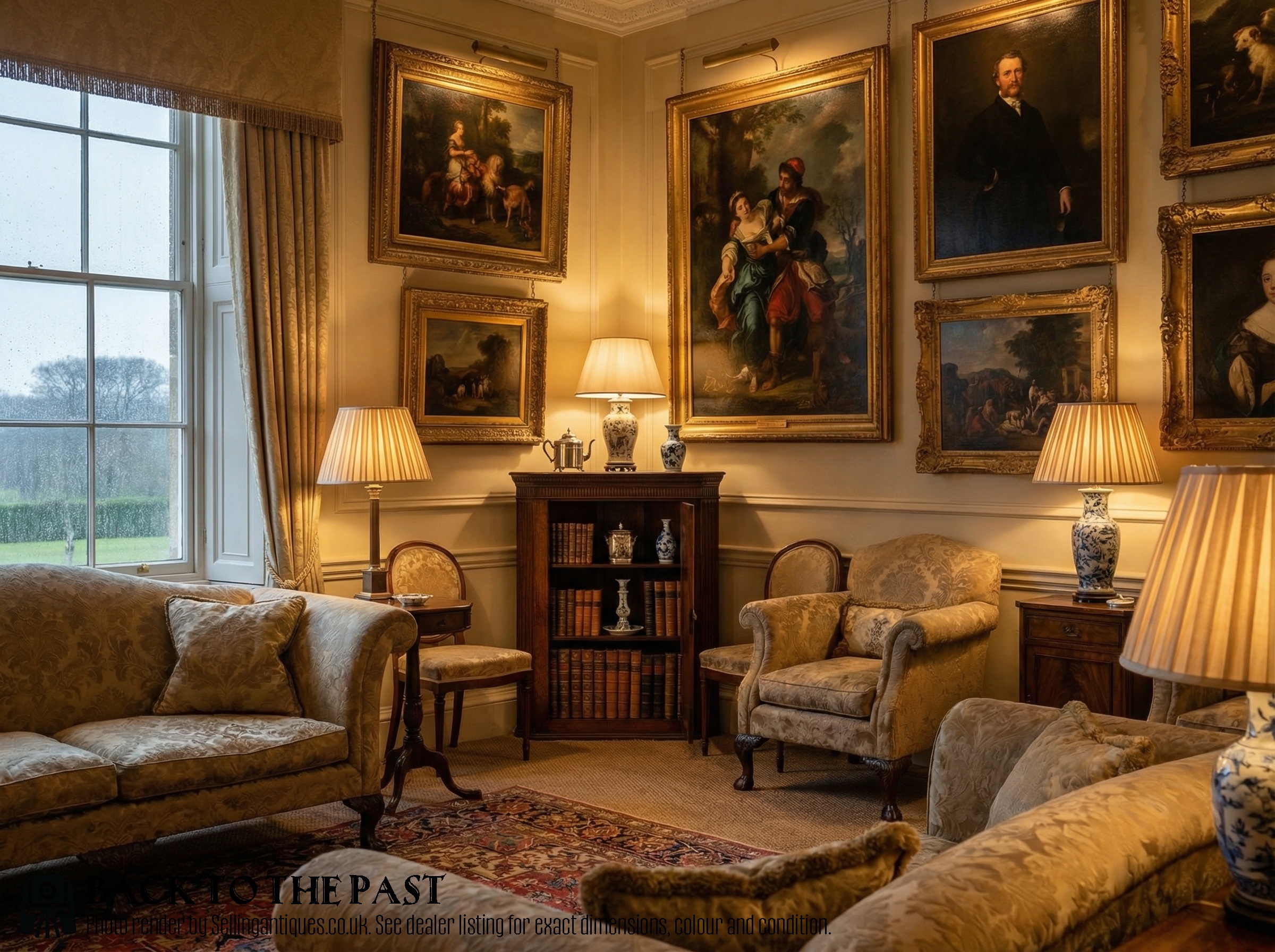
Traditional Oak Cabinet
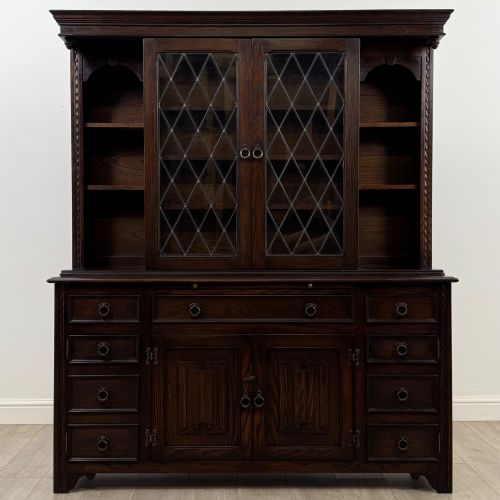
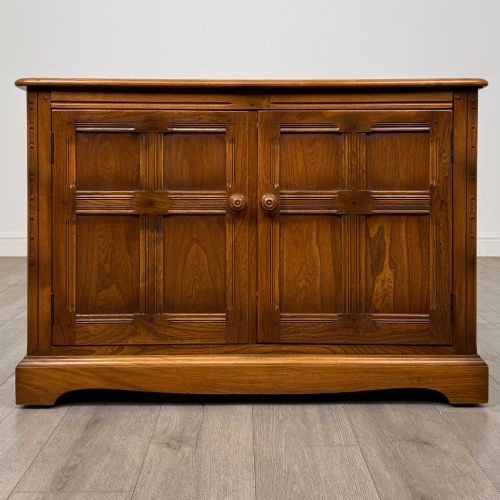
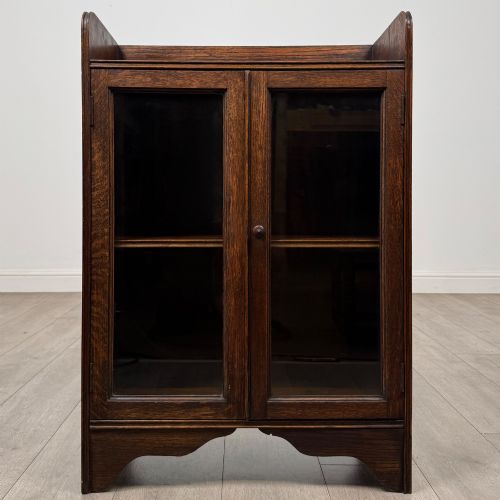
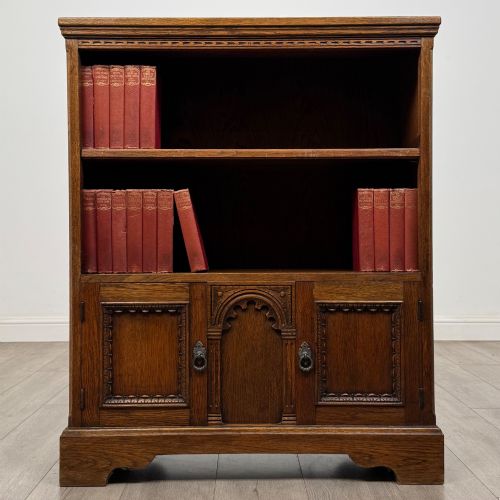
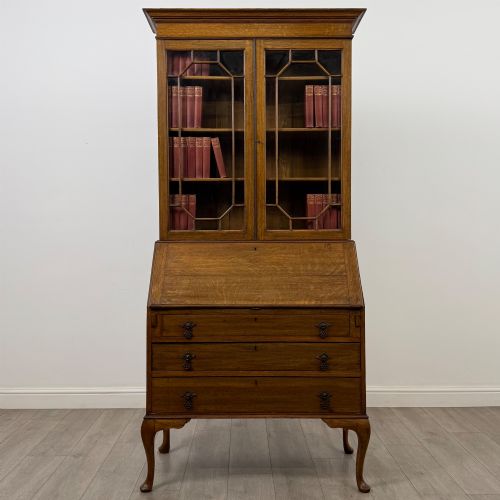
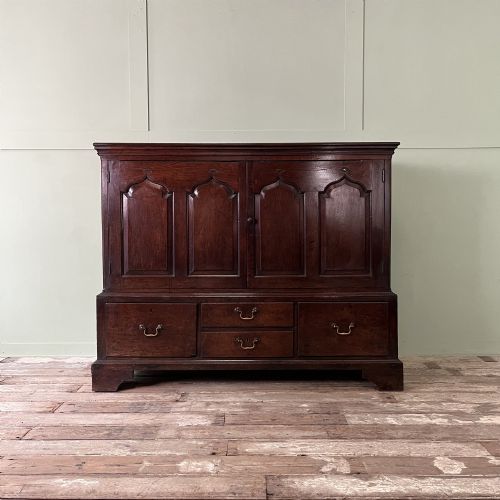
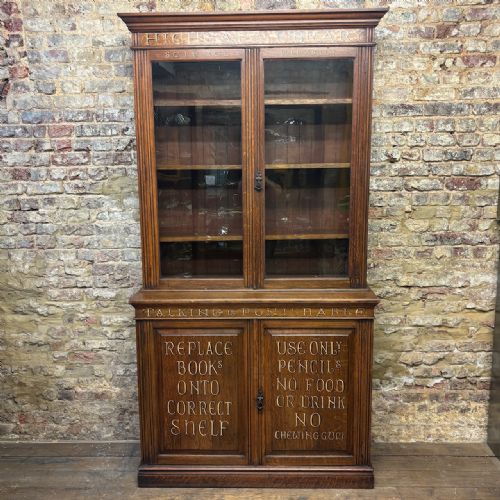
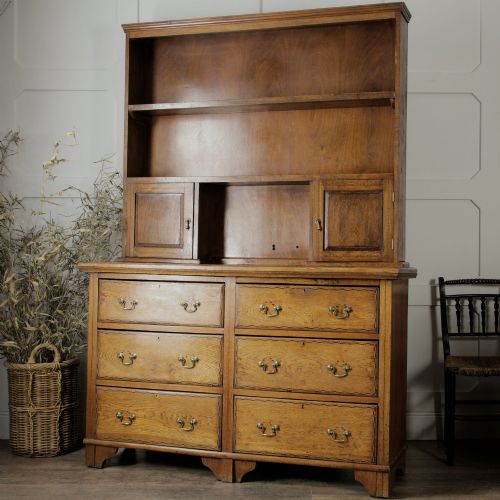
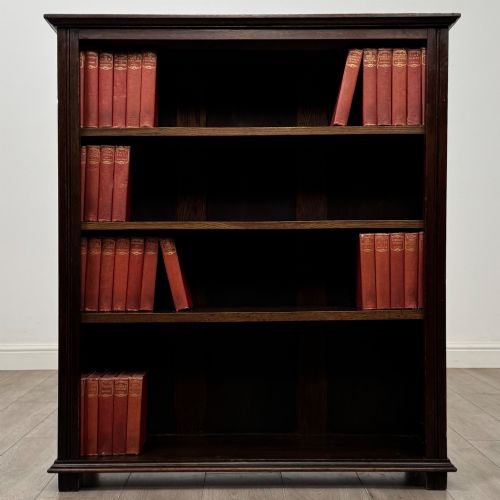
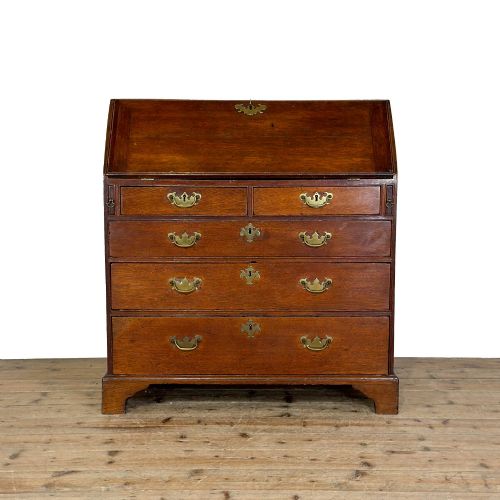
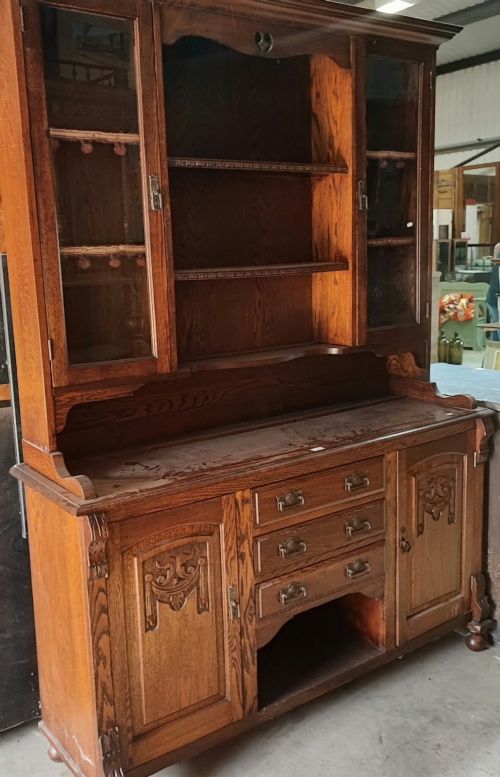
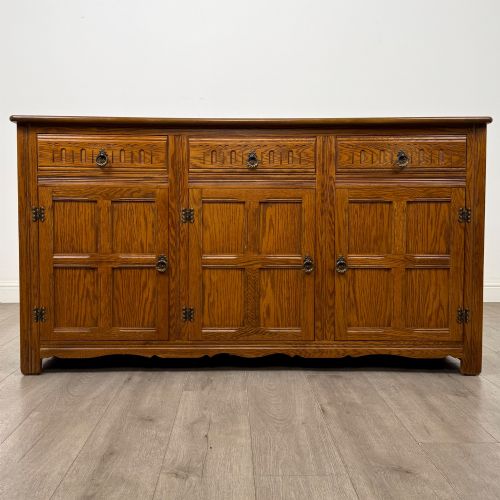
A traditional oak cabinet spans several centuries of domestic storage, from simple country cupboards to architectural bureau bookcases and glazed display pieces. When searching this phrase, buyers encounter forms ranging from low linen presses and court cupboards to open bookcases and Welsh dressers.
The majority of pieces seen on this page date from the Edwardian era and the early twentieth century, alongside older examples from the eighteenth, nineteenth and Victorian periods. These storage items reflect a lineage of utilitarian craftsmanship adapted for parlours, libraries and kitchens alike.
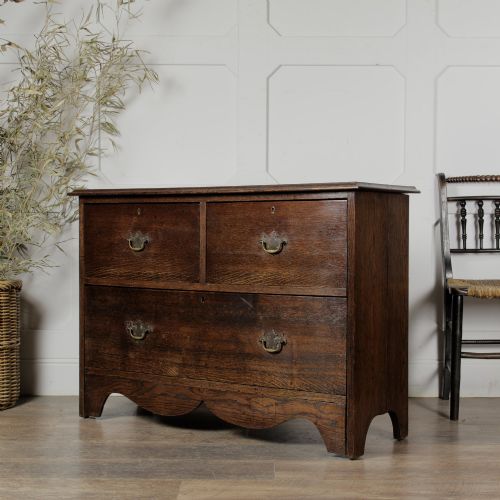
Makers and workshops utilised various regional vernaculars, producing pieces in solid golden oak, tiger oak and honey oak, occasionally pairing the timber with mahogany or mounting them on bun feet. Forms include corner cupboards, enfilades and chests of drawers that bridge the gap between display and heavy storage.
Materials and Construction
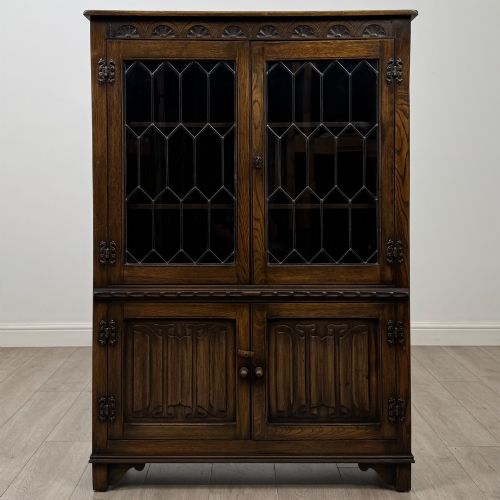
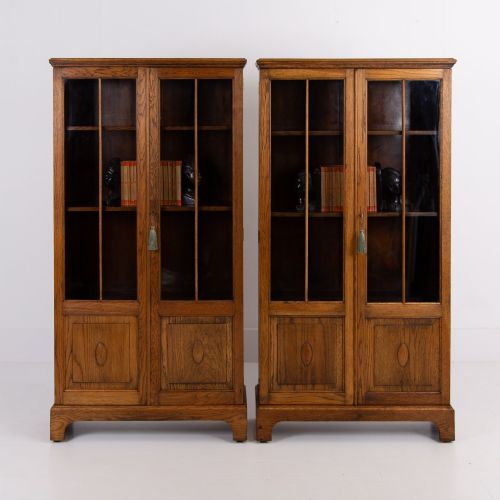
Construction relies primarily on solid oak, chosen for its durability and prominent grain, sometimes complemented by mahogany for secondary elements or contrasting banding. Cabinetmakers incorporated brass handles, iron hinges and leaded or plain glass panels to secure and illuminate the contents of bookcases and display units.
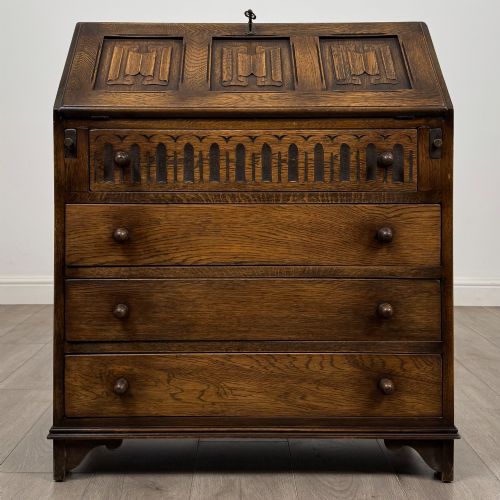
Surfaces frequently show decorative carving, such as linenfold panels or beaded edges, executed by hand on Edwardian and earlier vernacular pieces. The use of traditional joinery ensures that these storage items remain structurally sound across generations of domestic use.
Traditional Oak Cabinet Retail Price Guide 2026
Typical asking prices for traditional oak cabinet among the pieces listed under this phrase on Sellingantiques today, from the lower quarter to the upper quarter. They describe what is for sale here now, not the wider market.
One remarkably forward-thinking eighteenth-century oak bureau bookcase has spent its retirement holding a television instead of ledgers.
Judging Quality and Character
Quality rests upon the selection of timber, such as distinct tiger oak or rich golden oak, and the crispness of any carved detailing like linenfold motifs. Finer pieces demonstrate careful proportion and harmonious integration of glass doors, brass hardware and original stands or feet.
Constructive integrity distinguishes standard utility items from superior cabinet work, seen in the tight fit of drawers, the stability of glazed doors and the preservation of original patination. Adaptations, such as interiors altered for modern media, alter the historic character compared to untouched interiors.
The Traditional Oak Cabinet Glossary
- Court cupboard
- A traditional heavy storage unit featuring an upper recessed section supported by pillars, often richly carved with Jacobean or Tudor revival motifs. These substantial pieces served historically for displaying plate and storing provisions.
- Linenfold
- A style of carved wooden panelling that resembles folded fabric, commonly seen on the doors and panels of Edwardian oak cabinets. This decorative technique adds texture and historic styling to the face of a cupboard.
- Welsh dresser
- A large piece combining base cupboards or drawers with open plate shelves above, typically constructed in oak. They provide both concealed storage and open display space for kitchenware or china.
- Bureau bookcase
- A combination form featuring a sloping fall-front writing desk below and open or glazed shelving above. It offers a compact workspace alongside integrated library storage.
- Enfilade
- A long sideboard or buffet cabinet designed to stand against a wall, frequently featuring multiple doors. This French provincial form provides extensive low storage space.
Traditional Oak Cabinet: Frequently Asked Questions
How do I care for solid oak furniture?
Keep wooden cabinets away from direct heat sources and sudden temperature shifts to prevent the timber from splitting or warping over time. Apply a traditional wax polish occasionally to nourish the grain and maintain a natural sheen.
Avoid using harsh chemical sprays or abrasive cloths, which can strip the historic patination from the surface. Dust the carved details regularly with a soft, dry brush.
What rooms suit an oak bookcase?
An open bookcase or glazed display cabinet suits a study, sitting room or hallway, providing accessible storage for volumes and decorative objects. The warm tones of oak anchor a room while keeping books and papers neatly contained.
Ensure the floor is level so that doors and drawers operate smoothly without binding in their frames. Compact models also fit neatly into alcoves or narrower landings.
How can I tell the period of my cabinet?
Examine the construction methods, hardware and timber selection to determine whether a piece originates from the eighteenth century or the Edwardian era. Hand-cut joints and vernacular quirks often point to earlier dates, while machine-assisted uniformity suggests later revival styles.
Compare the style of carving, such as linenfold or Jacobean motifs, with known period traits to narrow down the decade of manufacture. Original brass handles and glass properties further help establish the timeline.
Are these cabinets suitable for modern homes?
Traditional oak storage pieces bring practical utility and warmth to contemporary interiors, offering generous capacity for modern items. Their robust construction ensures they handle daily use in busy household settings without difficulty.
Consider the room dimensions and ceiling height before selecting a tall bureau bookcase or a broad dresser. Measuring doorways and stairwells beforehand ensures smooth delivery into your chosen space.