



Traditional Oak Box Bench
A traditional oak box bench combines practical storage with sturdy seating, offering enduring utility for an entryway or hallway.
Traditional Oak Box Bench
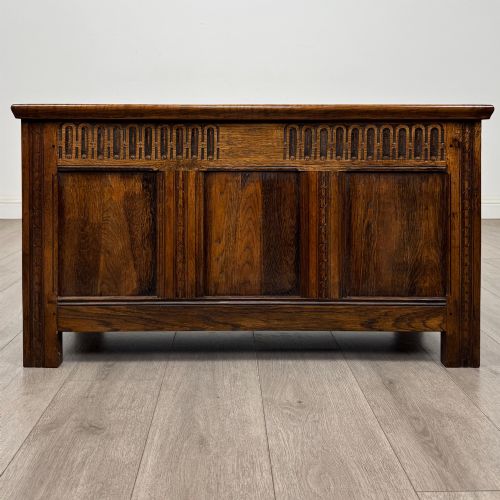
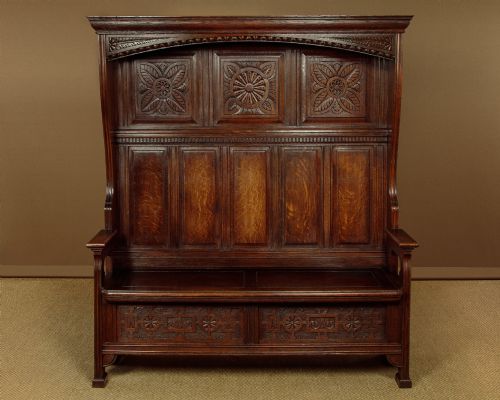
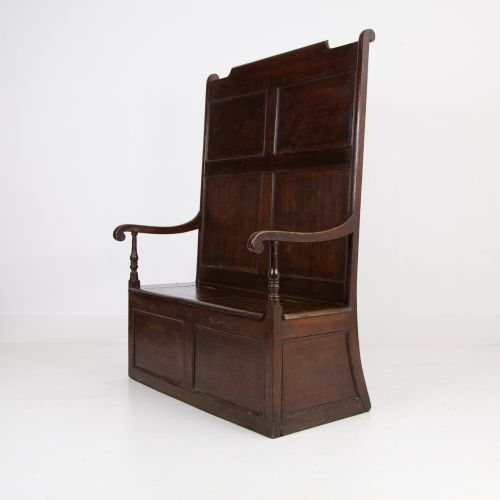
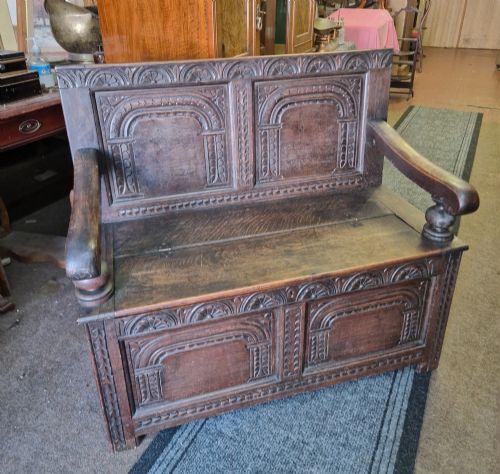
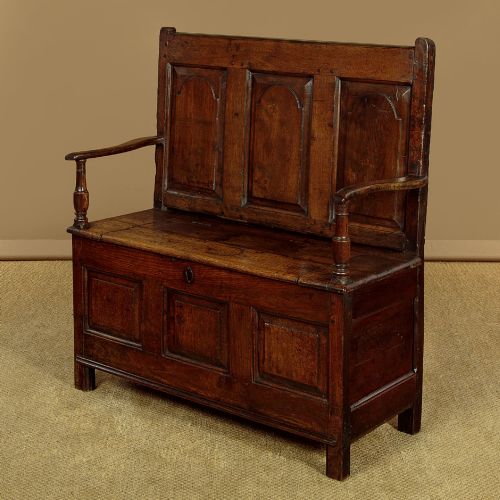
A traditional oak box bench brings together centuries of vernacular furniture design, serving simultaneously as a seat and a storage chest. When you search for a traditional oak box bench, you encounter forms that evolved from heavy coffer chests and early settles into multifunctional hall furniture.
The pieces on this page span from the sixteenth century through to the Edwardian era, taking the shape of settles, hall seats, mule chests, and blanket boxes with lift-up lids. You find examples representing regional English and Welsh styles, alongside revival pieces from the nineteenth and twentieth centuries.
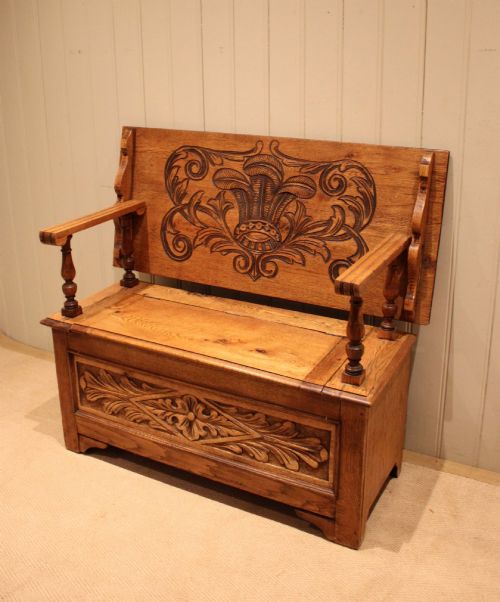
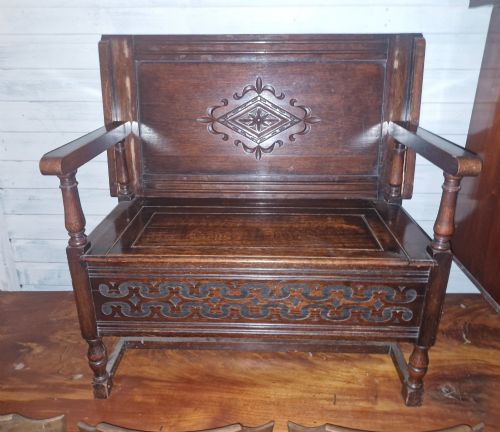
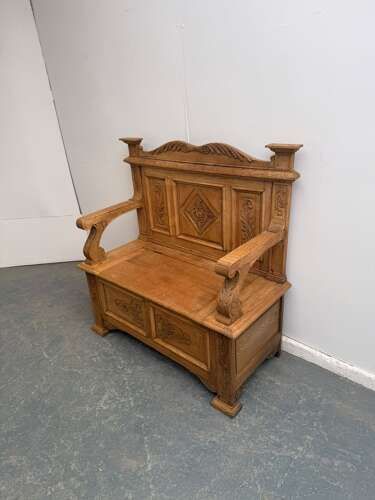
Most entries utilise solid oak or elm, often incorporating carved panels, high backs, or fold-over tops. Whether configured as a monks bench or a box settle, each item retains the fundamental characteristic of enclosed storage beneath a wooden bench seat.
Materials and construction methods
Makers relied primarily on solid oak and elm, selecting durable native hardwoods capable of withstanding daily domestic use. Panels were joined using traditional methods, while lids and seats depended on robust hinges and pivot mechanisms.
Metal components such as iron and brass appear on hinges, latches, and occasional strapwork. Surfaces were typically finished with wax to protect the timber while developing a deep patina over generations of handling.
Some chests hide more than blankets; early seats kept boots warm and dry right by the hearth.
Assessing quality and craftsmanship
Quality rests upon the integrity of the timber and the retention of original structural elements. Pieces retaining their early boards, period hardware, and uncompromised joinery stand apart from later altered examples.
Carving depth and execution differentiate standard utilitarian items from finer regional commissions. The presence of secondary timbers and the stability of the box mechanism further indicate the level of initial craftsmanship.
The Traditional Oak Box Bench Glossary
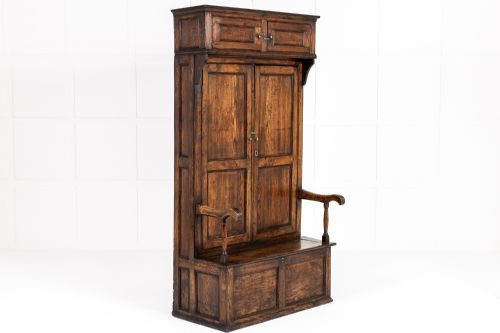
- Box settle
- A high-backed wooden bench featuring a enclosed storage compartment beneath the seat. This form protected occupants from drafts while maximising domestic floor space.
- Monks bench
- A convertible piece of furniture featuring a hinged top that folds forward to form a table. When upright, the backrest supports a seat positioned over a storage box.
- Mule chest
- A storage chest fitted with one or more drawers beneath the main lift-up compartment. This hybrid form emerged as joinery techniques allowed for more complex drawer integration.
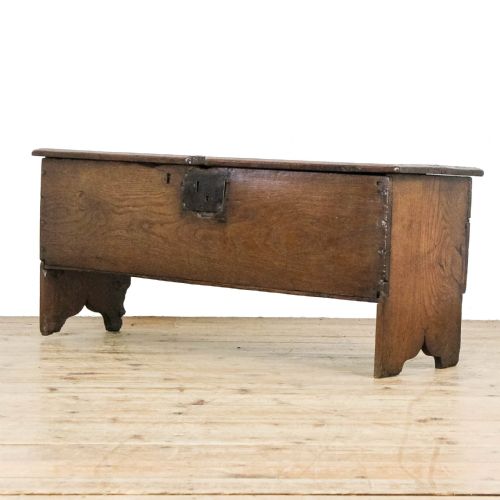
- Six-plank chest
- An early storage form constructed from six individual boards joined simply at the edges. These pieces represent some of the earliest surviving examples of domestic cabinetry.
- Vernacular furniture
- Domestic pieces created by regional craftsmen using local materials and traditional methods rather than adhering to formal metropolitan design styles.
Traditional Oak Box Bench: Frequently Asked Questions
How do I care for my bench?
Maintain the timber by applying a neutral beeswax periodically to nourish the grain and protect the surface from drying out. Avoid placing the piece near direct heat sources or in areas with fluctuating humidity to prevent wood movement.
Clean the surface using a soft, dry cloth rather than wet solutions that can damage old wax finishes. Proper placement ensures the antique joins remain stable over time.
Where should I place a box bench?
These pieces suit entrance halls, corridors, and boot rooms where their dual function as seating and storage provides practical utility. Their high backs make them effective for defining spaces in open-plan rooms.
Ensure there is sufficient clearance for lift-up lids or fold-over tops to operate without striking walls or surrounding furniture. Measuring the available floor space helps accommodate the deeper footprint of settle designs.
How can I tell the period?
Examine the tool marks, joinery techniques, and timber characteristics to establish the likely era of manufacture. Hand-riven boards, pegged mortise and tenon joints, and wrought iron hardware typically point to earlier centuries.
Revival pieces from the Edwardian period often display machine-sawn timber elements and lighter construction methods. Comparing the style of carving with dated regional examples aids further attribution.
What is a bacon settle?
A bacon settle is a regional variant featuring a high wooden back traditionally used for hanging cured meats to dry away from household pests. The enclosed base served as a standard storage chest for household items.
These pieces reflect the practical rural economy of eighteenth-century farmhouses where furniture served multiple domestic purposes. Today, they function as striking decorative seating with distinct historical character.