




Traditional Oak Armoire
A traditional oak armoire provides robust storage built from solid timber across the Georgian, Victorian and Edwardian eras.
Traditional Oak Armoire
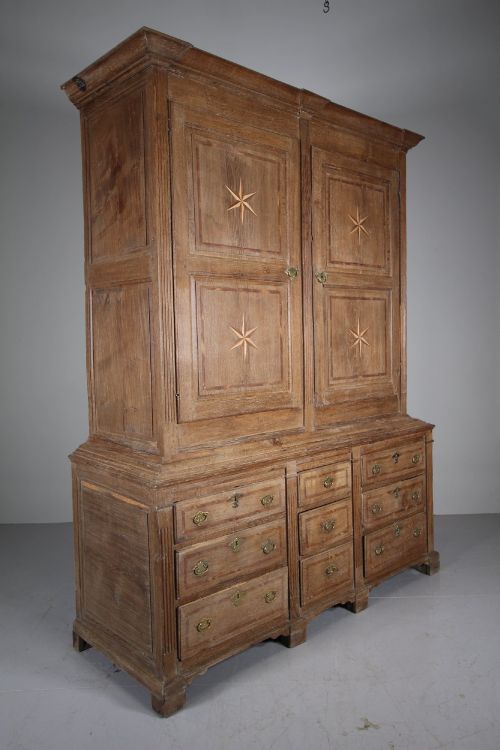
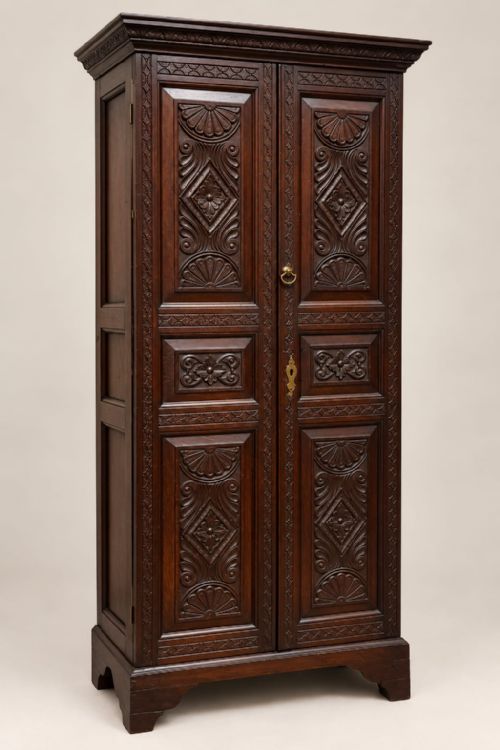
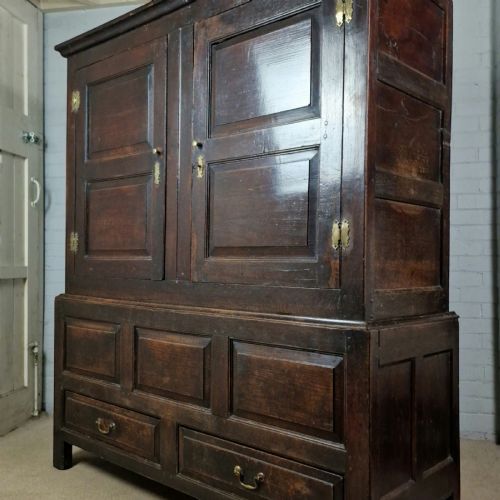
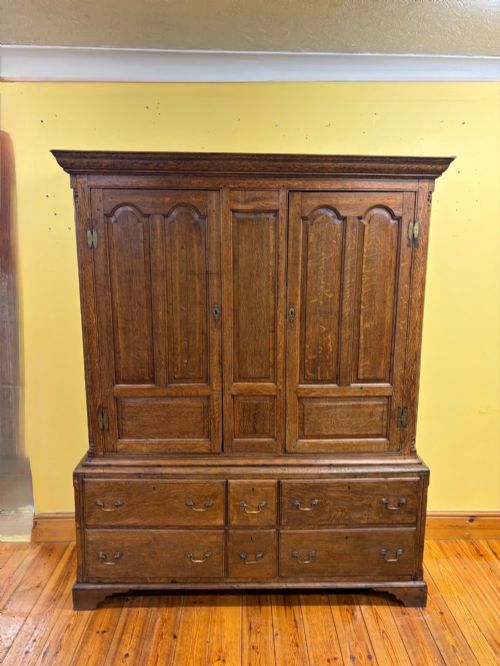
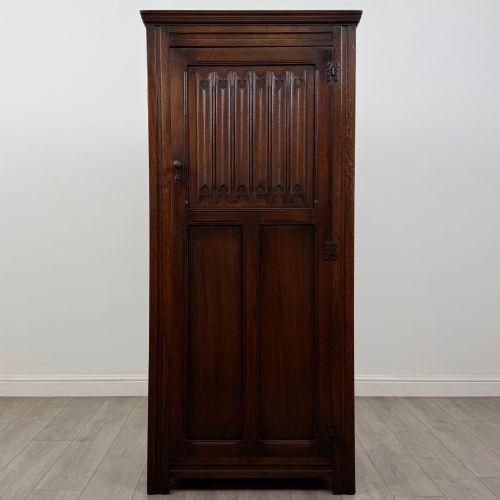
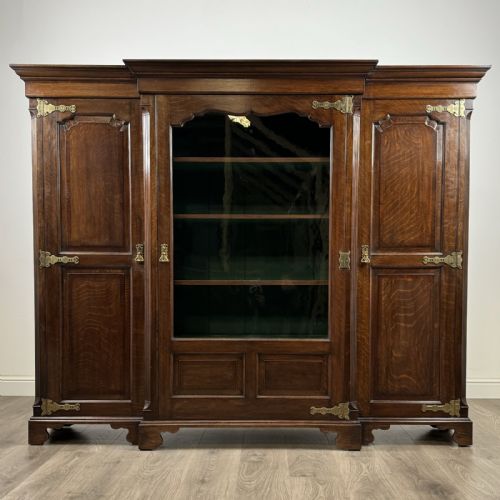
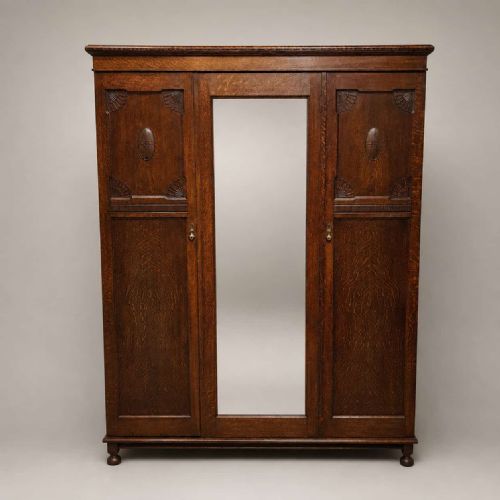
A traditional oak armoire encompasses heavy storage furniture including large wardrobes, housekeeper's cupboards, livery cupboards and linen presses. Pieces span the 18th century, 19th century, Edwardian period and 1920s.
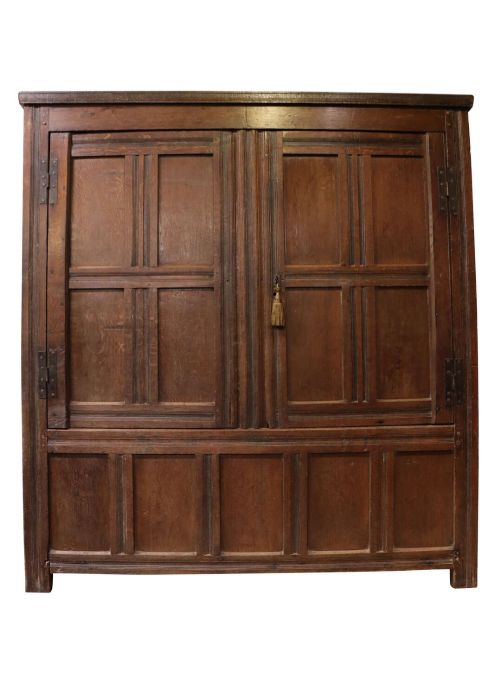
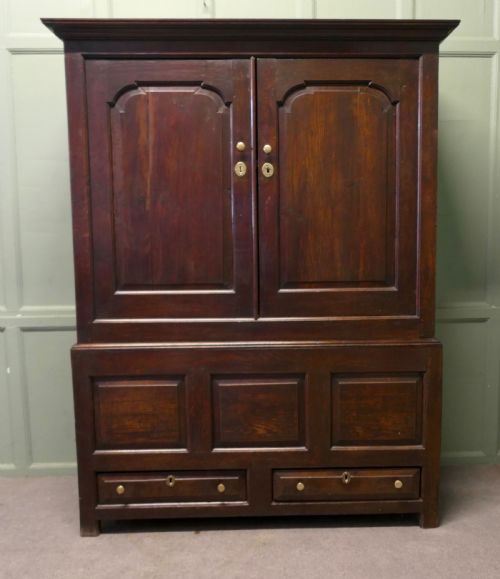
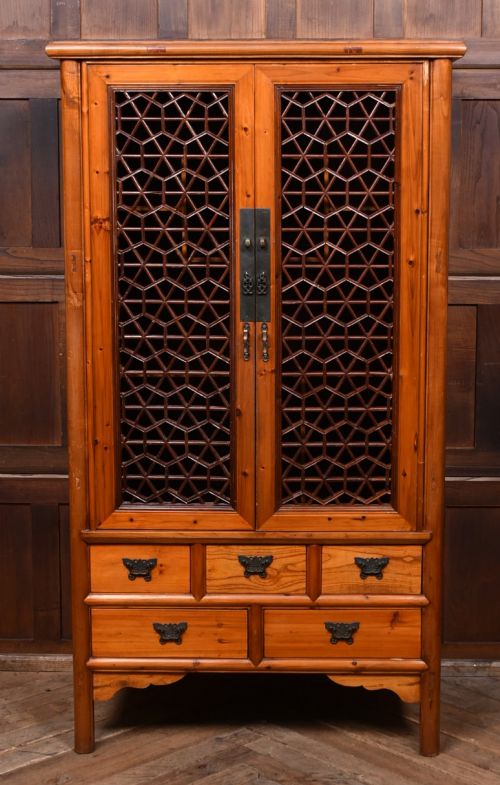
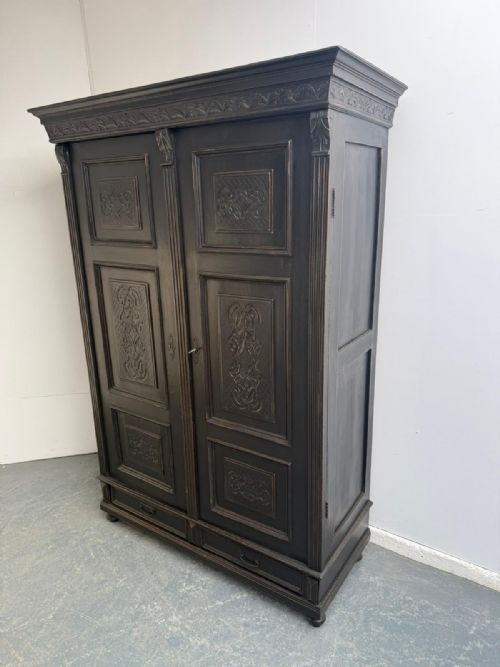
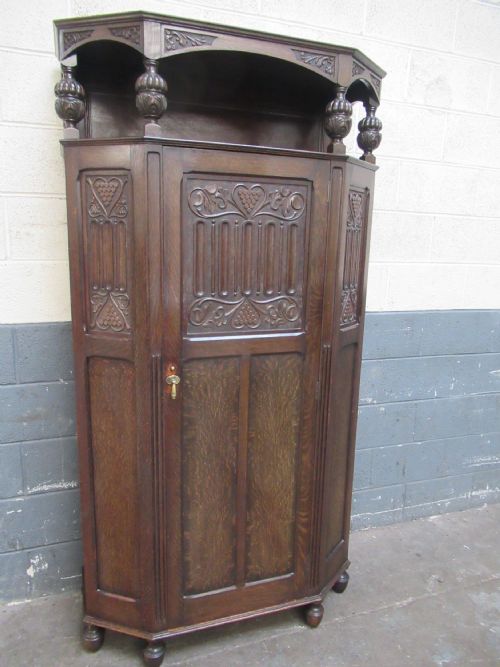
The version most commonly met on this page is the 18th-century or 19th-century oak cupboard, often originating from English, Welsh or French workshops. These range from substantial housekeepers' presses to two-door wardrobes set on bun feet.
Makers and regional joiners utilised durable timbers to construct functional storage for textiles and garments. Structural forms reflect local domestic needs, resulting in hanging cupboards, linen chests and tall panelled cabinets.
What varies in quality
Quality rests upon the selection of timber grain, the integrity of the original joints and the survival of early blacksmith-made ironwork. Pieces retaining untouched surface patination and original brass or iron hardware command greater appreciation.
Proportion and architectural detailing distinguish utilitarian regional cupboards from sophisticated formal pieces. The balance of heavy cornice mouldings, panel depth and the alignment of large doors indicate the skill of the original workshop.
Traditional Oak Armoire Retail Price Guide 2026
Typical asking prices for traditional oak armoire among the pieces listed under this phrase on Sellingantiques today, from the lower quarter to the upper quarter. They describe what is for sale here now, not the wider market.
Several cupboards preserve original blacksmith-made locks and hinges that have secured heavy oak doors for over two centuries.
The Traditional Oak Armoire Glossary
- Livery cupboard
- A traditional storage piece originally utilised for food or household provisions before evolving into a wardrobe. These early cupboards often feature panelled ventilation doors.
- Linen press
- A tall piece of furniture comprising upper shelving for folded textiles and lower drawer sections. These domestic units dominated 18th-century and 19th-century bedchambers.
- Housekeeper's cupboard
- A large storage cabinet designed for domestic administration and household linen. They provide extensive internal capacity through deep cupboards and lower drawers.
- Bun feet
- Rounded, flattened spherical feet supporting the corners of heavy cabinets. This form appears frequently on 19th-century case furniture.
- Cornice
- The moulded horizontal projection crowning the top of a large cupboard or wardrobe. It finishes the architectural profile of the piece.
Traditional Oak Armoire: Frequently Asked Questions
What is a traditional oak armoire used for?
These large timber cupboards provide substantial storage for clothing, linen and household items within bedrooms or hallways.
Their deep internal shelves and hanging space accommodate bulky garments while adding historic character to a room.
How do I tell an 18th-century cupboard from a Victorian one?
Earlier pieces from the 18th century often display hand-split oak panels, pegged joinery and forged iron butterfly hinges. Georgian designs prioritise functional proportions and heavy plank construction.
Victorian examples frequently introduce machine-sawn elements, bun feet, and more standardised internal fittings alongside rich, dark patination.
Will a large oak cupboard fit in a modern room?
These substantial pieces require careful measurement of ceiling height and doorway clearance prior to placement. Many 18th-century and 19th-century armoires dismantle partially, but their overall depth and heavy oak construction demand adequate floor space.
How do I care for antique oak furniture?
Maintain the timber by keeping it away from direct heat sources and sudden humidity changes that cause wood to split. Regular dusting with a dry cloth protects the historic wax finish and natural patina.