




Traditional Nursery Chair
A traditional nursery chair provides small-scale seating for children, combining vernacular timber construction with domestic history.
Traditional Nursery Chair
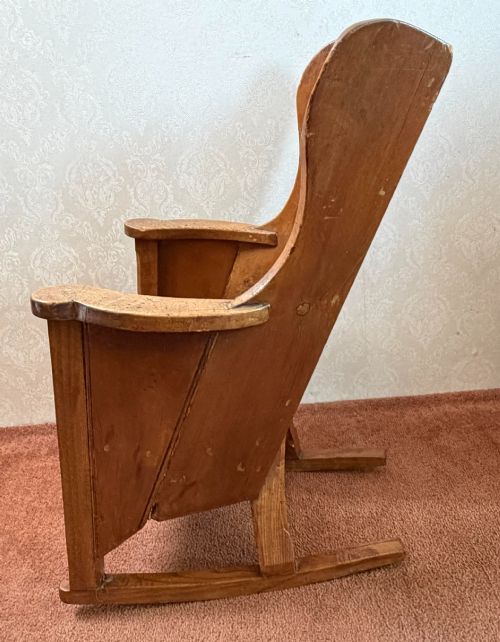
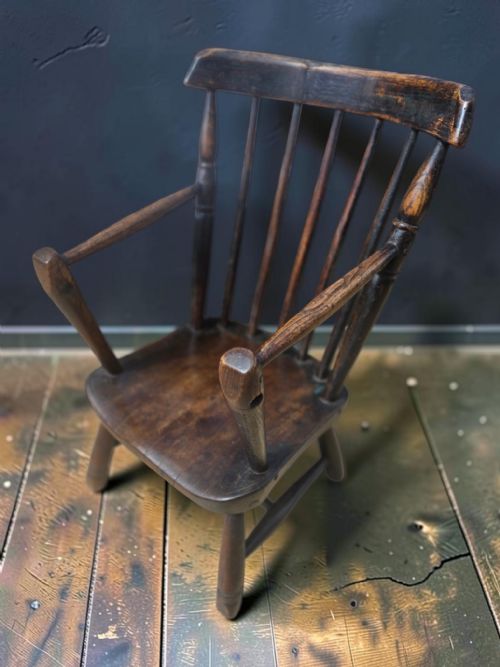
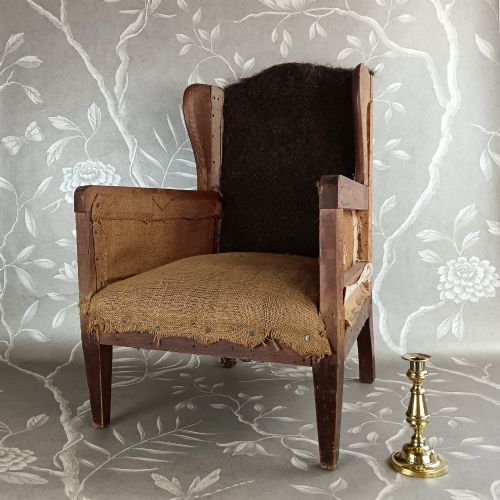
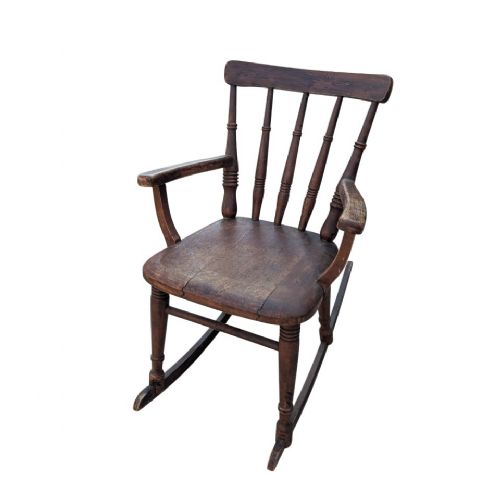
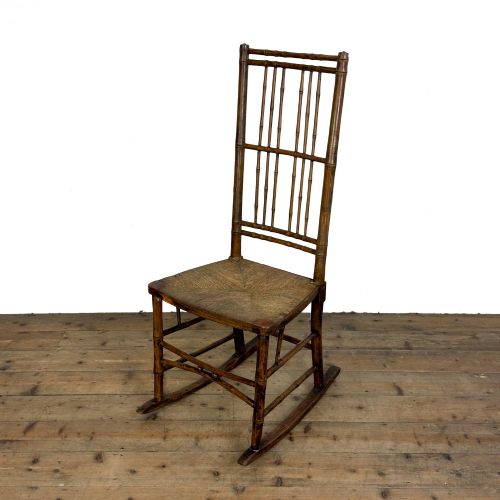
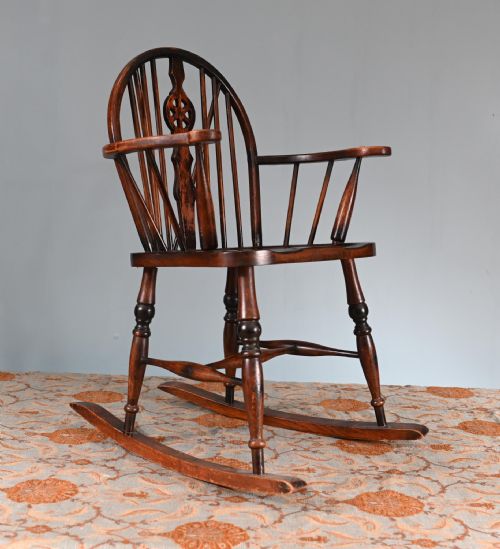
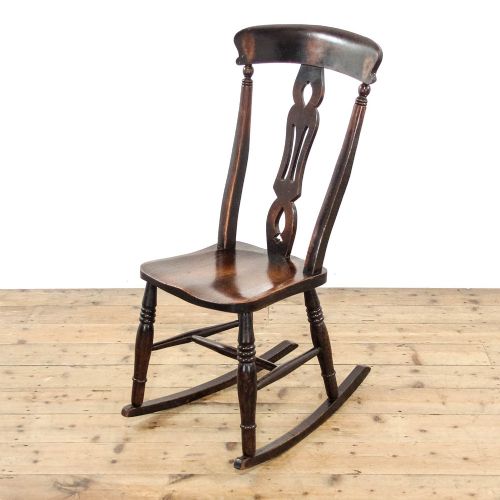
A traditional nursery chair takes several domestic forms, appearing frequently as a low rocking chair, a Windsor armchair, or an adjustable highchair. These pieces originate across the nineteenth and early twentieth centuries, spanning Victorian, Georgian, and Regency periods.
Makers shaped these utilitarian seats for domestic nurseries, resulting in smaller proportions tailored specifically for children rather than adults. Examples range from rustic country vernacular styles to refined mahogany and yew wood armchairs.
Regional variations emerge clearly across the selection, with English country versions sitting alongside Scandinavian country pieces and West Country variants. Buyers encounter simpler rush and cane seating alongside more complex wheelback and splat back designs.
How they were made
Craftsmen utilised native timbers including elm, ash, yew wood, beech, and mahogany, selecting each wood for its specific structural strength and grain pattern. Windsor models frequently combine different woods for the seat, legs, and spindles to balance flexibility and rigidity.
Joined construction methods rely on turned components, bobbin turnings, and bentwood techniques, particularly evident in rocking variants and folding chairs. Caned panels, rush seating, and upholstered pads provide the primary surfaces for sitting.
Form variations span rocking chairs, wingback armchairs, folding seats, and tub highchairs.
What varies in quality
Construction integrity separates standard utility items from superior examples, particularly visible in the tightness of timber joints and the retention of original turning details. Selection of dense woods like yew or figured mahogany indicates a higher grade of manufacture.
The survival of original surfaces, whether polished mahogany or patinated elm, dictates the visual merit of the piece. Subtle details such as carved splats, bentwood shaping, and intact cane or rush work elevate the standing of an individual chair.
The Traditional Nursery Chair Glossary
- Windsor chair
- A wooden chair constructed with a solid wooden seat into which the legs and back spindles are bored directly. This design utilises distinct timber types for different structural parts.
- Wheelback
- A Windsor chair variation featuring a pierced splat carved or shaped in the form of a spoked wheel. It appears frequently on nineteenth-century seating.
- High chair
- Elevated children's seating designed to bring a child up to table height. These often incorporate footrests and safety barriers.
- Bergere
- A type of enclosed armchair with woven cane panels on the back and sides. It is typically associated with refined Victorian parlour and nursery furniture.
- Bobbin turning
- A form of woodturning characterised by a series of rounded, spool-shaped protuberances along the length of a furniture leg or stretcher.
Traditional Nursery Chair: Frequently Asked Questions
What periods do these chairs cover?
The available selection spans primarily through the nineteenth century, encompassing Georgian, Regency, and Victorian eras, with some extending into the Edwardian period.
Craftsmanship styles range from rustic English country vernacular pieces to more formal mahogany and yew wood designs.
Which woods were used?
Cabinetmakers and regional bodgers utilised a wide variety of native and imported timbers including elm, ash, yew, beech, and mahogany.
Softer or more flexible woods were selected for bent components and spindles, while denser hardwoods formed stable seats.
Are rocking chairs common?
Rocking variants form a substantial portion of the available selection, often taking the form of scaled-down Windsor or ladderback chairs.
These pieces were built specifically to soothe infants within the nursery environment.
How do high chairs differ?
Children's high chairs elevate the seating position above standard floor level, frequently incorporating integrated footrests and protective wooden rails.
Materials on these elevated examples often include turned mahogany paired with woven cane work.