

Traditional Nightstands
Traditional nightstands bring timeless bedside utility, offering compact storage and sturdy surfaces shaped by centuries of classic cabinet-making.
Traditional Nightstands
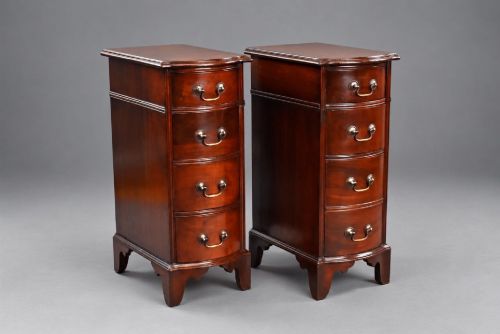
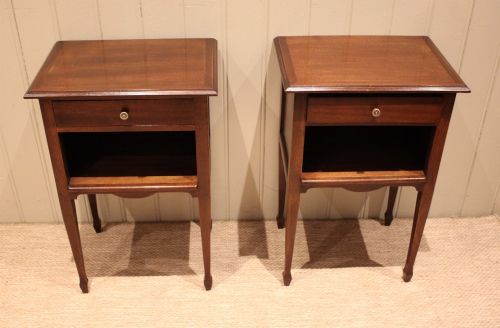
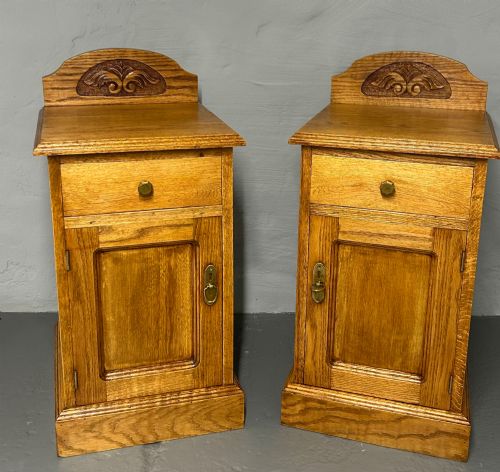
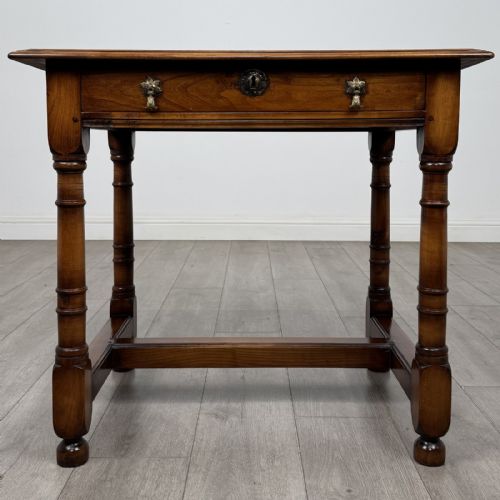
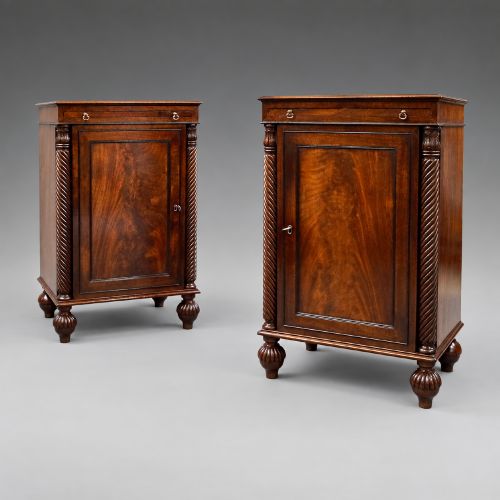
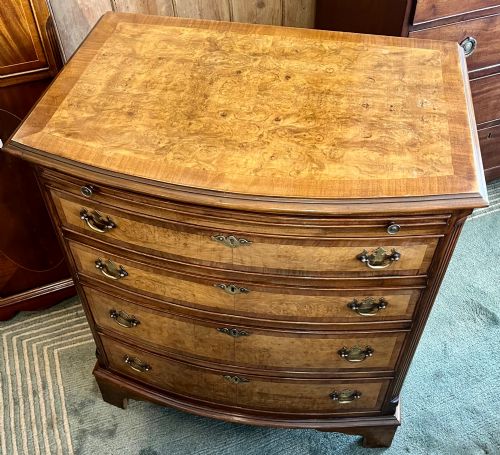
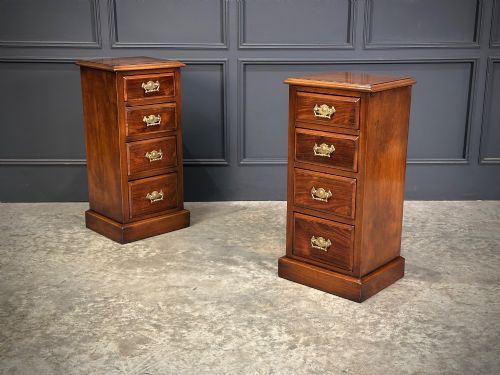
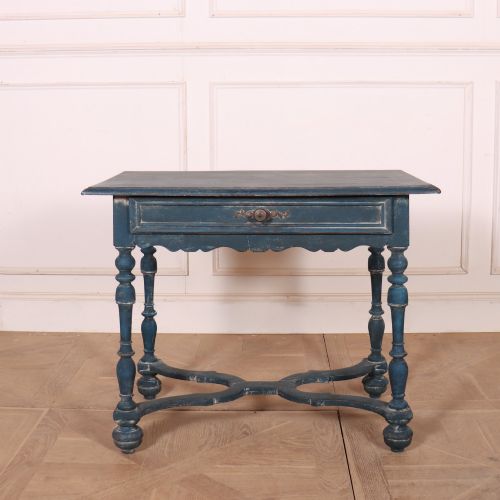
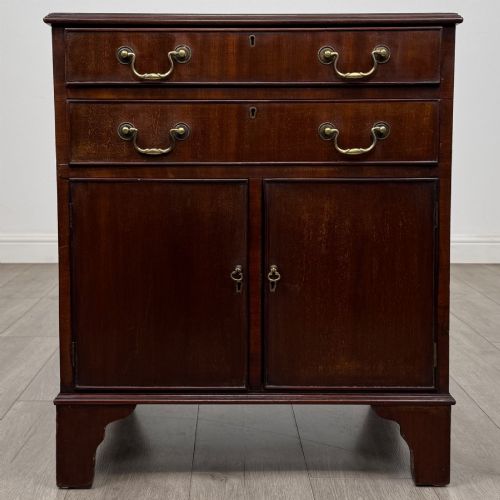
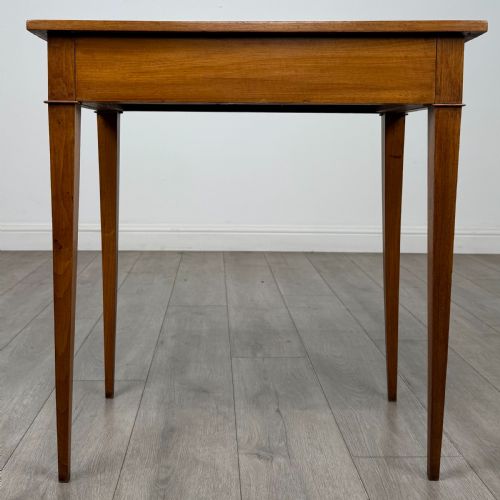
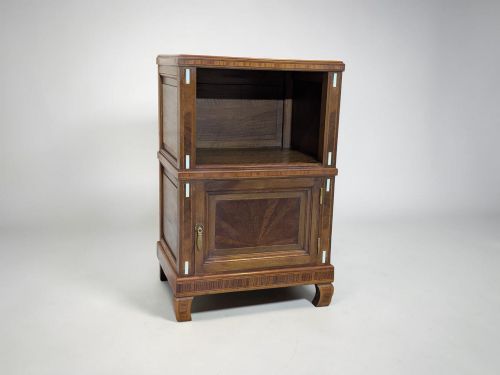
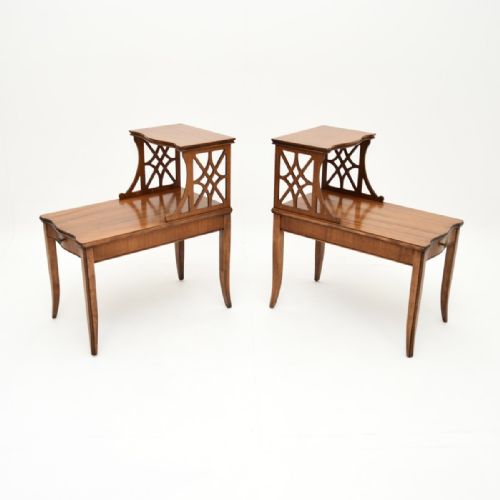
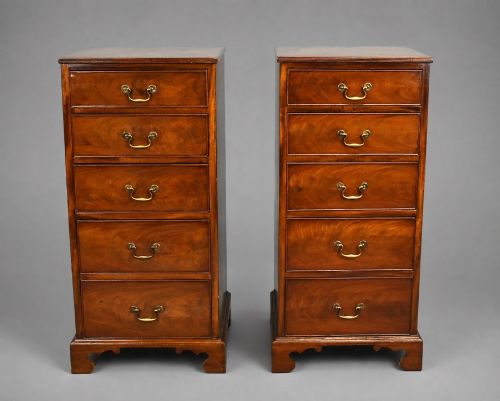
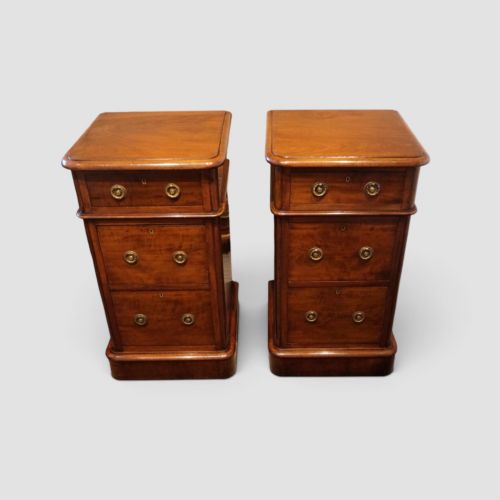
Traditional nightstands span several historical periods, appearing in forms such as bedside chests, small cupboards, and side tables designed to sit beside a bed. When searching for traditional nightstands, buyers encounter various configurations including single-door cabinets, multi-drawer chests, and open lamp tables.
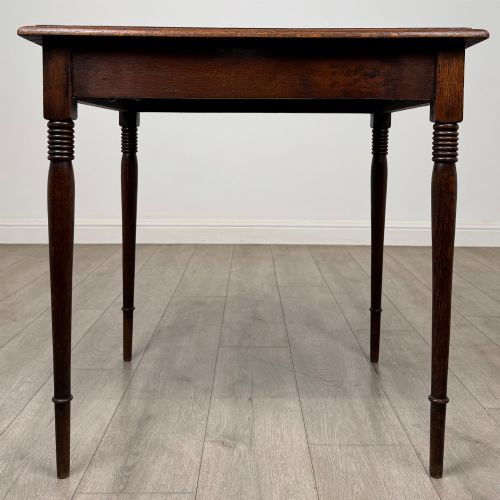
The pieces originating from these periods reflect distinct regional and stylistic traits, utilising materials characteristic of English cabinet-making. Examples range from Victorian mahogany chests to Edwardian oak side tables and 18th century painted lamp tables.
Workshop outputs from the 19th and early 20th centuries dominate the selection, often grouped as pairs for balanced bedroom placement. These pieces provide practical surface space and enclosed storage suited to period interiors.
How they were made
Cabinet-makers constructed traditional nightstands primarily using hardwoods such as mahogany, oak, and walnut, frequently enhancing surfaces with burr walnut or flame mahogany veneers. Carpenters relied on traditional joinery techniques to build durable frames, drawers, and cabinet doors that withstand daily use.
Secondary treatments included hand-applied wax finishes, painted surfaces, and carved decorative details like bracket feet and turned legs. Brass hardware often served as pulls and handles, securing drawers and doors while adding metallic contrast to the timber.
Traditional Nightstands Retail Price Guide 2026
Typical asking prices for traditional nightstands among the pieces listed under this phrase on Sellingantiques today, from the lower quarter to the upper quarter. They describe what is for sale here now, not the wider market.
What varies in quality
The choice of timber and veneer selection dictates much of the visual distinction, with figured woods like burr walnut and flame mahogany commanding attention for their natural grain patterns. Superior construction is evident in tight joinery, smooth drawer operation, and the retention of original brass fittings.
Proportion and stylistic coherence further separate standard production from finer workshop output, particularly in revival styles that emulate Georgian and Queen Anne aesthetics. Original finishes that have aged naturally without heavy intervention preserve the integrity of the piece.
Warings Liverpool
The Traditional Nightstands Glossary
- Bow-front
- A convex curved front contour found on chests of drawers and cabinets, popular in 18th and early 20th century furniture design. This shape softens the profile of a room.
- Bracket foot
- A structural support foot shaped like a bracket, often used on case furniture such as chests and small cupboards from the Georgian period onward. It elevates the body while providing stable corner support.
- Drop leaf
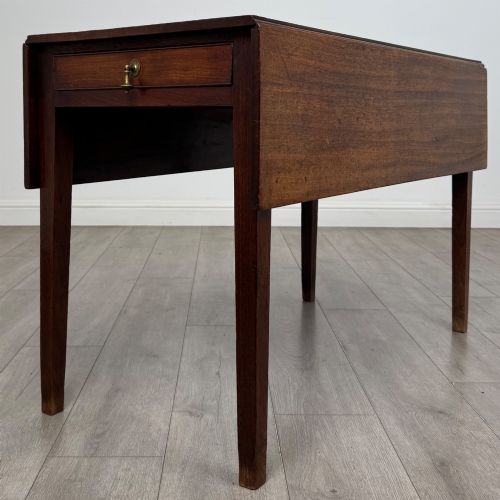
- A hinged flap on a table that can be folded down or supported by a swing bracket to expand the surface area. This mechanism offers flexibility in smaller spaces.
- Pembroke table
- A small, rectangular table featuring two hinged drop leaves on opposing sides and frequently a single drawer. It originated in the 18th century as a versatile occasional piece.
- Flame mahogany
- A veneer cut from the fork of a mahogany tree, displaying a characteristic flame-like grain pattern. Cabinet-makers utilised this figure on primary display surfaces.
Traditional Nightstands: Frequently Asked Questions
What is a traditional nightstand?
A traditional nightstand is a small bedside table, cabinet, or chest designed to hold bedside essentials and lamp lighting.
These pieces draw on historical styles such as Georgian, Victorian, and Edwardian design, incorporating classic timbers like mahogany, oak, and walnut.
How were antique nightstands used?
Historically, bedside cabinets and cupboards kept chamber pots, water jugs, and personal items concealed behind closed doors.
Over time, their primary function shifted to supporting table lamps, books, and smaller decorative objects within the bedroom.
How do I match a nightstand?
Matching a nightstand to an interior scheme involves considering the timber tone, hardware finish, and overall period style of existing furniture.
Pairs offer symmetrical balance on either side of a bed, while single tables serve well as accent pieces or lamp stands in smaller spaces.