




Traditional Mihrab Wool Rug
A traditional mihrab wool rug offers a distinct architectural arch design rooted in centuries of weaving heritage.
Traditional Mihrab Wool Rug
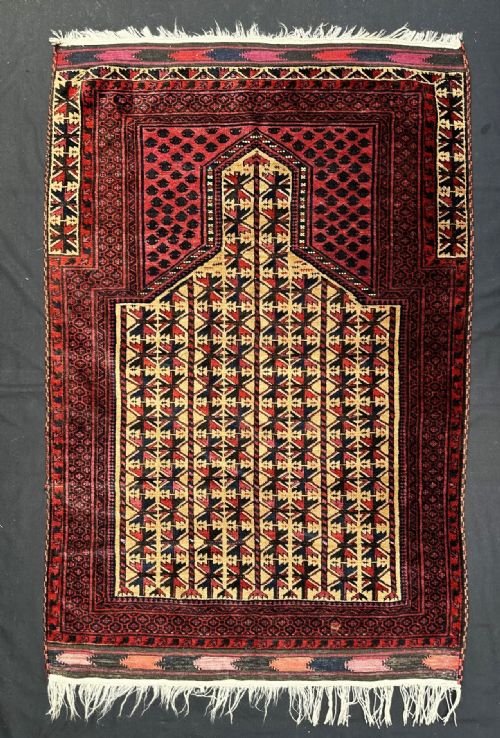
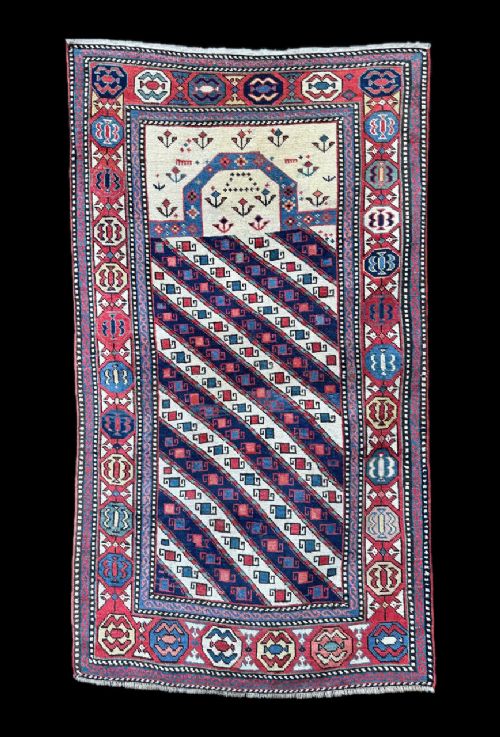
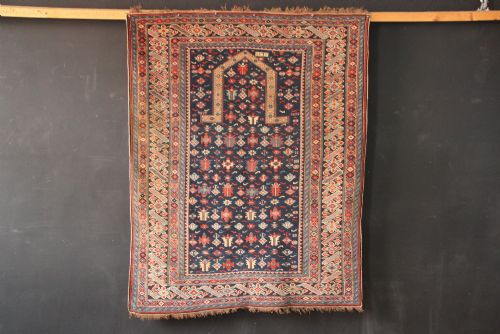
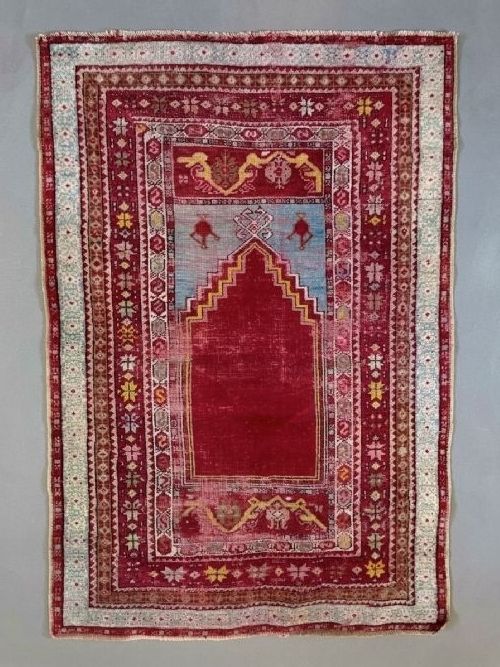
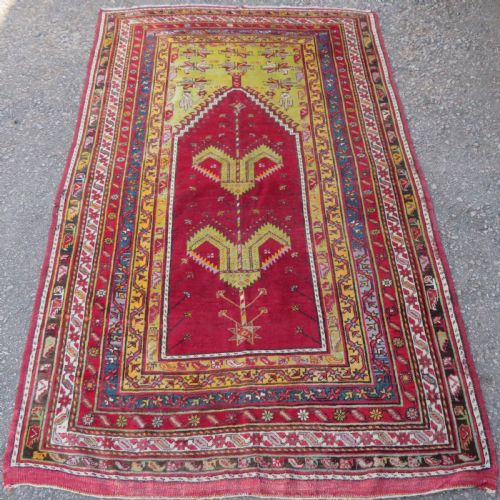
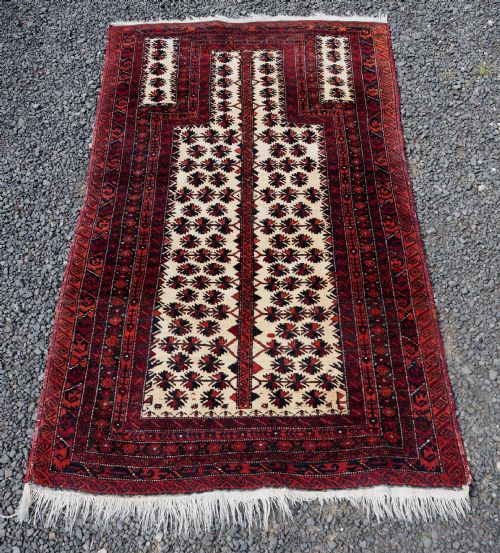
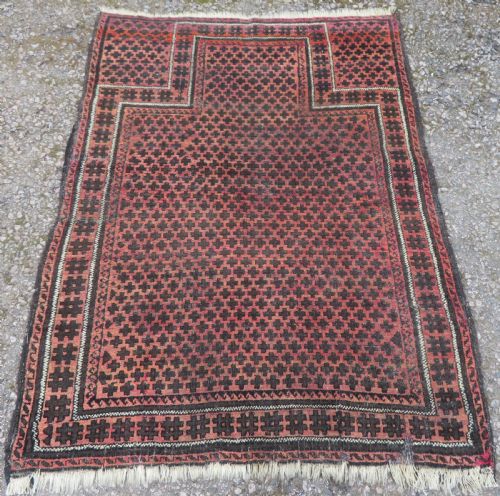
A traditional mihrab wool rug centres on the distinctive arched niche motif that symbolises a prayer doorway pointing toward Mecca. These floor coverings bridge nomadic tribal traditions and established village workshops from regions across Turkey, the Caucasus, Persia, and Afghanistan.
Buyers encountering this selection will frequently find nineteenth-century and early twentieth-century examples rendered in formats designed for devotional use or domestic floor placement. The inventory spans single, double, and triple arched formats created by diverse regional weavers.
Forms include specific village weaves from centres such as Kirsehir, Ladik, Milas, and Ghiordes alongside Baluch and Kizil Ayak tribal productions. Each piece incorporates cultural motifs ranging from floral vases and lotus leaves to rams horns and geometric stars.
What Varies in Quality
Knot density and structural tightness determine the crispness of the architectural mihrab outlines and the overall durability of the textile. Finer knotting allows intricate border patterns and secondary motifs like floral lattices or star symbols to render with precise clarity.
The choice of wool and the purity of the natural dye stuffs significantly influence the visual depth and tactile richness of the pile. Examples retaining deep, saturated tones or subtle, harmonious fading demonstrate superior material selection from the outset.
Traditional Mihrab Wool Rug Retail Price Guide 2026
Typical asking prices for traditional mihrab wool rug among the pieces listed under this phrase on Sellingantiques today, from the lower quarter to the upper quarter. They describe what is for sale here now, not the wider market.
Geographic origins represented across the inventory include Anatolian, Caucasian, Persian, and Turkmen tribal traditions.
Kirsehir·Ladik·Milas·Ghiordes·Kizil Ayak
The Traditional Mihrab Wool Rug Glossary
- Mihrab
- The arched niche design set into the rug field, representing a prayer alcove or doorway. This key motif directs the visual orientation of the textile.
- Ghiordes
- A historic weaving centre in West Anatolia known for distinct prayer rug formats and knot structures. Pieces originating here often display refined architectural arches.
- Baluch
- A tribal weaving tradition associated with nomadic groups producing smaller format rugs with deep indigo and earthy tones. These textiles frequently feature symbolic lotus leaf or geometric elements.
- Kizil Ayak
- A Turkmen tribal group recognised for distinctive prayer rugs incorporating mosque designs and double lanterns. Their work showcases traditional regional iconography.
- Ladik
- A town in central Anatolia famous for producing rugs with stepped mihrabs and distinctive upper panels. These pieces date back through multiple centuries of village production.
Traditional Mihrab Wool Rug: Frequently Asked Questions
How do I identify a mihrab design?
The mihrab is distinguished by the pointed architectural arch shape at one end of the rug field. This niche frames the visual centre and traditionally points toward Mecca during prayer.
Regional variations alter the arch from a sharp single point to rounded double or triple mihrabs found in village and tribal weaving traditions.
Where were these rugs made?
Production spans across Anatolia, the Caucasus, Persia, and broader Central Asian regions inhabited by tribal groups. Specific towns and nomadic confederations developed their own recognisable colour palettes and border symbols.
Village workshops in places like Kirsehir and Milas maintained distinct local styles distinct from the nomadic output of Baluch or Kizil Ayak weavers.
Are these rugs suitable for daily floor use?
Hand-spun wool and dense knot construction provide the natural durability required for placement in active living spaces. Traditional materials handle regular foot traffic well when supported by an appropriate underlay.
Placing them in moderate traffic areas allows the textiles to age gracefully while preserving their structural integrity and historical surface textures.
What materials are used in construction?
The primary material across these pieces is wool, often hand-spun to create resilient pile surfaces with variable texture and natural sheen. Cotton frequently appears in the foundation warps and wefts of later nineteenth-century workshop and village pieces.
Natural dyes derived from local plants and minerals provide the enduring colour palette that defines the aesthetic of these historical textiles.