

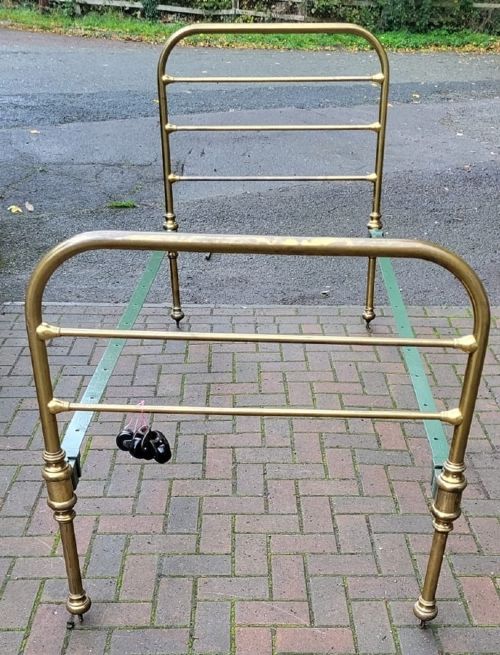
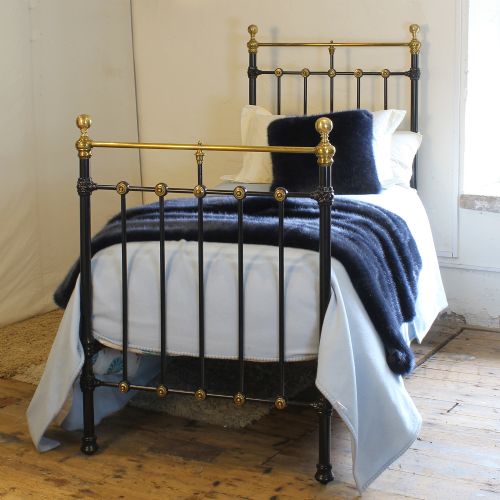
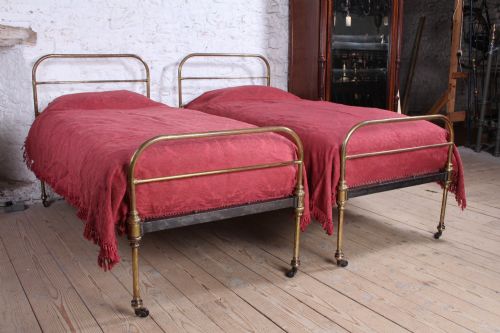
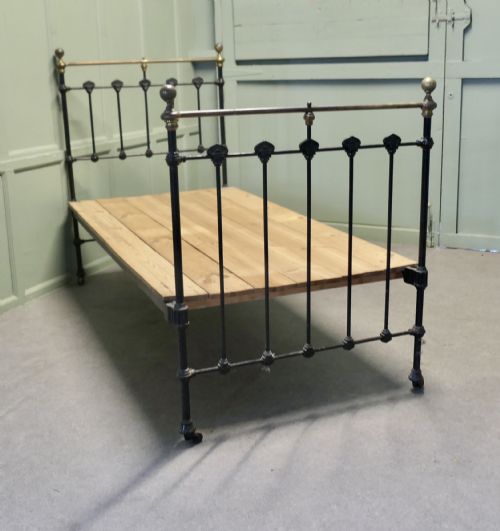

Traditional Metal Single Bedstead
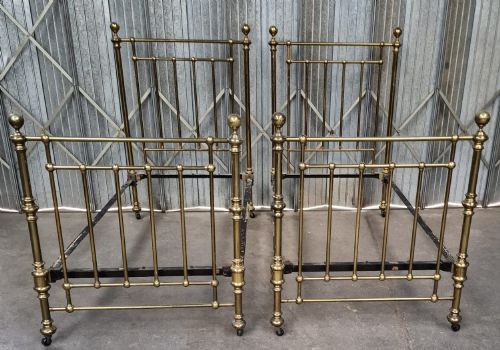
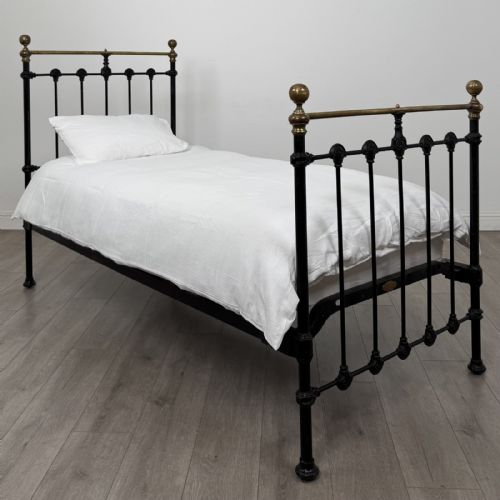
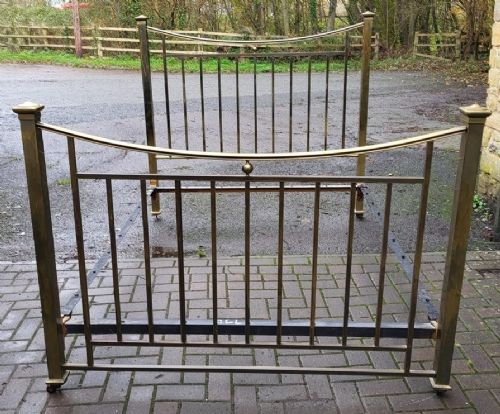
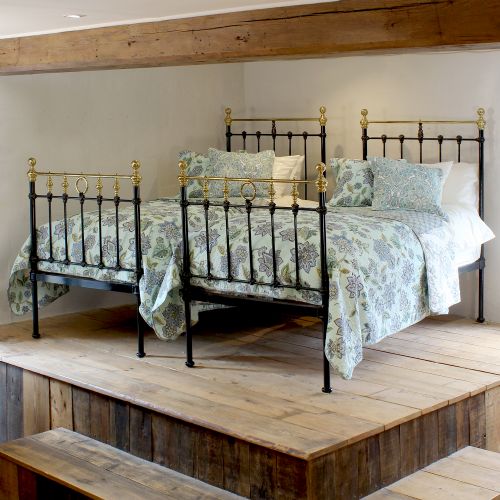
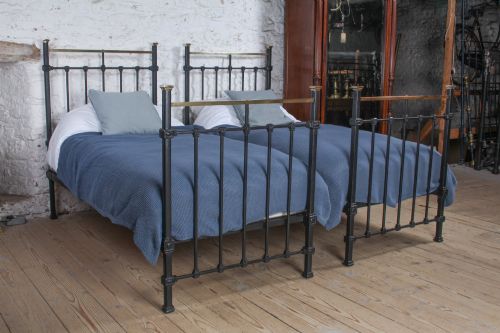
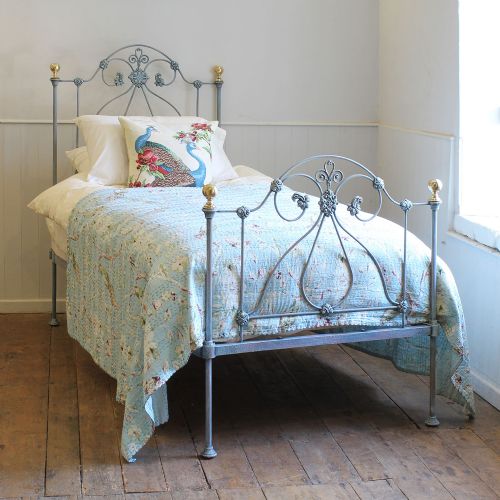
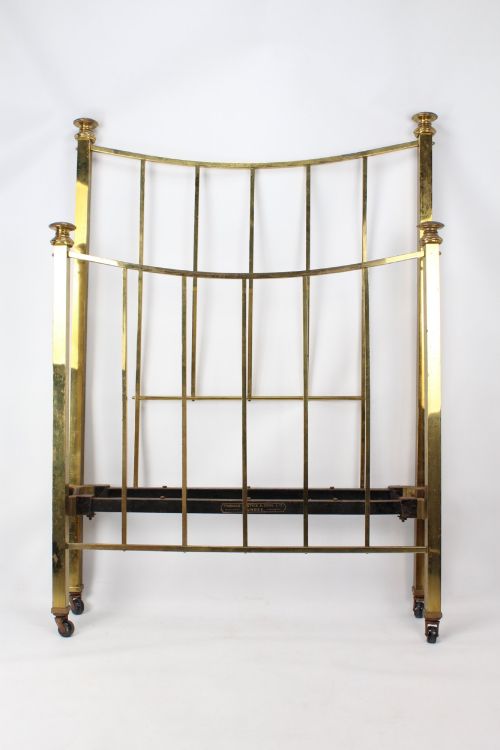
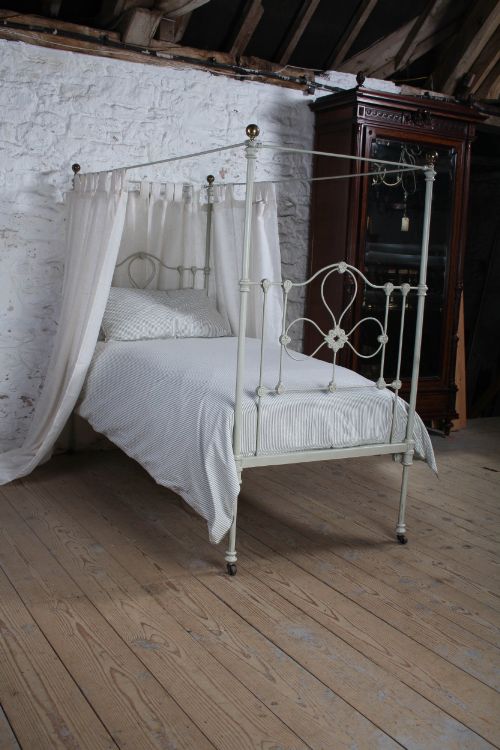
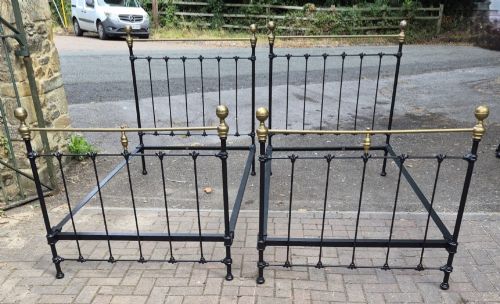
These traditional metal single bedstead examples offer sturdy iron or gleaming brass construction designed to fit compact spaces with authentic period character.
Traditional Metal Single Bedstead
A traditional metal single bedstead combines utilitarian durability with decorative period metalwork, typically measuring around three feet wide. These pieces serve as compact sleeping frames that suit smaller bedrooms, guest rooms, or period properties where proportions matter.
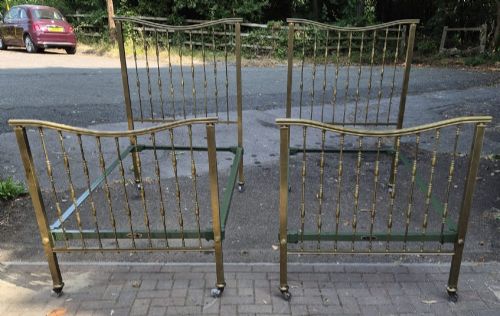
The selection centres heavily on Victorian and Edwardian examples, alongside occasional French Belle Epoque and Portuguese Traditional pieces. Buyers encounter various configurations, from simple black cast iron frames to gleaming all-brass structures and combinations featuring ceramic or wood elements.
Materials and construction methods
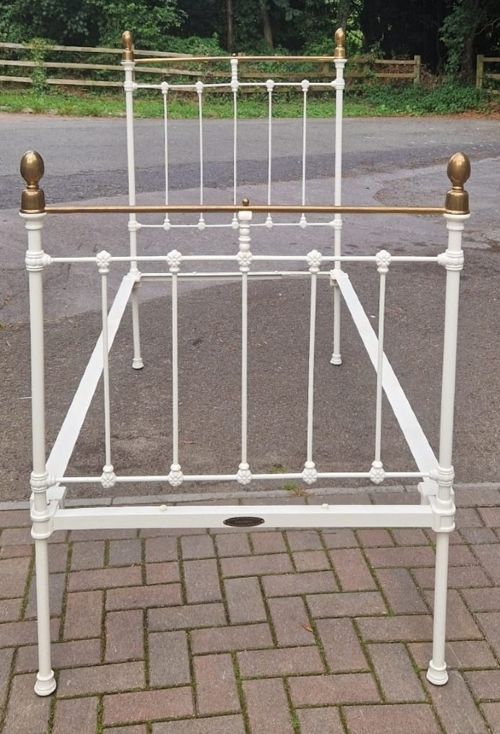
Foundries manufactured these frames using cast iron, wrought iron, and brass, often combining iron structural components with polished brass tubing and decorative finials. Hand forging and casting created robust joints and intricate detailing, such as rings and hoop motifs.
Finishes applied to the metal include black paint, blue verdigris, cream, and white, alongside polished brass that highlights the metallic sheen. Some designs incorporate ceramic castors or wooden components to complete the bedstead assembly.
Traditional Metal Single Bedstead Retail Price Guide 2026
Typical asking prices for traditional metal single bedstead among the pieces listed under this phrase on Sellingantiques today, from the lower quarter to the upper quarter. They describe what is for sale here now, not the wider market.
Factors influencing quality
Quality in a traditional metal single bedstead rests upon the crispness of the castings and the weight of the metal used in the frame. Heavier gauge iron and substantial brass components indicate superior structural integrity compared to lighter alternatives.
The sophistication of the decorative brass ornamentation, the presence of maker attribution, and the original integrity of the painted or polished finish distinguish exceptional examples from standard utilitarian models.
Hoskins & Sewell·R W Winfield·Shoolbred
The Traditional Metal Single Bedstead Glossary
- Bedstead
- The framework of a bed, consisting of headboard, footboard, and side rails, designed to support a mattress and base. It excludes the mattress itself.
- Cast iron
- Iron melted and poured into a mould to shape intricate components and structural frames. It provides rigid durability for nineteenth-century bed construction.
- Wrought iron
- Iron beaten or forged into shape by hand rather than poured into a mould. This material offers high tensile strength for slender structural elements.
- Verdigris
- A green patina formed naturally or chemically on copper, brass, or bronze surfaces through weathering. It provides an aged decorative finish on certain metal frames.
Traditional Metal Single Bedstead: Frequently Asked Questions
Can antique metal single beds take modern mattresses?
Most traditional single bedframes accommodate standard three-foot wide mattresses, though older frames occasionally require custom mattress dimensions or simple base adaptations to fit securely within the side rails.
Checking the internal width and length between the headboard and footboard ensures a proper fit for contemporary bedding.
How do I care for polished brass parts?
Polished brass components benefit from gentle dusting with a soft cloth to prevent dust accumulation. Harsh chemical cleaners can strip protective lacquers or vintage patinas, so proper maintenance preserves the original surface sheen.
Applying a specialist metal wax occasionally protects the brass from tarnishing in humid environments.
Are these beds easy to assemble?
Antique metal bedsteads typically utilise wedge-fitting joints or bolt-together side rails that allow straightforward assembly and dismantling. Two people can easily connect the headboard, footboard, and side rails using basic household tools.
Keeping the original wedge joints clean and lightly oiled ensures the frame locks together firmly without jamming.
How do I distinguish Victorian from Edwardian frames?
Victorian iron and brass beds often display heavier casting details, darker painted finishes, and robust proportions dating from the mid to late nineteenth century. Edwardian examples tend to feature lighter frames, simpler structural lines, and brighter brass work from the early twentieth century.
Comparing the decorative motifs and manufacturing style helps establish the likely production era.