


Traditional Metal Chandelier
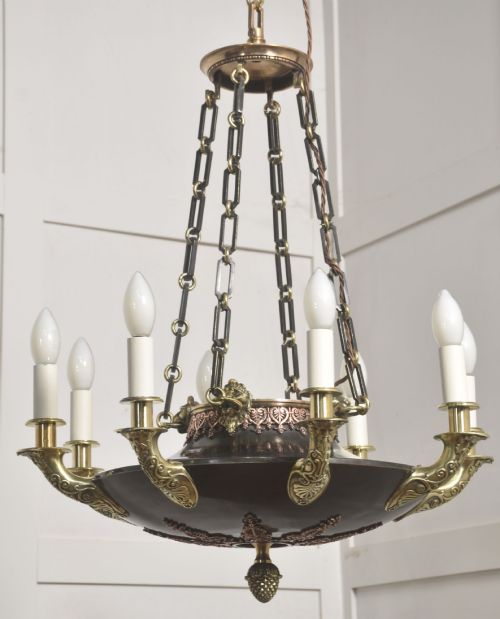
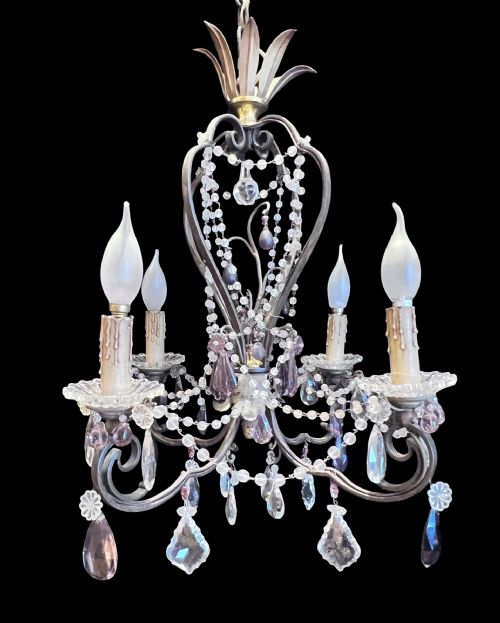
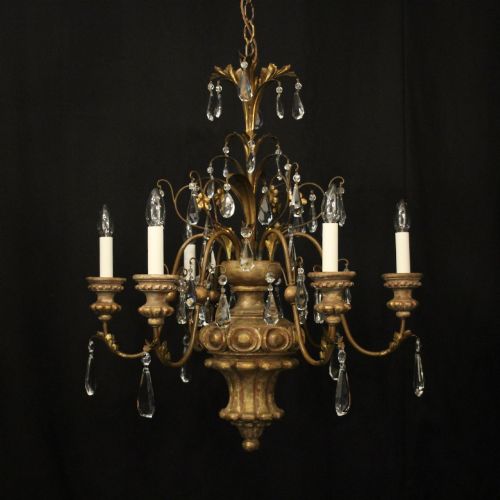
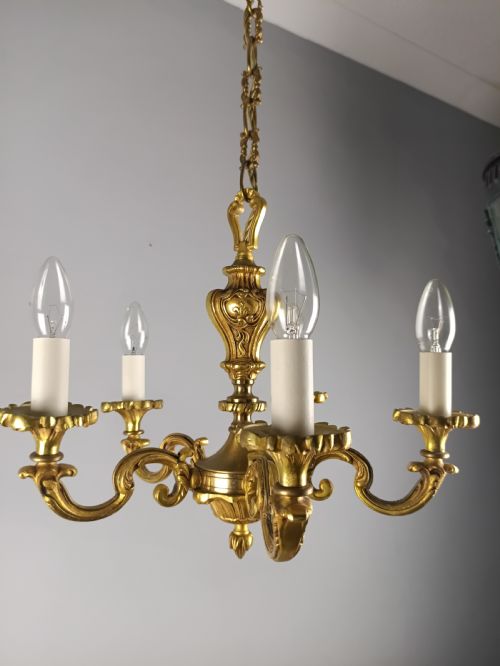
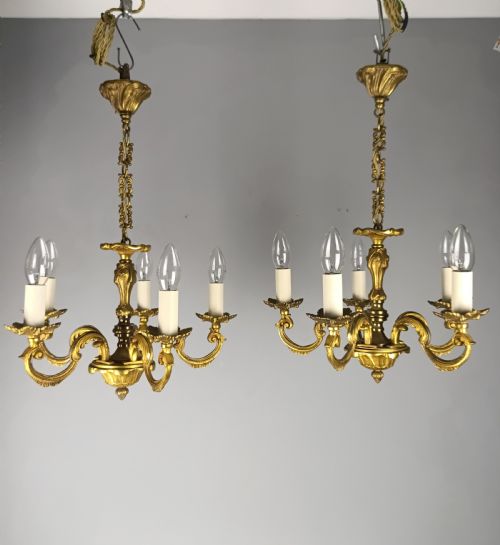
A traditional metal chandelier brings historic weight and brilliant illumination to a room, cast in solid brass, bronze, and gilt metal.
Traditional Metal Chandelier
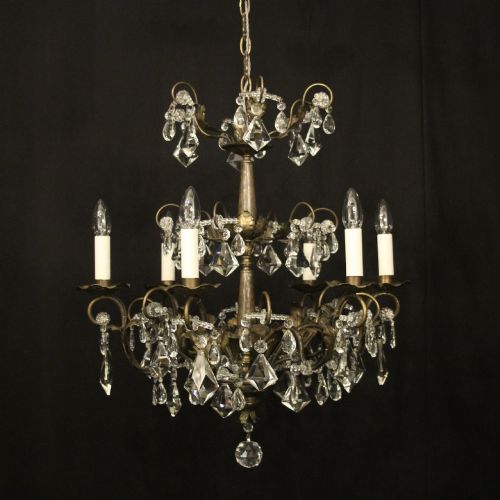
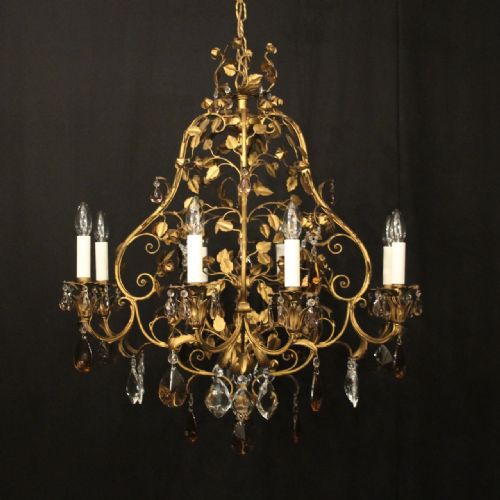
A traditional metal chandelier provides a commanding overhead focal point, drawing the eye upward with multi-branched frames designed to hold multiple candles or bulbs. When searching for a traditional metal chandelier, buyers encounter pieces spanning from the eighteenth century through the early twentieth century, including Edwardian and Victorian examples.
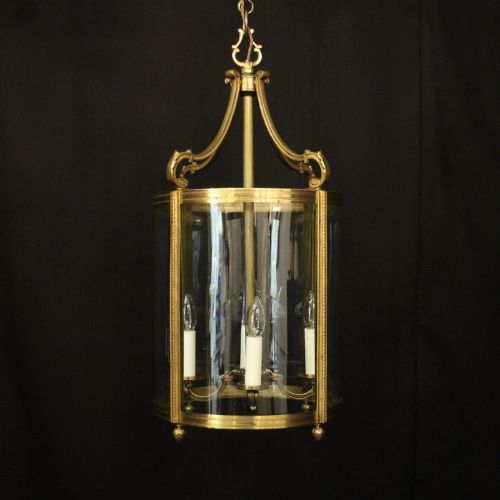
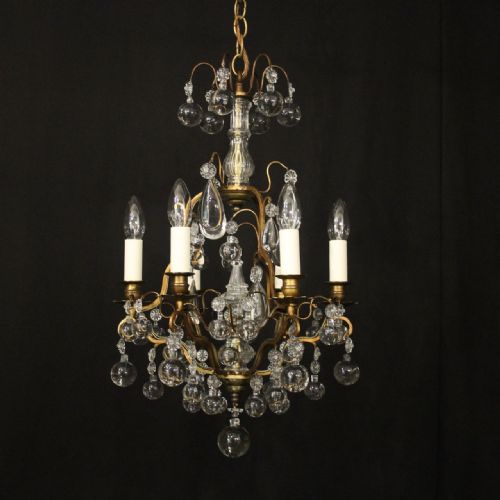
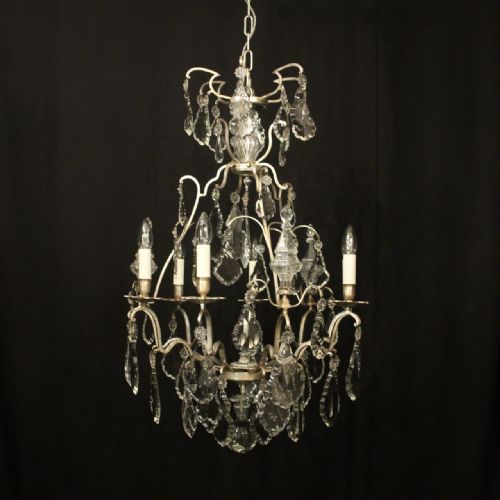
French and Italian designs dominate the selection, showcasing styles such as French Rococo, French Neoclassical, and Italian Florentine alongside Dutch and Flemish brass work. Common configurations range from cage chandeliers hung with crystal and glass to hall lanterns and multi-arm branch fixtures in various dimensions.
Construction and materials
Metalwork forms the backbone of these fixtures, utilising cast bronze, solid brass, wrought iron, and copper. Metal frames undergo gilt, silvered, or polychrome treatments to achieve distinct surface finishes.
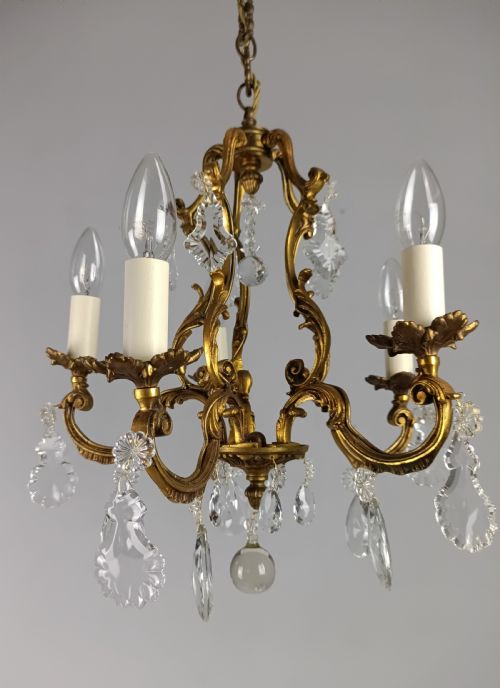
Many fixtures incorporate glass and crystal elements, suspending drops, teardrops, and beads from metal arms. Components are cast, forged, and assembled by hand to create durable hanging structures.
Listings feature metal chandeliers spanning from the eighteenth century through the 1930s, utilising brass, bronze, gilt metal, and crystal.
Assessing quality in metal chandeliers
Quality rests in the precision of the casting and the crispness of the chased detail upon the metal surface. Finer examples display deeply carved or cast ornamentation on the arms and central stems rather than flat, simplified profiles.
The integration of glass and crystal components dictates overall harmony, where well-made pieces balance heavy metal structures with balanced glass drops and secure fixings.
G.E.C
The Traditional Metal Chandelier Glossary
- Cage chandelier
- A style where metal framework encloses the internal components and supports numerous crystal drops. This open metal structure distributes light effectively across a space.
- Gilt bronze
- Metal alloy coated with a thin layer of gold, often termed ormolu in finer decorative pieces. This treatment provides a durable, warm metallic sheen.
- Hall lantern
- An enclosed hanging light designed specifically for entranceways and corridors. These fixtures often feature glass panels held within a metal frame.
- Toleware
- Painted or lacquered metalware, commonly utilised in historic lighting for decorative coloured finishes. It brings contrasting colour and texture to metal frameworks.
- Billiard light
- A long, multi-branch ceiling fixture originally designed to illuminate a game table evenly. These linear chandeliers distribute light across a wide horizontal plane.
Traditional Metal Chandelier: Frequently Asked Questions
How do I hang a traditional metal chandelier?
These fixtures require secure mounting to ceiling joists due to their substantial weight in cast bronze and brass. Professional installation ensures the electrical wiring and ceiling hook safely support the metal structure.
Height placement depends on room proportions and clearance requirements beneath the lowest glass or metal tier. Dining spaces often allow for lower placement over a table centre.
How do I clean a crystal and metal chandelier?
Dust metal frames and glass components regularly with a soft cloth to prevent grime accumulation. Avoid harsh chemical cleaners that might strip gilt or silvered metal finishes.
Detachable crystal drops can be washed gently in lukewarm water with mild soap. Ensure every component dries thoroughly before reattachment to the metal armature.
What is the difference between a lantern and a chandelier?
Chandeliers feature open radiating arms designed to hold multiple exposed candles or bulbs. They rely on branching metal structures to spread light outwardly.
Lanterns enclose the light source within glass panels held inside a rigid metal cage or box frame. They provide a more contained illumination style suited for smaller spaces.
How do I date an antique metal chandelier?
Dating relies on examining manufacturing techniques, metal composition, and stylistic cues. Eighteenth-century examples often display hand-forged wrought iron, while nineteenth-century pieces frequently utilise cast bronze and elaborate brass work.
Wiring methods and mounting hardware offer further clues regarding age. Original components and patination help confirm the historical period of the metalwork.