



Traditional Medallion Carpet
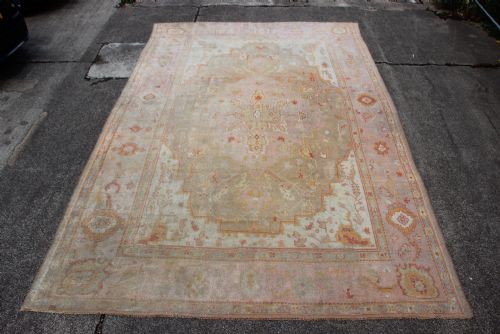
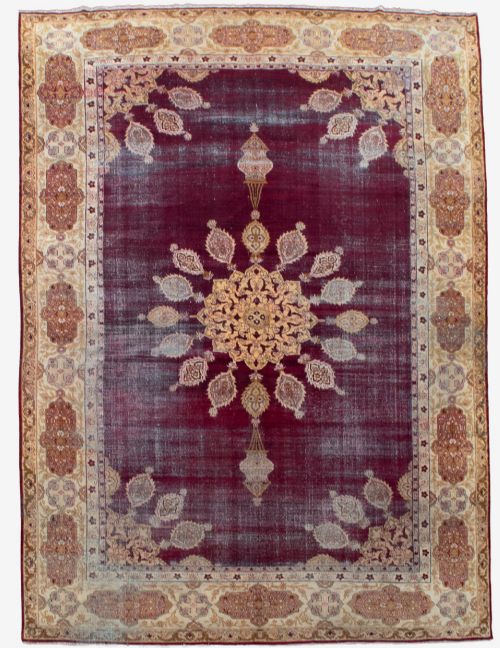
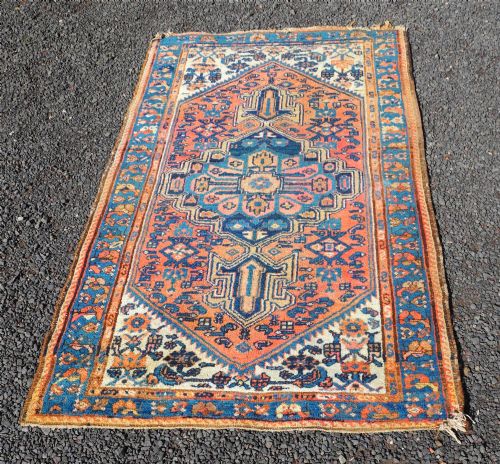
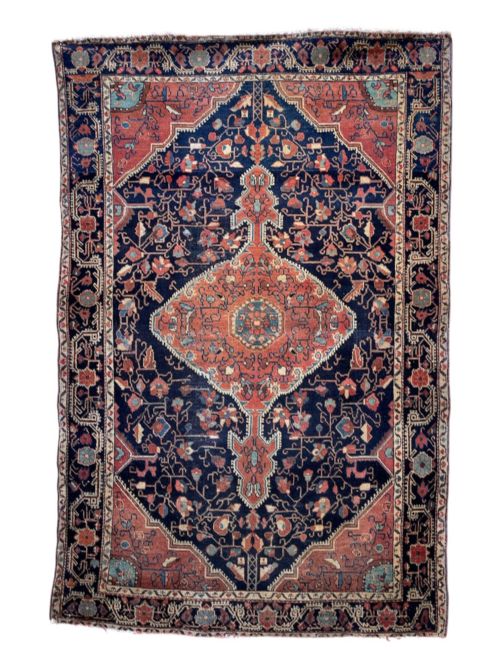
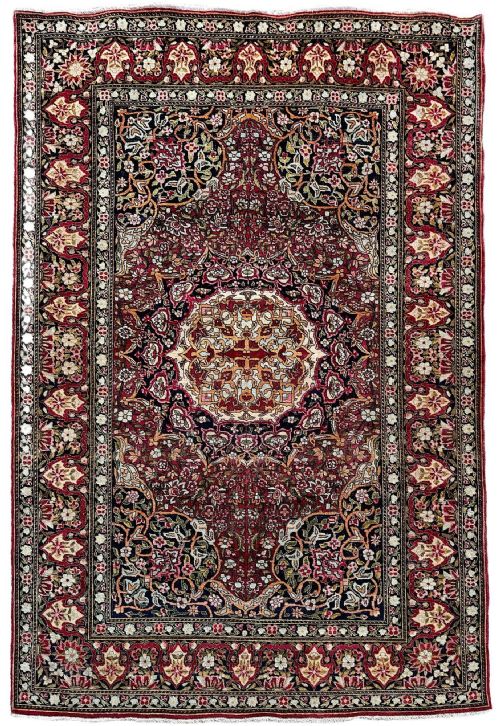
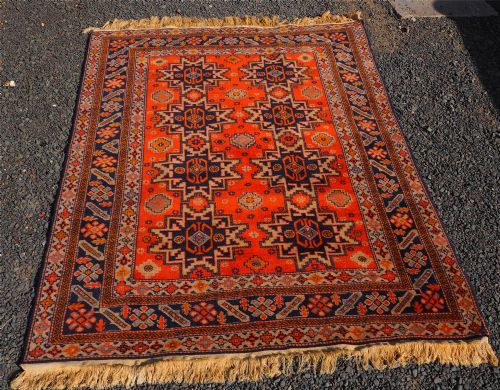
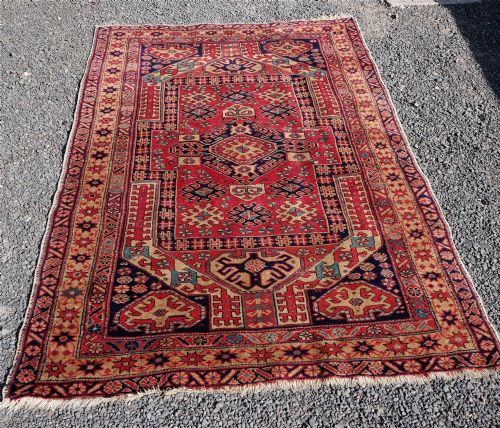
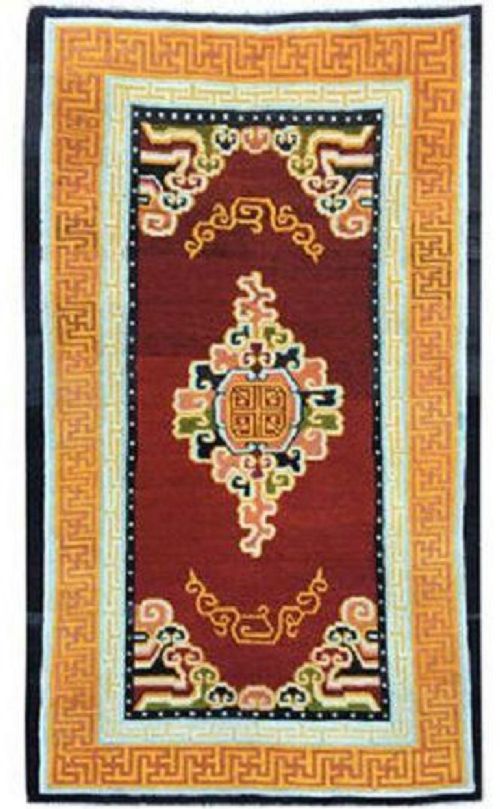
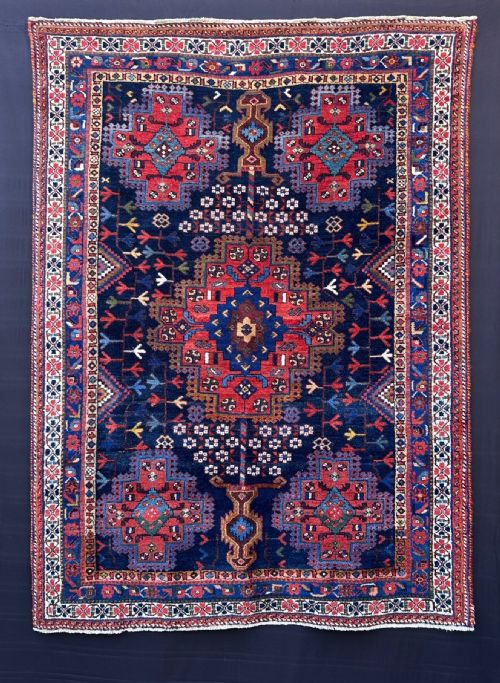
A traditional medallion carpet anchors a room with a central geometric or floral motif handed down through generations of weavers.
Traditional Medallion Carpet
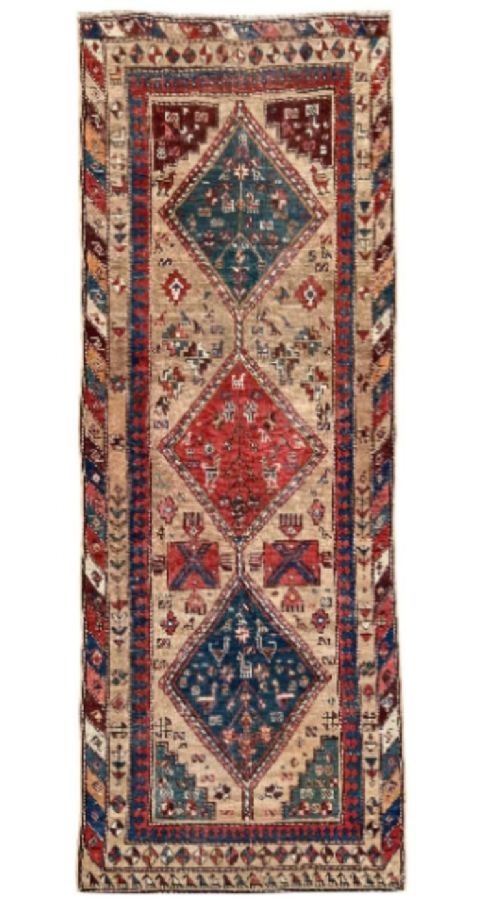
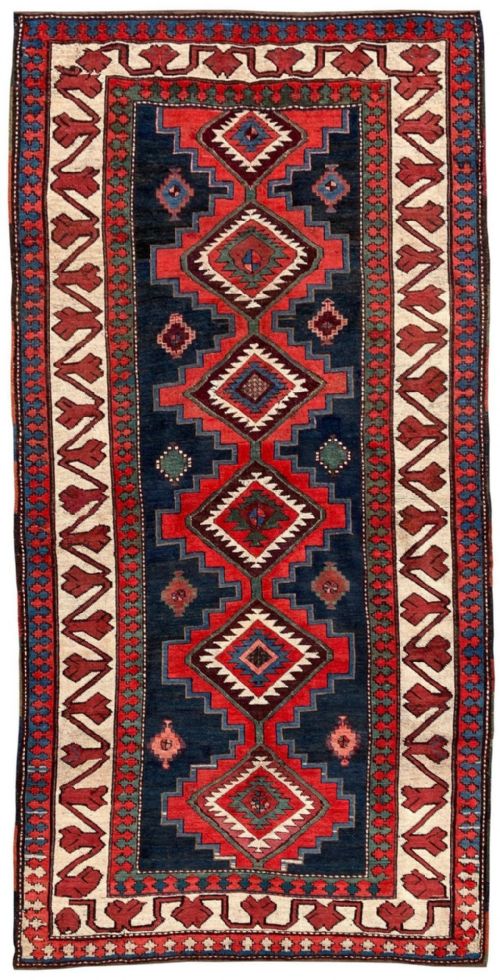
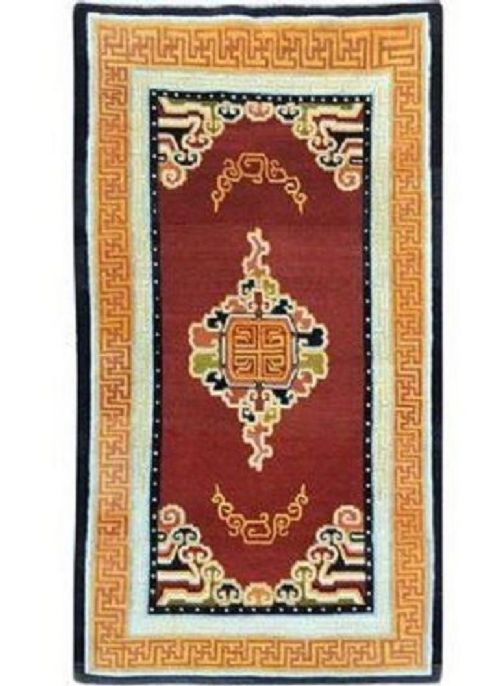
A traditional medallion carpet brings together regional patterns from Persia, the Caucasus, Anatolia and Tibet, spanning the nineteenth and twentieth centuries. Buyers searching this phrase meet hand-woven rugs and carpets featuring central focal designs, ranging from expansive Heriz room-sizes to compact Hamadan village formats.
The selection encompasses diverse regional traditions, including Kurdish Bakhtiar, Afshar, Khamseh and Caucasian Kazak productions. These pieces function equally as large area carpets and elongated runners, constructed in village workshops, tribal camps and urban centres.
Makers utilised established visual codes, placing central medallions against contrasting fields filled with floral sprays, palmettos and geometric devices. These layouts reflect the specific geographical origins recorded in the inventory, from West Persia to the Anatolian plateau.
Assessing quality and execution
Quality rests in the precision of the knotting, the handling of the central medallion proportions and the clarity of the surrounding field design. Superior examples exhibit balanced symmetry, harmonious colour palettes and tight, even pile construction.
The choice of materials also dictates standard, where finely spun wools and crisp cotton foundations create a supple handle and distinct structural integrity. Regional artistry plays a role, with master-woven town carpets showing meticulous detail while tribal pieces display robust, direct interpretations of traditional motifs.
Listings span periods from eighteen-fifty through nineteen-thirty, employing wool, cotton and silk materials across various regional styles.
The Traditional Medallion Carpet Glossary
- Medallion
- The central ornamental motif placed in the middle of the carpet field. It typically takes a symmetrical geometric or floral form.
- Warp
- The vertical foundation threads stretched tightly on the loom before knotting begins. The fringe of the carpet is formed by these exposed threads.
- Weft
- The horizontal threads passed alternately over and under the warp threads to hold the knots in place. This structure gives the carpet its transverse stability.
- Pile
- The upright cut ends of the knot yarn that form the usable surface of the carpet. Pile density contributes to the weight and tactile feel.
- Kelleh
- A large, elongated format of carpet traditionally used in Middle Eastern domestic architecture. These pieces measure longer than they are wide.
Traditional Medallion Carpet: Frequently Asked Questions
How do I clean a wool carpet?
Regular gentle vacuuming without the rotating brush bar prevents dust accumulation within the pile. Professional specialist cleaning remains necessary for deeper maintenance to protect natural fibres and dyes.
Avoid using domestic wet cleaners or harsh chemical detergents on antique materials. Promptly blot liquid spills with a clean, dry white cloth without rubbing the fibres.
Where were these carpets made?
Production spans several distinct geographical regions, including Persian towns and villages, Caucasian mountain districts and Anatolian weaving centres. Each area developed characteristic colour palettes, wool qualities and geometric or floral motifs.
Tribal confederacies and sedentary village workshops alike contributed to this diverse output. Identifying the origin relies on recognising specific border arrangements, knotting structures and medallion geometries.
Can I use an antique rug daily?
These carpets were built for practical domestic use from durable materials like wool and cotton. Placing a quality underlay beneath the piece reduces friction against hard floors and cushions the foundation.
High-traffic hallways benefit from regular rotation to ensure even exposure to foot traffic and sunlight. Proper placement preserves the structural integrity of the pile over years of living with the piece.
What is a Heriz carpet?
Heriz carpets originate from the East Azerbaijan region of Iran and are celebrated for bold, architectural medallion designs. They typically employ robust wool suited to heavy domestic use.
These pieces often feature distinctive large-scale geometric central motifs supported by sturdy corner spandrels. Their durable construction made them popular choices for nineteenth and twentieth-century country houses.